

Have you ever wondered how a small policy can save you from a big headache when you're traveling? Expert tips show that a little care and smart timing can protect your journey from start to finish.
When you grab travel coverage right after booking, you shield yourself from surprises along the way. This means you can focus on that beautiful sunset over a colorful market or the thrill of trying new foods, without the worry of mishaps.
With clear, friendly advice and simple tweaks, this guide helps turn travel jitters into confident plans, making every adventure feel a little smoother and a lot more fun.
Expert travel insurance tips: Savvy Insights

Once you book your trip, the decision-making kicks into gear. It’s smart to grab travel insurance within 14 days, so your coverage starts as soon as your flight or hotel is confirmed. Think of it like this: as soon as your plans are set, your safety net is up, cutting down on any nasty surprises.
Getting coverage early isn’t just about the beginning; it’s about staying protected all the way. Many policies kick in right from the booking and stick with you until you come back. And here’s a neat tip: check out a Cancel For Any Reason add-on. Imagine getting back up to 75% if you need to cancel because of a sudden work call or another change of plans. That kind of freedom can really lift the burden if things suddenly shift.
When you’re picking a plan, make sure you ask about riders that cover pre-existing conditions. Some policies have specific criteria, so it’s a good idea to check if they match your needs. Choosing a provider that has your back from start to finish means you can really focus on the joy of travel rather than worry about what-ifs.
Always take a moment to read the fine print and write down any questions you might have, like how fast they handle claims or what extra coverage they offer. Getting those details sorted out now can lead to a smooth, stress-free trip.
By following these steps, you’re setting yourself up for a journey filled with confidence and ready for any unexpected twists along the way.
Expert travel insurance tips on comparing policy features and benefits
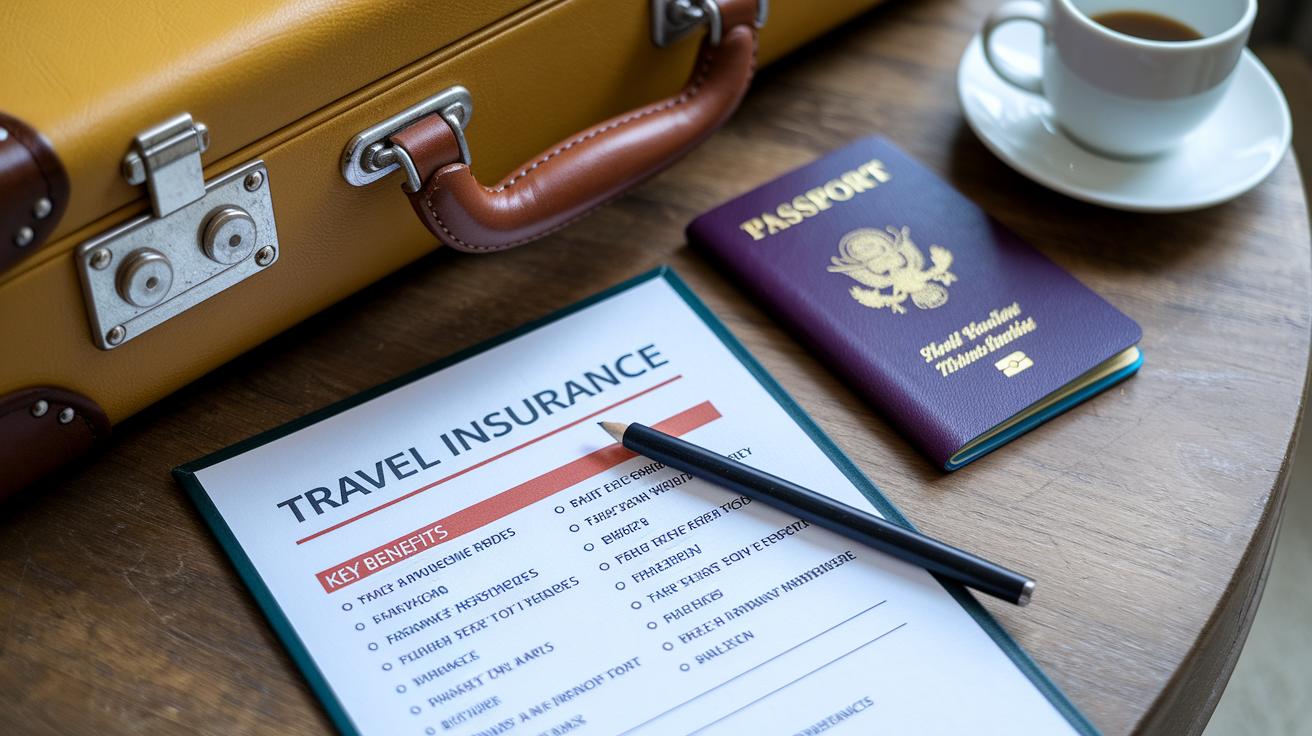
When you're checking out a travel insurance plan, focus on the parts that really count for your trip. Begin by looking at five must-have types: trip cancellation or interruption, medical, evacuation (think private jet for serious cases), baggage, and flight delay protection. Each one plays its own role, imagine trip cancellation coverage as a safety net when an unexpected work emergency forces you to change plans. It might even refund most of your prepaid expenses, which is a real lifesaver.
Next, take a moment to consider extra riders such as identity theft or political evacuation protection. These add-ons can be a smart choice if you're traveling with fancy electronics or heading to a destination with unpredictable political vibes. Matching these boosts to your main priorities can mean full trip refunds, speedy lost-luggage reimbursements, or quick emergency medical evacuation when you need it most.
Here's a simple side-by-side comparison:
| Coverage Type | Key Benefit | Typical Limit |
|---|---|---|
| Trip Cancellation/Interruption | Refunds prepaid travel costs if plans change | Up to 100% of costs |
| Medical | Covers emergencies and hospital expenses abroad | $50,000-$100,000 |
| Evacuation | Emergency transport, sometimes via private jet | $100,000-$1M |
| Baggage | Reimburses lost or delayed luggage | $500-$1,000 |
| Flight Delay | Compensation during travel delays | $300-$500 |
By comparing these features side by side, you can pick a coverage pack that fits your travel plans just right. This way, you blend all-around protection with handy extras, ensuring you're set for every twist and turn on your journey.
Expert travel insurance tips for tailored risk management strategies

When picking a travel insurance plan, start by thinking about how often you hit the road. If you’re a casual traveler planning a one-time getaway, a single-trip policy works well. But if you’re hopping on and off flights all year, an annual multi-trip option might be just the ticket. And for those long adventures abroad, a long-stay policy covers the extra days you need. I remember a friend who switched from a single-trip plan to an annual one after deciding to visit family several times in one year. That simple change made budgeting smoother and kept his trips worry-free.
Next, consider the little twists your journey might bring. If you have a pre-existing health condition, ask about adding a specific rider to cover it. And why not add a Cancel For Any Reason option? It’s like packing an extra umbrella in your bag, ready to save your day if sudden plans force you to cancel and get a refund.
Finally, adjust your coverage based on your destination’s vibe. Maybe you’re headed to a place with wild weather or areas known for extra security concerns. Boosting your coverage limit might help protect your belongings and peace of mind. By matching your policy to your travel style, you lock in a plan that covers everything from medical expenses to last-minute changes, letting you focus on the journey ahead.
Expert travel insurance tips for navigating the claims process

Filing a claim can feel a bit like trying to find your way in a new city without a map. When unexpected issues pop up, it might seem confusing. But don’t worry, you can treat this process like planning a simple day trip, where each step leads you closer to your goal.
Think of these five friendly tips as your travel guide to a smoother reimbursement process:
- Make sure you stick to your policy deadlines. Your plan clearly states when things need to be done, and missing these could cancel your claim.
- Hold on tight to all your original receipts and proof. From hotel bills to emergency medical invoices, every document is like a little souvenir that supports your claim.
- Give the insurer’s claims department a call or drop them an email right after something happens. This quick move sets everything in motion.
- Write down every conversation, email, or message you have. Keeping track of these details is like saving snapshots along your journey, they come in handy later.
- And if things aren’t moving along, don’t hesitate to ask for a supervisor. Sometimes, a little extra help can get you back on track.
Staying organized is like having your itinerary ready, you know exactly where you’re headed. Keeping your records up-to-date not only speeds up the process but also shows you’re taking charge of your own journey.
Expert travel insurance tips on health coverage and emergency protection abroad

When you’re gearing up for an international adventure, making sure your health coverage is solid can keep worries at bay. Look for a plan that supports hospital visits and even covers prescription costs. A friend once mentioned, “I felt so relieved knowing my insurance helped pay for an unexpected hospital stay abroad, even the necessary meds.”
Medical evacuation is another must-have. Imagine that you need to be whisked away in a critical situation, some policies actually include provisions for emergency transport when local help just isn’t enough. Ever think of medical evacuation as your rapid response team? It can truly be a lifesaver when every moment matters, especially in places with limited healthcare access.
Next, check if your plan covers full medical repatriation. In other words, make sure it takes you home if you need specialized care that isn’t available where you are. This is extra important if you end up staying longer in the hospital or even in quarantine. Knowing the details can really make a difference when unexpected challenges pop up.
Finally, always confirm whether your policy offers riders for pre-existing conditions. Taking a few extra minutes to review the fine print now can save you a big headache later. This way, your travel insurance works as hard as you do, providing protection as reliable as a well-planned itinerary in a brand new city.
Expert travel insurance tips for avoiding policy pitfalls and maximizing benefits

When you're browsing for travel insurance, be careful of unknown online providers offering barely-there coverage. These plans often hide what’s not included, leaving you confused about your protection. It’s smart to check the details, especially when you see words like "travel partner" or "family member." Ask simple questions like, "Who counts as a travel partner?" or "What rules might limit my coverage?" This way, you avoid surprises when you most need help.
Choosing a well-known provider is like hiring a friendly local guide on your journey. Trusted companies offer clear, upfront details and help you from the time you book until you’re back home. Their transparency makes it easy to know exactly what you’re paying for.
Here are some tips to keep in mind:
- Read every bit of the fine print.
- Get clear definitions for words like travel partner and family member.
- Write down your top questions before you call.
- Compare different policies instead of just picking the cheapest option.
Myth vs Fact in Travel Insurance Policies
Many people think that a lower premium means full protection. But the truth is, established insurers usually provide more reliable and clearly defined coverage. Lower costs can hide limited benefits and blurry terms, so sticking with a recognized company can really make all the difference when you need support on your trip.
Final Words
In the action, this post took you through smart policy selection, from timing bookings to weighing coverage details. We saw how to measure key features, set up risk management strategies, and streamline the claims process while keeping your health covered abroad.
With expert travel insurance tips, you have the guidance to pick policies that truly fit your travel plans. Embrace these insights and set off confidently, knowing your next trip is backed by well-chosen protection.
FAQ
What should I know about major travel insurance companies like Allianz, AIG, and AAA?
The major travel insurance companies like Allianz, AIG, AAA, Faye, and Berkshire Hathaway offer an array of plans designed for global travelers. They usually provide comprehensive options for medical, cancellation, and baggage coverage. Reading the policy details is essential.
Who is trusted for travel insurance recommendations and which companies do they suggest?
The trusted recommendation sources like Martin Lewis often lean toward established insurers offering full coverage clarity. They suggest opting for well-known companies because these firms provide consistent benefits and clear policy definitions.
What is a reasonable cost for travel insurance?
Reasonable travel insurance costs vary by trip type, duration, and coverage details. Many policies fall around 4-9% of the trip expense, but checking multiple quotes ensures you receive the best value for your investment.
What are two disadvantages of travel insurance?
The disadvantages of travel insurance include potential claim denials for unclear policy language and the extra cost that may not cover all unforeseen incidents. Evaluating terms can help avoid such pitfalls.
What tips can help ensure you select the right travel insurance policy?
Expert travel insurance tips advise purchasing coverage within 14 days of booking. This strategy locks in benefits that begin right after flight or hotel confirmation and may include flexible cancellation refund options.
How can I compare policy features between different travel insurance plans?
Comparing policy features means reviewing coverage for cancellation, medical help, baggage, evacuation, and flight delays, along with riders for extra protection. Matching these to your main priorities is key.
What risk management strategies are recommended for travel insurance?
Risk management strategies suggest matching the policy duration to your travel frequency, adding flexible cancellation options like CFAR, and adjusting coverage limits based on factors such as weather risks and personal belongings.
What advice helps simplify the claims process in travel insurance?
Claims process tips start with following policy deadlines, gathering original receipts, contacting claims promptly, documenting conversations, and escalating any unresolved concerns to a supervisor when needed.
How does travel insurance support health coverage and emergency protection abroad?
Health coverage and emergency protection abroad entail overseas hospital visits, prescription reimbursements, and medical evacuation (including private transport for critical cases). These provisions help ensure assistance is available when you need it most.
What pitfalls should be avoided when selecting travel insurance coverage?
Expert travel insurance tips warn against opting for lesser-known online providers and minimal-coverage plans. Reading the fine print for exclusions and clarifying policy terms with representatives can help sidestep common issues.