

Have you ever noticed how some photos just light you up inside? It’s often not the big sights but the small, surprising details that capture your heart. Imagine strolling down a quiet lane and stumbling upon a splash of color or a gentle shimmer of light that turns an ordinary view into something magical.
Our guide is like a friendly map that shows you how to find these hidden moments. It’s a fun, simple plan to help you see everyday scenes in a whole new way, turning your outings into little adventures.
Uncover Photographic Hidden Gems: Step-by-Step Framework
Tired of the same old travel route? Switch it up on your next outing, and watch your journey become a fun treasure hunt. Imagine taking a different path and suddenly spotting shifting light, unique textures, and hidden details, like a canopy of trees that feels extra dramatic or a flash of color from a blooming bush. I remember the first time I discovered a cool mural just because I took a new turn.
Exploring on foot or biking gives you a whole new perspective. You get to see the little things, a crack in the sidewalk or eye-level street art that cars tend to hide. And don’t be shy about asking a local or a photographer which spots they love; sometimes their tip leads you to places that no online search will ever show.
- Change your daily route to notice subtle textures, light shifts, and unexpected natural details.
- Leave the car behind and enjoy the scene up close.
- Chat with locals or trusted friends for hidden gem recommendations.
- Set a fun challenge, like snapping a perfect skyline or a wall splashed with graffiti.
- Try using specific online search terms, like "abandoned places" or "old industrial buildings," to find fresh locations.
- Keep track of your finds by marking them on Google Maps with notes and sample photos.
Mix these tips to match your style. Whether you’re capturing sunlit leaves or a secret urban nook, let your curiosity lead the way. Every discovery builds a personal collection of spots that spark joy and creativity in your photography.
Leveraging Digital and Offline Resources for Photographic Hidden Gems

Finding the ideal spot for that perfect shot isn’t just about wandering without purpose. Instead, blend modern digital help with old-school guidance to discover tucked-away locations. Digital tools let you quickly tag and explore lesser-known areas, while offline sources bring a warm, insider feel to your scouting. Think of it as drawing your own treasure map with a mix of tech-savvy tips and a touch of nostalgia.
- Use popular mapping apps along with community maps (created by fellow travelers) to mark cool, offbeat spots.
- Check out photography websites and join active social media groups where photographers share real-time, insider tips.
- Explore local archives and visit libraries that keep unique guides on discovering hidden treasures.
- Look for printed guidebooks in local shops that offer detailed offline insights into historic and secret sites.
- Attend photography meetups and clubs to chat with peers who know unconventional ways to capture stunning images.
- Browse regional travel guides focused on overlooked neighborhoods, giving you that extra local flavor.
These resources mix digital precision with the charm of traditional methods. By combining them, you build a custom list of secret spots, ensuring every click reveals a captivating story waiting to be told.
On-Site Exploration Techniques for Photographic Hidden Gems
When you stray from your usual route, you discover unexpected sensory treats in familiar places. Instead of simply taking a different street, try shifting your schedule to catch how light and shadow change throughout the day. I once heard of a photographer who, on an early morning detour, saw rain-soaked puddles transform into vivid canvases as reflections danced across them. These subtle changes can help you view ordinary scenes in a whole new light.
Exploring on foot or by bike opens up a world of hidden sounds and textures. You might notice the crisp sound of your steps on cobblestones or the gentle hum of a local market setting the scene. I remember riding near an old district and hearing a distant bell chime softly, adding a mysterious rhythm to centuries-old buildings. Listening and feeling your surroundings can reveal layers that you might miss when you drive.
Talking with locals can also uncover clever tricks for capturing the perfect shot. Chat with neighborhood residents or local shopkeepers to learn about any special rules that might affect your photography, such as spaces that are only quiet at certain hours. For instance, a local artisan once mentioned that decorative facades are best photographed when there are fewer people around since every intricate detail stands out more clearly. Mixing these insider tips with tasks like focusing on textures or color contrasts helps you spot hidden gems that many overlook.
Evaluating Light and Composition in Photographic Hidden Gems
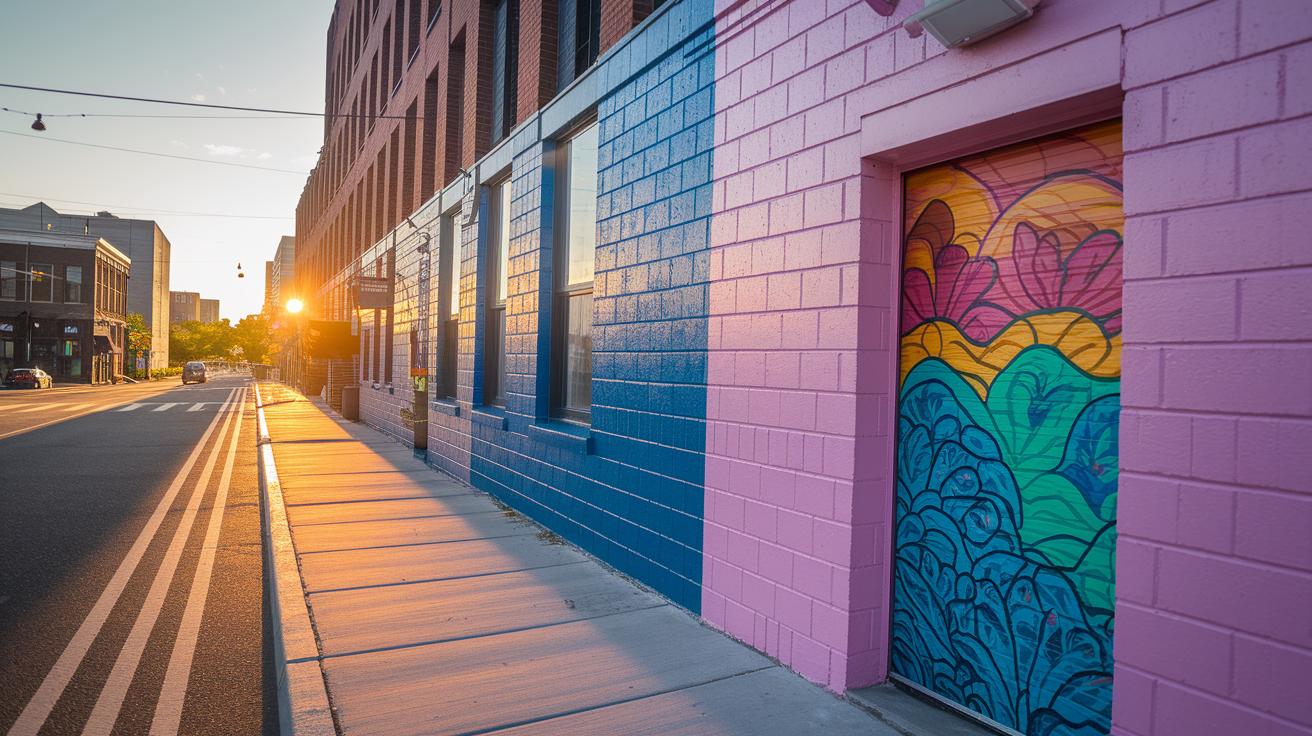
Light at different times of day really sets the tone for your pictures. Early in the morning and later in the evening, you get soft, warm colors that highlight textures without overwhelming them. Imagine this: at sunrise, even a plain building glows with a delicate light that reveals every little detail. This gentle glow shapes curves and shadows without the harsh shine of midday.
Weather can completely change the feel of a scene, too. After a light rain, puddles might mirror the city's bright lights or the open sky, adding a surprising twist to your frame. And when dew settles on petals or leaves, colors and details pop in the most delightful way. Catching these moments feels like capturing nature’s own little secret.
Think about using textures, color contrasts, and clear lines to build a strong picture. A handy tip is to use the rule of thirds (dividing your image into nine equal parts) to keep your shot balanced. Picture a winding path that naturally leads the eye toward something special, like a vibrant mural or an old, weathered doorway. Each element works together to share a visual story.
Don’t be afraid to try out different camera angles for fresh views. Shooting from a low angle can make everyday scenes look grand, while a high angle shows you how things fit together in space. Low angles, in particular, can turn a simple scene into something epic, inviting everyone to see the world from a new and exciting perspective.
Organizing Your Photographic Hidden Gems Database
When you find a cool picture spot, mark it on your map so you never forget it. Open Google Maps, drop a custom pin, and note details like the best time for soft light, your favorite shot, and any tips to get there. It’s like drawing your own treasure map for all your photo finds.
Next, keep a digital journal of your adventures. Jot down each spot by its theme, the weather, or how the light played on that day (a little record of nature’s mood). You can even set up a simple spreadsheet with columns for the name, GPS coordinates, and standout features of the location. Remember to back up your map and notes to cloud storage or share them with a trusted friend, so your hidden gems are always ready for your next photo adventure.
Case Studies of Photographic Hidden Gems Discoveries

Breaking out of your usual routine can lead to unexpected visual treats. Let me share two true stories that show how small changes in your approach can turn everyday scenes into unforgettable photos. These examples are a peek into creative scouting tips, gear choices, and framing ideas that reveal hidden gems around every corner.
Case Study: Urban Mural Alley
One urban photographer ditched his usual commute and took a walk through a quieter district. While wandering, he stumbled upon a narrow alley with walls that looked worn and full of history. His curiosity pushed him further until he found a passage lined with old murals. With his trusty lightweight mirrorless camera and a versatile 35mm lens in hand, he patiently waited for that special moment at golden hour. The soft, warm light gently kissed the faded paint, bringing out every texture and detail. His photos turned an overlooked urban corner into a story of resilience and creative flair. This tale proves that exploring on foot and embracing natural light can reveal vibrant, hidden angles you’d never notice from inside a car.
Case Study: Off-Grid Waterfall
In a quiet rural area, another photographer listened to a friendly local’s tip about a secret waterfall tucked away in rugged terrain. With a sturdy tripod and a camera ready for long exposures, she set off on an overcast day. The soft diffused light smoothed out harsh contrasts, letting her slow shutter speed capture the waterfall’s flow as if it were silk against rough rocks. Her careful composition balanced the raw details of the rocky landscape with the gentle, graceful motion of the water. This story shows how blending insider advice with the right technical tweaks can turn a simple nature spot into a truly captivating visual adventure.
Final Words
In the action, the article mapped out a clear plan to track down photographic hidden gems. It walked through switching your routine, stepping on foot, chatting with locals, and organizing your secret spots with digital tools like Google Maps.
The guide to finding photographic hidden gems brings all these steps into focus, offering simple tips on light, composition, and even real-life examples. Every tidbit shared is meant to spark creativity and make your search fun. Embrace these ideas and keep your spirit high!
FAQ
What is the guide to finding photographic hidden gems free?
The guide to finding photographic hidden gems free explains how to discover unique shooting spots without spending a dime by exploring local paths, checking online maps, and listening to insider tips.
What is the Photography Location Guide Template?
The Photography Location Guide Template is a structured outline that helps you record details like location, light conditions, and creative ideas for planning your shooting sessions.
What are location photography examples?
The location photography examples illustrate scenes such as hidden urban corners and quiet park areas, offering varied lighting and textures that inspire creative image captures.
How do you find photography locations?
The method for finding photography locations involves walking local streets, marking spots on digital maps, and seeking advice from community members on lesser-known sites.
What are photoshoot location ideas near me?
The photoshoot location ideas near me suggest exploring local parks, familiar streets, and community landmarks, giving you a range of backdrops with natural light and diverse textures.
What are outdoor photoshoot locations near me?
The outdoor photoshoot locations near me usually include nearby parks, waterfront areas, or open spaces that offer natural light and varying textures to enhance your images.
What is a photography spots map?
The photography spots map is a visual tool that marks interesting shooting locations on a digital platform, making it easier for you to plan visits to spots with appealing visual details.
What are the best places for photography?
The best places for photography include areas with unique settings such as historic districts, serene parks, and scenic views that provide balanced light, textures, and creative compositions.
What is the 20-60-20 rule in photography?
The 20-60-20 rule in photography means that about 20% of your shot is key subject detail, 60% offers contextual elements, and the remaining 20% provides background support to balance the image.
What is the 3/4 rule in photography?
The 3/4 rule in photography suggests placing your subject off-center so that approximately three-quarters of your frame contains details, creating dynamic visual interest and balance.
What are the 7 basics of photography?
The 7 basics of photography include concepts like composition, exposure, focus, lighting, perspective, color, and storytelling, which together form the foundation of effective image making.
How do you find good locations for photoshoots?
The way to find good locations for photoshoots involves mixing online research, on-foot scouting, and community advice to uncover spots with the ideal light, textures, and inviting backdrops.