

Ever wondered if local market reviews really give you the real deal? Picture yourself strolling through a lively market, where the smell of fresh fruits (like a burst of sunshine) blends with friendly chats between vendors and locals.
In this guide, I’m sharing simple tips from fellow travelers who trust honest feedback over tourist hype. You'll get clear insights on things like vendor trustworthiness, produce quality, and fair pricing, using real examples from spots like Gwangjang and Oahu’s farmers markets. Let these tips cut through the noise and help you find markets that feel just right.
Authentic Local Market Reviews: A Practical Methodology
Genuine feedback from fellow travelers really brings a market review to life. When you hear firsthand stories from spots like Gwangjang Market or O’ahu’s local farmers markets, you get more than just a visit, you feel the mouthwatering smells and see the lively chatter between vendors, turning a simple shopping trip into a real adventure.
Having a clear set of guidelines is like having a trusty map on a new journey. It cuts through personal bias and lets you share solid, practical advice. For instance, mentioning that sample stations at Kailua Town Farmers Market only operate on Sundays from 8 AM to 12 PM turns a personal story into useful travel intel.
- Vendor reliability
- Produce freshness
- Pricing fairness
- Cultural authenticity
- Market atmosphere
- Vendor communication
Next, think of these points as your travel checklist. Noticing vendor reliability might mean spotting a stall that’s always bustling with locals, while checking for fresh produce could involve both a keen eye and even a little taste test. Noting pricing fairness and friendly vendor chats gives a peek into the everyday pulse of the market.
In truth, these simple tips help create a well-rounded, honest review. They guide future visitors in choosing the best markets to explore, making each trip feel like a well-planned yet spontaneous adventure.
Gwangjang Market Authentic Local Market Reviews
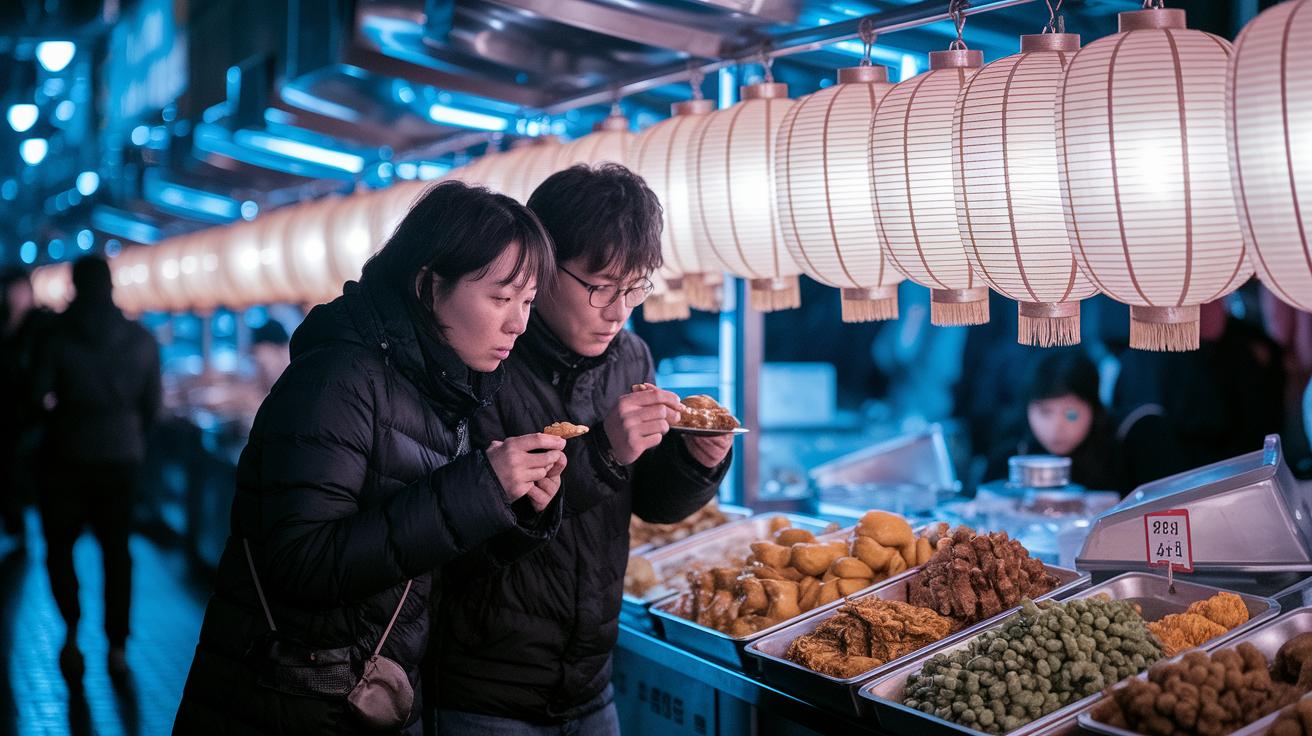
Just a short stroll from Jongno 5-ga Station, Gwangjang Market in Seoul is really easy to reach. It opens every day at 8:30 in the morning and runs until 6 in the evening, with food stalls serving up treats until 11 at night. This makes it perfect for fitting a quick visit into your day.
Gwangjang Market comes in two flavors. One side offers everyday shopping like textiles and daily essentials, while the other bursts with mouthwatering street food. You can enjoy local delights such as Tteokbokki, mung bean pancakes, dumplings, kimbap, and yukhoe. Don’t miss Buchon Yukhoe, a Michelin-starred spot known for its tasty Yukhoe Bibimbap at about 9,000 won (roughly $7). When you’re there, keep an eye on how well the food is prepared and how welcoming each vendor is.
As evening falls, the food alley transforms into a lively scene illuminated by lanterns and filled with savory scents. It’s the perfect time to sample dishes, as the warm lights and vibrant buzz give you a real feel for the market’s spirit. This unique setting lets you truly appreciate both the delicious flavors and the friendly service that mark Gwangjang’s local charm.
O’ahu Farmers Market Authentic Local Market Reviews
If you find yourself wandering the sunny streets of O’ahu, you’re in for a treat with the many lively farmers markets around the island. These markets aren’t just stops for fresh veggies, they’re vibrant gathering spots where you can chat with local vendors, taste unique treats, and soak in the true community vibe. Each market has its own hours and special touches that mix old traditions with a modern twist, inviting you to dive deep into local life.
Take a peek at these local gems:
- Kailua Town Farmers Market: Nestled in the heart of Kailua Town, this market welcomes visitors on Sunday mornings from 8 AM to 12 PM. Expect hip vendors and plenty of sample stations to spark your taste buds.
- Windward Farmers Market: Located on the first level of Windward Mall, this spot offers free parking and a mix of Hawaiian and Filipino produce, letting you enjoy a diverse selection.
- Kakaako Farmers Market: Open on Saturdays from 8 AM to 12 PM in the Kakaako area, this is one of the largest markets around, featuring an array of colorful stalls.
- Kekaulike Market: Set outdoors in Chinatown at 94-849 Lumiaina St, it focuses on fresh meat, fish, and produce, perfect if you’re after the real local flavors.
- What the Truck event: For an evening buzz, check out this lively event featuring rotating food trucks and artisanal vendors who proudly support local entrepreneurs.
Wandering through these markets not only fills your basket with quality produce, it also strengthens the bonds of community. You can feel the genuine care of local businesses and enjoy an atmosphere where every visit turns into an unforgettable neighborhood adventure.
World-Scale Authentic Local Market Reviews
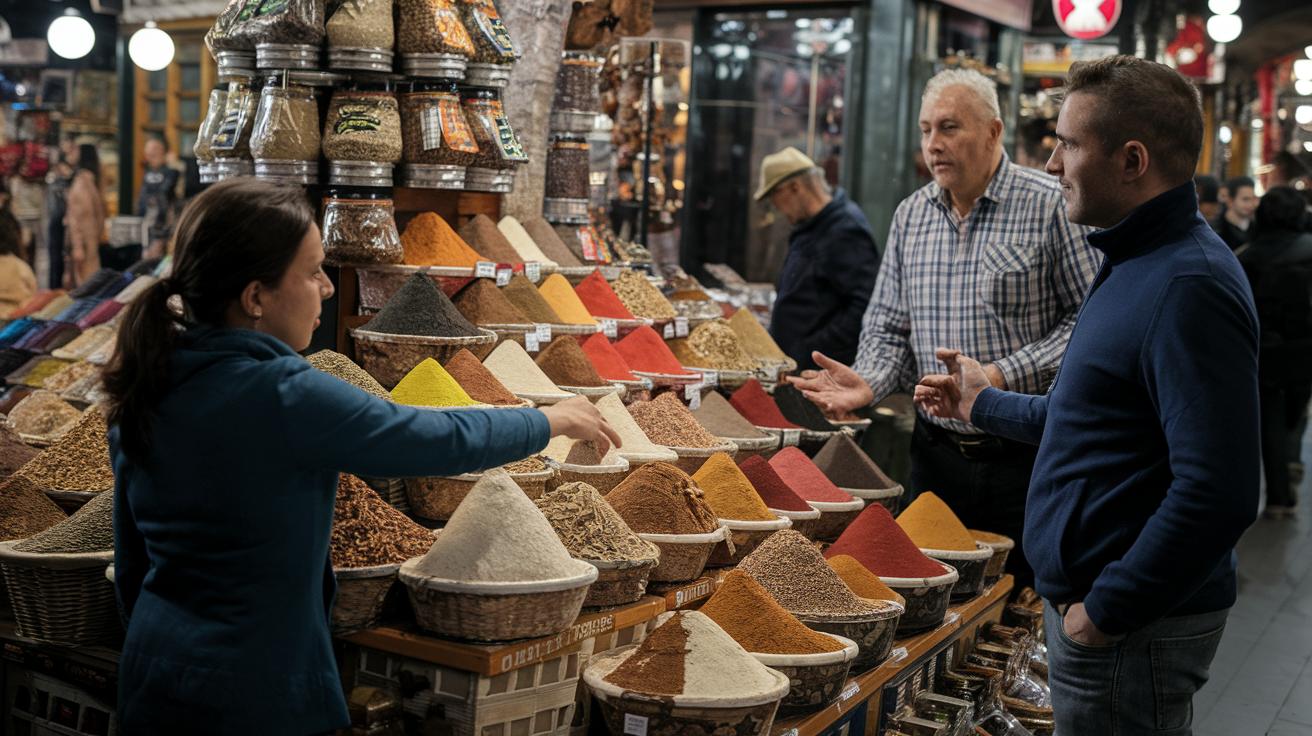
Across the world, every local market tells a vibrant story of its people and history. When you read honest reviews, you feel the heartbeat of each community in every street.
Whether it’s a time-honored trading route or a lively modern bazaar, these spaces are much more than places to shop, they’re living pieces of heritage. Stepping into these markets is like flipping through a photo album where every stall and alley has its own tale.
In parts of the Middle East and Asia, markets buzz with energy and tradition. Imagine strolling through Tehran Grand Bazaar, with over 10 km of winding alleys and spirited haggling echoing old customs. Think of the captivating Vakil Bazaar in Shiraz and Isfahan’s storied Grand Bazaar, both whispering secrets of the ancient Silk Road. In Istanbul, you’ll find a mix of experiences: one moment, the famous Grand Bazaar welcomes visitors, and the next, the Spice Bazaar charms you with its fragrant lanes. Nearby, Abu Dhabi’s Carpet Souk sparkles with hand-woven treasures, while a bustling fish market run by Indian traders serves up ocean delights that feel authentically local.
Head over to Asia, and you’ll find Shanghai’s Wangshan Birds & Insects Market and Hongqiao Flower Market brimming with life. These spots overflow with a curious mix of plants, animals, and antiques that tell stories of centuries-old trading. In India, markets like Sardar in Jodhpur and Delhi’s Chandni Chowk burst with vibrant spices and street foods, inviting you to taste a rich, historical tapestry of flavors.
Then, journey to Europe where traditional markets offer a delightful sensory feast. In Provence, the Cavaillon Monday Market fills the air with hints of lavender and olives, while Rome’s Mercato Trionfale and Barcelona’s La Boqueria charm you with fresh produce and classic trading traditions that have stood the test of time.
Insider Tips for Authentic Local Market Reviews
Exploring local markets is as much about practical insights as it is about soaking in the vibrant local life. A few friendly steps, chatting with vendors about where they source their treasures, tasting an array of standout flavors, snapping some photos, checking out the stall setups, and even noting nearby parking spots (like the free zones at Windward Mall), can turn a routine visit into a delightful discovery.
Talking with vendors feels like catching up with a neighbor. Ask them something like, "What makes your product special?" Their stories unfold like local legends, revealing both passion and quality. It’s a simple way to get the real scoop on what makes the market tick.
Next, jot down little details with photos, notes, and even timestamps. A quick clip of the produce looking fresh, a brief note on how the stall is arranged, or the operating hours (for example, Gwangjang's food scene comes alive from 8:30 AM until late) all serve as little pieces of your market adventure. Imagine it as collecting snapshots of your day out!
And while wandering around, why not compare prices? If you come across a dish like Yukhoe Bibimbap priced at 9,000 won, it can serve as a handy reference to check which booth gives you extra value. It’s like piecing together your own mini guide that balances cost and quality.
Each of these friendly tips adds a personal touch to your review and helps fellow explorers feel more confident when they set off to experience their own market adventure.
Real Shopper Experience Reviews of Local Markets
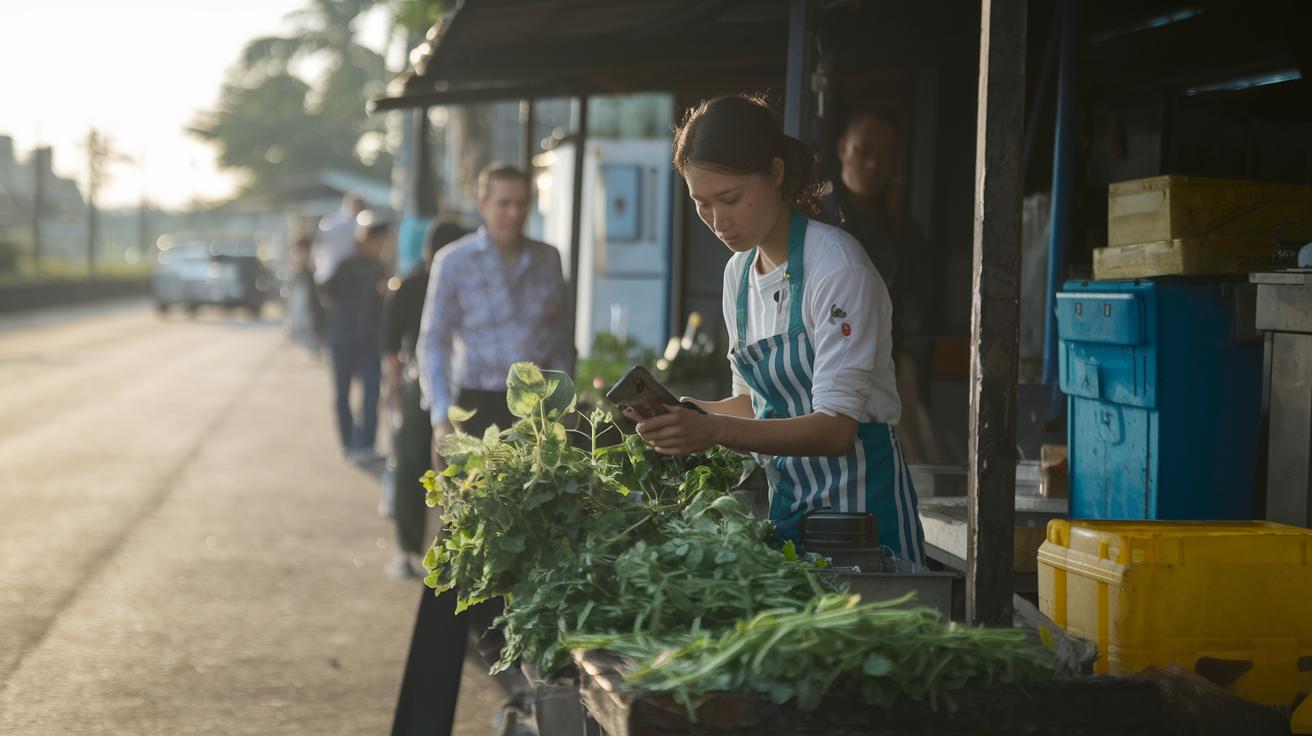
At Riverfront Market, a visitor shared how the warm, savory scent of grilled seafood mixed with the cool evening breeze. It’s a sweet reminder that trying a few small, daring bites can uncover the market’s hidden flavors.
Over at Eastside Artisan Market, a group of young shoppers stumbled upon a playful art display cleverly integrated into the stalls. This surprise gave them a peek into fresh, modern styles that are really catching on these days.
For instance, there's a charming tidbit about chef Lina. Before she was famous, she spent early mornings gathering herbs at her family’s roadside stall, little moments that quietly shaped her unique flavor.
At City Plaza Market, a retiree enjoyed a conversation with a longtime produce seller who revealed insider secrets. The seller even mentioned a rare fruit jam that only makes its appearance for a brief time each year.
Final Words
In the action, this guide traced the careful review process from assessing vendor reliability to noting produce quality and cultural tidbits. A look at markets from Seoul to O’ahu brought fresh insights and honest observations into view.
Each section offered clear steps and practical tips, ensuring readers get a down-to-earth take on authentic local market reviews. The shared examples and criteria help you enjoy markets with confidence, ready to spot what makes each one uniquely memorable.
FAQ
Is selling at farmers markets worth it?
The inquiry into farmers markets suggests that selling there can foster meaningful customer connections, offer direct feedback, and create a supportive community network that may boost your sales and overall success.
Where to go instead of Borough market?
The question about alternatives to Borough market points to exploring local venues with authentic ambiance and local fare. Look for markets known for genuine vendor interactions and unique, regional specialties.
What are the goods available in the local market?
The query about local market goods indicates a wide selection ranging from fresh produce and quality meats to handmade crafts and seasonal specialties, all reflecting the unique flavors of the region.
What is the world’s biggest outdoor market?
The inquiry about the world’s largest outdoor market highlights extensive venues like Tehran Grand Bazaar, renowned for its sprawling alleys and vivid exchange of goods that reflect deep-rooted local traditions.