

Have you ever wondered how to stay safe when your bike ride takes you onto tricky roads? When you’re cruising through heavy traffic or caught in a sudden downpour, a little bit of planning can turn a nerve-wracking ride into something smooth and enjoyable.
I’ve learned firsthand that a little preparation can make all the difference. Take a moment to check your route, pack the right gear like a sturdy helmet and bright lights, and don’t forget a small repair kit. These simple steps help set the stage for a day on two wheels filled with confidence and a sense of calm.
Try these bike travel safety tips next time you head out, and enjoy every pedal stroke with peace of mind.
Planning Essentials For Bike Travel Safety Tips
Before you hit the road, take a moment to scout your path. Look for tricky spots like tight intersections or narrow lanes and think about how busy traffic might affect you. It’s a bit like gearing up for a challenging trail, each obstacle you spot is a chance to adjust your plan. For example, if you see a crowded crossroad, decide to ride with extra care, just as you’d check your map before a long ride.
Next, keep an eye on the weather. Check your local forecast and pack some waterproof gear so you’re ready for a surprise shower. I once got caught off guard by a sudden downpour; trust me, bringing a rain jacket and some sturdy pants can really save the day. It’s like glancing up at the sky before stepping out, such a small step can make a big difference.
Then, do some extra homework on your route. Use handy apps or ask locals to learn about quieter paths and roads with good lighting and fewer obstacles. Think of planning your route like having a supportive friend guiding you every step of the way, ensuring you can enjoy your ride without unexpected bumps.
Finally, pack your emergency supplies. Bring a multi-tool, spare inner tube, basic first aid kit, and pump to be ready for any hiccups along the way. This little kit is your safety net that gives you the confidence to handle any mishap smoothly. With these tips in mind, you’re all set for a safe and fun adventure on two wheels.
Gear And Protective Equipment For Expert Bike Travel Safety Tips

Choosing the right protective gear can turn a regular bike ride into an exciting, safe adventure. A CPSC-certified helmet is like your travel buddy, it sticks with you and cushions your head so you can pedal with confidence. And when the sun sets, high-quality lights such as the Knog Blinder 1300 Set come in handy, lighting up your path with a bright 1300-lumen front light and a 150-lumen rear light that make sure everyone notices you in the dim light.
Comfort is key too. For instance, Hestra’s 5-Finger Bike Tour Gloves help ease hand fatigue with their gel padding, making those long rides feel a bit more like a breeze. Similarly, Patagonia Nether Bike Shorts are designed to keep you cozy on those extended journeys with their low-profile chamois padding and handy silicone leg grippers. And don’t forget a simple reflective vest, perfect for those early morning or late evening adventures when visibility is crucial.
| Gear Type | Purpose | Key Specification |
|---|---|---|
| Helmet | Protects your head | CPSC-certified with a secure fit |
| Bike Light | Enhances visibility | 1300-lumen front; 150-lumen rear |
| Gloves | Boosts grip and reduces fatigue | Gel padding and comfortable design |
| Bike Shorts | Keeps you comfortable on long rides | Low-profile chamois padding with leg grippers |
| Reflective Clothing | Improves rider visibility | High-visibility material for low-light rides |
When trying out your gear, spend a little time making sure your helmet fits just right by adjusting its straps until it feels snug and secure. Pair that with bright, reliable lights and comfy clothing that moves with you. Give those gloves a try to feel the cushioned gel inserts and make sure the bike shorts let you pedal freely without any rubbing. And if you’re riding in low-light, consider a dedicated reflective vest to really boost your presence. Investing in top-notch gear not only keeps you safe but also gives you the freedom to enjoy every twist and turn on your ride, turning each challenge into a rewarding part of your journey.
Inspection And Maintenance Routines For Bike Travel Safety Tips
Before you head out on a new adventure, take a quick moment to check your bike. A few minutes of care keeps your ride smooth, your tires pumped to the right pressure, and your brakes ready when you need them most. This way, you can pedal confidently, knowing your trusty bike is set for any twist and turn on the road.
- Look over your tires for any signs of wear and pump them up to the pressure suggested by the maker.
- Give a gentle squeeze to the brake pads and cables to ensure they’re gripping evenly.
- Shift through the gears while applying light pressure to be sure everything moves smoothly.
- Wipe down and oil the chain to keep rust at bay and reduce friction.
- Check the rims and spokes to catch any early damage.
- Make sure the pedals and crank arms are held tight.
- Do a quick scan of the frame and bolts to spot any loose parts or unusual wear.
A short checklist like this builds your confidence and keeps unexpected issues at bay. Regular little tune-ups not only ward off breakdowns but also help your bike last longer. So, invest those extra minutes before you ride, and enjoy every turn, knowing your bike is as ready as you are for the journey ahead.
Route Strategy And Mapping Tools For Expert Bike Travel Safety Tips
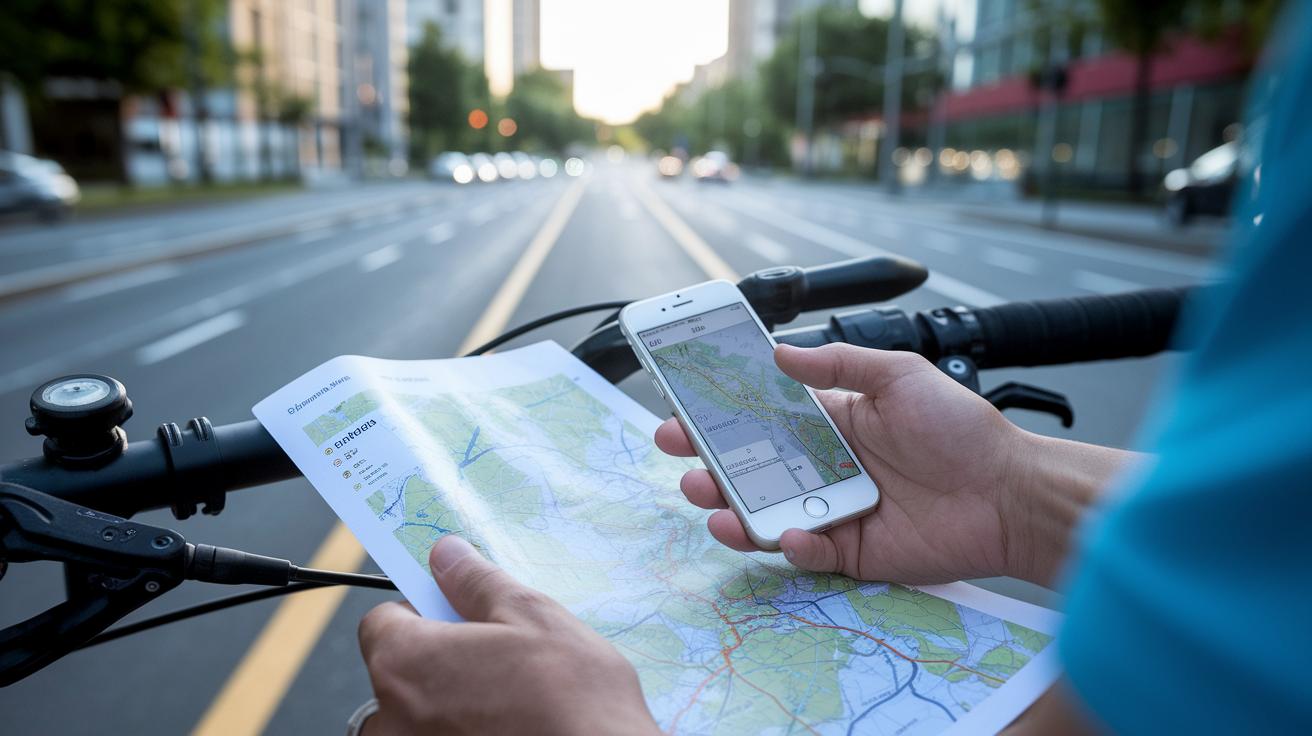
Digital mapping software makes planning your bike route feel like a breeze. These handy tools help you steer clear of busy roads or rough surfaces that might slow you down. Picture this: you enter where you're starting and where you want to go, and the map shows you quieter streets and safer cycling paths. It’s almost like getting a secret tip from a well-traveled friend, giving you the confidence to take every turn with ease.
GPS trackers and mobile apps add an extra layer of support to your ride. They offer clear, turn-by-turn directions while keeping a record of your journey for later review. Plus, they come with real-time weather updates, so if dark clouds start gathering, you might get a quick alert to adjust your route or slow down, just like a friend warning you about unexpected rain on your way.
But hey, technology isn’t always perfect. That’s why many riders like to carry a paper map as a backup. Combining a digital GPS with a trusty paper map ensures you always have reliable info, even if your battery dies or the signal drops. This simple extra step keeps you safe and on track throughout your adventure.
Defensive Riding And Traffic Management In Bike Travel Safety Tips
When you're out riding, think of your bike as a little bubble that needs plenty of room to glide. Keep a safe gap from other vehicles so you have the space to dodge surprises. Look carefully at intersections, it’s like keeping an eye on your chessboard, ready to adjust when another move pops up.
Always use clear hand signals when you plan to turn or stop. For example, stretch out your left arm when you're turning left. This simple gesture makes it easy for everyone on the road to know what you're up to, whether they’re drivers or fellow riders.
If you're riding with friends, chat about your signals before you head out and ride in a staggered line to keep things neat. This way, if one person sees an obstacle, the rest can smoothly follow along without crowding together.
Be on the lookout for anything unexpected, parked cars, suddenly opened doors, or pesky potholes. Slow down sooner rather than later so you have time to steer clear of trouble, keeping every ride as safe and enjoyable as possible.
Visibility And Communication In Expert Bike Travel Safety Tips
Keeping your phone secure while riding makes all the difference. A sturdy smartphone mount lets you focus on the road without fumbling with your device. I recently used the Nite Ize HandleBand Universal Smartphone Mount, which holds my phone tight with a soft silicone strap and a sturdy aluminum base. It blew me away how clear my view was on every twist and turn.
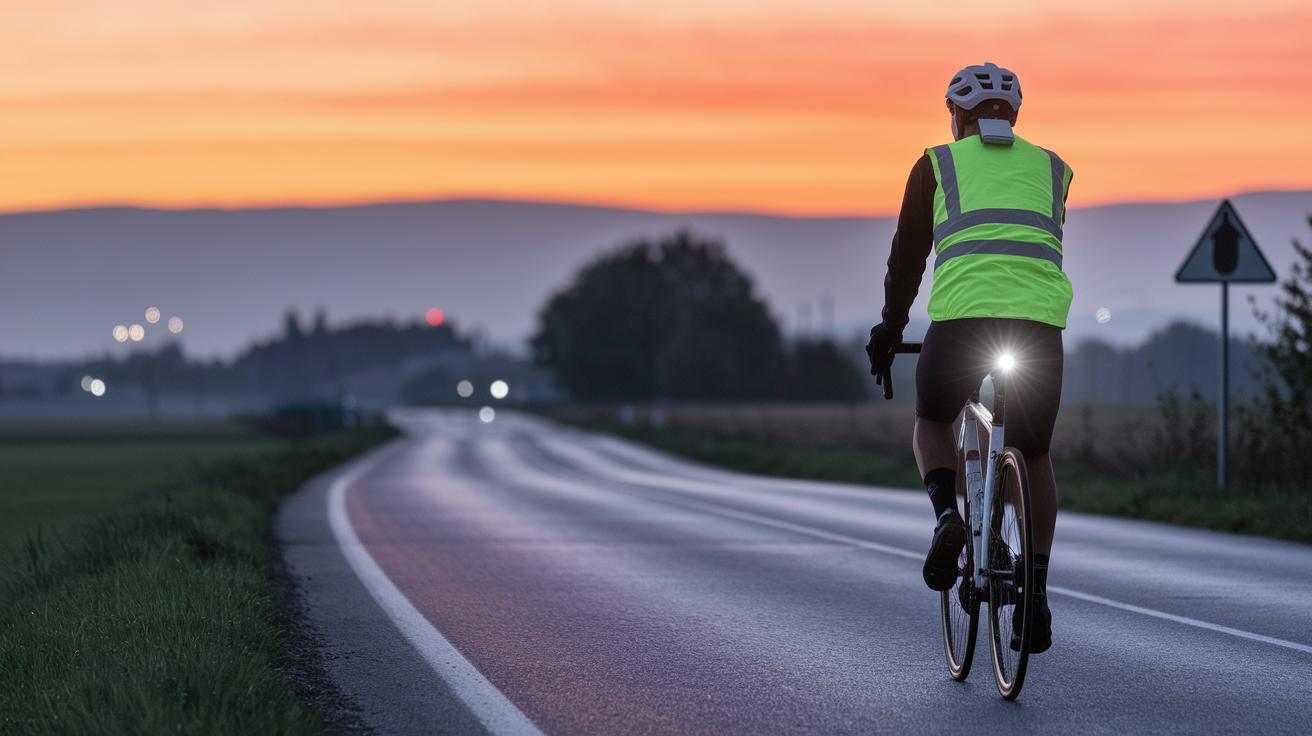
Next, think about adding some reflective gear. A reflective vest or armband means drivers can see you in early dawn or light dusk rides. Even simple touches like spoke reflectors or front and rear lights make your bike stand out. Your ride then becomes a clear moving signal on the road.
Finally, a clear voice alert or a well-timed bell goes a long way. A quick call or ring before you pass can turn a risky moment into a smooth glide. It’s like giving everyone a friendly heads-up, keeping you, pedestrians, and other drivers on the same page.
Emergency Preparedness And Breakdown Response In Bike Travel Safety Tips
When you're out exploring on your bike, unexpected troubles like a flat tire or a minor scrape can pop up any time. A smart emergency plan not only lets you handle these surprises fast but also helps you feel confident riding, knowing you’re ready for anything.
Before you set off, pack a trusty kit loaded with essentials. I always grab a multi-tool, a spare inner tube, a mini pump, and a patch kit (to fix those common bike issues in a pinch). Don’t forget a small first aid kit with bandages, antiseptic wipes, and even a cozy space blanket (great for a little shock relief). With these in your saddlebag, you’re set to tackle most roadside repairs and give yourself some first response care if needed.
Next, take a moment to scout out local bike shops along your route and gather a few emergency contacts. It’s like planning your own mini itinerary, knowing who to call when the fix isn’t a quick one makes a big difference. And sharing your ride plan with a friend or family member gives you extra peace of mind when you’re far from home.
Lastly, keep digital copies of your ID and insurance details on your phone or print them out. This small step can really streamline things if you need medical help or a repair quickly. Enjoy your ride and be ready for any little adventure that comes your way!
Health And Weather Management For Expert Bike Travel Safety Tips
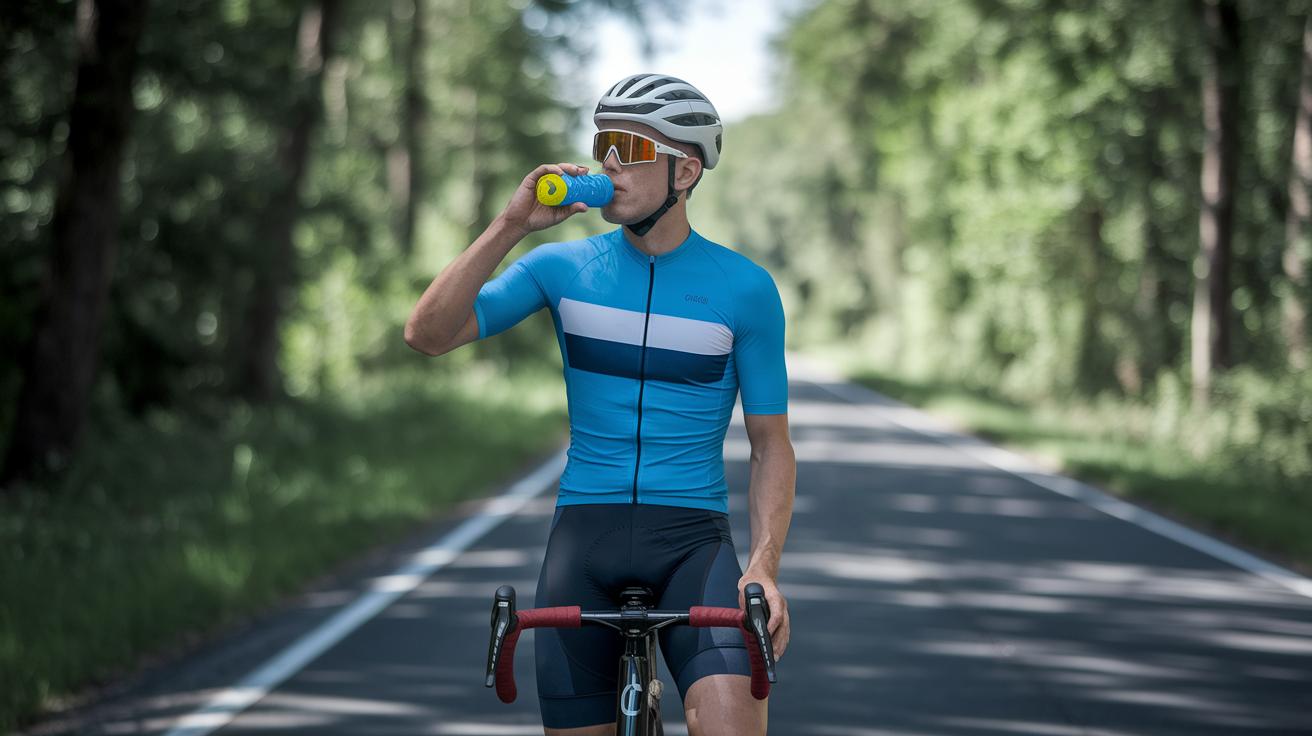
Keep your water bottle handy and drink plenty throughout your ride. I always try to sip 16 to 24 ounces of water or an electrolyte drink each hour (kind of like fueling your car). This routine helps you dodge dehydration and keeps your energy levels up from start to finish.
Pack some light snacks like energy bars or gels to keep your momentum going. A quick bite every 45 to 60 minutes is like stopping for a mini picnic, it helps you avoid that sudden crash and tops off your energy for the next mile.
When the sun is blazing, choose clothes that wick away moisture and take short breaks in the shade. A few minutes under a cool tree can feel like a little retreat, giving your body a chance to relax and recharge.
And if rain clouds start to gather, gear up with a waterproof jacket and light rain pants. These items keep you dry and comfortable so you can maintain your pace even when the weather turns wet.
Final Words
In the action, you've explored detailed planning essentials for safe bike trips, covering everything from careful equipment checks to weather-smart route strategies. Each section offered practical tips, like selecting proper protective gear, performing pre-ride inspections, and using mapping tools to avoid hazards.
This article brings together insider hacks on defensive riding and essential emergency prep. Step into your next ride with confidence and the expert bike travel safety tips that will keep you secure while you hit the open road!
FAQ
What are expert bike travel safety tips for beginners?
The expert bike travel safety tips for beginners advise careful pre-ride planning, proper equipment checks, and practicing basic defensive riding techniques to build safe cycling habits from the start.
What are the top 10 bicycle safety tips?
The top 10 bicycle safety tips suggest wearing a helmet, using lights and reflective gear, obeying traffic signals, checking your bike before riding, and packing emergency supplies to keep you safe.
What bike safety facts and statistics should riders know?
The bike safety facts and statistics show that using protective gear and maintaining your bike can lower injury risks, while safe riding practices significantly reduce accident chances.
What bike safety tips help keep kids safe?
The bike safety tips for kids stress wearing a properly sized helmet, learning basic hand signals, and riding with adult supervision to develop safe cycling skills early on.
Why is bike safety important?
Bike safety is important because it reduces the risk of injury through proper maintenance, protective gear, and defensive riding, allowing you to enjoy your ride with fewer worries.
What role do bike safety worksheets play?
The bike safety worksheets help riders practice essential safety procedures like proper helmet fitting and traffic rules, offering an interactive way to learn and review best practices.
What encompasses bike safety equipment?
Bike safety equipment includes helmets, lights, gloves, and reflective clothing; each item works together to protect you and increase your visibility while riding.
What is the 75 rule in cycling?
The 75 rule in cycling suggests keeping the majority of your ride—up to 75 percent—free from hazards, giving you ample time to spot and respond to potential risks.
What is rule 67 for cycling?
Rule 67 for cycling advises cautious lane changes and overtaking; it emphasizes safe signaling and yielding to oncoming traffic to avoid dangerous encounters on the road.
What is rule 13 in cycling?
Rule 13 in cycling focuses on proper road positioning and signaling techniques, ensuring that riders maintain clear visibility and communicate their intentions to others effectively.
What is the N-1 rule for bikes?
The N-1 rule for bikes refers to maintaining a safe, consistent gap in group riding which allows each cyclist enough reaction time and reduces the chance of collisions.