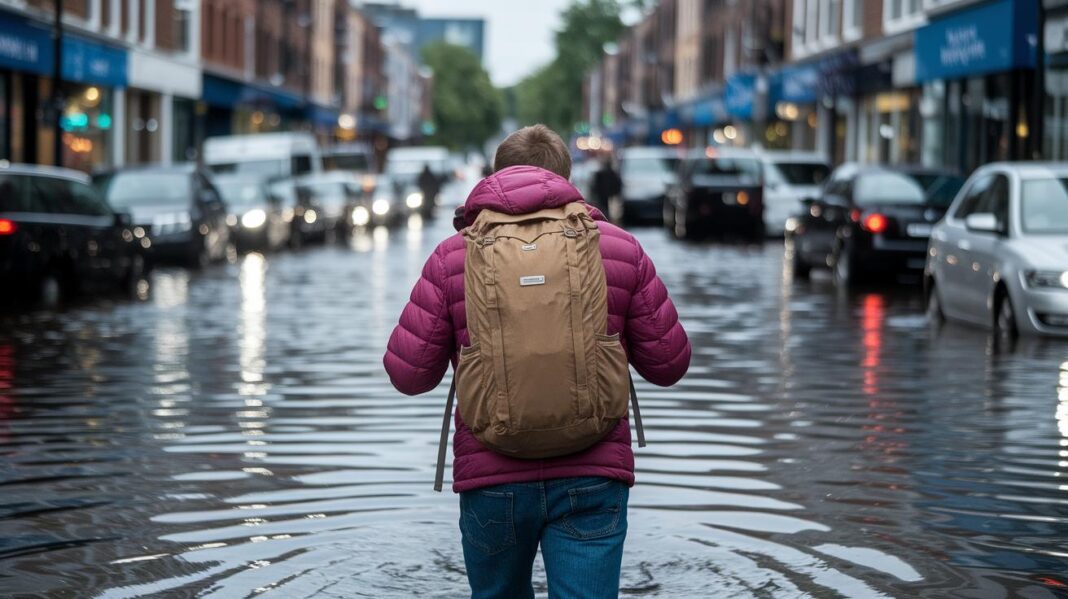

Have you ever wondered if your travel plans are safe when nature gets a bit wild? In a few minutes, the weather can change completely, turning a calm trip into a rush to find shelter.
From hearing hurricane warnings over the Atlantic to bushfire alerts in Australia, it’s clear that staying informed isn’t a choice anymore. More travelers are checking real-time updates and official alerts to know exactly when to change course.
A few extra checks can really help when the weather shifts in an instant. It’s like having a little travel secret that keeps you safe no matter where your adventure leads.
Real-Time Natural Disaster Travel Update: Official Alerts, Current Conditions, and Disruptions
When weather hits hard, everything can change in just minutes. Right now, different parts of the world are on high alert because of natural disasters. In the Atlantic, hurricane warnings run from June through November, and in the Western Pacific, typhoon alerts start in May and last until October. Meanwhile, northern areas face winter storms from November to March, and wildfires in North America and Europe tend to flare up from late spring to late fall. Down in Australia, bushfire worries stretch from October through March.
Many travelers used to brush these risks aside, but things have shifted. Almost 90% now check local political and social conditions before sealing a booking, and nearly two-thirds follow government travel advisories. This change is a sign that people are taking extra care, whether it's for a last-minute flight or a longer stay when times are uncertain.
For real-time updates, you can easily hop online and check local weather stations or official global resources. Sites like travel news today offer the latest alerts so you can adjust your plans as soon as conditions change. When the unexpected strikes, having frequent notifications can be a lifesaver, helping you rework your itinerary or safety plans quickly. Some services even provide 24/7 crisis help, including evacuation support and advice on medical or security issues, sort of like having a travel buddy who's always got your back.
Adaptability is now a key part of travel planning. By staying informed with real-time updates, you can tweak reservations, follow new transit alerts, and stick with the latest official instructions. This kind of flexibility means you're ready to dodge surprises and enjoy safe, worry-free travels.
Seasonal Breakdown of Natural Disaster Travel Update: Understanding Regional Risk Windows

Travel plans often change with the seasons more than you might think. Instead of sticking to a one-size-fits-all timetable, try to see how each period can shape your journey. For example, during busy natural event periods, you may face slower local transport or need to find another way to get around. Keeping up with real-time updates and knowing the seasonal trends can help you dodge surprises. A handy tip is always to have a backup plan ready. Before you set off, check if your hotel provides free transfers in case sudden weather forces flight delays.
Also, pay close attention to local weather quirks that go outside of regular schedules. It might be smart to pack that extra water-resistant jacket or a couple more layers when risks are higher, since every region has its own challenges. These little extras can smooth out your itinerary and help you adapt quickly when conditions change.
Below are key seasonal windows that might affect your travel safety and scheduling:
| Seasonal Window | Time Frame |
|---|---|
| Western Pacific typhoon season | May–October |
| Atlantic hurricane season | June–November |
| Northern Hemisphere winter storms | November–March |
| North American/European wildfire seasons | Late spring–late fall |
| Australia bushfire season | October–March |
When you plan your trip, think about local differences. In the Atlantic, a humid summer might lead to flight delays, while icy roads in colder areas can hold up ground travel. Keep an eye on the latest updates and be ready to tweak your plans for a smoother journey.
Critical Evacuation and Route Disruption Notice in Natural Disaster Travel Update
When a nasty storm throws your travel plans off track, it helps to be ready with more than one way out. Imagine mapping out a couple of exit routes and keeping your phone and emergency apps charged up. Sometimes roads can flood or airports might suddenly close, so having both SMS and a reliable app can really save the day. For example, if you get stuck on a flooded road, a quick text could connect you with local help or guide you on an alternate path.
It also pays to book accommodations and transport with a flexible mindset. Lots of providers now offer refundable options if severe weather messes with your plans. This means if your flight or rental gets cancelled, you can get your money back. Keep a close watch on your travel app dashboards, like Partner Central or Vrbo, and send a quick message for the latest updates. Think about it: if a storm closes an airport, checking your app might let you rebook through simple waiver options.
Next, make sure you follow local alerts and government advice about evacuations. For quick help, the US travel advisory page can be a great reference guide for route closures and evacuation alerts. In true travel style, being prepared means staying informed and ready to change plans in a heartbeat.
| Evacuation Phase | Recommended Actions | Communication Tools |
|---|---|---|
| Preparation | Map out several routes, review refund policies | SMS, emergency apps |
| Alert | Watch road and airport updates | Partner Central, direct messaging |
| Action | Follow local guidelines, adjust travel plans fast | Local alerts, SMS updates |
Safety Measures, Rebooking Options, and Emergency Contacts in Natural Disaster Travel Update
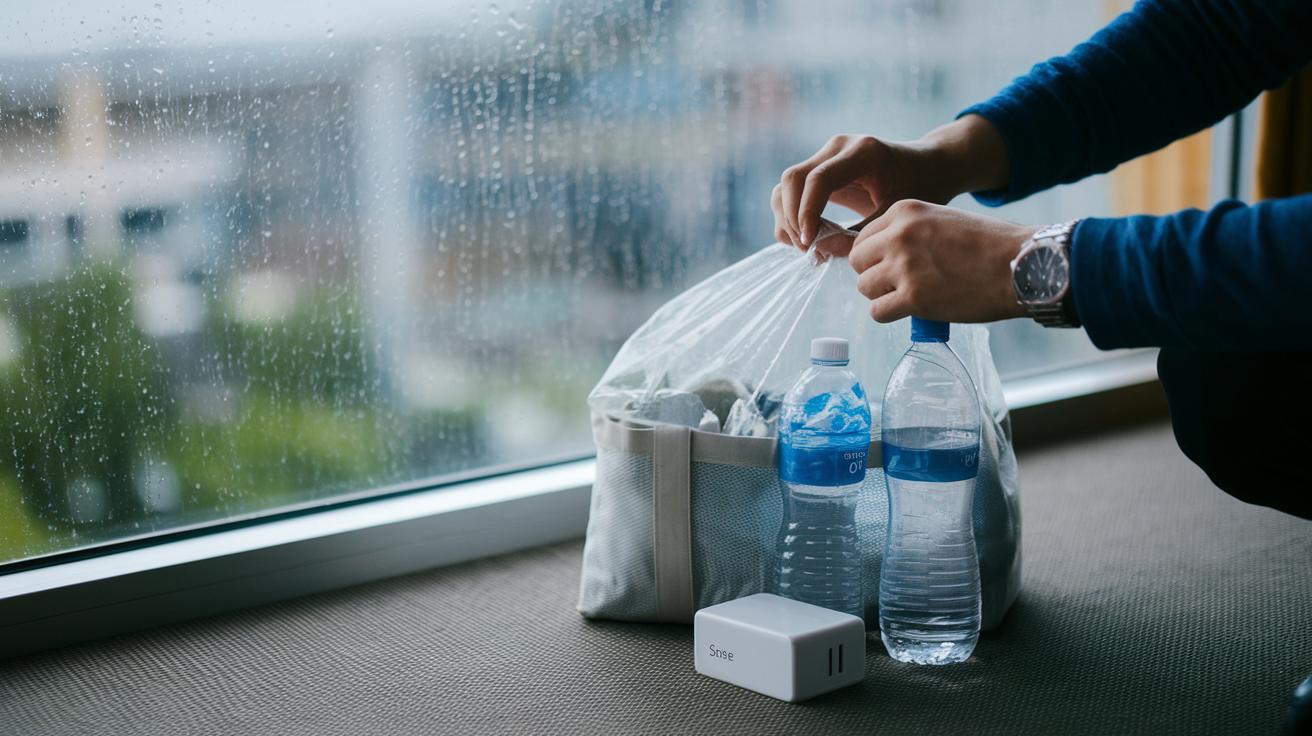
When unexpected weather catches you off guard, having a ready go-bag can be a real lifesaver. Pack a small kit with essentials like water, a flashlight, a portable charger, and basic medications (just the little things that help during delays). Imagine being caught in a sudden downpour with everything you need, it makes a huge difference.
When your travel plans suddenly change, check for flexible rebooking options to ease the stress. Many airlines and hotels now allow you to adjust flight times or hotel stays without extra fees if severe weather upsets your plans. Rental platforms often offer emergency refund policies too, so if a storm stops you from checking in, a quick call can switch your reservation without the usual charges.
Keep emergency contacts handy no matter where you are. Save these important numbers in your phone:
- 911 for the US
- 112 for the EU
- 119 for Japan
And don’t forget to use mobile apps to update your lodging status if conditions change during your stay. This way, you can make smart decisions on the go and stay a step ahead of any sudden natural events.
Industry Adaptations and Risk Management in Natural Disaster Travel Update
The travel world is getting smarter and safer with new technology to help when Mother Nature turns unpredictable. Global Rescue is leading the way by using mobile platforms and AI-powered alerts, which cut down delays and reduce sudden weather disruptions. Before these upgrades, nearly half of unexpected weather events caused major interruptions, but now those incidents have dropped by 25%!
Global Rescue has mixed the best of new tech with hands-on advice from experts. This means that when you need help with evacuations, medical support, or security tips, you get real-time, reliable guidance. Experts say these fresh protocols speed up help and build a stronger safety net for travelers facing severe weather surprises.
Hosts and hotels are also stepping up their game with advanced communication tools that keep guests in the loop during big events. By integrating AI-based early warnings and insights from seasoned professionals, they now provide instant updates and flexible rebooking options. This real-time support makes travel feel a lot less risky, even when the weather turns wild.
Final Words
In the action, we covered official alerts, regional risk windows, and smart travel adjustments when nature steps in. We talked about safety kits, rebooking options, and the extra steps to keep in touch during unexpected events.
Real-time insights, including a natural disaster travel update, help you stay informed while on the move. Keep planning, stay safe, and enjoy every moment of your travels with confidence.
FAQ
What is the natural disaster travel update today?
The natural disaster travel update today provides real-time alerts on severe weather and emergency disruptions, guiding travelers with official resources and current conditions.
What is the U.S. travel ban update today?
The U.S. travel ban update today supplies the latest official details on restrictions and safe transit routes, helping travelers navigate entry requirements and regional rules.
Which countries are on the do not travel list and under high travel warnings?
The list includes countries flagged by state department advisories and CDC warnings, with some nations under level 3 or level 4 alerts due to significant safety issues.
How are travel warnings affecting trips to the USA?
Travel warnings to the USA highlight local and federal alerts on weather emergencies and security concerns, ensuring travelers remain informed about changing conditions.
What does the CDC warning today indicate for travelers?
The CDC warning today emphasizes potential health risks tied to extreme weather and other conditions, encouraging travelers to follow health advisories and safety recommendations.
What do level 3 and level 4 travel advisories mean?
Level 3 and level 4 travel advisories signal high-risk areas with severe incidents, advising travelers to consider postponing visits and to plan extra precautions.
What is the current travel advisory level for the United States?
The travel advisory level for the United States depends on evolving conditions, with updates reflecting current regional emergencies and security concerns as confirmed by official alerts.
What is the Do Not Travel Advisory for Mexico?
The Do Not Travel Advisory for Mexico outlines regions impacted by serious safety issues, advising travelers to postpone visits and check official alerts before planning any trips.