

Ever felt like travel warnings are more confusing than helpful? When planning a trip starts to feel like navigating a maze, the US travel advisory system can be your friendly guide, showing clear signs and simple signals to watch for.
This guide is here to help you plan your adventure without letting alarming news dull your excitement. We explain what each risk level means and share easy tips to keep your journey stress-free. In truth, these insights will help you set off on your road trip with confidence and a sense of wonder.
us travel advisory: Stay Alert, Travel Safe
Ever get that feeling before a trip that you want a little insider info? The State Department’s Bureau of Consular Affairs runs the US travel advisory system, which sorts destinations into four risk levels, from Level 1 (just stick to normal precautions) to Level 4 (maybe skip the trip altogether). They update these levels based on factors like crime, local unrest, health issues, and nature’s surprises, giving you solid tips to plan safely.
Even if you hear alarming labels about foreign terrorism, spots in Mexico like Cancún, Cabo, Puerto Vallarta, and Playa del Carmen usually stay pretty safe day to day. It’s like, even when a warning pops up, many popular tourist areas remain as inviting as ever, so those warnings become handy travel tips rather than cause for worry.
Advisories are refreshed all the time to match current events and local changes, so it’s a good idea to check them close to your travel date. That way, you can decide whether to pack your bag now or hold off until things settle, keeping your adventures well-informed and secure.
State Department Alerts and Current US Travel Restrictions

State Department alerts are sharing fresh tips about border safety, entry rules during health events, and even short-lived transit stops that might affect your US travels. They pop up when things shift, like a sudden illness wave prompting some places to stick with COVID guidelines. One alert even recommended, “Have your proof of vaccination or a negative test handy, as it may be required at borders,” reminding you to be ready for any detours.
Right now, some areas still ask for proof of vaccination or a recent negative test when you travel. It might seem a bit extra sometimes, but these steps help keep the risks down as the situation changes. Next, it's smart to check in on updates before you set off, sometimes a tiny tweak in the rules might change what you need at the border.
There’s also a note about new warnings linked to Mexican cartels being tagged as foreign terrorist groups. Even though popular spots like Cancún, Cabo, Puerto Vallarta, and Playa del Carmen haven’t seen any big rises in violence, these alerts serve as a gentle nudge to stay aware and cautious.
Before you travel, give the latest guidelines a quick look. Who knows? A small change might mean a different entry requirement than you thought. Stay informed, pack a little extra patience, and enjoy your journey knowing you're in the loop.
Government Travel Warnings: Regional US Risk Assessments
Government travel warnings give you a handy heads-up on which areas might need extra care. For instance, the Gulf Coast often warns about hurricanes between June and November, and summer can bring wildfires to various spots. Areas with higher crime rates or civil unrest sometimes pop up on these alerts too. This clear breakdown helps you know what to expect and plan your trip on the fly.
If you’re cruising through the Gulf Coast during storm season, you’re likely to see more warnings. Recently, an alert advised that during the busiest hurricane months, travelers should check local forecasts before setting out. Meanwhile, many inland states typically stick to a safe Level 1 or 2. Still, no area is ever completely without a surprise, so it’s smart to stay updated.
To keep yourself safe, consider these tips:
- Sign up for the Smart Traveler Enrollment Program (STEP) so you get instant alerts.
- Check local news for any major demonstrations or crowded events.
- Always follow public advisories when severe weather or regional issues arise.
In short, the warnings are clear about what to expect based on both region and season. Gulf Coast visitors might face more frequent alerts because of storms, while those venturing inland often enjoy a more relaxed experience. It really pays off to tune into local media and official bulletins, so you won’t be caught off-guard if conditions shift unexpectedly. This tailored approach lets you prepare for potential risks before your trip, and that’s a smart way to explore safely.
Using the US Advisory Mapping Tool for Real-Time Updates
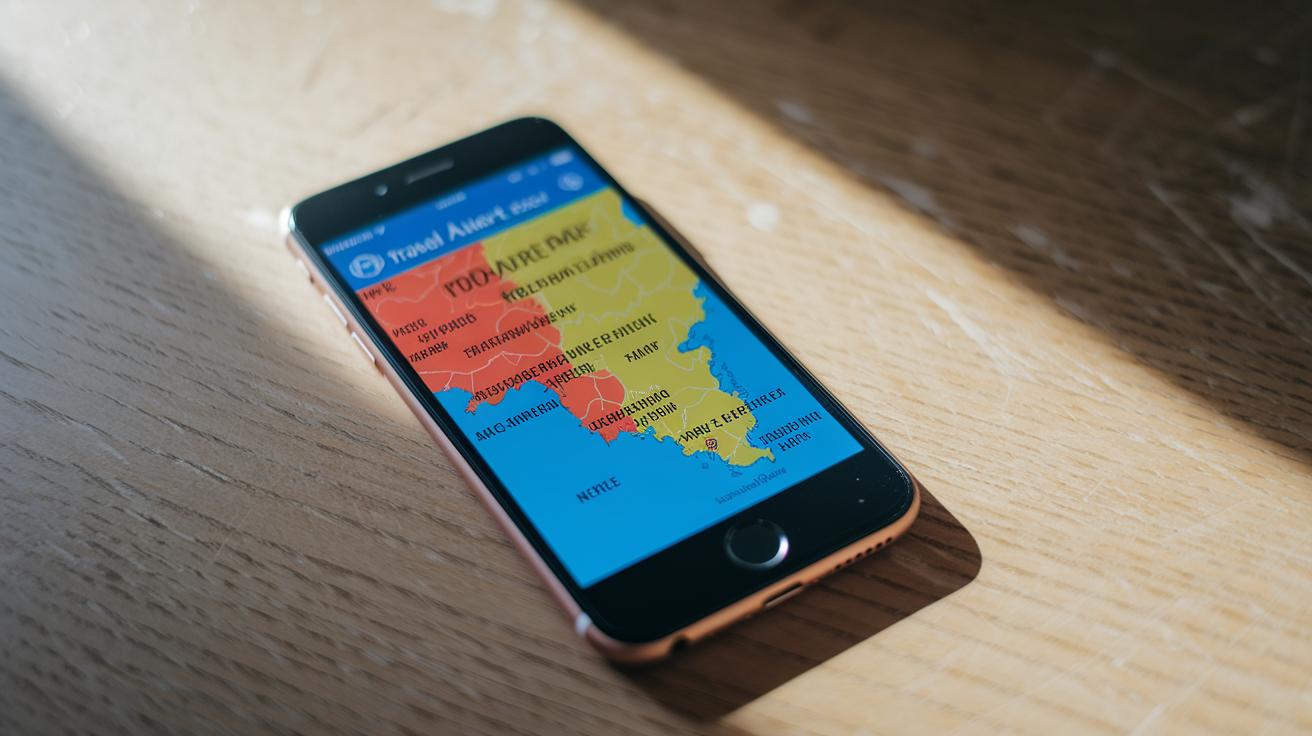
The State Department now has this cool interactive chart that lets you sort updates by risk level, region, or alert type. The info refreshes every hour, so if there’s a natural disaster, a security issue, or a health emergency popping up, you’ll be in the know. One traveler even shared, "I got a quick message about a small incident and managed to reroute on time," which really shows how useful these updates can be!
Using this tool is like customizing your own travel plan. If you’re focused on a specific region, just pick your destination and the map will show its current advisory level. Plus, it sends alerts straight to your email or via RSS feeds whenever things change, keeping you ahead of the curve.
Here’s how you can snag your own set of alerts:
- Subscribe to digital updates so notifications land right in your inbox.
- Filter the map for particular alert types like weather or security issues.
- Check the chart frequently to stay current, rather than relying on one quick update.
| Feature | Benefit |
|---|---|
| Hourly Refresh | Always updated with emerging events |
| Filter Options | Customizes alerts by region and risk level |
Think of it like checking the weather before you head out, quick insights that keep your travel plans flexible and safe.
Real-Time Alert Updates and Emergency Notification Systems
Have you ever signed up for STEP? It’s a handy service that sends you SMS and email alerts about things like wild weather, health warnings, or even evacuation orders. You might get a message that says, “Attention: A sudden weather change means you should check your local shelter info right away.”
FEMA and state emergency systems also offer mobile alerts to keep you informed of unexpected safety risks. One traveler told me they received a last-minute SMS warning that helped them shift plans just in time.
Key action points:
- Sign up for STEP to keep receiving alerts.
- Download local emergency apps for extra updates.
- Always keep your mobile device charged and nearby to get prompt notifications.
Final Words
In the action, we explored how the official us travel advisory system sets clear risk levels, offers continuous updates, and guides travelers with practical, real-time tools. We broke down the key points, from State Department alerts and regional risk assessments to interactive mapping and emergency notifications, that make planning trips both safer and simpler.
The insights shared here remind us that staying informed can transform travel into a smooth, memorable experience. Keep these tips in mind as you head out, ready for new surprises along the way.
FAQ
How can I view the U.S. travel advisory map?
The U.S. travel advisory map highlights different risk levels by country and region with interactive filters, offering real-time safety information to help you plan confidently.
What does the U.S. travel ban update today mean?
The U.S. travel ban update today delivers the latest government notices on travel restrictions and entry requirements, ensuring you have current information for your travel plans.
How does the U.S. travel advisory for Mexico work?
The U.S. travel advisory for Mexico provides guidance for popular spots like Cancún and Cabo, outlining which areas remain relatively safe under everyday travel conditions.
What information is provided in new State Department travel advisories?
New State Department travel advisories update you on security concerns, health alerts, and special entry requirements, offering clear advice to guide safe travel decisions.
Which countries are on the U.S. do not travel list or high alert?
Countries on the U.S. do not travel list are those considered too risky, while high alert statuses are given to regions experiencing significant security or safety challenges.
How are current U.S. travel restrictions communicated?
Current U.S. travel restrictions are communicated through government updates covering safety measures during health outbreaks, natural disasters, and other evolving risks.
What do the U.S. travel advisory levels represent?
The U.S. travel advisory levels range from Level 1 (normal precautions) to Level 4 (do not travel), each indicating a specific risk level to guide your travel planning.
Where is it not recommended to travel at the moment?
Areas not recommended for travel are identified based on updated alerts about severe weather, civil unrest, and health emergencies, directing travelers toward safer destination choices.