

Have you ever wondered if your travel health habits are keeping up with the latest global updates? Lately, health checks and border procedures have been changing fast in many places.
Two fresh updates share simple tips to help you feel more secure when you wander far from home. In tropical spots, safety rules are getting stricter, while Europe has introduced new testing routines.
Next, these changes serve as your travel companion for staying safe on your adventures. A few easy steps are all it takes to turn your next trip into a carefree journey.
Travel Health Advisory Updates: Current Global Notices
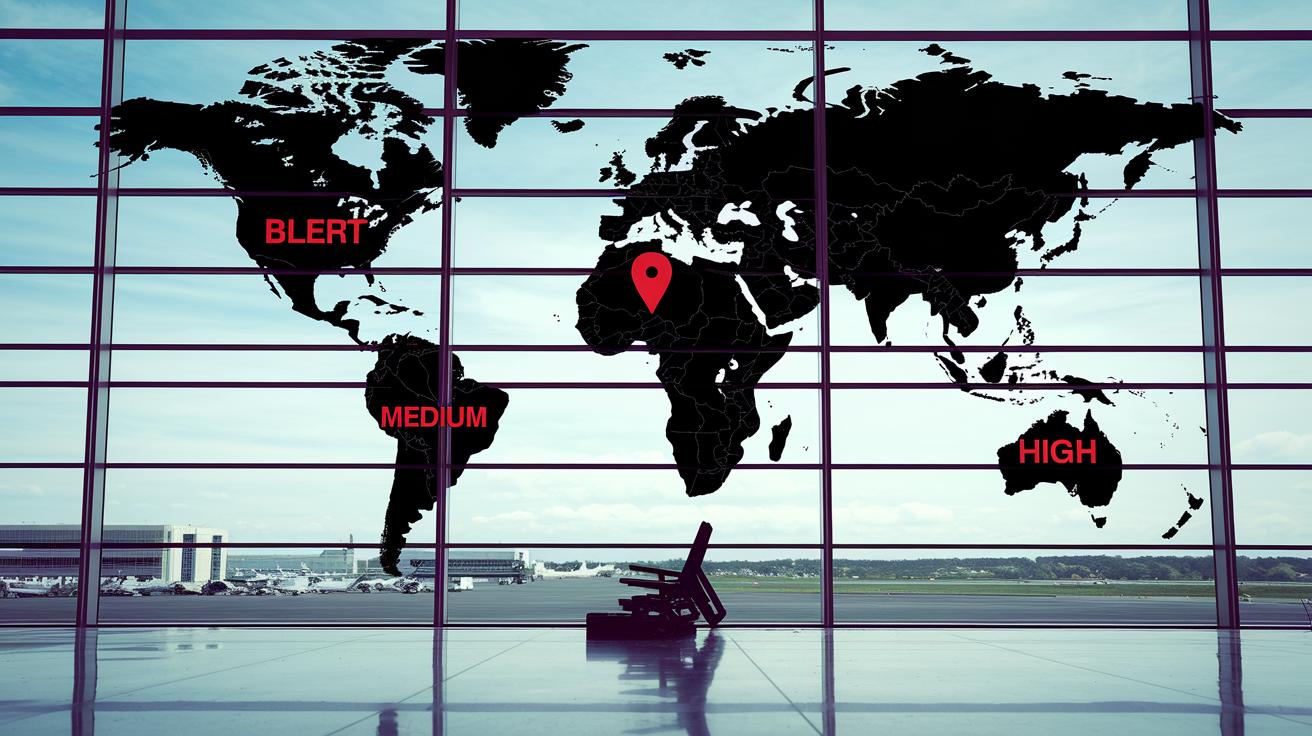
Right now, the CDC has 80 different travel alerts in place (as of March 15, 2024) spread over 55 countries. There are 45 basic alerts, 22 medium-level alerts, and 13 high-level alerts. Think of a basic alert as a friendly reminder to take simple precautions, while the high-level ones signal extra care in areas with increased health risks.
The latest health updates from around the world bring some big changes. WHO International Travel and Health Bulletin #120 shares new tips, like enhanced Ebola screening at West African land borders and tougher cholera control measures in East Africa. In Europe, there’s a worrying comeback of measles, and in Latin America, dengue cases are on the rise, you might even hear advice like, "When tropical regions see a 40% jump in dengue, pack that extra mosquito repellent and stay alert!" These updates remind us that it pays to stay aware of health risks wherever we travel.
Border checks are also changing as the global situation shifts. Today, travelers might experience new testing routines and health checks at borders. In some places with fresh travel restrictions, your health credentials could need an update on the fly. It’s a good idea to check official health bulletins before you head out, so you’re always ready for any surprises along the way.
Travel Health Advisory: International Wellness Alerts & Destination Medical Warnings
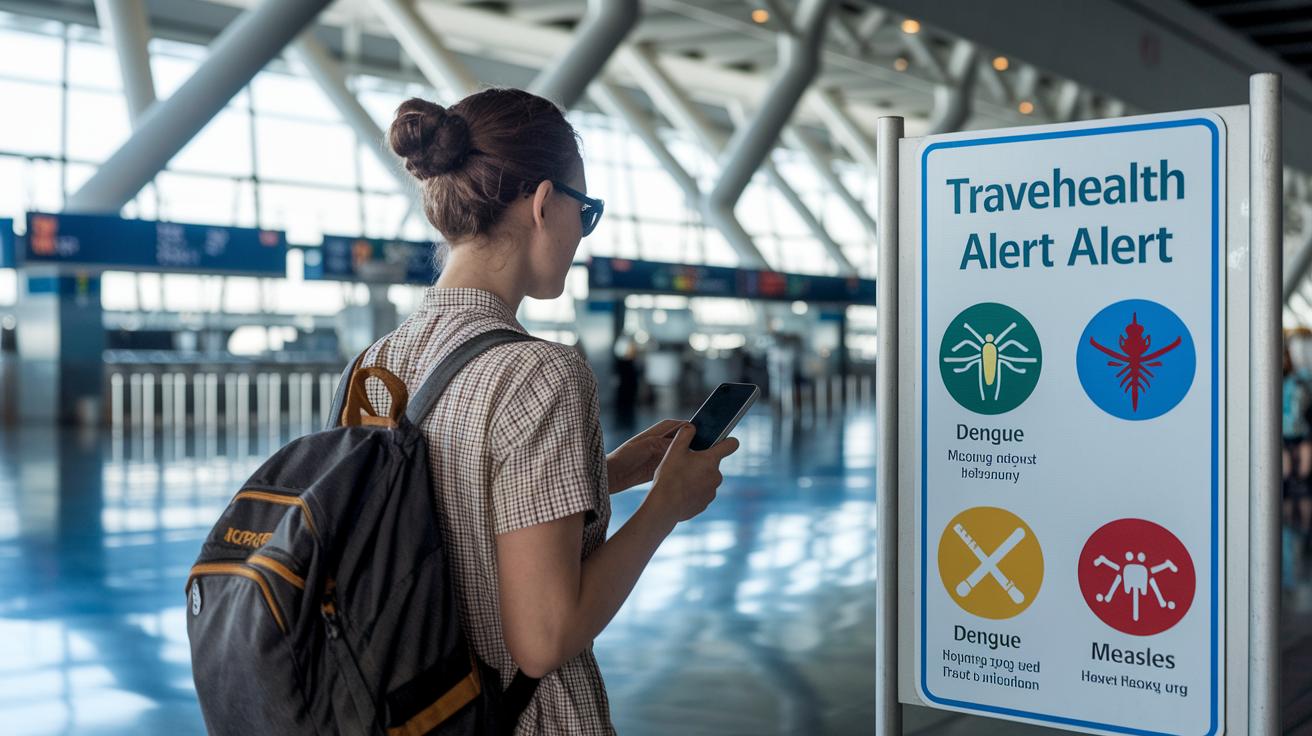
Planning a trip? It helps to know about any health risks along the way. Travel health alerts give you a heads up, offering tips and reminders to stay safe. Organizations like the World Health Organization, CDC, and the EU Health Commission share these tips, including updates on local transit rules (like changes to bus or train schedules) and even nearby medical care.
Here are some key alerts to keep in mind:
- Southeast Asia – dengue: Level 2 wellness alert with a 40% jump in cases compared to last year.
- France – measles: A medical warning with over 1,200 cases reported since January 2024.
- Germany – measles: A warning urging extra precautions.
- Italy – measles: Ongoing updates mean travel plans might be affected.
- Mediterranean resorts – waterborne and foodborne diseases: New EU prevention guidelines are in place.
Staying on top of these alerts lets you tweak your travel plans, ensuring you’re better prepared than just following regular health advice. Checking local policies and transit options can really smooth out your journey during times of changing health conditions.
Travel Health Advisory: Updated Vaccine Requirements & Immunization Regulations
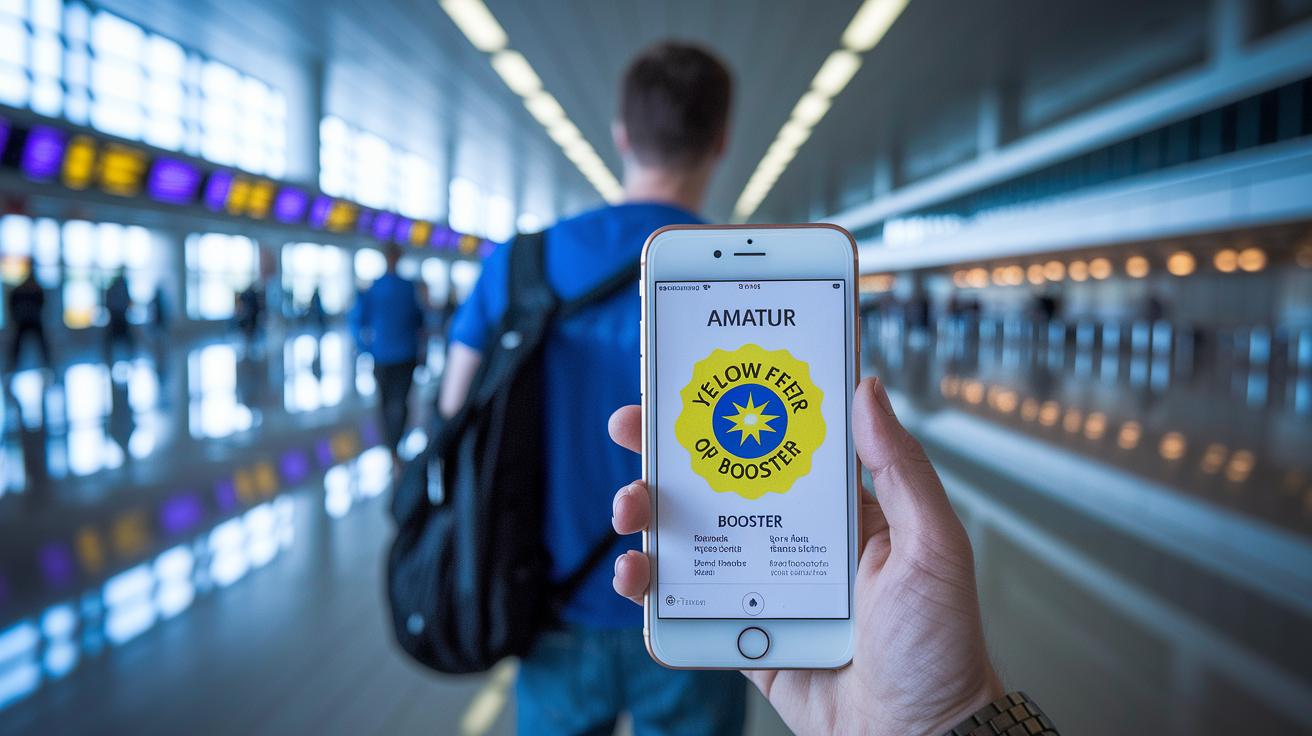
Planning your travels should be as smooth as enjoying the golden glow of a sunset over ancient ruins, and staying up-to-date with vaccine rules is a big part of that adventure. Following these guidelines not only helps you stick to the rules but also keeps everyone you meet safe and sound.
Over in Brazil, they now require a yellow fever shot certificate that’s dated at least 10 days before you set off. Picture this: you flash your certificate at the airport and feel confident knowing your shot of immunity had all the time it needed to work its magic.
Meanwhile, the IATA Travel Pass and similar health apps now support showing your COVID booster status for over 50 countries. This nifty update lets you keep all your vaccination details in one easy-to-check digital spot, making your life, and travel, so much simpler.
In Kenya, things are getting a bit more traditional for those exploring the countryside. If you’re headed to rural zones, you’ll need proper tetanus and typhoid shots from centers approved by the World Health Organization. This extra step ensures that your rural adventures remain safe and medically sound.
Finally, updating your digital health passport is a breeze. Just open your preferred app, peek at the latest health features, verify your records, and scan any new certificates. With that done, you’re all set to dive into your journey with peace of mind.
Travel Health Advisory: COVID Protocol Modifications & Health Screening Notices

Travel updates like these are here to keep you safe while you explore. With new COVID rules, you’ll spend less time waiting and more time enjoying your journey. For example, travelers flying from the UK no longer need to take a pre-departure test if they’re fully vaccinated, which means quicker, smoother check-ins. Other destinations have boosted their arrival tests so that those who haven’t been vaccinated get checked quickly and well. Down in Australia, you’ll notice temperature checks at international arrivals, helping to catch any issues right away. These small tweaks clear up airport confusion and let you relax knowing that current health steps are in place for your protection.
| Region | Protocol Change | Effective Date |
|---|---|---|
| UK | Pre-departure testing removed for fully vaccinated travelers | Apr 1, 2024 |
| Japan | Rapid antigen tests on arrival for unvaccinated passengers | Immediate |
| Australia | Mandatory temperature checks at international airport arrivals | Immediate |
Before you head out, take a moment to review the latest travel rules. Check official alerts or touch base with your travel service to make sure nothing has changed at the last minute. Enjoy your adventure, and travel safe!
Travel Health Advisory: Epidemic Alerts & Regional Outbreak Messages

Hey, travelers, heads up! Recent updates show that global health alerts are on the rise. The World Health Organization just flagged a warning for the Marburg virus in Equatorial Guinea, where they've confirmed 3 cases and sadly lost 2 lives. And the CDC has bumped its warning for Rift Valley fever in East Africa to Level 2. So, if you're planning a trip, keep an eye on local news and official health updates.
Next, here’s a little regional scoop: The Pan American Health Organization is raising alerts for places like Haiti, where cholera is making rounds, and Colombia, where dengue is on the move. If you're heading there, it's wise to pack some extra hygiene supplies and don’t forget your essential medications. Staying informed and prepared can really help you enjoy your journey while keeping safety in check.
Travel Health Advisory: Emergency Evacuation & Crisis Response Advisories

Sometimes, the road gets bumpy, and trusted sources step in with timely advice. When unexpected troubles pop up, agencies like the U.S. State Department, UNOCHA, and even airlines send out updates to help you decide if it's time to change your plans fast. They want you to stay safe by suggesting swift action when things take a turn for the worse.
- For Port-au-Prince, the U.S. State Department has flagged a Level 4 evacuation advisory because of civil unrest. Make sure you check their travel advisory for all the latest details.
- In Sudan, UNOCHA has issued a notice urging non-essential travelers to head out of the area.
- Emirates and Lufthansa are offering flexible rebooking options using emergency waiver codes to help ease your travel worries.
Airlines are focusing on making sudden changes easier by rolling out more rebooking options. Always double-check your flight details and look over emergency waiver policies so you can smoothly adjust your plans as needed.
Travel Health Advisory: Pre-Departure Checklists & Itinerary Risk Management

Before you set off, take a moment to run through a simple health checklist to keep your journey worry-free. Imagine your CDC mPassport app giving you a friendly tap on the shoulder every couple of days to refresh your health certificates, it’s like feeling a cool breeze before a long drive.
A few quick pre-departure steps not only boost your confidence but also prepare you for any unexpected twists along the route. Tools such as the WHO risk assessment matrix help you check local infection trends and available health resources (think of it as your travel weather report for health). Next, consider these key tips:
- Check your vaccine records and boosters.
- Refresh your CDC mPassport app certificates.
- Verify that your travel insurance covers COVID-19 and yellow fever.
- Look up current local infection rates.
- Evaluate the health services available at your destination.
- Confirm emergency evacuation contacts.
- Keep those digital health passport updates current.
- Carry any required proof of immunization.
Final Words
In the action, this article covered the key points on travel health advisory updates from top agencies. We reviewed current alert levels, critical disease bulletins, and fresh vaccine regulations that affect borders and travel protocols. Each section offered clear, practical tips, whether it’s updating your health apps, checking screening changes, or following new requirements for immunizations. With these insights, you’re better prepared to plan your trip armed with honest and useful health tips. Stay safe, and keep exploring with confidence!
FAQ
What do the latest CDC and international travel health advisory updates indicate?
The latest CDC and global advisories report updates on COVID protocols, vaccine requirements, and new health warnings. These updates help travelers navigate risks and follow essential precautionary steps.
How do the travel advisory updates address COVID and new traveling rules?
Updated travel advisories explain new COVID testing, vaccination, and screening rules. They guide travelers in meeting updated safety protocols and adjusting travel plans based on current public health guidelines.
What countries are at Level 3 travel warning according to current advisories?
Current advisories list 13 countries under Level 3 warnings, indicating high-risk conditions. Travelers should consult official resources for detailed, timely guidance if planning to visit these destinations.
How are CDC travel vaccines by country determined and recommended?
The CDC provides vaccine recommendations based on destination-specific risks. These guidelines list required immunizations and preventive measures for each country, helping travelers prepare properly for regional health risks.
What are the travel advisory levels in the US?
US travel advisory levels range from minimal alerts to high-risk warnings. These levels indicate conditions based on security and health risks, enabling travelers to assess and manage potential challenges before departure.
What are the four most common travel illnesses?
Common travel illnesses include travelers’ diarrhea, respiratory infections, malaria, and dengue fever. Preventative measures like vaccines, proper hygiene, and safe food practices can lower the risk of these conditions.