
Have you ever thought that a little planning might bring extra thrill to your backpacking adventure? A well-mapped itinerary gives you a clear idea of each day’s trail, rest stops, and supply spots, all while keeping some room for those delightful surprises along the way.
Imagine setting off with a plan that guides you through each step, yet still lets you embrace the unknown. In this post, you’ll discover three expert-approved routes that show how a smart plan can elevate any trek into an unforgettable experience.
Get ready to lace up your boots for trails that mix practicality with a true sense of adventure!
Ready-to-Use Curated Itineraries for Backpackers
Ready for an adventure? Here are three expert-approved itineraries you can use right away. Each plan gives you daily mileage, time estimates, and stops for supplies so you can hit the trail with confidence.
First, the French/Swiss Alps Haute Route offers a 12-day trek through rugged mountain paths. You’ll walk roughly 10 to 15 miles each day, enjoy breathtaking views, cross cool mountain passes, and take planned camping breaks. Plus, you'll stop at alpine huts to refresh your supplies. Imagine feeling the crisp mountain air and hearing the crunch of snow as you make your way.
Next, the Galapagos Dive-and-Trek Loop takes you on a 5-day journey that mixes walking with underwater adventures. You'll cover about 10 to 12 miles daily and have set dive stops to wonder at vibrant marine life. Resupply moments help you stay on track without overspending. Picture yourself snorkeling among colorful fish before unwinding under a starry sky.
Finally, the Banff Ski-Trek at Sunshine Village is perfect for a quick burst of excitement. Over 3 days, you’ll travel roughly 10 miles per day, swapping between skiing and guided treks. This plan even includes gear check-points and cold-weather tips to help you transition smoothly from snowy slopes to scenic trails. Imagine gliding through powdery snow by day and curling up by a cozy campfire at night.
Each itinerary is designed with clear distances, resupply stops, and fun details to ensure your backpacking adventure is as smooth and exciting as you dream.
Budget-Focused Backpacker Itinerary Creation
Imagine setting aside just $30–$50 a day and still soaking up every moment of your adventure. With that small budget covering your stay, food, and transport, every expense becomes a little victory. Ever thought a modest daily plan could turn a remote hike into something as delightful as a luxury retreat? Try using inventive trekking itinerary ideas that snugly align with your spending limits.
Start by choosing smart, wallet-friendly options. Pick hostels where you can share a communal kitchen (a perfect spot for cooking on a budget) and grab local transit passes for short trips. And hey, signing up for cheap-flight alerts can really stretch that dollar further. For longer journeys, mark out food resupply spots on your map to dodge the extra cost of lugging heavy backpacks. Testing your gear with a quick trial hike can also save you from unexpected baggage fees later on.
Here are some travel tips to keep your itinerary light and efficient:
- Choose budget lodgings with communal kitchens.
- Use local transit systems for everyday travels.
- Set mini checkpoints during your trek to review your expenses.
- Schedule resupply stops at local markets.
These cost-smart strategies mix careful expense tracking with a touch of savvy planning, making your backpacking trip both achievable and fun. For even more budget-saving tricks and detailed tips, check out an expert guide on travel planning. Enjoy creating your own adventure that feels as natural as chatting with a friend over coffee!
Curated Itineraries for Backpacker Adventures
Are you a backpacker on the hunt for secret routes and personalized travel guides? These plans mix well-known landmarks with local experiences, giving each journey a fresh feel. One trip in Georgia stands out with its charming village vibe and stunning mountain views. Imagine walking through a village where every stone seems to share an age-old tale!
Then there’s a choice of adventures, the Haute Route, the Galapagos loop, and the Banff trek, each offering its own pace, length, and price point to suit your wanderlust.
| Region | Route Name | Duration | Highlights | Estimated Cost |
|---|---|---|---|---|
| Georgia | Svaneti Village Trek | 7 days | Rustic villages, mountain vistas | $450 |
| Galapagos Islands | Galapagos Dive-Trek Loop | 5 days | Underwater exploration, volcanic views | $800 |
| French/Swiss Alps | Haute Route Traverse | 12 days | Alpine passes, cozy refuges | $1,200 |
| Banff, Canada | Sunshine Ski Trek | 3 days | Snowy slopes, scenic vistas | $350 |
Essential Gear and Packing for Curated Backpacker Itineraries
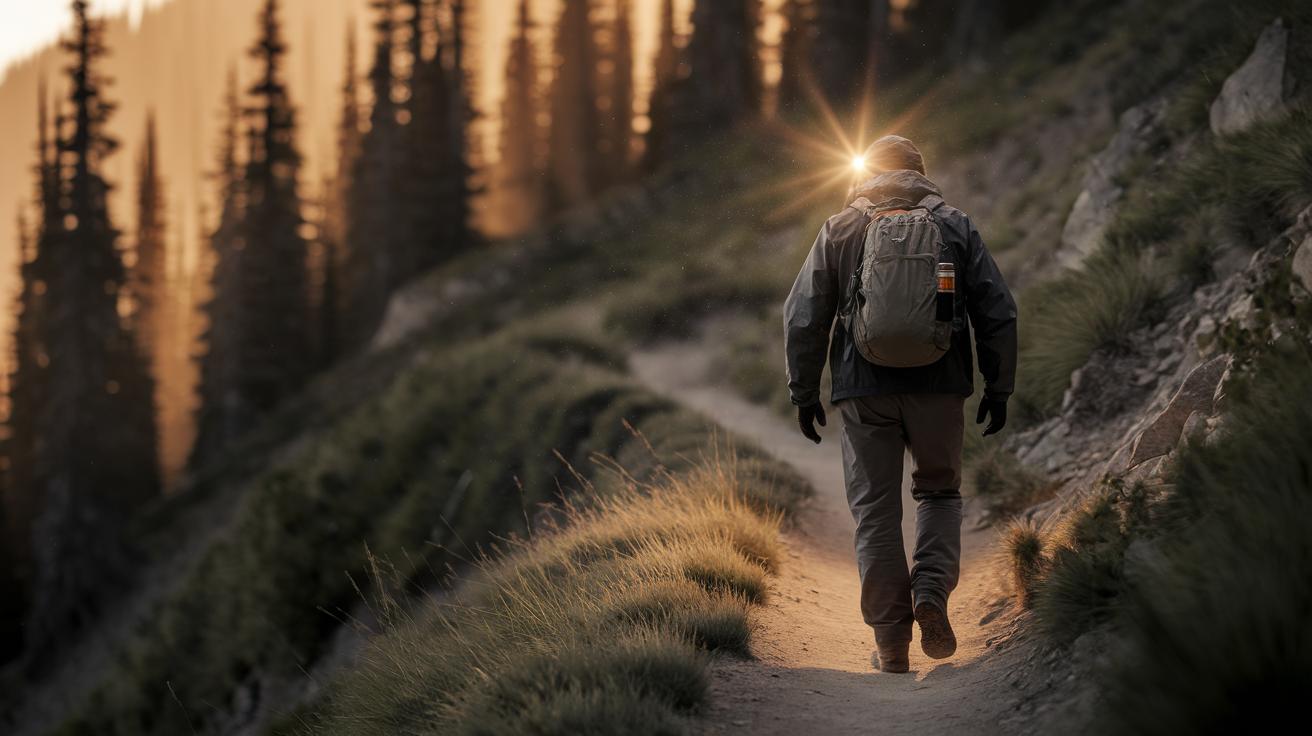
When you're setting out on an adventure with just a backpack, having the right gear can really make or break your day. Think of it like choosing a solid travel buddy who never lets you down. You want things that are tough enough to handle your journey while staying light on your shoulders. Picture a waterproof shell for those sudden drizzles, a trusty headlamp to light up dim trails, a handy multi-tool for those spur-of-the-moment fixes, a neat little first-aid kit for quick scrapes, a portable water filter to keep you safe and hydrated, and extra insulating layers to fend off the cool evenings.
Here’s a quick rundown of the must-haves:
| Item | What It Does |
|---|---|
| Waterproof shell | Keeps you dry when the rain surprises you |
| Headlamp | Lights up your path during those early morning or late night treks |
| Multi-tool | Combines several useful tools into one compact package |
| Compact first-aid kit | Offers quick fixes for minor cuts and scrapes |
| Portable water filter | Makes sure you always have access to clean water |
| Spare insulating layers | Keeps you warm during those chilly nights |
Try doing a practice run with your pack. Fill it with all your gear and take a short walk to see how it feels. This little trial can really help you fine-tune your load, aiming for something around 15 to 20 lbs so that you’re not weighed down. And if you ever think about going over 50 lbs, just remember that keeping it light lets you enjoy the journey even more.
For more tips on picking the right gear and the best way to pack, check out some expert advice online. With a focus on durability and a smart, minimal approach, every trail can feel like a little slice of freedom. Enjoy the adventure and let each step be as light as your spirit.
Interactive Mapping Tools for Custom Backpacker Itineraries
Desktop Itinerary Planning Toolkits
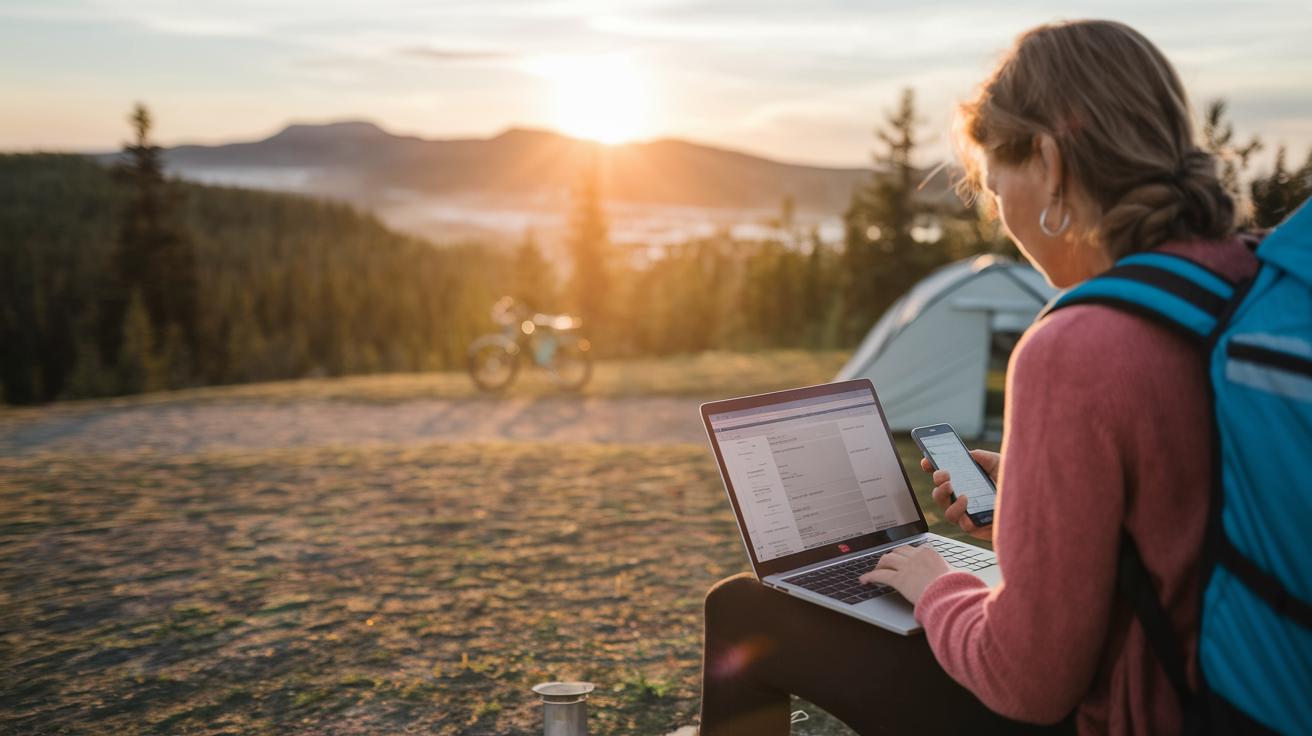
Imagine setting up your daily adventure with a handy tool that lets you tweak your route one day at a time, check out rough cost estimates, and drop in your own waypoints (little markers that guide your path). These toolkits help you map out things like steep trails and time between stops. They even show you a calendar view so you can easily see your planned steps. And sometimes, you can download maps for offline use, so you’re never really lost even when your phone signal fades. I once heard a traveler say, "I added a secret lookout I found on the app, it fixed my route and saved me tons of time!"
Mobile Itinerary Helper Apps
Picture these apps as your mini travel buddy that fits right in your pocket. They give you on-trail GPS navigation, let you share your location live with friends, and even offer offline access to your itinerary (so you’re set even if there’s no signal nearby). This way, you can quickly check your next turn or resupply spot without any stress. For example, you might update your journey on the fly and let your pals see where you are.
Digital Blueprint Services
Then there are digital blueprint services. These are cloud-based tools that lay out your entire journey with real-time weather hints and live updates through API connections (a tech way to get instant info). They’re perfect for keeping an eye on your adventure when you’re planning from afar. Imagine spotting a sudden change in the forecast and shifting your trek in just a few minutes! With these smart, interactive features, your plans stay flexible, keeping every step of your journey as exciting as it is spontaneous.
Local Insights and Safety Tips for Curated Backpacker Itineraries
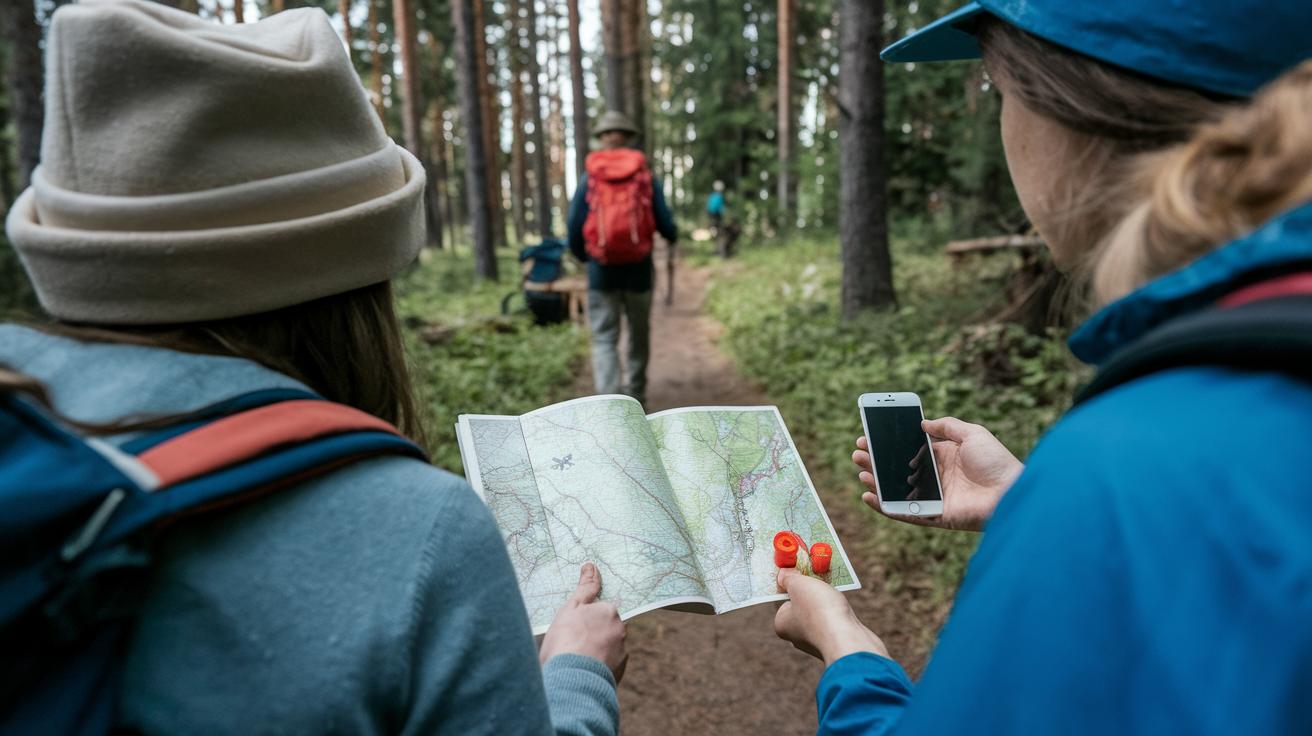
When you set off on a trek in unknown places, always share your plans with a trusted friend. Let them know your route, where you plan to stop, and when you expect to check in. This simple tip is like a safety net if things don't go as planned. One experienced traveler once said, "I always share my plan with a friend so they know exactly where to find me if something goes off track."
Before you hit the trail, pack an emergency kit with a basic first-aid collection, a handy multi-tool, a dependable whistle, and extra batteries for your devices. Adding a personal locator beacon is another smart move when venturing off the beaten path. And do a little research to see where seasonal water sources are available, so you can plan your resupply stops without carrying too much weight.
Don't forget about your travel insurance. Make sure your policy covers outdoor adventures and keep local emergency numbers in mind before you set off. It might help to create a mini reference card with all these details tucked in your pack, ready to guide you if you're in a jam.
As you explore regions rich in tradition, take time to rest and learn about local customs. For instance, in many Asian homes, taking off your shoes before entering is the norm. Enjoying a meal at a guest-house or a homestay can introduce you to the local flavors, and chatting with friendly locals or guides might reveal insider tips on regional dishes and customs.
Before each trek, check the local weather and keep in mind the Leave No Trace principles to help preserve the beauty of the areas you explore. Think of these tips not just as safety measures but as ways to immerse yourself in the local way of life, turning every journey into a truly meaningful experience.
- Share your itinerary with someone you trust.
- Pack an emergency kit that suits your trek.
- Respect local customs for an authentic experience.
Always keep your emergency contacts close and let local insights guide your travels.
Final Words
In the action, this guide laid out ready-made backpacker plans, from detailed itineraries and budget-friendly approaches to offbeat treks and essential gear tips. It walked through mapping tools for planning every step and shared local safety pointers to keep you secure while exploring new areas.
These clear insights aim to make travel planning feel fun and effortless. With curated itineraries for backpacker adventures at your fingertips, your next trip promises fresh views and memorable moments. Enjoy every step along your path!
FAQ
What are the best curated itineraries and routes for backpacking adventures?
The best curated itineraries and routes blend region-focused plans—from Europe to the USA—with detailed daily mileage, key highlights, and smart resupply tips, making them perfect for beginners and veteran travelers alike.
What is the 20% rule for backpacking?
The 20% rule for backpacking means planning for an extra 20% in time or distance to account for unexpected delays or additional rest, ensuring a comfortable and flexible schedule.
What is the ultimate backpacker travel guide?
The ultimate backpacker travel guide offers a complete resource covering planning, budgeting, gear essentials, mapping tools, and local safety tips, letting backpackers hit the trail with confidence.
What are 10 essential items you need to take with you when backpacking?
The ten essential items typically include a waterproof jacket, headlamp, multi-tool, compact first-aid kit, portable water filter, spare insulating layers, lightweight tent, sleeping bag, extra food, and a reliable offline map.
Is 30 too old to go backpacking?
The idea that 30 is too old to go backpacking is unfounded; many travelers enjoy backpacking well into their 30s, finding that maturity enhances their approach to planning and cultural exploration.