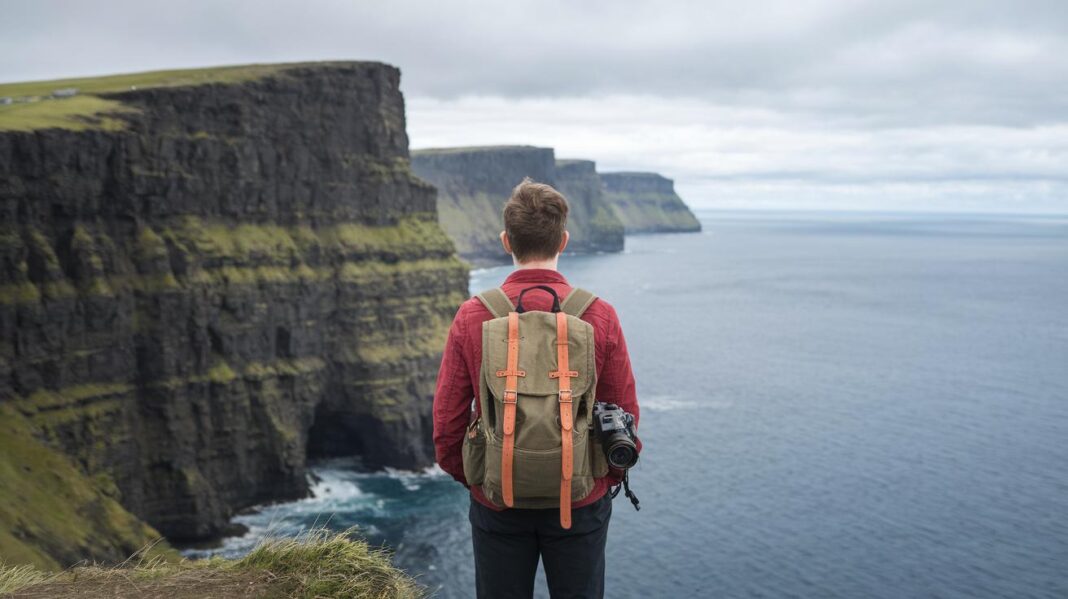

Ever felt like your camera's auto mode steals the magic from your adventures? I definitely did until I learned that a few simple changes to ISO, aperture (the opening in your lens) and shutter speed (how long your sensor catches light) can transform your shots.
After capturing scenes in over 90 countries, I've found that letting your camera settings speak for themselves turns everyday moments into brilliant memories. In this guide, I’ll show you how mixing a pinch of technical know-how with pure curiosity can help you capture images that truly tell your travel story.
Mastering Inspired Adventure Photography Techniques on Travels

When you’re traveling, ditch the auto mode and let your heart guide your camera. Imagine capturing bursts of laughter on mountaintops, the vibrant buzz of market stalls, or the soft flow of a quiet stream. Every picture holds a story, blending genuine moments with a dash of technical magic.
After years roaming through 90 countries, I discovered that tweaking settings can be as exciting as exploring a new city. Playing with ISO (which affects brightness), aperture (the way your lens focuses), and shutter speed (the blink of an eye) turns ordinary scenes into lively memories. It’s like learning a secret language of light.
Frame each moment like you’re painting a mini adventure. Sometimes, shooting from down low reveals intimate details, and other times, a high angle shows off an expansive view of the landscape. Before I slipped into manual mode, I often missed the magic of a perfect sunset because auto just couldn’t capture those warm, shifting tones. Now, every adjustment helps me tell a story as rich as the sunset itself.
So, next time you set out on a journey, mix a little technical know-how with your natural curiosity. Let your photos breathe with emotion and creativity, and watch as each image transforms into a cherished part of your travel tale.
Equipping Your Gear for Inspired Adventure Travel Photography
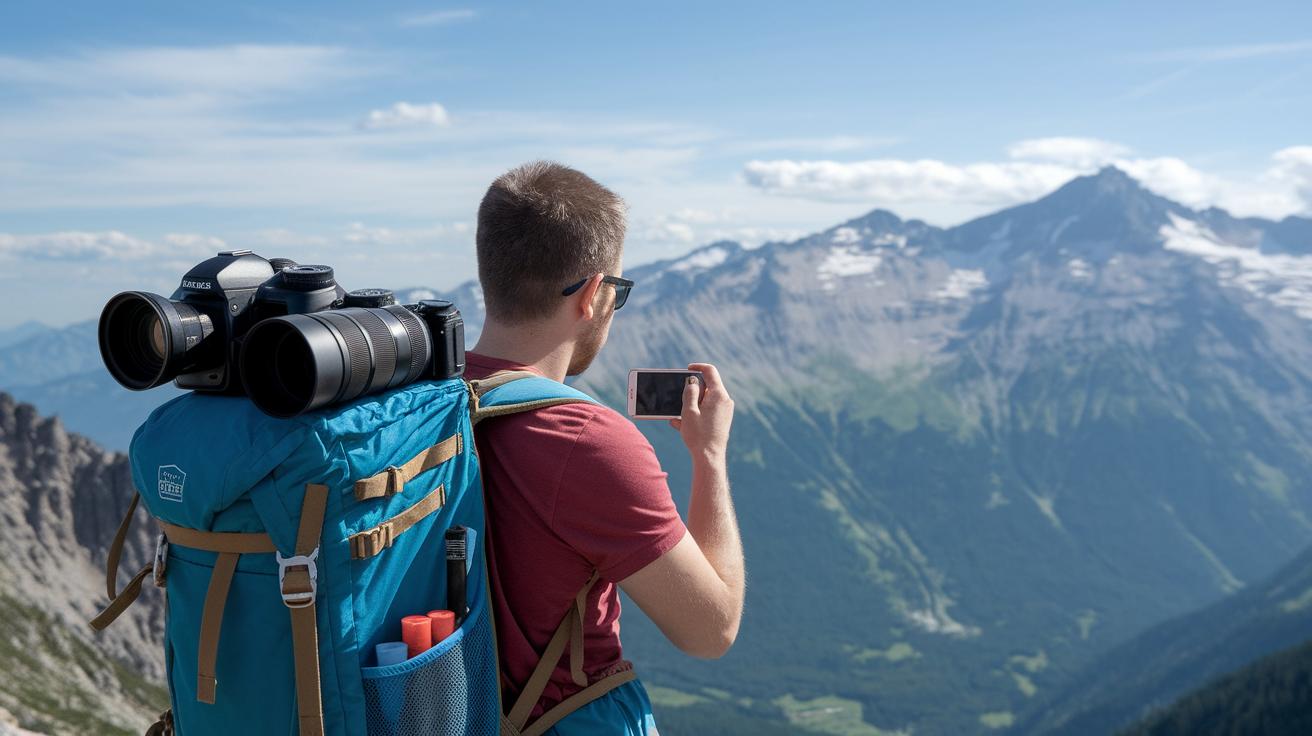
When you set out on your adventure, the gear you choose really depends on your travel style. Whether you're weaving through busy streets or pausing to drink in a breathtaking vista, make sure your equipment matches the rhythm of your journey. The right setup lets you snap those spontaneous moments without weighing you down.
Smartphones and Compact Cameras
For quick, on-the-go captures, these devices are your best pals. They’re super easy to handle and let you freeze a split-second smile or a lively street scene without fuss. It’s like having a mini travel buddy that’s always ready to click!
Mirrorless Cameras
If your trip has a mix of fast-paced sprints and leisurely moments, mirrorless cameras are a smart choice. They deliver excellent quality while staying light enough to carry around all day. You get the freedom to snap a quick street shot or spend a little extra time framing that perfect sunset.
DSLR Cameras
When you’re headed into the wild, exploring low-light corners or catching the magic of night skies, DSLRs are built to perform. They may be a bit heavier, but their robust build means richer details and vibrant images, ideal for planned shoots like wildlife or panoramic skylines.
Here are a few must-have accessories to keep you covered:
- Wide-angle 16–35mm lens for expansive views
- Extra memory cards to hold all your moments
- Spare batteries (especially when it’s chilly)
- Weather cover for both camera and phone to brave any storm
- A padded bag to keep your gear safe
- Remote shutter for those tricky long exposures
- A lens cleaning cloth to keep your shots crystal clear
Keep it simple by packing only what you need. That way, you’re free to wander, discover, and capture every inspired moment on your journey.
Composition Strategies for Dynamic Adventure Photography

Strong composition brings a picture to life, turning a simple click into a vivid story. It’s like inviting a friend to feel that warm sunset glow or the buzz of a busy street. When you frame your shot thoughtfully, you let others experience the same magic you felt. Try little tricks like using the rule of thirds or switching up your shooting height, and watch even ordinary scenes burst with unexpected details.
| Technique | Description | Ideal Scenario |
|---|---|---|
| Rule of Thirds | Place subjects off-center for a balanced look | Landscapes and portraits |
| Leading Lines | Let natural lines guide the viewer’s eye | Trails, rivers, and ridges |
| Motion Blur | Combine slow shutter speed with panning to capture movement | Running, cycling, and waterfalls |
Don’t be afraid to change your viewpoint as you wander. Get up close to feel the texture of an old stone wall or the lush details of green leaves, then step back for a sweeping view that captures the whole vibe. Often, a small shift in angle lets natural elements, like winding trails or flowing rivers, steer the eye right where you want it. And if you love the thrill of movement, try a bit of motion blur to add a heartbeat to your image. Every new perspective you capture makes your photo uniquely yours, full of that unmistakable travel spirit.
Scouting Scenic Locations for Adventure Travel Photography
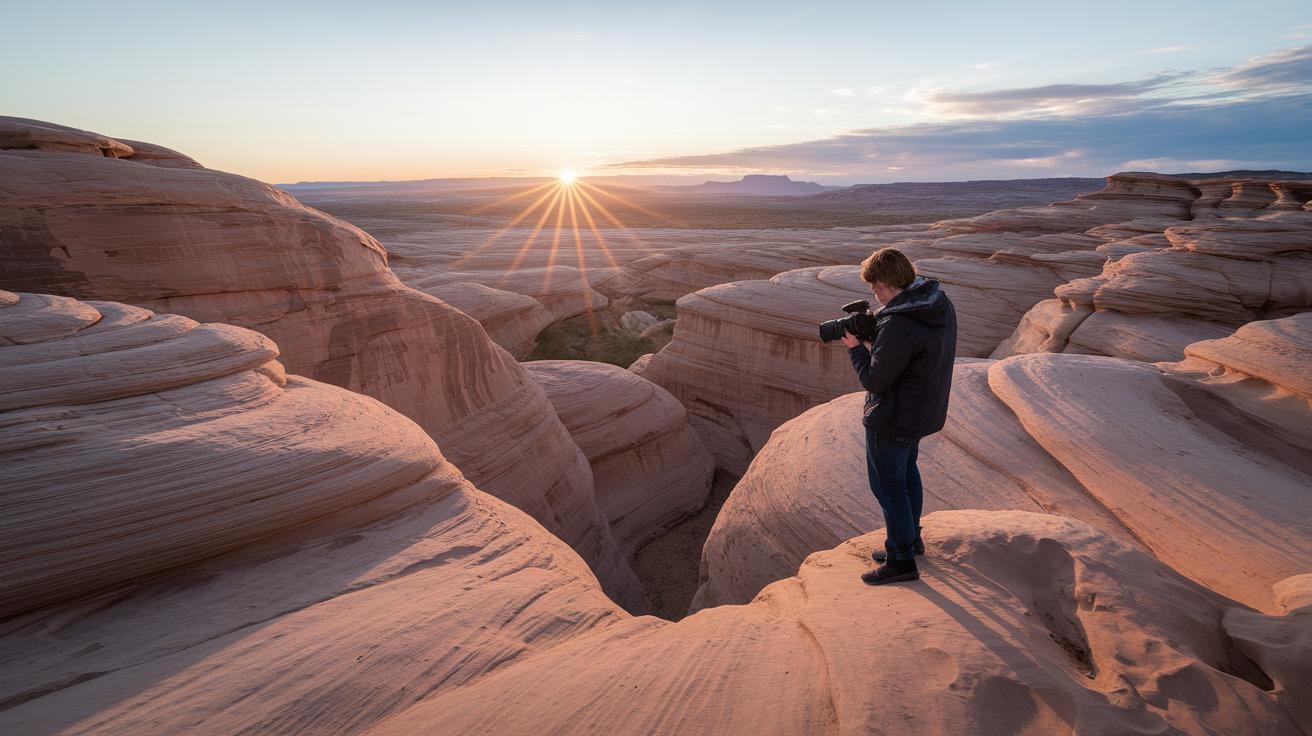
Getting the scoop on the ground can turn an ordinary photo shoot into a true adventure. When you're there in person, local insights and firsthand observations reveal secret views and special lighting that computer maps just don’t show.
Before you set off, use digital tools as a starting point. Check out handy apps, drop by photography forums, and peek at online maps to spot potential viewpoints, access routes, or permit details (basically any rules you need to follow). A quick look at satellite images and user photos might show you where the light meets the landscape perfectly, like a sunrise that casts the terrain in a magical glow.
When you hit the field, trust your intuition. Arrive early so you have plenty of time to try out different angles and see how the light changes from early morning to evening. Walk around to catch various perspectives, and notice any slight shifts in brightness or color as the sun moves. These on-site moments often uncover natural wonders, from gently lit paths to unexpected, dramatic shadows, that make your photos truly shine.
Capturing Action and Motion in Adventure Photography on Travels
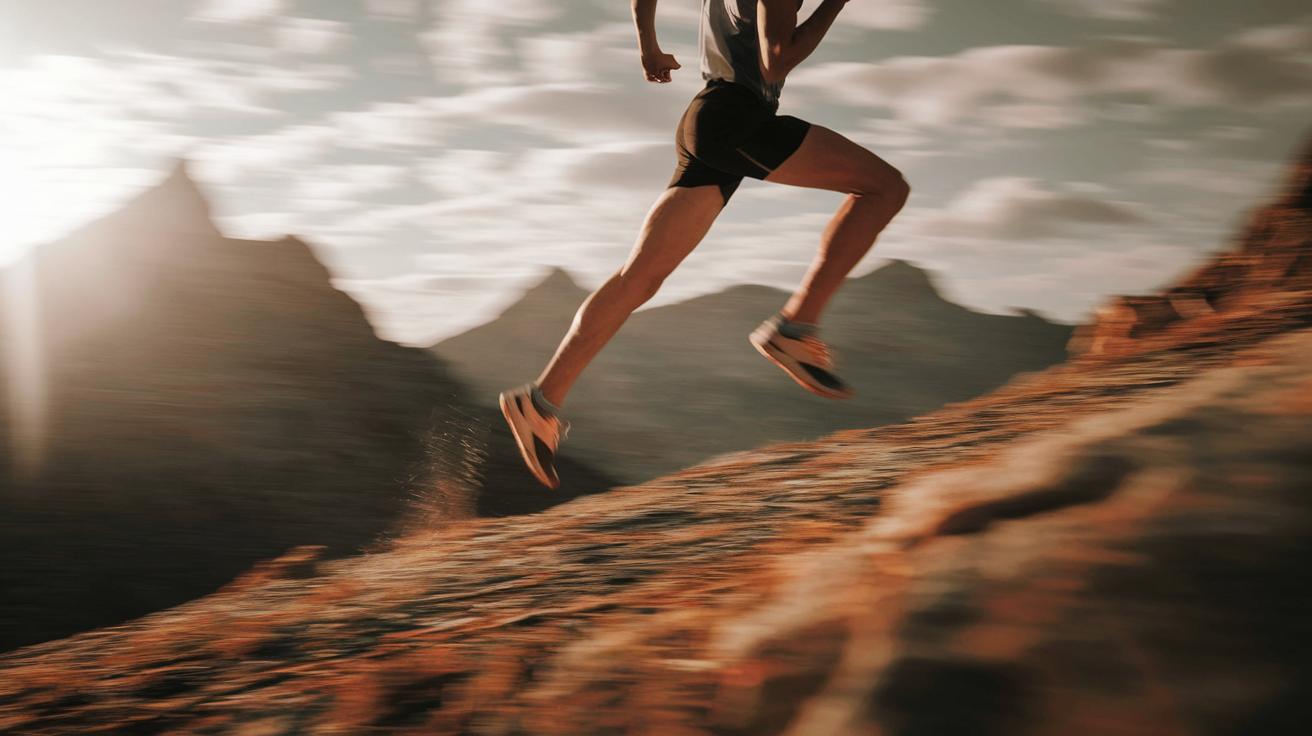
Action photography sometimes feels like chasing a shooting star. You get only split seconds to set everything up before your subject is already speeding past. I always say, imagine where the action is headed and get ready to snap at just the right moment.
For those crisp, clear images, crank your shutter speed up to more than 1/500 sec. This way, even when things are moving fast, you freeze every exciting detail. And if the light changes suddenly (like stepping from sunshine into shade), rely on auto-ISO, it’s like having a little helper adjusting your camera settings in real time. Keep your focus locked on the subject with continuous autofocus so every move is sharp as can be.
Before clicking the shutter, take a quick moment to picture where the action will unfold. Find a sweet spot with a clear view of your subject’s path, almost like planning a mini itinerary for your shot. And don’t forget burst mode; it’s a fun way to capture a few extra frames in case that perfect split-second escapes you. Sometimes, moving along with the action gives you a more dynamic shot, as if you’re right there in the heart of the adventure.
Leveraging Natural Light and Weather in Adventure Travel Photography

Light is the secret storyteller in every photo. Imagine a quiet morning where the soft glow gently outlines a busy street or an evening where the sun's last rays create warm, tender silhouettes. It feels almost magical, like nature lending its own brush to your canvas.
Plan to snap your shots during those golden moments, about 30 to 60 minutes after sunrise or just before sunset. This is when the light is soft and shadows stretch out, adding depth and color to your scene. Try different angles, perhaps a narrow alley or a sparkling lakeshore, and notice how the interplay of light and shadow transforms everyday scenes into visual adventures.
And when the weather decides to play along, let it boost your images even more! Whether it's a gentle rain, swirling mist, or a dusting of snow, these natural elements add contrast and rich hues to your pictures. Just be sure to pack a weatherproof cover to protect your gear, so you never miss that unexpected, magical moment.
Editing Techniques for Inspired Adventure Travel Photography

Editing turns those raw travel snaps into art that feels alive. It smooths out the details, highlights the light, and lets your favorite moments shine. Using tools like Lightroom or Photoshop is like opening a treasure chest full of creative possibilities.
Tuning the basics is like planning a perfect day on your trip. Adjusting the exposure makes sure the sunlight feels just right, while balancing colors brings out the natural vibe of your scene (like the deep greens of a hidden forest). Cropping helps you focus on the moments that really matter, clearing away any distractions. Shooting in RAW gives you a broader range to play with, which makes sneaky fixes like gentle noise reduction or a touch of lens correction work wonders. A simple gradient filter can mimic the changing hues of a sunset, adding a little extra magic.
Then, stepping up the game means trying out more advanced edits. Selective tweaks, like using gradients to brighten just part of your image, let one section pop without stealing the show. Removing unwanted background details gives your subject room to breathe. And when you mix in some tonal grading, your photos start to tell a unified story, no matter where your adventures take you. Experimenting with these techniques makes each image an unforgettable chapter of your journey.
Showcasing Authentic Stories Through Adventure Travel Photography
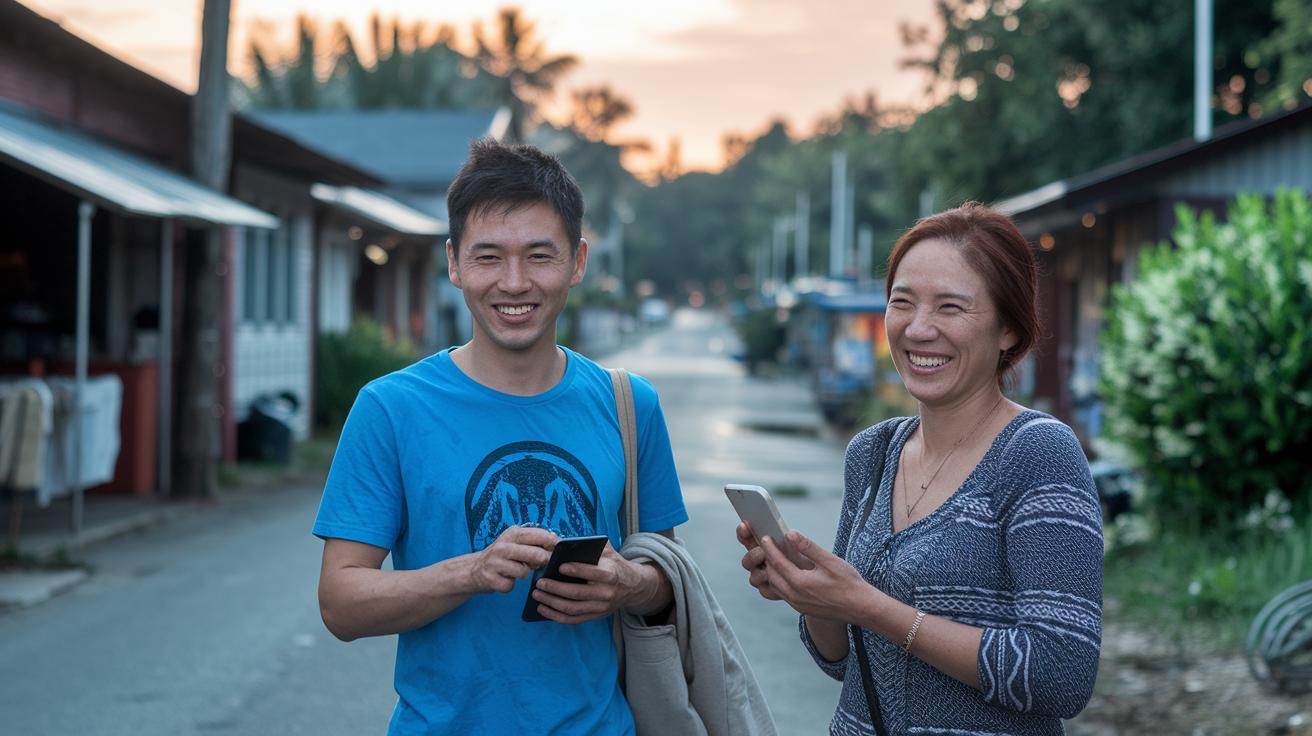
Photography isn’t just about snapping pictures, it’s about inviting others to join your journey with every shot. It captures those heartfelt, real-life moments, like a friendly smile from a local or the buzz of a street market, that let you truly feel the spirit of a place.
Think of your photo series as a travel diary in three parts. Begin with an opener, maybe a quiet village street bathed in soft morning light or a bustling local market where every corner tells a story. Then, show a twist: a candid shot that hints at life's little surprises or a spark of adventure hidden in everyday routines. Finally, wrap it up with a soothing image that brings a sense of calm or celebration, connecting all the moments like chapters in a favorite book.
Remember to ask permission when you’re capturing local faces, you want each interaction to be as respectful as it is genuine. Once your story is ready, share it on blogs, social media, or as a photo essay, pairing each image with clear, friendly captions that guide your viewers through the adventure.
Final Words
In the action, you’ve explored creative storytelling and manual camera control paired with practical gear insights. You learned to frame candid moments, capture crisp action, and plan your shots by studying light and local tips.
This guide blends creative narrative with technical know-how, empowering you to experiment and relish every shot. The inspired guide to adventure photography on travels isn’t just about imagery, it’s about feeling the moment and sharing your real travel story. Keep exploring with a smile and a keen eye for the next unforgettable shot!
FAQ
What inspired adventure photography techniques can I use when traveling?
The inspired adventure photography techniques combine creative storytelling and manual camera control, shifting from auto mode to capture emotion and context. You’ll learn how to frame scenes with candid interactions and dynamic composition.
How do I equip my gear for inspired travel photography?
The equipped gear for inspired travel photography involves choosing devices based on trip style—from smartphones to DSLRs—and packing essential accessories like memory cards and weather covers. This balance helps you capture engaging travel moments.
What composition strategies work best for dynamic travel photos?
The dynamic composition strategies rely on using the rule of thirds, incorporating natural leading lines, and experimenting with motion blur. These methods guide the viewer’s eye and create vibrant scenes in your photos.
How does scouting scenic locations enhance travel photography?
The scenic location scouting enhances your photography by letting you research optimal light conditions and angles using maps and forums. This groundwork allows you to capture images during the best natural lighting times.
What techniques capture action and motion in travel photos?
The techniques to capture action and motion include using fast shutter speeds to freeze subjects, experimenting with slower speeds for panning blur, and shooting in burst mode to predict and seize fast-moving moments.
How can natural light and weather influence travel photography?
The natural light and weather influence travel photography by providing rich colors during golden hours and unique atmospheres in rain or mist. Using a weatherproof gear cover keeps your equipment safe in all conditions.
What editing techniques improve travel photography images?
The editing techniques for travel photography include adjusting exposure, color, and cropping in programs like Lightroom or Photoshop. Advanced methods, such as selective edits and tonal grading, help develop a cohesive visual story.
How do I tell authentic stories through my travel photos?
The authentic storytelling in travel photos emerges by including local cultural details and sequencing images to portray a complete narrative. Sharing these stories via captions or photo essays draws your audience into each moment.