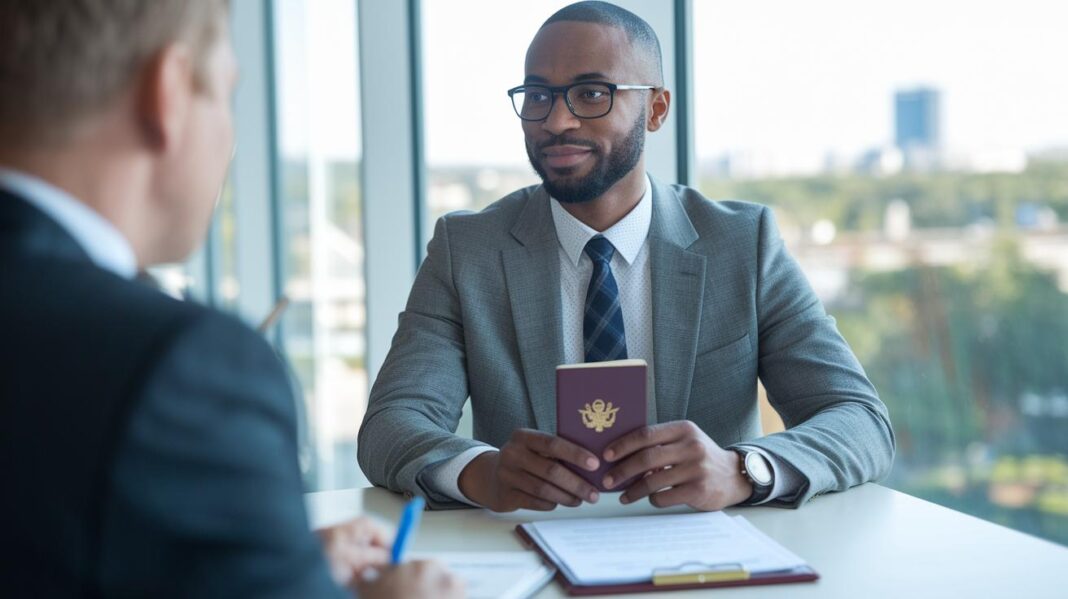

Have you ever thought that a short, prepared answer might be your secret ticket to a great visa interview? Imagine telling your travel plans like a handy tip over coffee and catching the consular officer’s attention in less than ten minutes.
This guide is full of simple, smart strategies that make every moment count (like making sure your story matches your DS-160 form details). You’ll see how keeping your answers clear and brief can showcase your well-mapped journey. With a dash of genuine confidence and careful prep, your visa interview could turn into a smooth, winning adventure.
Expert Strategies for Travel Visa Interview Success
When you head into your visa interview, remember to keep your answers short, sweet, and reliable, almost like sharing a quick travel tip with a friend. These interviews usually run under 10 minutes, so every second is precious when you explain your travel plans, how long you'll be away, when you'll be traveling, and where you'll stay. For instance, if someone asks about your plans, you might say, "I'm visiting for two weeks to celebrate a family event and explore local landmarks." This kind of clear and simple reply leaves no room for doubt.
Time management is key, think of it as crafting your own mini travel pitch. Spend a bit of time practicing a 30-second overview that covers the highlights of your trip and ties back to your everyday life at home. Consular officers really appreciate it when what you say matches your DS-160 form details. Even a small misalignment might make them ask extra questions. For example, you could start with, "I’ve been fortunate to visit several countries and always respect their entry and exit rules," to show that you’re a seasoned traveler who follows the guidelines.
Consider these handy tips to ace your interview:
| Tip | How it Helps |
|---|---|
| Review your DS-160 | Makes sure your details are spot-on |
| Practice concise responses | Keeps your answers clear about work, income, and sponsorship |
| Match every answer | Ensures your travel dates and accommodation details line up |
| Show your home ties | Highlights strong connections like job or property ownership |
| Remain calm and confident | Conveys reliability and trustworthiness |
Mock interviews with a friend can be like a dress rehearsal for your big adventure. This practice not only helps you get used to the rapid-fire questioning but also builds your confidence to answer naturally. Rely on your genuine experiences and personal ties to weave a narrative that reassures the officer you’re visiting temporarily.
Comprehensive Preparation for Travel Visa Interviews at Embassies
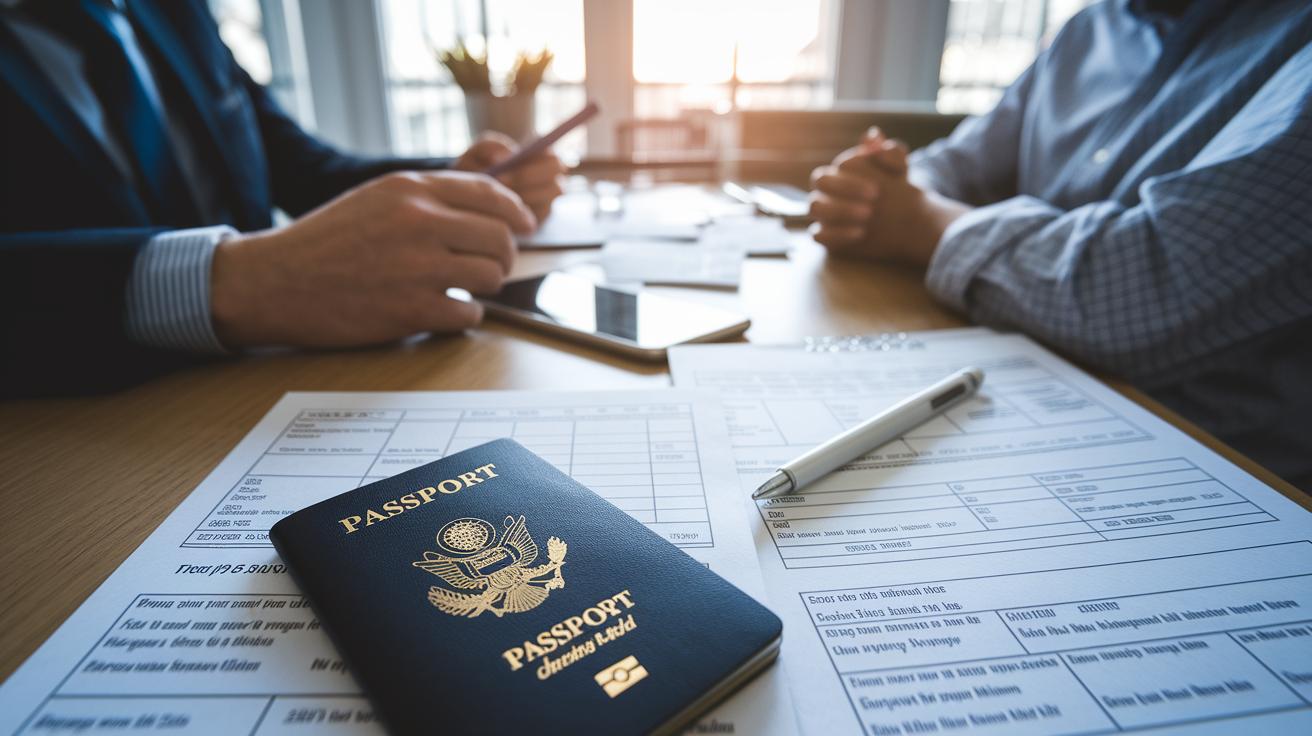
Planning your embassy interview is a bit like mapping out a mini-adventure. Start by booking your appointment well ahead of time, if you’re aiming to travel in three months, try to lock in your slot at least six weeks early so you can avoid any last-minute rush.
Next, gather your must-have documents. Think of these like your travel essentials: your DS-160 confirmation page, valid passport, fresh photos, bank statements, and any invitation letters you might have. I always double-check this list against the official guidelines on the Travel Requirements page (a helpful checklist to keep you organized) so that no surprise delays catch you off guard.
If you’re applying with family, make sure everyone is prepped to attend together. Coordinating a joint appointment helps present a united, well-planned case, almost like traveling together on the same scenic route.
Finally, plan to arrive a little early on the day of your interview. That extra moment to review your documents in the embassy’s waiting area can feel a bit like your last-minute check before a big departure, giving you a boost of confidence before you step in.
Happy travels and best of luck with your visa adventure!
Consular Query Practice for Travel Visa Interview Questions
Common B1/B2 Interview Questions
Getting ready for your visa interview is a bit like planning a fun road trip. Practice your answers like you’re packing your bag, make sure you have everything you need. Start with about ten key questions: Why are you visiting the US? How long will you stay? Where will you crash for the night? And don’t forget to talk about your job, income, and any sponsorship details. Sometimes, you'll even be asked if you've ever had visa issues, like a refusal or an overstay. Instead of saying, "I don’t know," offer clear, honest replies that match the details on your DS-160. This simple exercise helps boost your confidence while keeping your answers straightforward.
Mock Interview Role-Play Setup
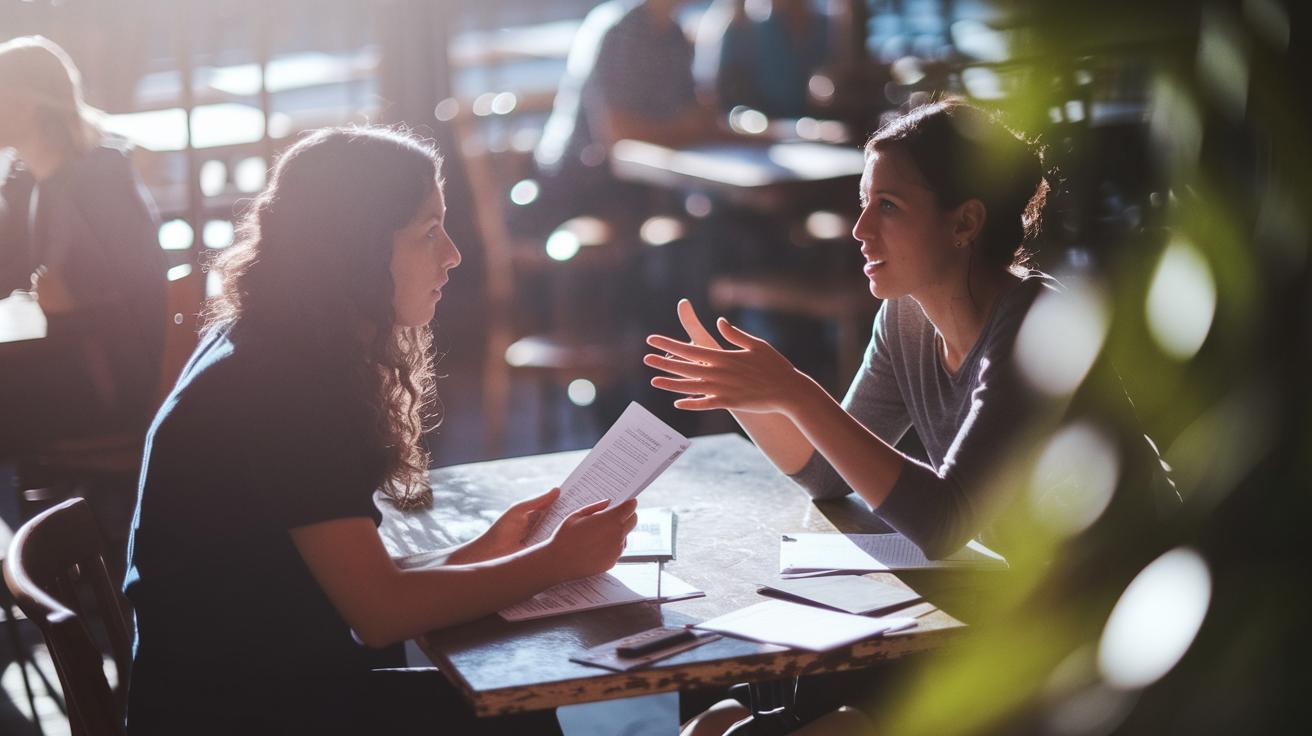
Now, try a mock interview with a friend or mentor. Set aside some time as if you’re gearing up for a real adventure. Write down a list of possible questions, then take turns playing the role of the visa officer and the traveler. Imagine the officer following up quickly, like asking, "What steps have you taken if an emergency happens?" Mention things like travel insurance or family care plans. Keep your responses short and focused, and ask for honest feedback from your partner. Run through the role-play several times until your answers feel natural and true to what’s in your DS-160. This fun practice prepares you to handle quick follow-up questions with ease and shows that your plans and ties back home are solid.
Expert Travel Visa Interview Tips: Win with Confidence

When you’re at your visa interview, keep your answers short, clear, and in line with the details on your DS-160 form. Start with a quick 30-second pitch that tells who you are, explains your travel goals, and shows your strong ties at home. For example, you might say, "I’m here for a family celebration and a brief cultural tour, and my full-time job and close family ensure my return."
When you need to go into a bit more detail, try using the STAR method (Situation, Task, Action, Result) to organize your story. Imagine being asked about handling an unexpected travel hiccup. You could respond, "I once ran into a sudden schedule change (Situation) and knew I had to act quickly (Task). I arranged alternative transport (Action) and managed to keep my plans on track (Result)."
Best practices include:
- Keeping each answer short and matching what you listed on your DS-160
- Using a 30-second pitch to highlight your travel purpose, itinerary details, and connections to home
- Applying the STAR method when a situation calls for more explanation
- Talking about any backup plans or family care strategies to show you’re responsible
Keep your tone calm and steady. Blend your quick pitch with any detailed examples just like you’re chatting with a friend about an exciting adventure.
Mastering Travel Visa Document Verification and DS-160 Precision
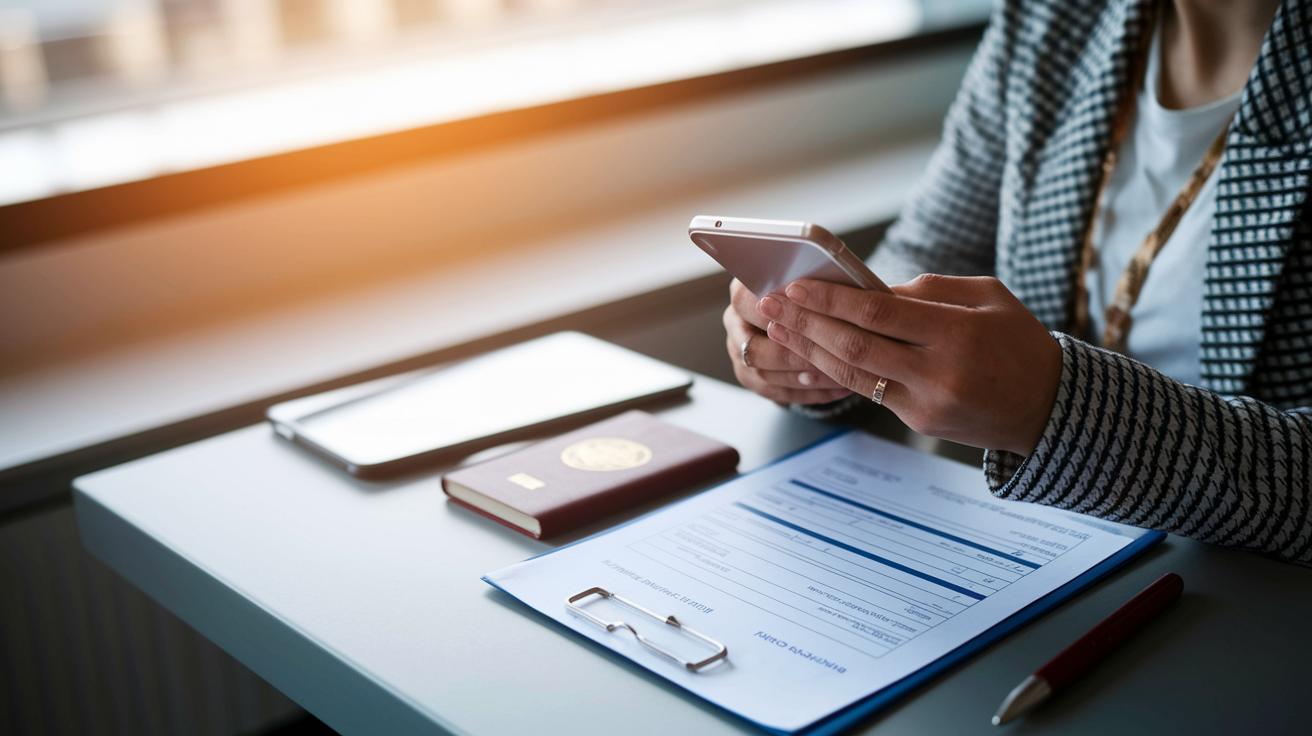
Your DS-160 form is like a roadmap for your visa interview, and every tiny detail counts. When travel dates or sponsor details don’t match up with your plan, it’s a bit like taking a wrong turn on an unfamiliar road. So, check your itinerary, host information, and employment history carefully, they’re the landmarks that will guide you through the questioning.
Next, take a look at the official checklists. Think of these lists as insider tips that tell you exactly what photo, passport validity, and extra documents to pack for your journey. It’s a smart idea to print your DS-160 confirmation page beforehand so that you have it handy, kind of like a trusty travel memo during your interview.
Here’s your simple checklist to keep everything in line:
- Confirm travel dates match your itinerary.
- Double-check host or sponsor information against your supporting documents.
- Verify all employment history entries align with your paperwork.
- Review photo and passport requirements as laid out in the checklist.
- Save and bring a printed copy of your DS-160 confirmation page.
Following these steps helps smooth out any bumps in the road, so you can walk into your embassy visit with the confidence of someone truly ready for the adventure ahead.
Personal Presentation and Non-Verbal Communication for Travel Visa Interviews
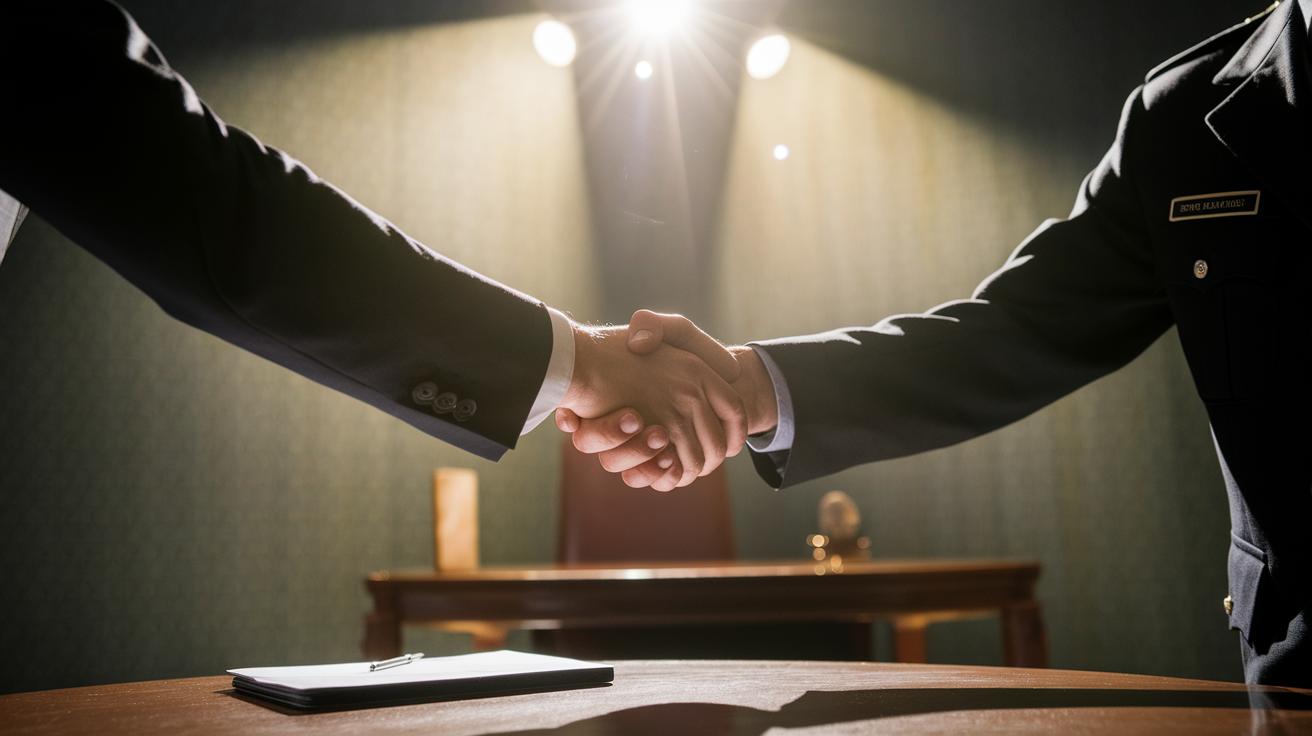
Imagine setting off on a new journey where every move speaks of confidence. You walk in tall with a relaxed yet clear gaze, greeting the officer with a warm handshake and an easy smile. This introduction lays the groundwork for a positive start, much like the first friendly hello on a well-planned trip.
When it comes to your outfit, think of business casual as your go-to travel gear. A neat collared shirt and well-fitted trousers tell a story of readiness and respect even before you say a word. It’s like packing the perfect accessory that hints at your exciting adventure ahead.
As you share your travel plans, keep your gestures calm and your pace measured. This steady rhythm can feel as smooth as a scenic drive, letting the officer see that you’re both composed and genuinely prepared. Every movement and word shows you’re mindful of this important step.
Finally, a gentle facial expression ties everything together. The calm look on your face, combined with thoughtful gestures, makes it clear that your journey is both exciting and well-considered. Let your natural ease shine, ensuring that every part of your presence communicates readiness and genuine anticipation for the road ahead.
Handling Travel Visa Interview Post-Interview Scenarios and Possible Denials

If your visa gets turned down, try to stay cool and ask the officer, "Could you explain what went wrong?" This shows you’re mature and eager to learn from the experience. Make sure you jot down any notes or tips they share.
When you step away from the embassy, take a quick moment to breathe deeply or try a short mindfulness exercise. It can really help clear your head and ease the stress before you plan your next move.
Next, think back on any past embassy interviews or the questions they asked. Look over your responses and figure out where you could have been clearer. This reflection is like a mini rehearsal, getting you ready for a future application or appeal.
Finally, remember these simple tips: stay calm, ask for detailed feedback, and don’t let a denial shake your confidence. Each step you take helps prepare you better for your next embassy visit.
Final Words
In the action, this post laid out clear steps for acing your visa interview, from document checks and answer structuring to non-verbal cues and handling post-interview surprises. It breaks down each element to help you present a confident, well-prepared version of yourself.
Stay calm, trust your preparation, and use these expert travel visa interview tips to face your interview with confidence and optimism. Every step you take now brings you closer to opening new doors for future travel.
FAQ
What are some key B1/B2 visa interview questions and answers?
The common B1/B2 questions cover your travel purpose, financial stability, and home-country ties. Practicing these helps build concise, confident responses that match your DS-160 form.
Where can I find US tourist visa interview questions and answers in PDF format?
You can access downloadable PDF guides that compile common interview questions with sample answers tailored for US tourist and B1/B2 visa interviews to streamline your preparation.
What should I bring to a US visa interview for B1/B2?
Your complete document packet should include your DS-160 confirmation, passport, photos, financial records, and any invitation letters. This thorough preparation aids in a smoother interview process.
How do I prepare for a US travel visa interview?
Preparing for a US travel visa interview means reviewing your DS-160 form, practicing answers to common questions, organizing all required documents, and arriving early to review your paperwork.
What should I avoid saying in a US visa interview?
Avoid vague responses or inconsistent details that do not align with your DS-160. Clear, honest answers help maintain credibility with the consular officer during the interview.
How can I impress in a visa interview?
Impress the officer by staying confident, organized, and brief. Use clear, factual responses and support your answers with evidence of home ties and a well-organized document packet.
What is considered a red flag during a US visa interview?
A red flag includes any misalignment between your DS-160 form and verbal answers or lacking evidence of strong home-country ties, as these factors can raise concerns about your application.
What are some effective U.S. visa interview tips?
Effective tips include arriving early, dressing in business casual, maintaining steady eye contact, and offering concise, truthful responses that clearly back up your travel plans and commitments.