

Ever wondered if your next adventure might include a few surprise safety checks? In this guide, we're cutting through the noise to share the latest travel advisory for Germany. We’ll give you straightforward tips so you can travel smart and keep your journey calm.
Imagine strolling through a bustling market or along a quiet street, while staying on top of safety updates at key entry points and local events. Next, we'll show you how to take simple extra precautions that let you focus on the fun parts of exploring Germany.
Ready to get out there, soak in the unique charm of the country, and keep your trip safe and sound? Enjoy the journey, and travel with confidence!
Germany Travel Advisory Overview: Current Recommendations and Alerts
If you're planning a trip to Germany, be ready for a few extra precautions. The US government now advises extra care due to risks like terrorism and local policy quirks. Think of it as a friendly heads-up: in busy spots like downtown Berlin, you might notice more police keeping an eye on things during public events.
It's a smart idea to sign up for the Smart Traveler Enrollment Program (STEP). This way, if an unexpected change happens, you'll get an instant alert on your phone, imagine waiting in line at a train station and suddenly getting a text about nearby safety updates.
When you arrive, expect some extra questions at entry checkpoints. You could face additional document checks or have to tweak your itinerary if police alerts pop up. I always check the latest news on the official US Travel Advisory and Trip to Germany pages to stay current.
Staying tuned into local news and embassy updates can really help you adjust your plans on the fly. This extra bit of planning lets you enjoy Germany's charm while keeping you safe and sound on your adventure.
Germany Entry Requirements and Visa Policy Explained
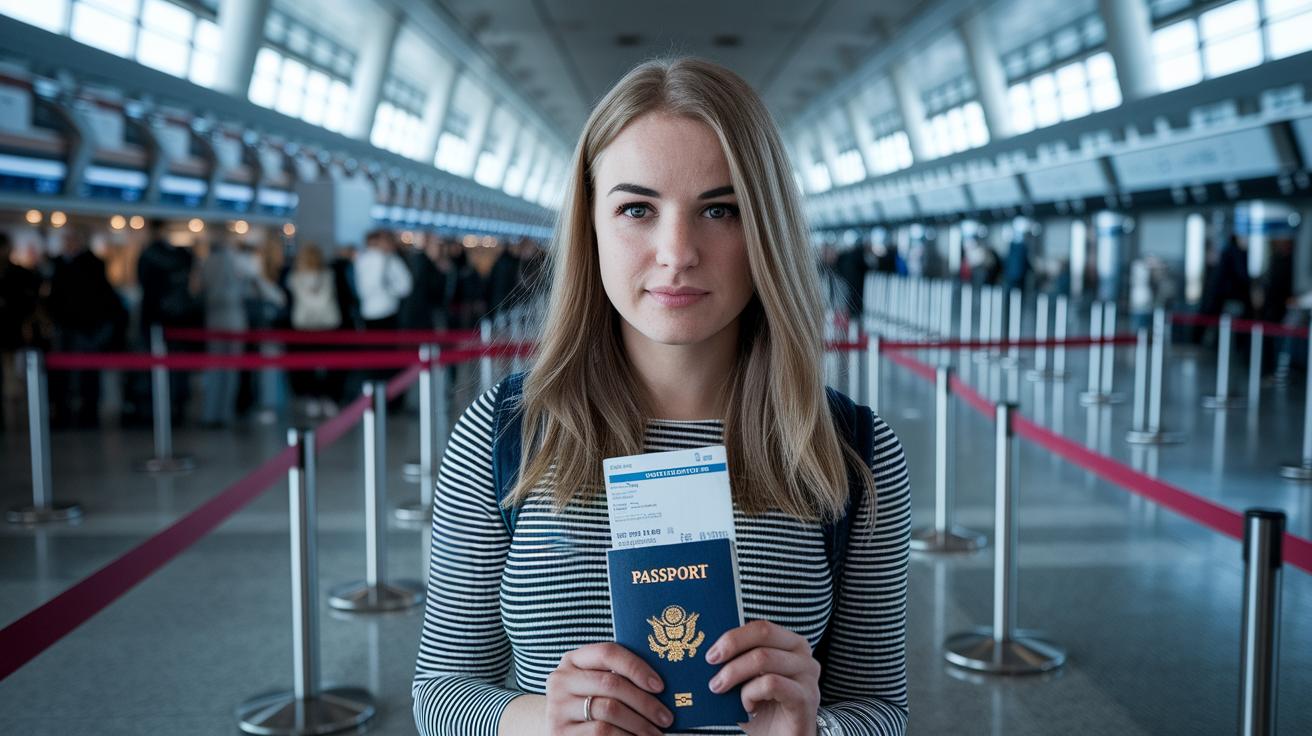
If you're planning a short getaway or a quick business visit, you'll be happy to know that U.S. travelers and folks from other visa-free countries can explore Germany without needing a visa for up to 90 days in any 180-day period. This makes planning your mini adventure or work trip super easy. But if you're thinking of staying longer or taking up a job, you'll need a Schengen C visa. And don’t forget, make sure your passport stays valid for at least six months after your planned return, so things go smoothly at the border.
Starting in 2025, most travelers will also need ETIAS clearance. ETIAS, short for European Travel Information and Authorization System (a pre-travel approval system), isn’t a visa at all. Picture this: you’re all set to board your plane when suddenly you remember you must register with ETIAS! This extra step helps speed up entry checks and keeps your arrival as breezy as possible.
It’s also smart to have a return ticket handy, along with proof that you have enough funds for your stay, usually between €45 and €65 each day. Border officials might ask for this as proof that you can support yourself while you soak up the local culture and sights.
If you're planning a visit longer than 90 days or have work assignments lined up, be sure to apply for your Schengen C visa early. This visa covers extended trips and work permits, making sure that your plans match Germany’s rules.
And just like packing for a great trip, always have a checklist ready when applying for any visa, every little detail, from your passport to your bank statements, plays an important role.
| Requirement | Details |
|---|---|
| Passport validity | Must be valid for at least six months beyond departure |
| Visa-waiver stays | Up to 90 days within a 180-day period |
| ETIAS registration | Approval required from 2025 |
| Schengen C visa | Required for longer stays or work |
| Proof of funds | Evidence of €45–€65 per day may be requested |
Germany Health Advisory and COVID-19 Guidelines
Germany has relaxed most of its COVID-19 rules, making your journey feel lighter and more carefree. But the Robert Koch Institute still suggests you keep your COVID shot and all your usual vaccinations up-to-date (like your flu or measles shot) since local cases can pop up when you least expect them. Imagine boarding that long-distance train and suddenly needing a mask, it's a gentle reminder to be prepared!
And just a heads-up: airlines might ask for a test even if you’re fully vaccinated. So, before you book your flight, double-check what they require. It’s not about worry, it’s simply smart travel advice to keep you safe while you explore all the wonders Germany has to offer.
Here are a few easy tips to remember:
- Stay current with your COVID vaccine and other recommended immunizations.
- Pack a mask for long train rides and when visiting healthcare settings.
- Check your airline’s testing rules before you travel.
- Keep informed about local flu and measles vaccination advice.
- Follow updates from the Robert Koch Institute to get the latest guidance.
By keeping these tips in mind, you can explore Germany with greater peace of mind and focus on enjoying every moment of your adventure.
Germany Travel Advisory: Safe, Sound Travel
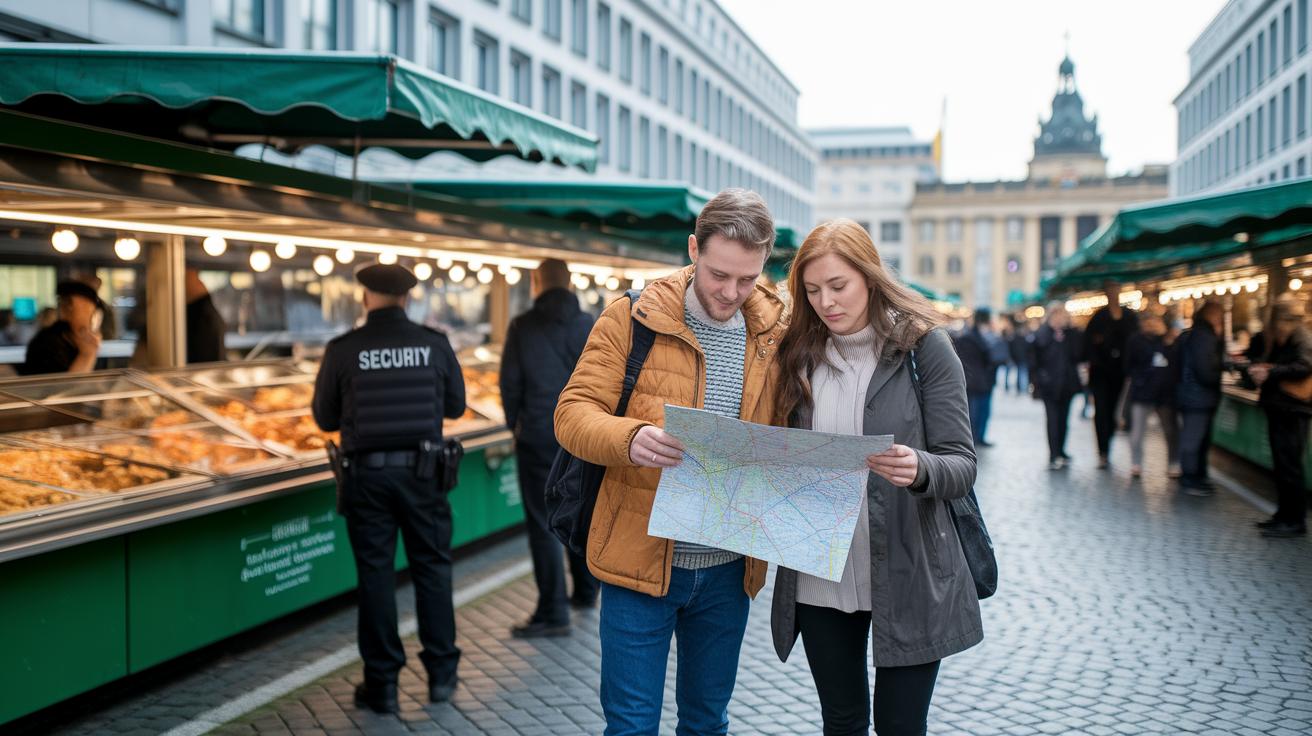
When planning your trip to Germany, you'll be happy to know that local safety measures are in place to protect you. Sometimes, you might see small, organized protests in cities like Berlin, but overall, things are kept under control. Imagine walking through a lively outdoor market, noticing extra security at nearby venues, this extra presence at train stations and big events is all part of keeping everyone secure.
Germany has strict rules that make unauthorized protests difficult, so it's a good idea to steer clear of large gatherings while you're exploring. Also, just like any busy tourist spot, petty theft can occur, so keeping your valuables secure is essential. These safeguards are in place not only to prevent petty crimes but also to help avoid serious incidents at crowded public spots.
Here are a few simple tips to help you travel safely:
| Tip | What to Do |
|---|---|
| Stay Updated | Check local travel safety info before heading out |
| Be Cautious | Keep your belongings secure and watch your surroundings |
| Follow Updates | Listen to local law enforcement announcements |
By following these few steps, you'll be able to fully immerse yourself in Germany's rich culture and history, knowing that you have the necessary protection wherever you go. Enjoy your journey and soak in all the vibrant experiences this country has to offer!
Regional Travel Alerts and Interactive Germany Map
Planning a trip to Germany means checking local conditions before you set out. In North Rhine-Westphalia, you might run into organized protests that could disrupt the usual flow in public areas. Over in southern Bavaria, the summer heat can increase wildfire risks, so it pays to stay updated. In bustling urban centers, there can be a higher chance of pickpocketing, so keeping an eye on your surroundings is always a good idea. It all comes down to checking regional alerts so you know what to expect and can keep your plans flexible and safe.
The Federal Foreign Office offers a handy interactive Germany travel alert map that shows real-time warnings by region. This easy-to-use tool helps you quickly spot any areas that might need extra caution. For example, if your destination is flagged, you’ll know to take a few extra safety measures. Taking just a few minutes to review the map can help you avoid potential hassles and make sure your German adventure stays smooth and secure.
Emergency Contacts and Resources for Germany Travel Advisory
Planning your trip to Germany? Keeping a few essential contacts handy is a lifesaver. For example, if you need help in a pinch, call the U.S. Embassy in Berlin at +49 30 8305-0. It’s great to know that someone is just a call away.
Got an urgent situation? The 24/7 consular emergency hotline at +49 30 5000-0 is there to support you when you need help most. And if you’re ever puzzled about consular matters, the Federal Foreign Office hotline at +49 30 1817 0 can guide you through.
Next, it’s a smart move to sign up for the Smart Traveler Enrollment Program (STEP). I always recommend it because it keeps you informed during your travels. Also, consider downloading the "Sicher in Deutschland" app for real-time updates on local security and travel advisories.
Remember to check your local embassy’s social media channels for live news while you’re on the move. With these resources and contacts saved on your phone, you can explore Germany with confidence and stay connected no matter where the journey takes you.
Final Words
In the action, we broke down the latest travel updates for Germany. We covered current alerts, entry tips, health guidelines, and security practices so travelers can stay informed and safe. Key highlights include critical visa information, regional maps for spot-on warnings, and essential emergency contacts.
Remember to check the germany travel advisory before setting off. A bit of careful planning will make your trip smoother and more enjoyable.
FAQ
What is the current travel advisory for Germany?
The current travel advisory for Germany signals a Level 2 “Exercise Increased Caution” due to risks like terrorism and urban crime. Always check official sources for the latest updates.
How can I view the Germany travel advisory map?
The Germany travel advisory map helps you pinpoint areas with specific warnings. It provides an interactive view so you can plan your trip with real-time region-based alerts.
What entry requirements and visa rules apply for US travelers to Germany?
The entry requirements for US travelers allow a 90-day visit without a visa if your passport is valid. For longer stays or work, you need a Schengen C visa or ETIAS approval starting in 2025.
Why does Germany have a travel warning and what prompted recent updates?
Germany’s travel warning is due to concerns like terrorism risks and local protests. Recent updates reflect ongoing security issues and evolving local laws, urging travelers to stay informed.
Which countries are designated at a level 3 travel warning?
The designation of level 3 travel warnings varies across different countries and is updated by US authorities. Check official government websites for the most current listings of high-risk regions.
What travel advice should I follow for a first-time trip to Germany?
For a first visit to Germany, register in the Smart Traveler Enrollment Program, monitor embassy alerts, and prepare documents like return tickets and proof of funds to ensure smooth travel.