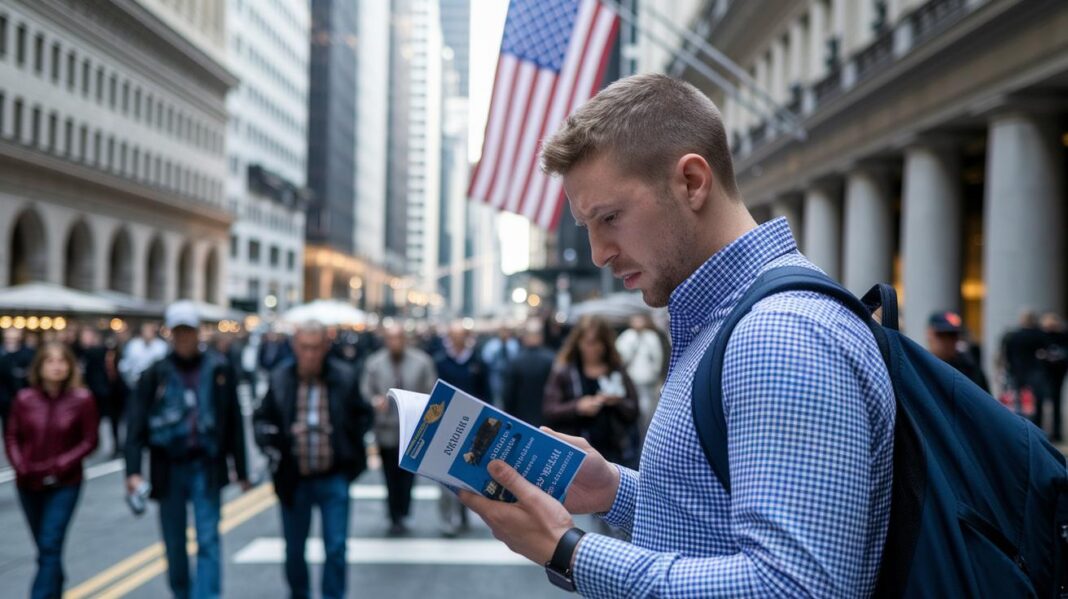

Have you ever thought that your next journey to the United States might come with a few unexpected twists? Lately, some countries are warning travelers about challenges like gun violence, unfair incidents, and strict entry rules. Even stories from places like Japan, Australia, and Canada remind us that tiny details can sometimes cause major delays.
So, here’s a heads-up: I’m sharing some smart safety tips to help you double-check your paperwork and stay alert while you travel. Keep reading for down-to-earth advice that could make all the difference on your upcoming U.S. adventure!
Overview of Current Travel Warnings to United States
Over the past few months, more than a dozen countries have updated their travel guidance for trips to the US. These updates often mention concerns like gun violence, hate crimes, and stricter immigration rules. For instance, Japan advises its citizens to be cautious because of frequent gun-related incidents and hate crimes based on race, sexual orientation, or religion.
Australia has also shared new tips, noting that visitors planning to stay over 30 days must register with US Citizenship and Immigration Services and follow REAL ID rules (a set of federal identification standards). Likewise, Canada now requires any traveler planning a stay longer than 30 days to complete their registration process, starting April 11, 2025.
A good tip is to always double-check the latest travel advisories before finalizing your plans. I once heard about a traveler who thought their ESTA was all set, only to face an unexpected, lengthy interview because of a minor paperwork mix-up. It just goes to show that even with proper documentation, entry isn’t automatically guaranteed.
Countries like Belgium recommend using programs such as the Travel Redress Inquiry Program if you run into immigration trouble. And warnings from Finland, Ireland, and the United Kingdom point out that even little details, like the gender marker on your travel documents, can impact your clearance at the border.
Each warning reflects an effort by different governments to look after their citizens, focusing on issues specific to their regions. For the most updated details, checking the US travel advisory online can help you prepare your documents and set realistic expectations for your visit.
Country-Specific Safety Alerts Impacting US-Bound Travelers

Japan’s travel tip points out that gun incidents and hate-related acts, especially those targeting people because of their race, who they love, or what they believe, are a real concern. In Japan, you might be surprised to learn that even though gun violence is less frequent than in some other places, it still poses risks when mixed with tensions about race and sexual orientation.
Australia’s update is pretty straightforward: if you’re planning to stay in the US for more than 30 days, you need to register with US Citizenship and Immigration Services and follow REAL ID guidelines (basic rules for proper identification). This April change reminds travelers that even a tiny error on your documents can lead to delays. Meanwhile, Belgium is giving its citizens a heads-up to use the Travel Redress Inquiry Program (TRIP) if they hit any snags at immigration, a step that has really helped clear up issues in the past.
Canada’s announcement, effective from April 11, 2025, tells travelers that stays longer than 30 days require registration with the US government. This shift comes as more people make cross-border trips, prompting tighter controls despite previously smooth travels. And then there’s China, which has issued a broad warning due to economic stress and security concerns back in the US, suggesting its citizens exercise extra caution when planning their trips.
In Denmark and Finland, there’s special advice for LGBTQ+ visitors since non-traditional gender markers might make entry a bit trickier at the border. European countries like France, Germany, Ireland, Portugal, and the Netherlands have updated their travel notes too. For example, Germany points out that having a visa or an entry waiver doesn’t guarantee you’ll clear US entry automatically, while Ireland highlights that when you apply for ESTA or a visa, you must list the biological sex assigned at birth. New Zealand is on higher alert as well, and the United Kingdom reminds travelers that US entry laws are enforced strictly.
All these tips and warnings come together like a mosaic of travel advice, reminding us that even a routine trip can get complicated without careful preparation.
Entry Restrictions and Registration Requirements for America
When you're gearing up for an extended trip (more than 30 days), make sure you check your registration details with US Citizenship and Immigration Services well in advance. Countries like Australia and Canada require this step, so it’s a good idea to call or visit your local consulate for any fresh updates. I once missed a revised registration deadline and ended up with unexpected delays, just a friendly reminder to double-check early!
Even if you’ve already gotten your ESTA or visa approved, be prepared for a possible extra screening at the border. One traveler once told me, “My ESTA didn’t clear me from additional checks,” which delayed my entry. This shows that having your documents in order doesn’t always guarantee a smooth entry.
For non-binary and transgender travelers, there are a few extra details to consider. It’s important that the gender marker on your travel documents matches the birth records authorities expect. A quick tip: double-check all your details before you head out, so you don’t face any surprises at the border.
Official Federal Travel Alerts and Health Advisories for US Entry
Ever wondered if your travel plans are truly safe? The US Department of State breaks things down into four levels, ranging from Level 1 (just use normal precautions) up to Level 4 (you really shouldn’t travel). One traveler said, "I checked the alerts right before leaving and avoided a lot of unnecessary stress," which goes to show how handy these updates can be.
The government posts these alerts in real time on their website, so you always have the latest safety scoop, whether it’s a sudden policy shift or local risks cropping up. When you spot a Level 3 warning, consider giving your itinerary another look and gathering any extra documents you might need. It’s a bit like realizing a tiny change can send your whole plan in a new direction!
On top of that, the CDC dishes out health advisories that warn you about outbreaks and other concerns. Local embassy travel advisories add their own spin with region-specific tips and emergency contacts. This extra info helps you figure out not only the risks but also practical steps to take if plans go sideways.
Many seasoned travelers also check out real-time news links for constant updates. Keeping an eye on these federal travel alerts can truly make a difference in ensuring your U.S. trip stays safe and smooth.
Risk Analysis and Preventive Measures for Safe US Visits
Planning a trip to the US can feel as exciting as catching your favorite flight, and just like you wouldn't head out without your must-have snack, a little preparation goes a long way. Signing up for the Smart Traveler Enrollment Program (STEP) is like having a trusty travel buddy who buzzes you with updates about any sudden changes around your destination.
Travel insurance is another clever choice. It’s there to help when unexpected delays or last-minute changes pop up. Even if everything on paper looks perfect, local conditions might shift and you’ll be glad to have that extra cushion.
Staying tuned in to local news and checking official safety bulletins regularly is like reading the daily weather report before a beach day. And, if you chat with your country’s embassy, they can share tips tailored just for your trip, a move many seasoned travelers swear by.
Here are some quick preventive tips to keep in mind:
- Sign up for STEP so you're in the loop.
- Grab travel insurance to cover any surprises.
- Keep an eye on local news and official safety updates.
- Double-check your travel documents before heading out.
- Stay connected with your embassy for the latest info.
These simple steps act as your travel safety net, letting you explore the US with confidence and peace of mind.
Final Words
In the action, this article broke down key details on current travel warnings to united states alongside real-time safety alerts and health advisories. It compared country-specific alerts, entry rules, and needed registration steps so you know what to expect. Next, it offered preventive measures you can use to stay safe and feel more prepared. With clear tips and insider insights, you can move forward with confidence and enjoy your trip knowing you’ve got a solid plan in place.
FAQ
What does it mean when a U.S. travel warning is extended?
A U.S. travel warning extension signals that ongoing safety concerns remain. It prompts travelers to check the latest federal updates before making any plans.
How do U.S. travel safety concerns affect visitors?
U.S. travel safety concerns, which include issues like gun violence and hate incidents, urge travelers to review official advisories to stay well-informed about their destination.
What information does the United States Travel Map provide?
The United States Travel Map offers a visual overview of travel advisories and risk areas. It helps visitors quickly understand where safety measures are more strict.
What does it imply that the U.S. has issued 21 do not travel warnings for certain countries?
Issuing 21 do not travel warnings implies that several countries are considered high-risk for travel. Visitors are encouraged to review detailed advisories to see which destinations pose serious concerns.
What are travel warning news and the Travel Risk Map used for?
Travel warning news and the Travel Risk Map deliver real-time updates on safety alerts worldwide. They let travelers monitor risk levels and adjust their plans based on new information.
What level Travel Advisory is the United States issuing?
The U.S. Travel Advisory uses a four-level system—from normal precautions to a strong caution against travel—to guide visitors about potential risks in various regions.
Where should travelers avoid going right now?
Travelers should steer clear of regions facing elevated security risks and strict entry rules. Checking the latest advisories can help pinpoint areas currently deemed unsafe.
What is considered the safest place to travel in the United States?
The safest U.S. destinations are typically those with stable local conditions and minimal recent warnings. Still, visitors should check current local advisories for up-to-date information.
What should travelers avoid when coming to the USA?
Travelers should avoid neglecting registration and documentation requirements, especially for extended stays. Being aware of local entry rules and updates helps prevent unnecessary complications.