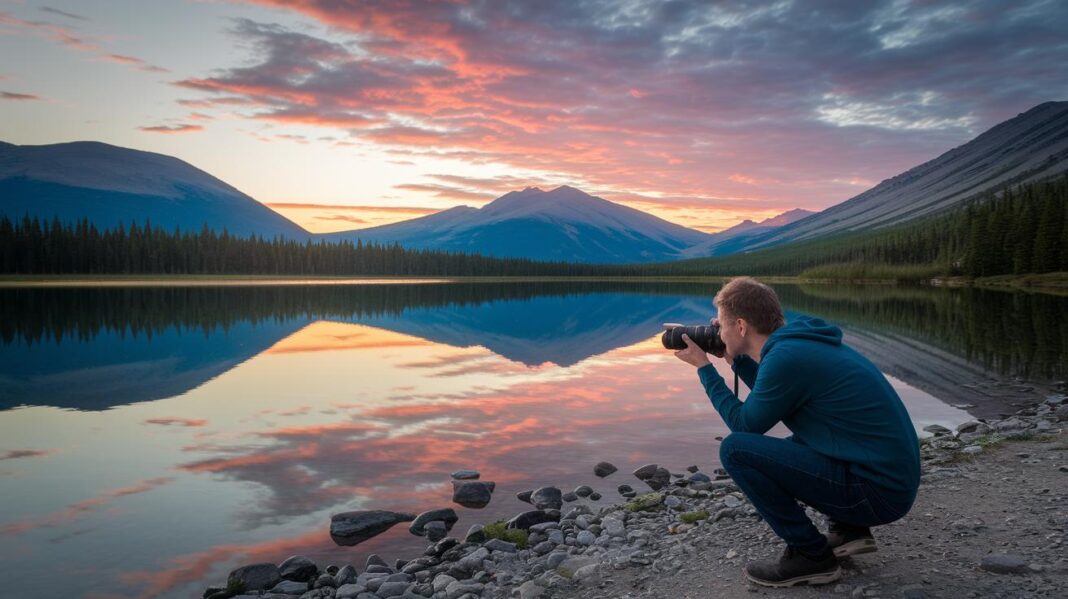

Ever wondered if the way you frame your photos could tell a whole new story? Think of each travel snapshot as a blank canvas just waiting for your unique flair (like laying out your own art exhibit).
When you try different angles and little details, everyday scenes can turn into unforgettable memories. Next time, play around with your shots, capture that golden sunset or a hidden alley, and watch as your pictures invite others to share in the magic of the moment.
Core Foundations of Inspiration for Travel Photography Composition
When you start capturing photos on your adventures, let your personal story be at the heart of every shot. Think of everyday scenes as blank canvases waiting for your unique tale. Imagine standing at Lake Bled in Slovenia, snapping a picture as the sunlight dances on shimmering water. With that image, you’re inviting viewers to share in an authentic travel moment.
Kick things off with an unexpected fact. For example, picture a traveler who, before mastering her camera, snapped a sunrise shot of a bustling local market that turned into an unforgettable story. Moments like these remind you that your curiosity and feelings can shape a beautiful narrative.
When chasing adventure in your imagery, mix up your perspectives. Instead of staying put, wander around to discover fresh angles that reveal new details. Think of arranging your shot as guiding the viewer’s eye, choose a background that speaks for itself and let it blend naturally with your subject.
Let your pictures whisper stories through small, thoughtful details. You might position an object with a cool texture against a soft, tranquil backdrop to create balance. When a simple setup transforms into a canvas of emotion, your photo instantly resonates with anyone who sees it.
Framing Inspirations and Rule-of-Thirds for Travel Photography Composition
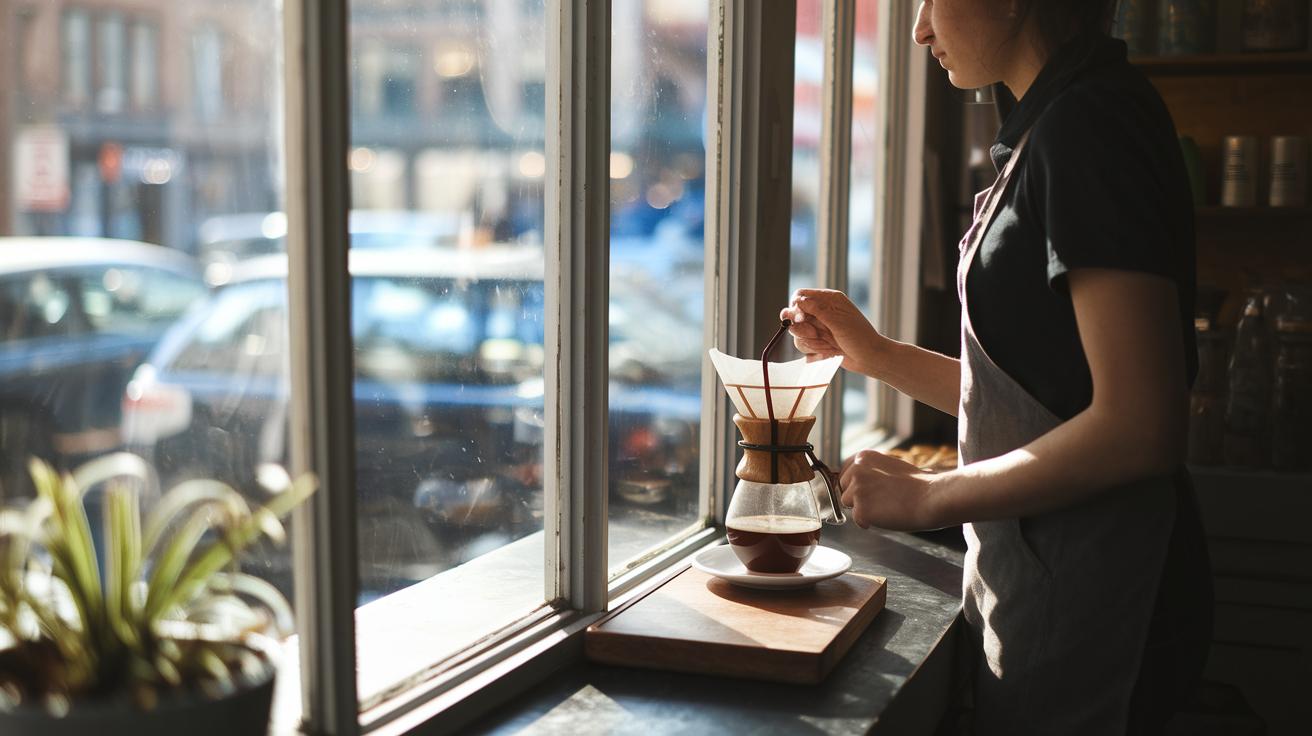
Imagine splitting your photo with invisible lines that gently guide your eye. The rule of thirds suggests placing your subject slightly off-center to create a lively, balanced feel. Next time you’re exploring, try framing a quiet street corner or a charming old building along one of these lines. Picture a cozy local café where a barista, off to the side, serves steaming coffee as soft sunlight dances on the window, this is the magic of the rule of thirds.
Sometimes, putting your subject right in the center tells a bold story too. Think about Montmartre’s Sacré-Cœur arches. When you line up these graceful curves, they build a natural, engaging pattern. It’s like giving the background a chance to whisper its own tale.
And if you want to fill the space with character, consider drawing attention to the foreground. Imagine shooting the Eiffel Tower with nearby blossoms, which add texture and scale. Look around for natural patterns, a row of lampposts or a curving pathway, that guide your eye through the scene.
- Experiment with off-center and central placements
- Play with foreground details to anchor the shot
Each framing trick invites your viewer to step into the scene, turning a simple snapshot into a vivid visual journey.
Depth and Perspective Inspirations for Travel Photography Composition
When you're out exploring and taking travel photos, depth is more than just capturing a scene. It's all about adding layers that bring the image to life. Start by including a familiar element, like a person, in your wide shot. Imagine a traveler standing by a tree-lined avenue at Champ de Mars; the presence of that person helps you feel the scale and invites you to sense the vastness of the surroundings.
Switching up your angle can really change the story your photo tells. Try moving your camera to pick up lines that lead the eye from the front to the back. Think of a winding path or a set of archways that guide you toward a dazzling monument. Adjusting your angle or playing with reflections can create an optical twist, making both near and far elements stand out, almost like your picture pops into a three-dimensional space.
Here are a few tips to help boost depth and perspective:
- Add a familiar object for scale
- Use natural lines to direct attention (like roads or pathways)
- Experiment with both low and high angles
- Arrange subjects at various distances to form layers
Mixing these simple ideas can turn your photo into a mini adventure, inviting viewers to explore every little detail like they’re discovering a hidden gem on an unforgettable journey.
Lighting Inspirations and Timing for Travel Photography Composition
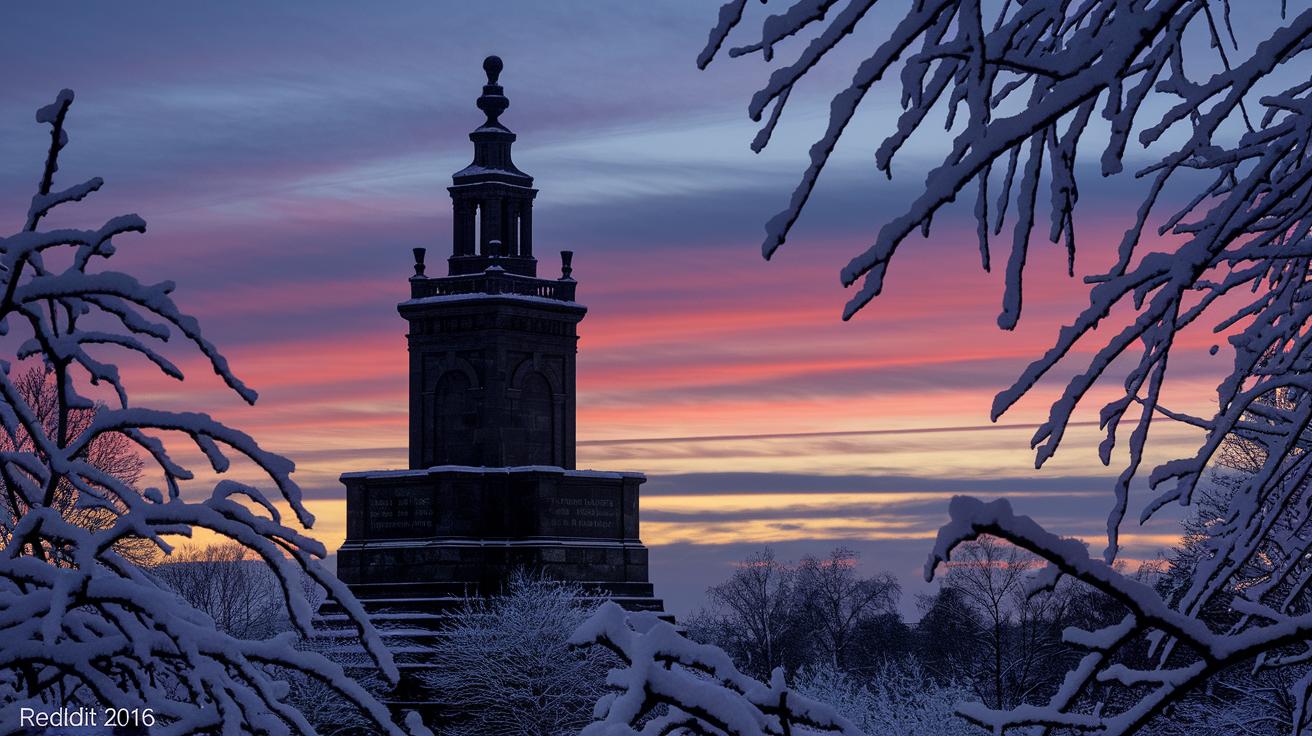
When the sun slips away, the world transforms into a magical mix of light and shadow. Picture a quiet monument turned into a striking silhouette against a sky glowing with soft, fading colors. The colorful dusk sky gives a gentle, dreamy feel that stands in nice contrast to the bright, harsh midday light.
Light and shadow are like old travel friends, they work best when they team up. Imagine framing snow-dusted branches or an ornate iron gate where shadows creep in softly, much like the nostalgic blur of a vintage photo. This tender play of light adds mood and a little drama, inviting viewers to slow down and take in every detail.
Here are some friendly tips to boost your shots:
- Enjoy the magic hour when soft light meets long shadows.
- Use the gentle glow of dusk to highlight your subject, like a solitary figure soaking in the twilight.
- Experiment with textures by capturing delicate frost on leaves next to rugged urban scenes.
Remember, letting natural light guide your composition can turn everyday scenes into vibrant, story-like snapshots.
Cultural Context and Environmental Inspiration for Travel Photography Composition
When you snap a photo, let the local culture shine through your background. Imagine standing by the Warsaw Fountains at Jardins du Trocadéro, where the gentle water flow and charming old buildings tell a quiet story of the place. Every image framed with such iconic scenery lets your audience feel the area’s unique heartbeat.
Think about how an interesting building or a natural setting can become the perfect frame for your subject. A quiet street dotted with aged brick walls or a park filled with majestic old trees gives your picture an authentic vibe. Picture a sunset washing the sky with soft light, highlighting the outlines of a historic monument in a striking, natural silhouette.
You can add even more depth to your photos by weaving in moments of local life. Capturing people working on traditional crafts or lively market scenes brings extra layers of meaning to your image, speaking volumes about a place without a single word.
Here are some friendly tips:
- Find spots that truly show local living.
- Include recognizable landmarks or distinctive natural textures.
- Place your subject near local symbols to create a story-like image.
For more on capturing real cultural moments, have a look at "local secrets for authentic cultural experiences" (https://vasthysfriends.com?p=) and "insider guide to authentic local cuisine" (https://jettlaggin.com?p=2147).
Rule-Breaking Inspirations for Creative Travel Photography Composition
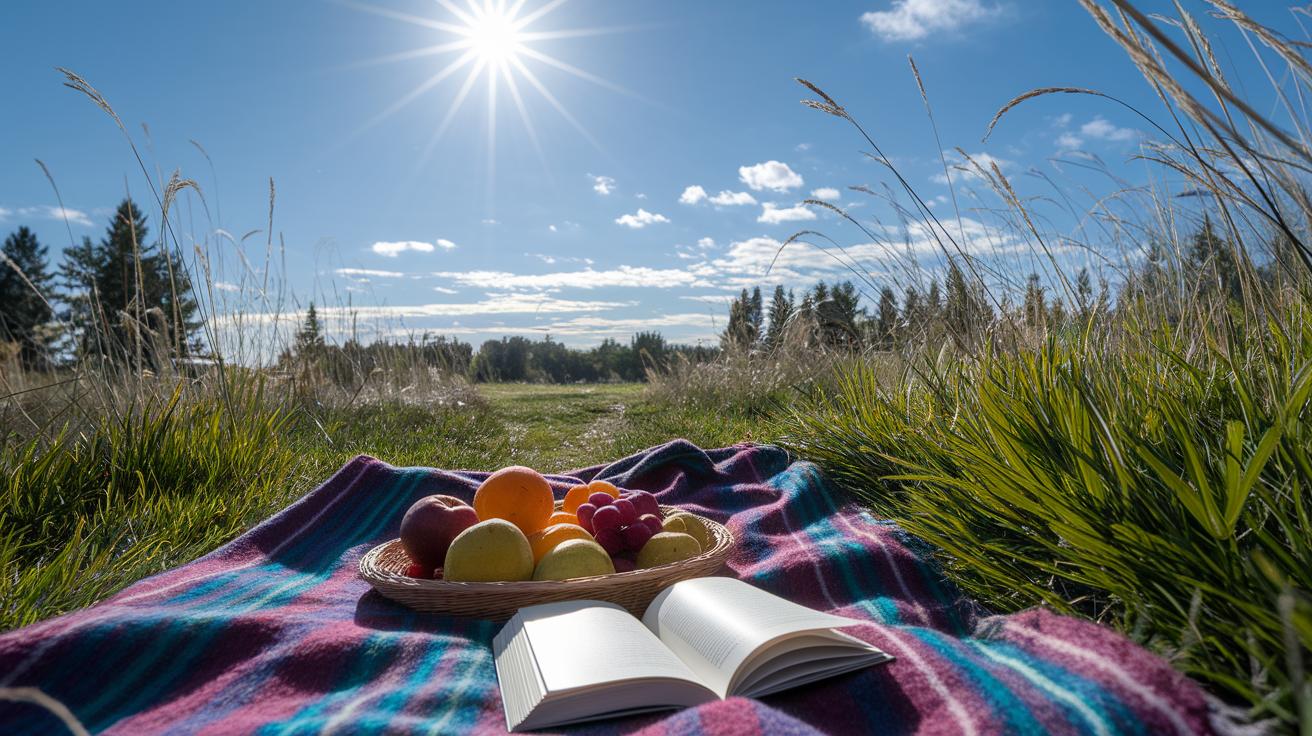
Imagine stepping off the well-trodden path and daring to capture your journey in fresh, exciting ways. Instead of always sticking to the classic rule of thirds, try centering your subject to create a striking visual impact. Picture a picnic scene spread out on a sun-drenched blanket, where every angle, prop, and texture weaves together to tell a story that feels both new and inviting.
Think about playing with symmetry in unexpected ways. Let a naturally balanced scene inspire you to break the mold rather than simply following the familiar rules. And why not mix in some abstract flair? Combine everyday objects with nature’s own textures, allowing the scenery to speak its own language through your lens.
Switch up your perspective, for instance, crouch low to the ground or reach high for an overhead view. A shift in viewpoint can reveal hidden layers and details in a place you thought you knew well.
- Place your main subject right in the center to grab the viewer’s attention.
- Arrange elements in a flat-lay style to build a rich, multi-layered story.
- Capture abstract details by blending everyday items with natural textures for that extra spark.
Final Words
In the action, this guide brought clear tips for elevating travel photography composition through creative framing, thoughtful lighting, and cultural details. It showed how each setting can transform everyday scenes into captivating photos that speak a visual story.
Each section offered simple strategies, from experimenting with off-center shots to using natural light effectively. With inspiration for travel photography composition at your side, step out and capture moments that feel genuine and full of life.
FAQ
Q: What inspiration for travel photography composition reviews offer?
A: Inspiration for travel photography composition reviews share creative insights and firsthand tips on framing and designing images. They combine practical feedback with visual recommendations to boost your photo skills.
Q: What does inspiration for travel photography composition PDF provide?
A: Inspiration for travel photography composition PDF guides offer clear, step-by-step tips, sample layouts, and creative techniques that you can immediately apply to capture striking travel images.
Q: What is the 3:1 rule in photography?
A: The 3:1 rule in photography suggests that one dominant element can take up about three times more space than its supporting elements, creating a balanced, energetic composition in your shots.
Q: What factors make good travel photography?
A: Good travel photography features intentional framing, smart use of natural light, and thoughtful placement of local details to present a scene that tells a clear, engaging story.
Q: Where can I find inspiration for photography?
A: Inspiration for photography can come from creative guides, online communities, and downloadable guides that offer practical tips and fresh ideas for capturing memorable scenes.
Q: What are the five rules of photographic composition?
A: The five rules of photographic composition generally include balance, contrast, leading lines, framing, and perspective. These rules serve as practical frameworks to help you build visually appealing images.