

Ever brushed off travel warnings as if they were just suggestions? Trust me, those alerts are more than mere hints, they’re like a friend giving you a heads-up about hidden risks before you even pack your bag.
Real-time updates and clear advice make it easy to adjust your plans (think of it as rethinking your route on the fly). Checking in with trusted sources like the U.S. Department of State and DFAT keeps you informed and ready to steer clear of trouble.
These handy safety tips can help you dodge unexpected setbacks and enjoy smoother, safer travels. Isn't it great to know you’re prepared for anything on your journey?
Official Sources for Travel Warnings: Where to Access Government Advisories
Before you set out on your next adventure, it’s wise to check official travel warnings issued by trusted agencies like the U.S. Department of State, the U.K. Foreign, Commonwealth & Development Office, Global Affairs Canada, and Australia’s DFAT. These advisories come in a neat four-level system, from Level 1 (just be cautious) to Level 4 (better not to travel), and they update in real time, much like checking whether you need an umbrella before stepping out.
For the most genuine scoop, head over to government websites and their official channels. It’s like pulling out a map before exploring a new neighborhood; you instantly spot any changes or risks along your route. This way, you’re always in the know about sudden policy shifts or potential hazards.
Using these trusted safety alerts is like having a reliable compass on your journey. Regular updates help you tweak your plans on the fly, keeping your travel as smooth and secure as following a well-marked trail.
Travel Warning Categories and Risk Levels
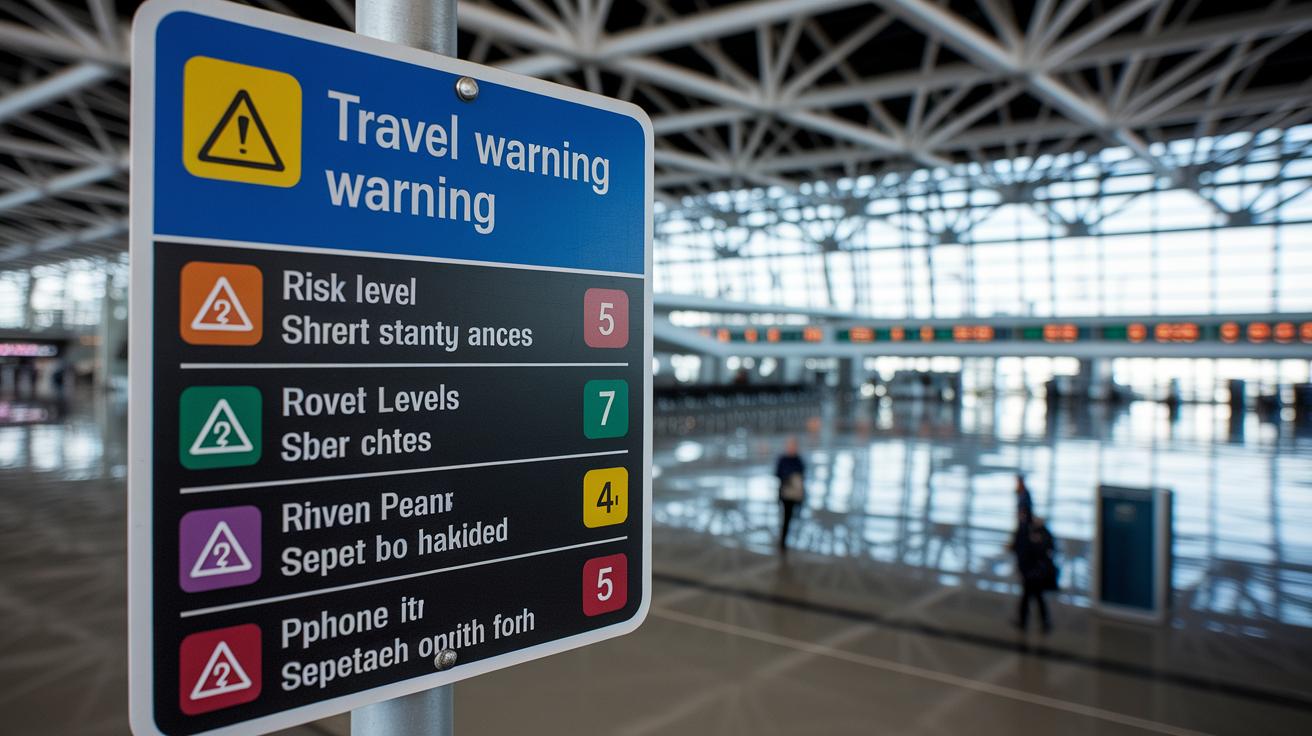
When you're planning your next adventure, travel warnings are like a friendly nudge to help you avoid potential pitfalls along the way. Think of them as spot-on advice from a well-traveled friend who knows where the rough patches might be. These warnings sort risks into clear, distinct groups, making it easy to know where you might need to be extra careful.
There are six main categories to keep in mind:
- Safety threats (like terrorism)
- Health hazards (such as disease outbreaks)
- Political unrest (for instance, protests)
- Natural disasters (for example, hurricanes)
- Environmental events (like air pollution)
- Crime (think violent petty theft)
Different countries sort these warnings in their own way. For example, the U.S. State Department uses a numbering system from Level 1 to Level 4. Level 1 means you just keep your everyday caution, while Level 4 is a serious red flag, suggesting you avoid the area altogether. On the flip side, the U.K. uses a colorful system, from Green for safe spots all the way to Black for places that are best to steer clear of. These simple signals, whether they're numbers or colors, give you a quick snapshot of any risks ahead.
Next, keeping these levels in view helps you decide your journey with a clear head, letting you choose the best route and know when to stay alert as you explore new places.
Government Travel Warnings: Safe Trips Ahead
When you spot a travel warning, treat it like checking a weather forecast before your adventure. First, look for the risk level (like "Risk Level: 3 – exercise caution"), which gives you an idea about how safe the destination might be. Then, check the issue date and how long the warning will last, say you see “Issued on April 5 with a two-week duration”, so you know if the info is fresh. Also, notice the geographic area covered and the reason behind the alert; it might be about safety issues or local unrest. It’s all about piecing together small clues that guide your travel plan.
Recently, travel warnings have added some new details. Some alerts now mention things like gender-marker requirements in places like Finland and Portugal, while U.S. advisories focus on REAL ID rules for domestic travel. It’s a bit like reading the fine print on your concert ticket, every detail counts when you’re planning your day out.
A handy tip for every traveler is to sign up for programs like the Smart Traveler Enrollment Program (STEP) or similar services available in your country. By enrolling, you get real-time updates that let you tweak your plans on the fly. So, next time you’re preparing for a trip, remember these small yet key details, they can be your best travel companion!
Country-Specific Government Warnings Against US Travel

Several countries have recently updated their warnings for traveling to the US, offering useful tips and risk updates. They discuss issues like gun incidents, hate crimes, tough border rules, and visa matters. I've put together a simple table that shows each nation's advisory date, key concerns, and some extra notes. This snapshot is here to help you quickly catch the essential points before you pack your bags.
| Country | Advisory Date | Main Concern | Notes |
|---|---|---|---|
| Japan | N/A | Gun crime & hate crimes | Highlights common locations and timings for shootings |
| Australia | April & May | Border enforcement & REAL ID | Advises on registration for extended stays |
| Belgium | N/A | Relative safety | Recommends using the Travel Redress Inquiry Program if issues arise |
| Canada | Effective April 11, 2025 | Extended stay registration | Requires registration with US DHS for stays over 30 days |
| China | N/A | Bilateral tensions | Issues a blanket warning due to economic and security concerns |
| Denmark | March 20 | LGBTQ+ travel caution | Warns transgender travelers of variable local attitudes |
| Finland | March 14/April | Border enforcement & instability | Addresses gender-marker requirements |
| France | March 24 | General safety concerns | Revised advisory with updated protocols |
| Germany | March 19 | Visa, waiver issues & gender ID | Clarifies that having documentation does not guarantee entry |
| Ireland | March 28, 2025 | Biological sex requirements | Highlights strict entry form protocols |
| New Zealand | Last November | Increased risk level | Raised to Level 2 advisory |
| Portugal | N/A | ESTA/visa limitations | Stresses non-binary travelers provide declarations |
| U.K. | March | Strict enforcement | Advisory wording has been strengthened |
Many of these warnings focus on border rules and the details around gender markers. Several countries urge travelers to double-check visa and registration details before departing. With rules frequently updated, especially around safety and paperwork, it helps to stay in the know as you plan your trip.
Traveler Steps During Active Travel Warnings
Before you even pack your bags, take a moment to check the latest travel advisories and register with programs like STEP (it's like signing up for extra insider tips). If you're headed for a long stay, say over 30 days in places like Canada or Australia where DHS registration is required, you really don't want to skip this step. It’s a bit like trying to get into a concert without a ticket; things could get messy fast.
Once you're on the ground, make sure you keep an eye on official bulletins and stay in touch with your local embassy or consulate. These updates can be a real lifesaver, letting you know if entry rules change or if there are tweaks to things like REAL ID protocols or passport details. A quick check can save you a lot of headache down the road. And remember to verify your travel document info at https://jettlaggin.com?p=2107 to keep all your paperwork in tip-top shape.
Finally, always have an emergency exit plan ready to go. Keep your essential travel documents close and know your route for a speedy departure if necessary. Being prepared means you can calmly adjust to any sudden changes, turning unexpected alerts into simple, manageable steps. In truth, being ready not only keeps you safe, it also boosts your confidence for the journey ahead.
Final Words
In the action, this article broke down how to access government safety alerts directly from U.S., U.K., Canadian, and Australian sources. We also covered the warning categories (like safety risks and health hazards) and explained how to read risk levels to match your travel plans.
We shared attention on country-specific notes, such as alerts on border policies and entry requirements, giving a clear picture of what to expect. Keep checking government travel warnings regularly and stay ready for any updates, your next trip could be just around the corner!
FAQ
What do government travel warnings near California indicate?
The travel warnings near California signal official guidance on potential local risks, such as natural events or localized issues, provided by agencies to help travelers stay updated and safe in the region.
What do government travel warnings near Texas tell travelers?
The travel warnings near Texas offer official advice regarding regional conditions and security factors. These alerts, updated by certified agencies, help travelers prepare for any local risks or challenges.
What does the list of countries on the do not travel list include?
The do not travel list includes countries flagged by government officials for high risks like political unrest or conflicts. This list helps travelers decide which destinations may pose serious safety concerns.
What does the U.S. travel ban update today mean?
The U.S. travel ban update today outlines current restrictions that affect travel from or to specific countries. It reflects real-time policy shifts and emerging security concerns that travelers need to consider.
What does the new State Department travel advisory communicate?
The new State Department travel advisory presents the latest risk levels and guidelines, addressing various threats such as safety or health issues. It informs travelers so they can adjust their plans accordingly.
What information does the U.S. travel advisory map provide?
The U.S. travel advisory map supplies a visual overview of risk levels, using symbols or colors to denote safety conditions. It serves as a quick reference for travelers assessing regional risks.
What do travel warnings to the USA advise?
Travel warnings to the USA detail specific concerns for visitors entering the country, highlighting local security issues or regional disturbances. These alerts help guide safe entry and on-ground decision making.
What countries are on high alert and appear on the State Department travel warning list?
Countries on high alert, as listed by the State Department, are those facing significant risks such as political unrest, health emergencies, or security concerns. This list guides travelers in exercising extra caution in these areas.
What locations should be avoided when planning travel at the moment?
Areas to avoid currently are those with active warnings due to heightened security risks, health threats, or political instability. Official advisories offer updated insights to keep travelers safe.
What is considered the least safe country for Americans to visit?
The least safe country for Americans to visit is defined by current advisory ratings that consider severe security, political, or health risks. Travelers should review official advisories before planning any visit.
What does a U.S. Level 4 travel advisory mean?
A U.S. Level 4 travel advisory means that conditions are so risky—due to factors like conflict or major disruptions—that travel is strongly discouraged. This highest alert level is given to ensure maximum traveler safety.