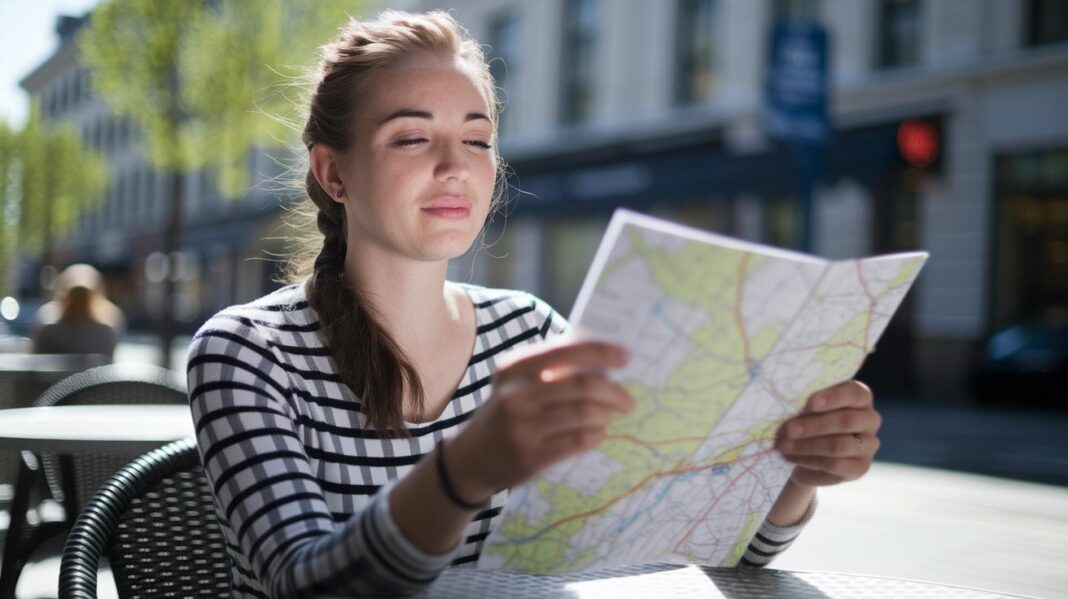

Have you ever felt nervous stepping off a plane by yourself? Traveling solo can be a blast, but it also comes with its own surprises.
I’ve picked up a whole bunch of safety tips over 12 years on the road, and I’m excited to share them with you. Imagine discovering local spots (those secret gems locals love), trusting your gut, and always choosing a cozy, secure place to stay.
You’ll also learn how to keep your digital world safe, kind of like packing smart and staying alert all at once. So next time you set off on your adventure, you’ll feel a lot more confident and secure.
Core Expert Solo Travel Safety Tips for Every Phase of Your Trip
Begin with solid research. With 12 years on the road, these 27 trusted tips are like a map guiding you through new places. Check out any local risks well before you travel, and keep offline maps and Google Translate handy (for when the internet takes a little break). Just imagine reading up on local customs and key phrases before you step off the plane, it really smooths out the surprises.
Next, always listen to your gut. If a spot feels a bit off, don’t ignore that feeling. Share your live location with a trusted friend or family member using apps like iCloud, Life360, or Google Maps. A seasoned traveler once told me that simply having someone know where they were made all the difference in avoiding trouble.
For your lodging, pick a middle-of-the-road room that strikes a balance between security and fire safety. Look for places with 24/7 reception or on-site security, and don’t forget to pack portable door locks and travel door alarms. Using a crossbody sling or money belt instead of a regular purse is another smart trick to safeguard your cash and cards.
Keep your digital and financial info as secure as your passport. Make copies of important documents, both digital and paper, and store them safely. Pack TSA-approved locks and a portable charger to keep your devices powered, ensuring you stay connected no matter what happens.
Finally, always have a backup plan for emergencies. Enroll in the Smart Traveler Enrollment Program and keep a passport copy handy. Make sure your phone is loaded with local data or a local SIM, and you’re all set to travel confidently through every twist and turn of your adventure.
Mastering Situational Awareness in Solo Travel Safety
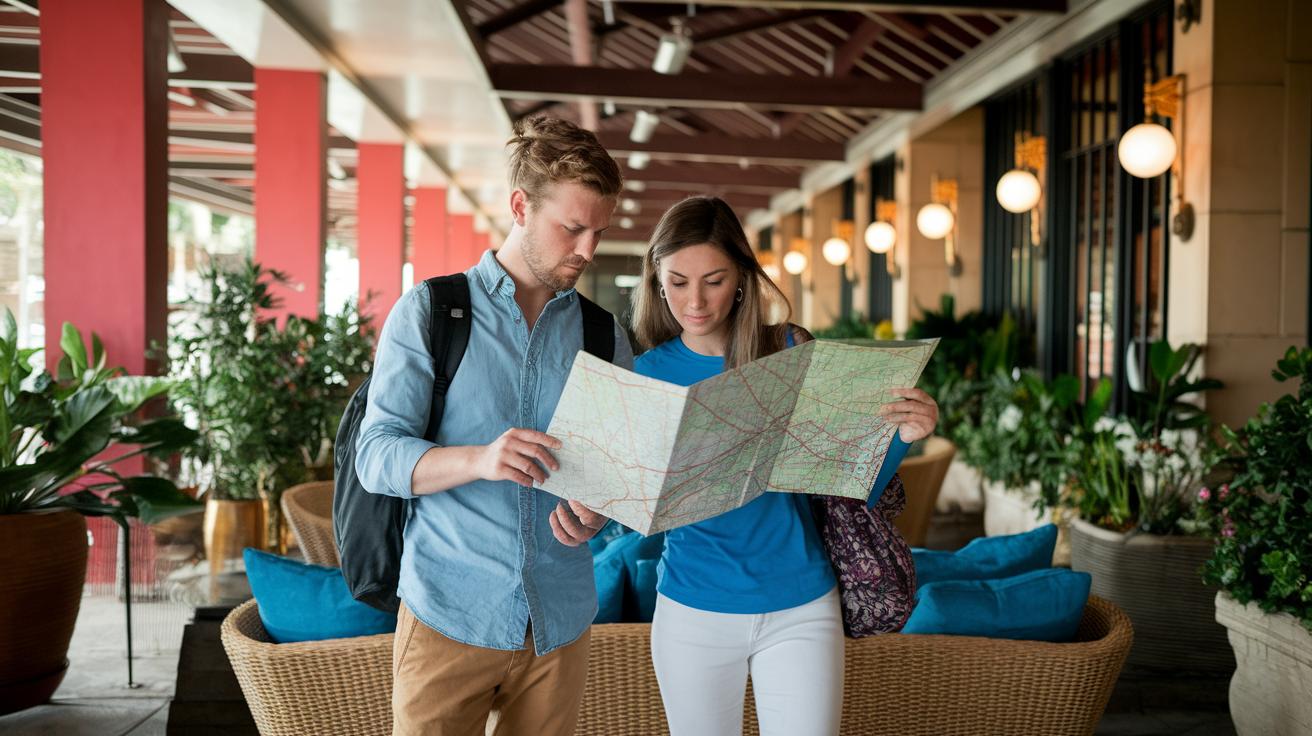
Every time you step into a new place, trust what your gut is telling you. If something feels off, don't ignore that feeling. When you're coming or going at odd hours, especially between 2 and 4 in the morning, be extra cautious because the streets are usually dark and empty.
Before you set out, take a moment to ask your hotel staff or Airbnb host about which public transport stops are safe. Often, these locals know the ins and outs and can steer you clear of sketchy areas. For example, you might say, "Is this the best stop for catching a later bus?" and really listen to what they have to say.
If you're using a ride-share, wait indoors until your car actually shows up. Confirm the driver’s name and license plate on your app before you get in. A quick check can really help you avoid any potential mishaps, safety is worth a little extra time.
- Trust your gut when something doesn't feel right.
- Skip travel during high-risk hours.
- Ask locals about safe transit stops.
- Double-check ride-share details and wait indoors.
Following these simple tips can add a strong layer of protection to your journey, making your travel experience both secure and stress-free.
Securing Your Accommodations: Expert Solo Travel Safety Tips
Choosing a safe place to stay should be your top priority. When you book a room, opt for one on the second or third floor. This spot gives you a quicker escape route while keeping the chance of break-ins low. Adding a portable door lock or travel alarm can boost your sense of security even more.
Before settling in, take a moment to inspect the room. Look for a working peephole so you can see who’s at your door before you open it. Also, ensure that windows have strong locks and that the hallways are well-lit, these little details show that the property values guest safety.
If available, stick with accommodations that offer a 24/7 front desk or have visible security on site. Knowing that there’s someone ready to help can make all the difference when you're exploring solo.
| Safety Measure | Benefit |
|---|---|
| Mid-level Room | Reduces break-in risk while ensuring a quick exit |
| Portable Door Lock/Travel Door Alarm | Provides an extra layer of protection |
| Working Peephole | Lets you check who’s at the door before opening it |
| Sturdy Window Locks & Well-lit Corridors | Show that safety measures are in place |
| 24/7 Front-desk or Security Presence | Offers immediate assistance if needed |
Cultural Precautions and Digital Etiquette for Solo Travel Safety
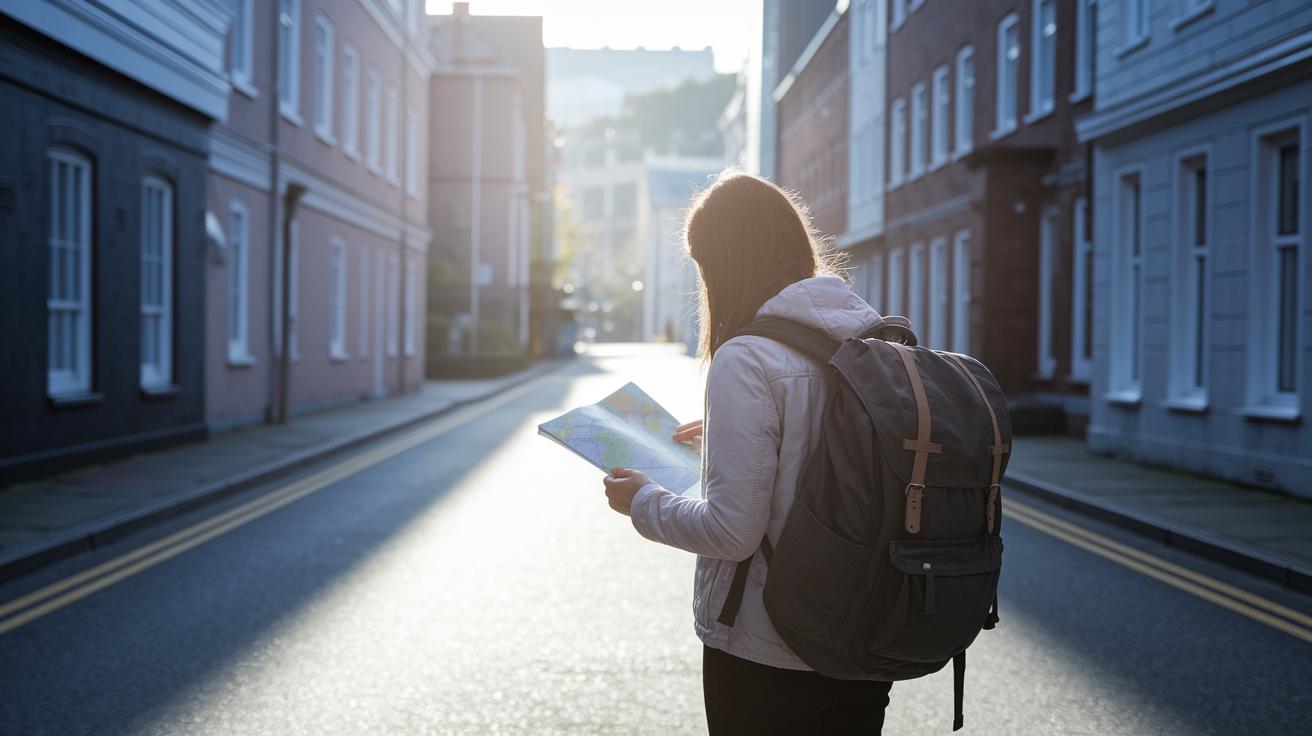
Hey, fellow traveler! When you’re setting out on your solo journey, it helps to be a little cautious about your online posts. Sharing real-time travel updates can unintentionally reveal your exact location, and that’s something you want to avoid.
Instead of posting every exciting moment as it happens, try to keep details like your boarding pass or itinerary under wraps. It might be tempting to share that "I’m all set" moment with a snap, but holding back a bit can keep you safer.
Another great tip is to learn a bit about local customs wherever you go. Ask around, maybe chat with a friendly hotel staff member, to figure out the right dress, greetings, or even rules about photos and alcohol in public spots. These little insights can help you blend in smoothly and dodge tourist scams.
Here’s the gist:
- Respect local norms and dress codes.
- Limit the digital details you share.
- Learn a few helpful local phrases to ask for directions or assistance.
Staying informed and keeping your travel details private not only protects you but also lets you enjoy a much smoother adventure. Happy travels!
Emergency Contacts and Preparedness: Expert Solo Travel Safety Tips
If you're heading out on your solo adventure, sign up for government alerts like STEP so you can get real-time updates directly from U.S. embassies. I always keep clear digital scans of my passport, insurance details, and local emergency numbers, and I tuck away paper copies in a separate, safe spot.
When it comes to travel insurance, don't take any chances. Choose a policy that covers medical evacuations, repatriation, and trip interruptions, think of it as a soft cushion for those unexpected bumps along the journey.
Before you leave, make sure your phone is set up for international data or grab a local SIM card. That way, you’re always connected and ready to dive into your travels with confidence.
Real-World Stories: How Expert Solo Travel Safety Tips Prevented Danger
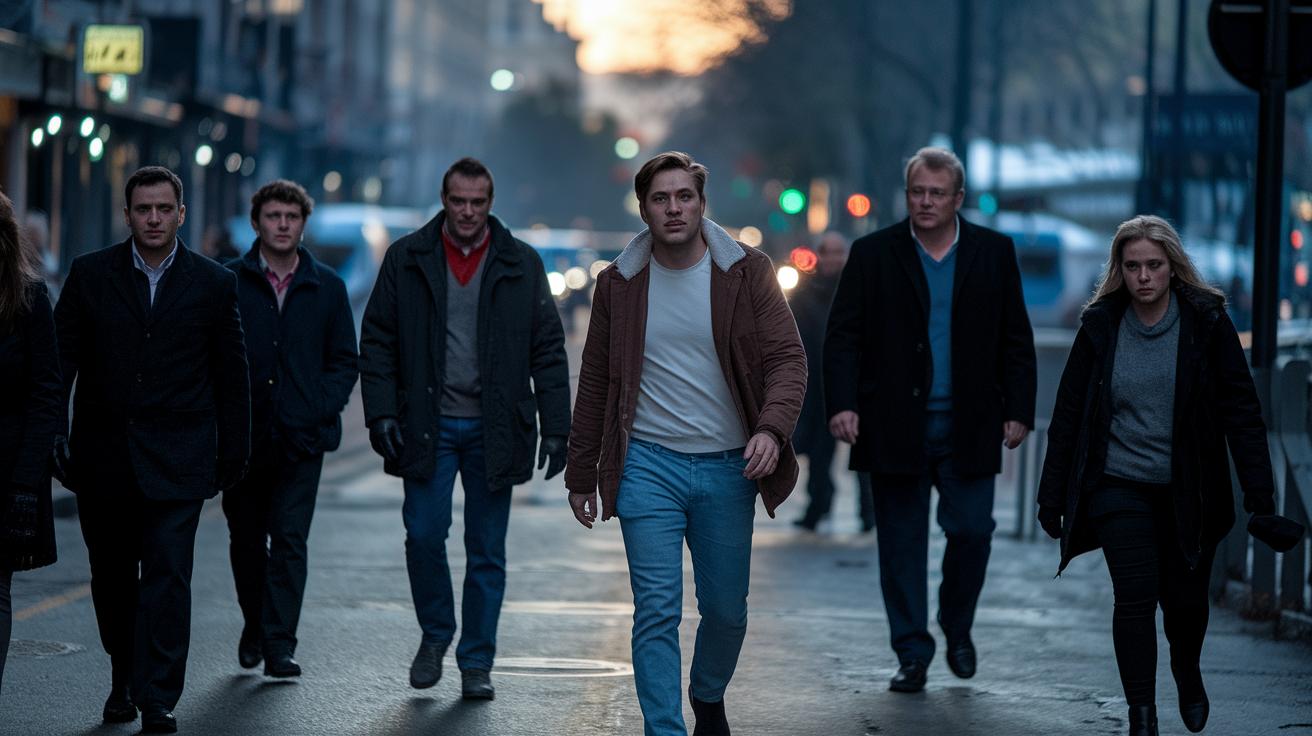
While wandering through a lively city, one traveler noticed unusual behavior that hinted at trouble and quickly made their exit. That quick decision saved them from a potential mugging and turned a risky situation into a safe escape.
On another adventure at a sunny beach, a traveler enjoyed a refreshing swim while keeping their valuables secure in a waterproof fanny pack paired with a keychain alarm (a small device that sounds off when triggered). This simple measure proved its worth when a sneaky act was stopped in its tracks.
Later that night in an Airbnb, a portable door alarm startled an unexpected visitor, proving that even basic safety gear can be a game changer during unforeseen moments.
- One traveler escaped danger by spotting sketchy behavior and leaving the area on the spot.
- A combination of a waterproof fanny pack and a keychain alarm kept possessions safe during a beach swim.
- A portable door alarm successfully warded off a late-night intruder.
- Sharing live location enabled family members to coordinate help when a flight delay stranded a traveler at 3 AM.
These stories remind us that staying aware and packing the right safety gear can truly turn a potentially scary moment into a minor detour on your journey.
Final Words
In the action, you’ve seen how detailed planning transforms solo travel safety into tangible, actionable steps. From researching risks and securing lodgings to respecting local customs and preparing emergency contacts, the guide walks you through every phase. Real-world stories remind us that reliable practices, like using expert solo travel safety tips, bring peace of mind. Keep your eyes open, trust those instincts, and feel confident in your ability to explore safely. Here’s to many more secure and satisfying adventures ahead!
FAQ
What are expert safety tips for women traveling alone?
The expert safety tips for women traveling alone include thorough research on your destination, sharing your location with trusted contacts, and using discreet security items like money belts to help maintain your independence and peace of mind.
What solo travel safety items should you bring?
The solo travel safety items you should bring include TSA-approved locks, portable chargers, a secure crossbody bag, door alarms, and a small first-aid kit, all of which help protect your belongings and personal well-being.
What essential tips can beginners use for traveling alone?
The essential tips for those new to traveling alone involve pre-trip research, verifying ride-share details, choosing safe accommodations, and using emergency contacts while trusting your instincts during each phase of your trip.
How can you manage solo travel with anxiety?
The approach to solo travel with anxiety involves detailed planning, starting with shorter trips, practicing calming techniques, and keeping communication channels open so you feel more secure and in control.
What is the dark side of solo travel?
The dark side of solo travel can include feelings of isolation and stress, along with potential vulnerability if not well-prepared, reminding you to balance independence with caution and proper planning.
What is the best travel company for solo travelers?
The best travel company for solo travelers varies by personal needs; reputable companies emphasize secure itineraries, responsive support, and proven safety measures that fit your unique travel style.
Is two weeks too long for a solo trip?
The idea that two weeks might be too long for a solo trip depends on your comfort level; many find a two-week period ideal for in-depth exploration while allowing enough time to rest and adjust as needed.