

Have you ever wondered if your dream trip to Thailand might hide some risks? Lately, travel updates have suggested caution in a few southern provinces because of unrest. It’s like a friend warning you about an approaching storm, giving you time to change plans before any trouble unfolds.
By staying tuned to official travel advisories (trusted news from local authorities), you can avoid risky areas and truly enjoy your adventure. So, take a moment to plan, and get ready for a fun and safe trip in Thailand!
Official Travel Advisories and Government Notices
On July 25, 2025, the U.S. Department of State bumped Thailand’s travel advisory to Level 2 after reports of insurgent activity and violent clashes in parts of Yala, Pattani, and Narathiwat. Think of it as a friendly heads-up to be extra careful in these areas now under emergency status (emergency means extra caution is needed). For the full scoop, check out the official travel news link provided.
Similarly, Canada and the UK have put out warnings about political unrest in the region. It’s like when your friend mentions a storm that might pop up unexpectedly, you just stay alert. Then, on July 28, 2025, intensive talks between Thai, Cambodian, U.S., Chinese, and Malaysian officials led to a bilateral ceasefire that has cooled tensions for now. But the situation is still evolving, so it’s best to keep an eye on updates.
Officials suggest registering with STEP (a service that keeps you in the loop) and checking embassy travel tips for real-time alerts. In essence, staying tuned to state department, Canadian, and UK travel notices is key to knowing what’s happening. Even though popular spots like Bangkok, Phuket, and Chiang Mai are generally safe, it pays to avoid high-risk zones as recommended.
Keeping up with these advisories means you can adjust your plans on the fly and dodge any trouble. Relying on embassy tips gives you extra peace of mind. So, always check the most current information before you travel. This way, you can plan your trip smartly and enjoy your time in Thailand with confidence.
Regional Risk Assessment Thailand: Southern Provinces and Border Alert
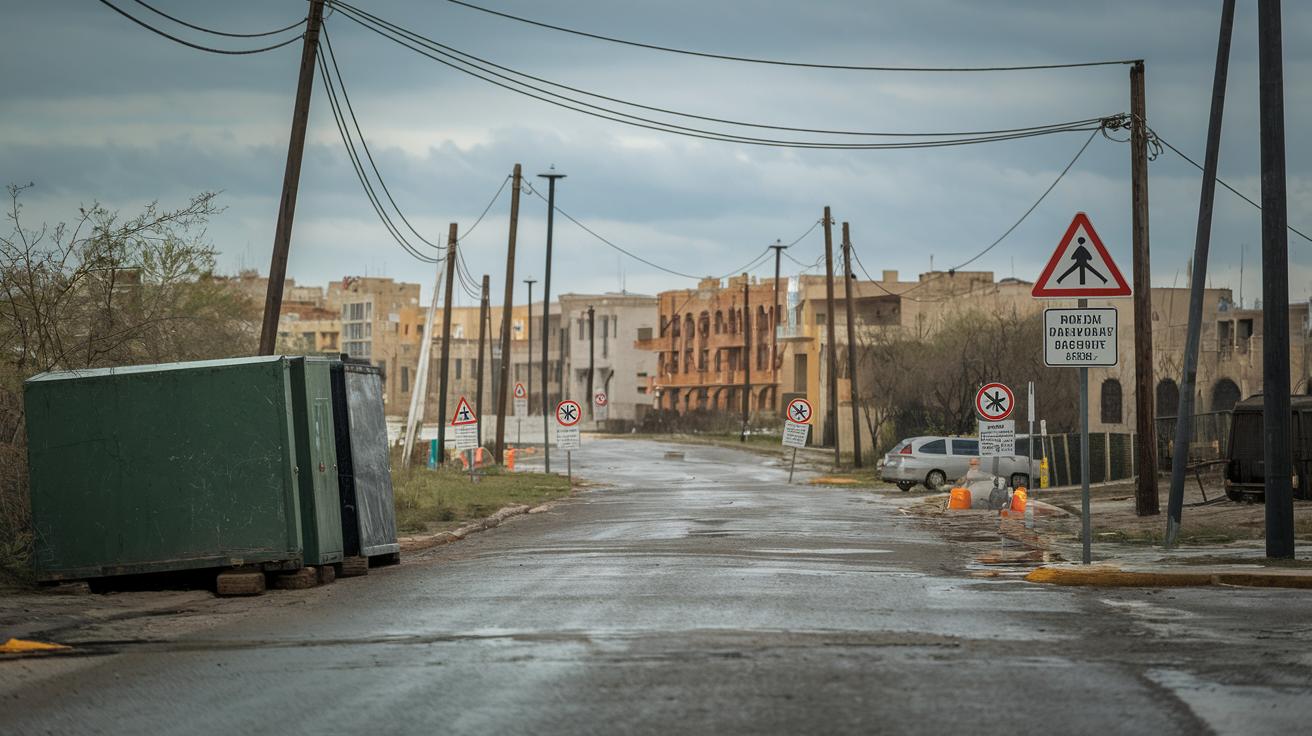
There have been reports of insurrection and violent clashes in 17 districts across Yala, Pattani, and Narathiwat, which are all under a declared state of emergency. On July 24, 2025, artillery and rocket fire exchanged between Thailand and Cambodia led to a suspension of crossings within a 50 km zone. These events show that the risk in this area is very real, so if you're planning any trips, it might be best to keep your distance from these high-risk provinces for now.
Local officials tell us that the situation in these districts changes fast, and it's hard to predict what might happen next. The region has seen several instances of conflict due to ongoing insurgent activities, and this means the danger stays significant. I’d say it's wise to take this as a clear warning and avoid planning travel that includes these specific regions. In truth, it's a good idea to check updated border guidelines and local alerts regularly, kind of like double-checking your travel itinerary as you go.
The zone along the Cambodia border, which covers about 50 km, has become a major concern because of recent artillery exchanges. This means that moving near the border isn’t a good idea. By staying clear of these areas, you're not only avoiding potential danger, but you’re also following official advice. So, before heading out, always look up the latest regional information and be ready for any sudden changes in local conditions.
Travel Restrictions Thailand: Emergency Measures and Border Crossings
Lately, emergency rules have been set up in Yala, Pattani, and Narathiwat, and you'll need a local permit to move around. The latest travel tips now include these permit details along with helpful safety pointers.
The border near Cambodia (within 50 km) has been closed since July 24, 2025, so crossing there isn’t allowed. But after a ceasefire on July 28, 2025, a handful of official crossings have opened up along the Thailand-Cambodia route.
| Region | Restriction | Effective Date |
|---|---|---|
| Yala, Pattani, Narathiwat | Emergency rules with curfews and checkpoints | Declared before July 25, 2025 |
| Cambodia Border (≤50 km) | No crossings allowed | Since July 24, 2025 |
| Thailand–Cambodia Corridor | Limited official crossings after ceasefire | From July 28, 2025 to now |
Safe Travel Tips Thailand: Precautions and Alerts
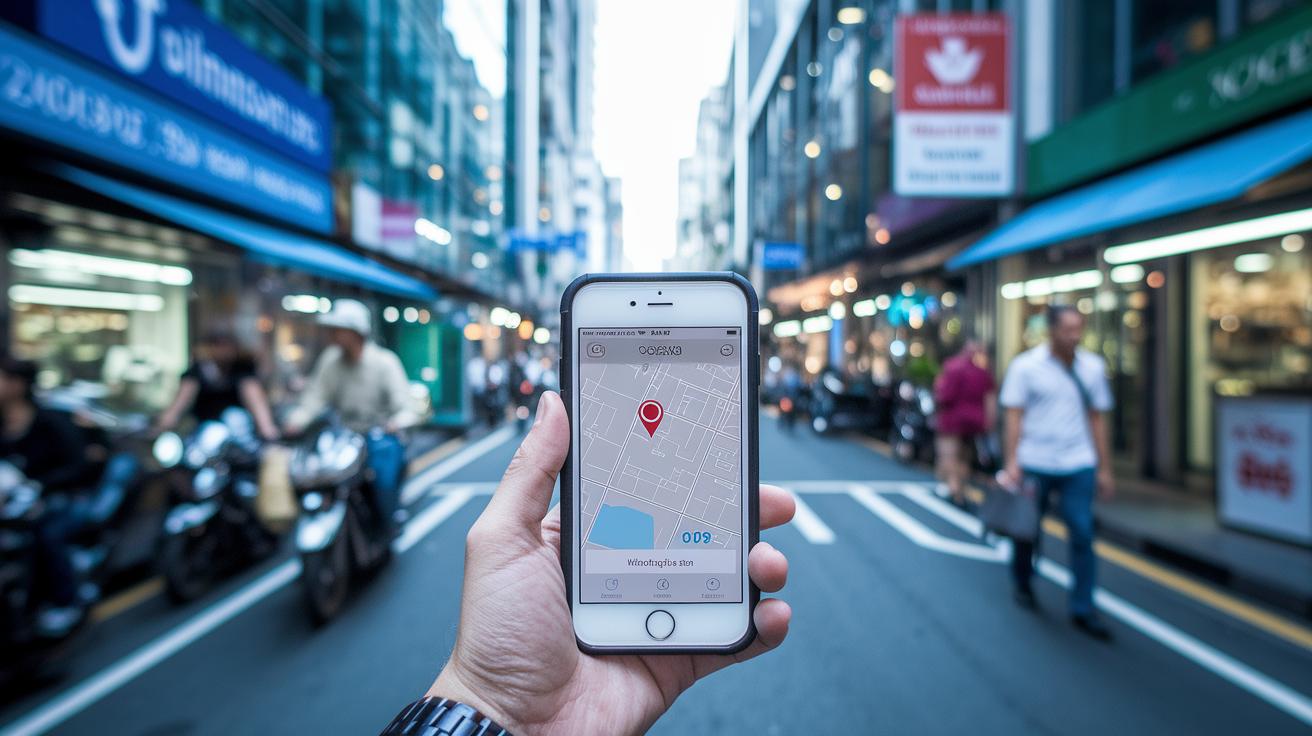
I've chatted with some travel safety experts, and they shared tips that can really smooth out your visit to Thailand. Simple steps like checking local emergency contacts and using alert apps (those handy tools that send early updates) can boost your peace of mind.
One traveler shared, "During a brief disruption, checking local radio updates helped me avoid an unexpected road closure near my hotel." It’s little tips like this that remind you to stay informed and flexible. In fact, surveys show that over 80% of visitors feel more at ease when they follow these practical steps.
Here are some easy things to do:
- Register with STEP and your embassy's alert system.
- Have a clear evacuation and emergency plan ready, and share it with someone.
- Keep an eye on local media and consular updates.
- Jot down important emergency contacts, like nearby hospitals and embassy hotlines.
- Steer clear of advisory zones in the southern provinces and border areas.
Popular Destinations Safety Thailand: Bangkok, Phuket, Chiang Mai
Imagine visiting the lively cities of Bangkok, Phuket, Chiang Mai, and even Koh Samui. Travelers report feeling safe in these areas, as long as you steer clear of a few zones in the far south and near border areas. It’s a bit like hanging out in a friendly neighborhood where locals keep an eye out for you, as long as you follow their tips.
Bangkok gives you the best of both worlds with its buzzing modern malls and bustling traditional markets, all while keeping you updated through local news. Phuket, on the other hand, offers stunning coastal scenes and a variety of welcoming eateries, just make sure you avoid the spots known for higher risks. And then there’s Chiang Mai, where peaceful temples and charming art markets create a relaxed setting for your stay. Koh Samui also charms visitors with sunlit beaches and warm hospitality.
To keep your trip worry-free, checking local updates and following advice from the folks on the ground is a smart move. That way, you can fully enjoy the rich culture and vibrant attractions these Thai destinations have to offer.
Final Words
In the action, this article offered a clear look at official travel advisories and safety updates while spotlighting key restrictions and tips for Thailand. It unraveled essential details like state emergency measures, border alert zones, and practical safety steps to consider. The handy HTML table and bulleted precautions help simplify planning while ensuring your travels remain secure. Staying updated with travel advisory thailand info means you can plan confidently and head off with bright hopes for your next trip. Stay safe and keep exploring!
FAQ
Is it safe to travel to Thailand now?
The travel update indicates that many popular areas remain safe, but advisory zones in the southern provinces require extra caution. Checking current official updates before planning a visit is recommended.
What does the Thailand travel advisory for 2025 say?
The advisory notes a Level 2 status since July 25, 2025, due to insurgent activities and unrest in parts of the south. Always refer to official travel us news for the latest info.
What are the new entry requirements and travel rules for tourists in Thailand?
Updated rules include restrictions in southern provinces with enforced curfews, checkpoints, limited border crossings, and possible permit requirements in advisory zones.
What should first-time travelers know about visiting Thailand?
First-time visitors should concentrate on safe public areas like Bangkok, Phuket, and Chiang Mai, while staying informed about restrictions affecting some southern parts.
Is Thailand safe for single female travelers?
Single female travelers can enjoy main tourist spots safely, provided they follow current advisory notices and avoid high-risk zones in the southern provinces.
How welcoming is Thailand to American tourists?
Thailand remains welcoming for American visitors, even with some localized restrictions. Keeping updated on official alerts helps ensure a secure trip.
Why are some tourists turning away from Thailand?
Some travelers are cautious due to recent emergency measures and travel restrictions in southern regions, which have raised concerns about localized safety conditions.
Does Thailand allow US tourists?
Yes, US tourists can visit Thailand, though they should stay alert to travel advisories and follow guidelines for regions under emergency restrictions.