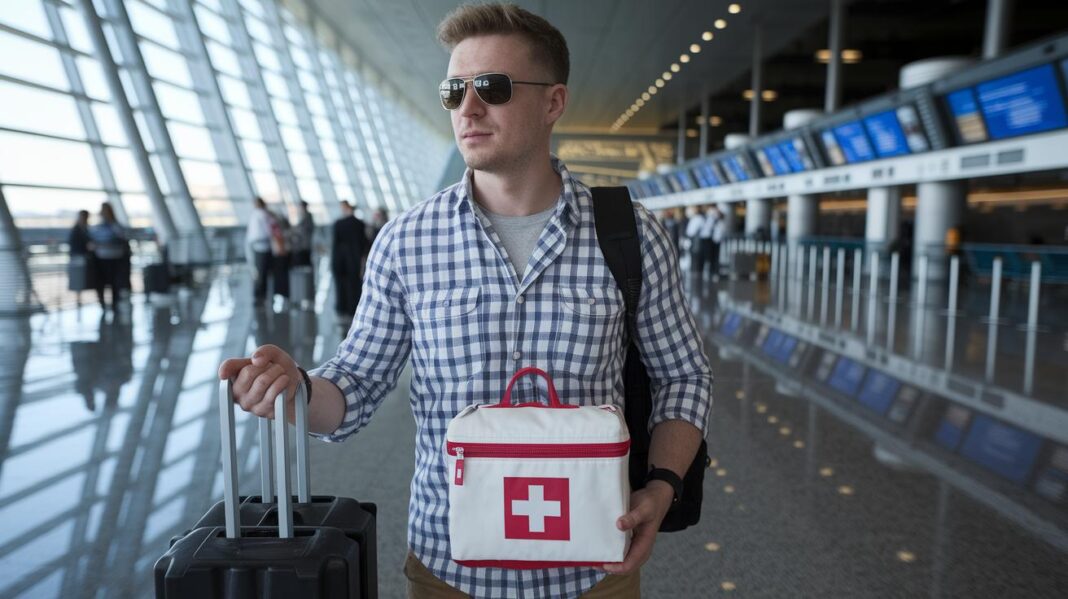

Ever been caught off guard when travel mishaps pop up? Even the best-planned trips can throw surprises your way. Imagine your travel kit as that trusty buddy who’s always there when you get a little cut or burn.
With a few handy tips, you’ll learn how to handle these small health issues quickly and calmly. Soon enough, you’ll feel ready to tackle life's little surprises, letting nothing stand between you and a carefree adventure on the road.
Essential Expert Travel First Aid Guidelines
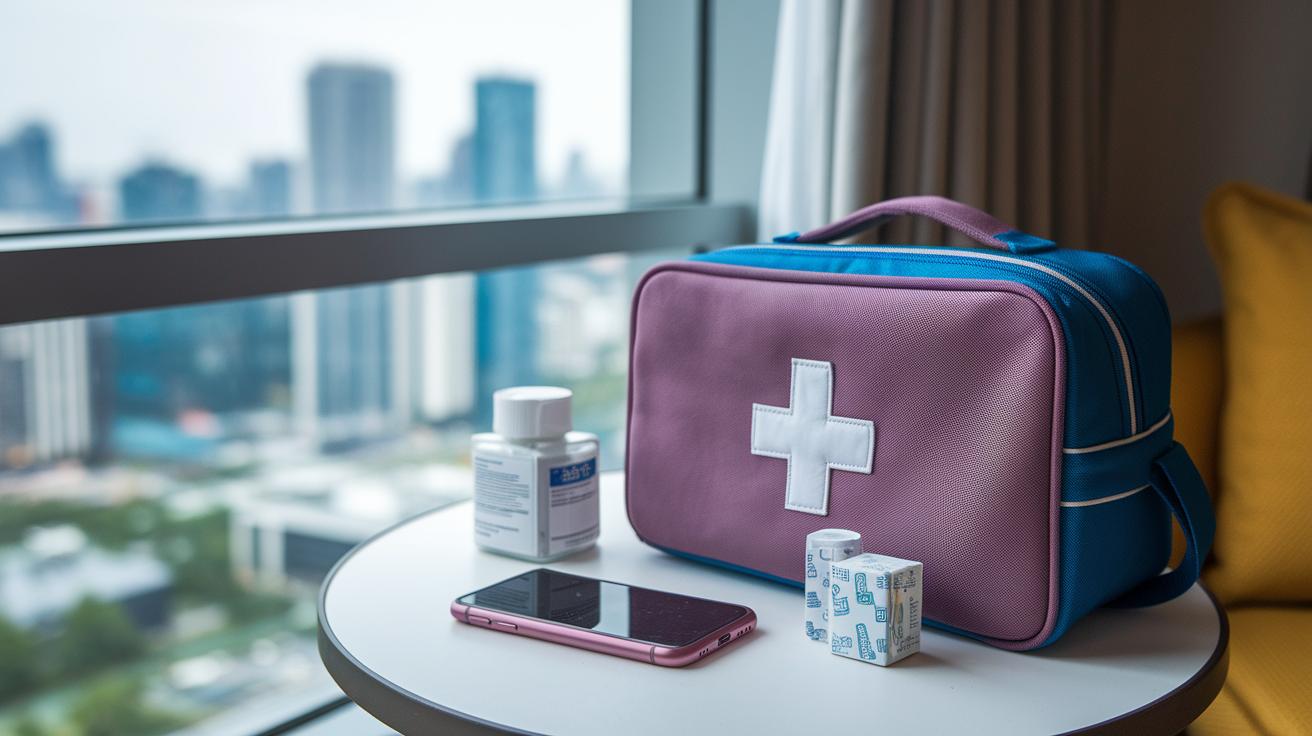
Travel mishaps can happen to anyone, and having the right tips can make you feel much more at ease on your journey. These handy pointers cover everything from treating small injuries to handling health issues that might need quick attention. You can even tailor your kit to suit your destination and personal needs.
Next, let's talk about some easy steps for common issues. You’ll be ready to handle small cuts, burns, and even food-related troubles. And if something more serious pops up, professional help, like international first aid services, can be a real lifesaver.
Here are some practical tips you can use on your travels:
- Build your own first aid kit based on where you’re headed and what you might need, rather than sticking to a basic store-bought kit.
- For a tiny cut or scrape, clean the area with an antiseptic wipe and cover it with a clean bandage.
- If you get a minor burn, run cool (not cold) water over it for around 10 minutes to ease the pain.
- When dealing with burns on your face, gently apply a cool, wet cloth until it feels better. If you accidentally burn your mouth, try holding an ice cube in your cheek for a few minutes.
- In case you pick up something bad to eat, drink small, frequent sips of water or an electrolyte drink to stay hydrated without upsetting your stomach.
- For any severe situation, it’s smart to have contacts for medevac or on-demand telehealth consultations at hand.
Staying prepared really means you’re ready for those unexpected moments away from home. With these travel first aid tips, you set the stage for fun, confident trips and can handle common health issues fast and effectively.
Building Your Essential Travel First Aid Kit
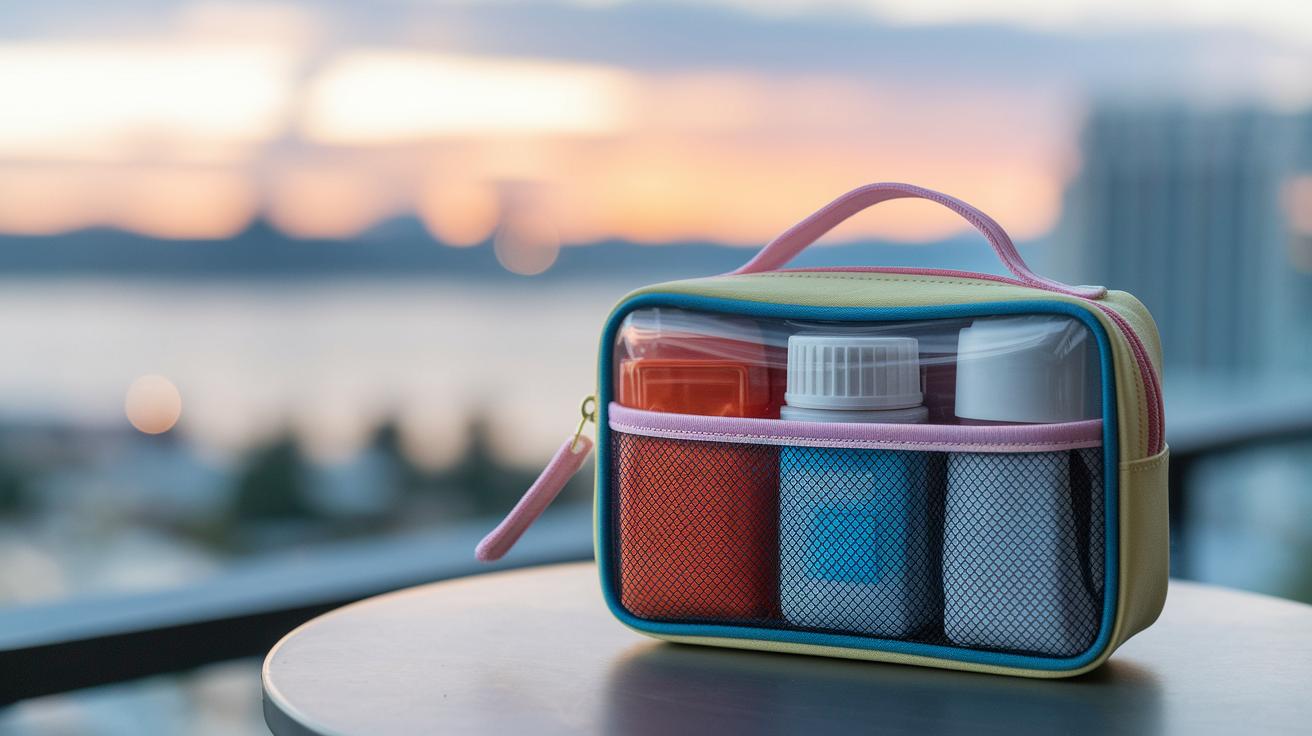
A strong travel first aid kit is like having a trusted buddy on your journey. Pick a small bag that fits into your carry-on or daypack (like your little portable emergency kit), and make sure it has room for all your essentials. Once you’ve found the perfect bag, stock it with everyday items and extras that suit your personal needs. Extra bandages and pain relievers, for example, can really save the day when you're far from home.
Next, add supplies that cover all sorts of minor mishaps. Pack items like antihistamines, burn gel, and oral rehydration salts to manage any small accidents. I like to keep wound care items separate from other supplies by using clear, resealable compartments so everything’s easy to find. The table below shows some core supplies and their purposes, helping you organize your kit smartly.
| Item | Purpose |
|---|---|
| Extra Adhesive Bandages | Covers small cuts and scrapes |
| OTC Pain Relievers | Eases minor aches |
| Antihistamines | Helps with allergies |
| Burn Gel | Relieves minor burns |
| Oral Rehydration Salts | Replenish fluids and salts |
| Sterile Gauze | Covers larger wounds |
| Medical Tape | Keeps gauze in place |
| Tweezers | Removes debris from wounds |
| Disposable Gloves | Ensures cleanliness during treatment |
| Thermometer | Tracks body temperature |
A well-prepared kit lets you tackle small bumps along the way while you focus on the adventure. Safe travels, and enjoy every moment of your journey!
Travel First Aid Preparation and Pre-Trip Medical Planning
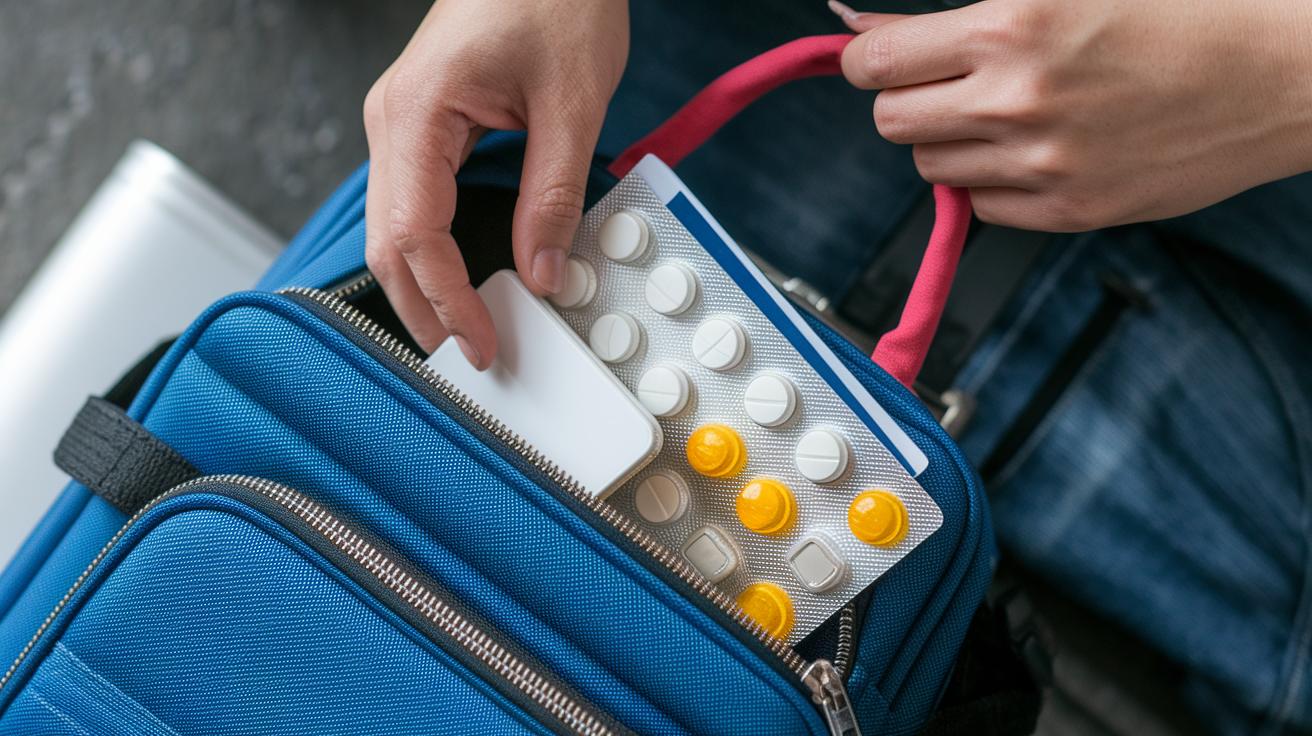
Before you set off on your journey, take a moment to pack and double-check your first aid kit. Make sure every item is in tip-top shape and that your prescriptions (the medications your doctor prescribed) are current and haven’t expired. A quick review like this can save you from surprises later when you need to act fast.
Next, spend some time looking into health risks at your destination. Check travel alerts, talk to local health advisors, and get a feel for nearby medical stops. When you know what to expect, you can tweak your kit as needed and feel more secure, just like having a backup plan for a winding road.
Then, make copies of all your important documents. Keep digital and paper records of your prescriptions, medical history, insurance, and emergency contacts. This way, whether it’s a small mix-up or something more serious, you’ll have everything you need right at your fingertips.
Emergency Travel Care Advice for Common Injuries
Minor Cuts and Scrapes
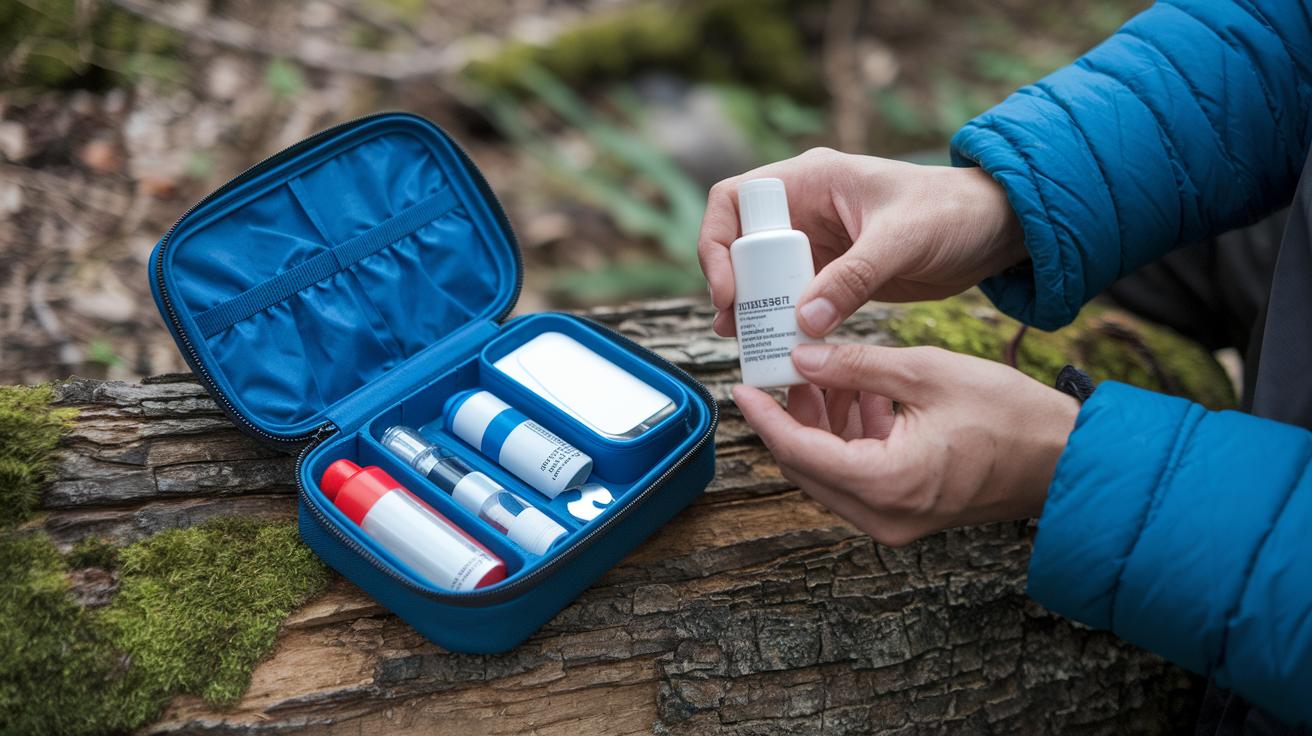
If you get a small cut on your adventure, first rinse it gently with clean water (imagine a quick splash on a scraped hand during your travel). Then, take an antiseptic wipe and clean the area, like giving your skin a little refresh. Finally, cover the cut with a sterile bandage to keep out dust and prevent further irritation.
Treating Minor Burns
When you face a minor burn, run cool water over it for about 10 minutes, this immediate cooling effect helps soothe the skin. Next, apply a thin layer of burn gel or cover it with a non-adherent dressing, like laying a soft shield over the burn. And if the pain starts to rise or the burn seems to worsen, it’s best to seek additional care quickly.
Handling Foodborne Illness
If you’re hit with a foodborne bug, start by taking small, frequent sips of water or an electrolyte drink to keep yourself hydrated, like carefully refueling on a long day out. Pause your travel plans until you start feeling better. And if your symptoms worsen significantly, don’t wait, get professional help right away.
Portable Kit Recommendations and Organization
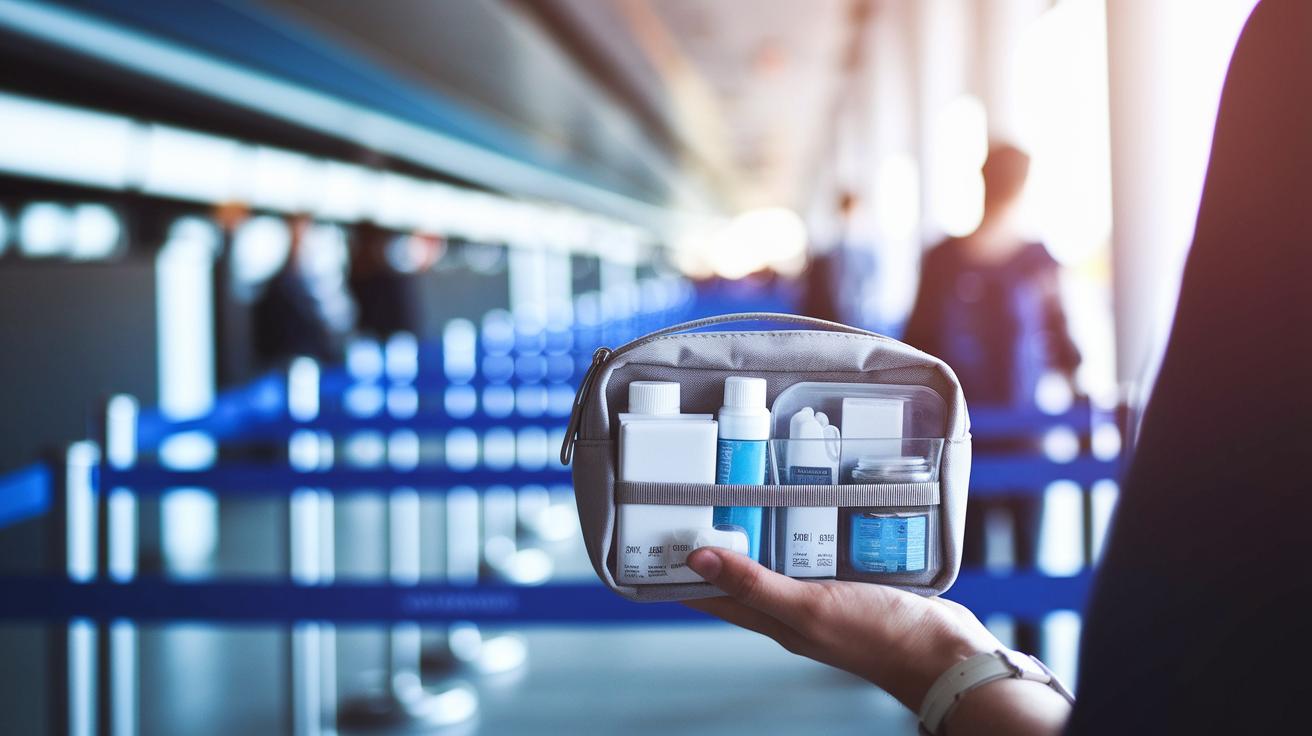
When you put together your travel first aid kit, choose a slim, water-resistant or clear pouch so you can easily see what’s inside. It’s like picking out a smart little case where every item stands out at a quick glance. I remember one time I grabbed a transparent pouch at a busy airport security check, and it saved me loads of hassle.
Next, organize your supplies into separate, labeled compartments. Keep your wound care items, medications, and emergency tools in their own little sections. This smart setup is like arranging your own mini toolbox, each bandage and pill has its spot, so you’re never scrambling when time is short.
Finally, tuck your kit into a part of your bag that stays at a steady temperature, away from extreme heat or cold. This keeps your supplies effective all journey long. For instance, I always put my kit in an inner pocket where it stays cool and ready for action whenever I need it.
International First Aid Support and Telehealth Services
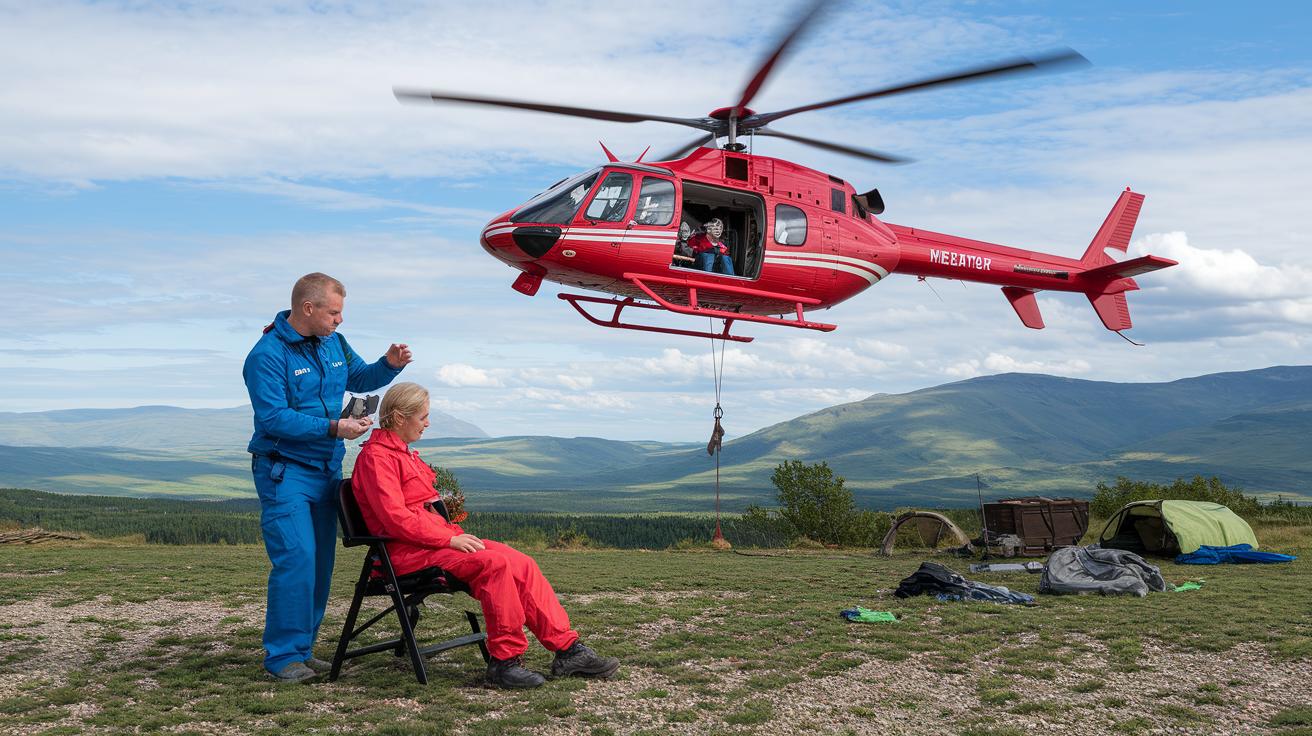
When you're far from home, it's a huge relief knowing that expert medical help is just a call away. Imagine being in a remote nook of the world and still having a lifeline to specialized care, you avoid that sinking feeling when local services just aren't cutting it.
Medevac and Evacuation Services
When accidents or sudden illnesses hit unexpectedly, medevac services step in like a trusted friend. They arrange air or ground transport to a facility that can handle advanced care, working closely with local health teams to patch up any gaps. It's like having a safety net that swoops in right when you need it most.
On-Demand Telehealth Consultations
Sometimes, you're off exploring and local clinics are nowhere to be found. That's where on-demand telehealth comes in handy. With a quick sign-up, you get 24/7 access to certified professionals ready to offer real-time diagnoses, guidance, and even help with prescriptions. It's a dependable way to stay safe and confident, no matter where your journey takes you.
Case Examples of Expert Travel First Aid in Action
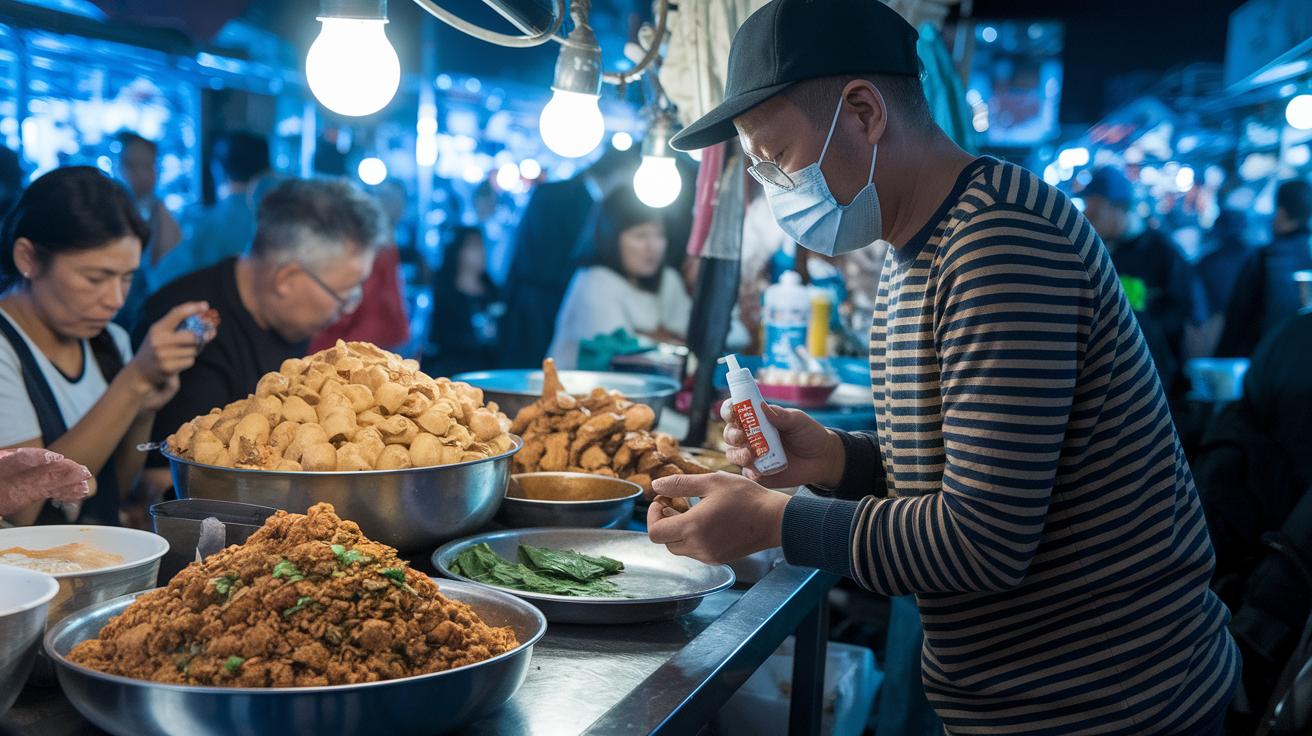
At a buzzing street food stall, one traveler had a little accident with hot oil and ended up with a minor burn. They quickly cooled the area under running water for about 10 minutes before slathering on some burn gel to ease the pain. A follow-up telehealth call later confirmed everything looked good, which really boosted their confidence in handling small mishaps on the go.
In another case, a traveler felt the first signs of food poisoning after tasting a local dish in a seaside town. Feeling queasy, they carefully sipped an electrolyte drink instead of chugging it down, which helped keep dehydration at bay until they could get to a nearby clinic. A professional check-up later showed that the symptoms were well managed, so they could get back to exploring with minimal hassle.
On a remote hiking trail, a hiker twisted their ankle on some uneven ground. They quickly wrapped it with an elastic bandage from their kit and kept the leg elevated to reduce swelling. Realizing more help was needed, they arranged an evacuation with local rescue services, ensuring professional care and a safe recovery before continuing their adventure.
Final Words
In the action, we reviewed step-by-step tips, from handling small cuts and burns to organizing a compact first aid kit and arranging telehealth access abroad. We covered planning essentials, emergency care for food-related issues, and even case examples that put these tips to work. Each point reinforces readiness so you can confidently take on the world with a well-prepared kit. Keep these expert travel first aid tips in hand and set off with the assurance that you’re ready for any unexpected twist on your trips!
FAQ
Frequently Asked Questions
What is the best first aid kit for international travel?
The best first aid kit for international travel includes customizable items that fit your destination’s needs, such as antiseptic wipes, bandages, specific medications, and guidelines for minor injuries so you’re prepared abroad.
What do 20 items in a first aid kit include, and is there a list available in PDF?
A 20-item first aid kit typically covers wound care supplies, OTC medications, and emergency tools. Many resources offer a downloadable PDF checklist to help you pack a comprehensive kit for varying scenarios.
What should be included in a travel medicine kit or travel first aid kit?
A travel medicine kit should cover essentials like sterile gauze, pain relievers, antihistamines, burn gel, rehydration salts, and personal medications, ensuring you’re equipped to treat common injuries and minor ailments on the go.
What are 10 items and 10 basic first aid tips for a first aid kit?
Ten key items include antiseptic wipes, adhesive bandages, gauze, medical tape, pain relievers, antihistamines, burn gel, tweezers, disposable gloves, and a thermometer. Likewise, basic tips focus on staying calm, cleaning wounds, and seeking help when needed.
What are the 5 P’s in first aid and what key skills should one have?
The 5 P’s involve checking for Proper response, Position, Pressure, Protection, and Planning. Essential skills include wound cleaning, bandaging, burn care, and basic emergency responses like managing choking incidents.
What basic first aid tips should travelers know?
Travelers should remain calm, assess injuries promptly, clean and cover wounds properly, treat burns with cool water, sip fluids for dehydration, and always seek professional medical advice when necessary.
What unique items belong in a camping first aid kit list?
A camping first aid kit benefits from durable supplies like blister treatments, insect repellent, extra bandages, antiseptics, pain relievers, and waterproof storage, making it easy to manage common outdoor injuries.