

Ever get that unexpected text saying your flight got canceled? It can feel all kinds of confusing, especially when you’re ready to head out. Airlines now send you a quick message or email with your options, either rebooking your flight or getting a refund (yep, your money back).
New rules mean they handle these surprises with extra care and fast action. Next, you’ll find a clear rundown of how these easy steps help you stay in control of your travel plans, so you can move forward without missing a beat.
Flight Cancellation Update Protocols: Airline Steps for Passenger Notifications

Airlines usually tackle flight changes with a simple, friendly approach. They send you a quick email, text, or app alert, kind of like receiving a text from a buddy who lets you know that things have shifted with your trip. This immediate note gives you the chance to see what options you have and get ready for the next steps.
Next, you’re offered a choice: rebook your flight at no extra charge or grab a cash refund. When the hiccup is on the airline’s side, say, due to maintenance, crew scheduling, or even a delay with fuel or baggage loading, rebooking won’t cost you a dime. But if you’d rather have your money back, just say no to alternate travel credits or new booking options, even if your ticket usually isn’t refundable. It’s all about keeping you in control of your travel plans.
Not every flight change is treated the same, though. If the disruption comes from weather, air traffic control, or security issues, you might only get the basic options without any extra compensation. This clear distinction helps set the scene so you know what to expect before you continue on your journey.
Disruption Communication Systems in Flight Cancellation Update Protocols
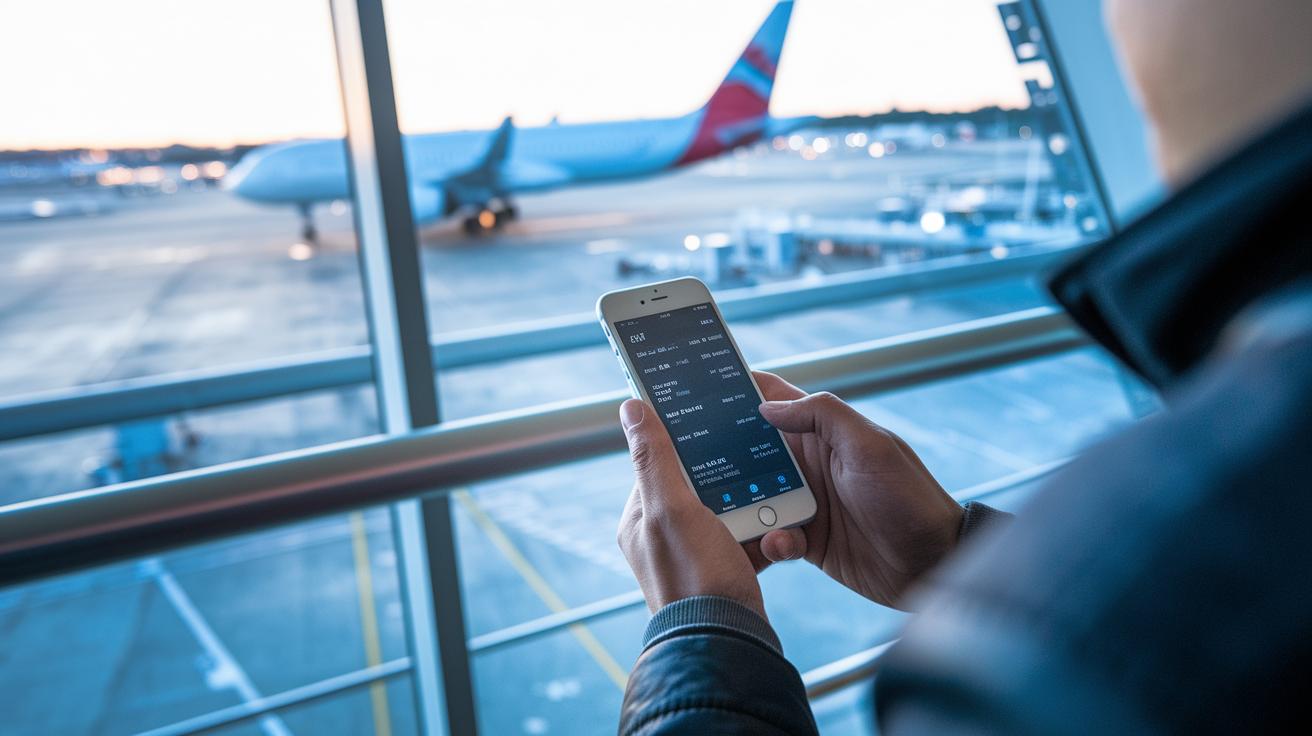
Federal rules now ensure you get an automatic message whenever your flight is either canceled or faces major changes. In 2024, new guidelines made refund messages simpler, so airlines must now tell you right away if you're eligible for a refund or if you can rebook. This setup is all about giving you clear and timely updates about your travel plans.
Airlines now use several digital channels to keep you updated. They send emails, SMS texts, mobile-app alerts, post messages on airport screens, and update their websites with flight changes. And if one method misses you, another will step in, this multi-channel approach helps make sure you never miss out on important info about refunds or rebooking options.
Sometimes, though, airlines fall short of these guidelines. You might head to the airport only to realize you never received any automated notice. This shortfall can leave you confused about your rebooking choices and refund eligibility until it’s too late. It really shows how crucial it is for airlines to stick to these multi-channel updates.
Updated Cancellation Policies and Regulatory Guidelines for Flight Cancellations
Airlines are now on the same page when it comes to getting your money back if your trip takes an unexpected turn. If your flight gets canceled, faces a long delay, or changes too much, they’ll automatically refund you, so you’re not stuck with a nonrefundable ticket if you skip the alternative offer.
The new rules also cover your checked bags and any extra perks you might have paid for, like seat selection or onboard Wi-Fi. Imagine this: if your bag doesn’t arrive in 12 hours on a domestic flight or within 15 to 30 hours on an international one, you’re set to get that baggage fee back. And if those extra services don’t show up after payment, you earn a refund there too.
- Automatic refunds when flights are canceled or changed in a major way
- Full reimbursement for delayed bags at set time limits
- Refunds for any paid in-flight services that don’t come through
- Vouchers or credits valid for up to five years for cancellations due to health-related issues
These updated guidelines mean airlines have to treat you fairly. If you decide to pass on an alternative travel offer, your refund is processed automatically. Plus, they ensure that any delays with your bags or onboard perks are sorted out quickly, giving you one less thing to worry about on your journey.
With these new travel rules, you can set off on your adventures with a little more peace of mind, knowing that if plans shift unexpectedly, your rights are covered.
Flight Cancellation Update Protocols: Efficient and Caring

Imagine a system that's always on the lookout for flight issues. It scans booking databases for signs like maintenance warnings (alerts when a plane might need a check) or flags that indicate crew readiness. When such an issue pops up, the system acts quickly and marks the flight for a closer look.
Next, the platform teams up with real-time booking engines to sort things out. It works like a digital travel agent, immediately offering you rebooking options or a refund. For example, if a crew problem is detected, it reviews your itinerary and comes up with alternative flight choices on the spot.
The best part? You don't have to wait around for someone to get in touch. Thanks to automated triggers and smart booking tech, you'll receive a prompt update, almost like having a personal concierge handling your travel changes effortlessly.
Passenger Rights and Compensation Processes under Flight Cancellation Update Protocols

If your flight is suddenly cancelled or significantly changed, you’re entitled to a refund if you choose not to accept any alternative travel options. It’s like getting a chance to hit the reset button on your plans.
When your baggage is delayed on a domestic flight for more than 12 hours, or on an international flight for between 15 and 30 hours, stop by the airline’s service desk. Ask for a Property Irregularity Report (a simple record of your baggage delay) so you have a reference number, and then submit your claim online.
And if you paid for extra in-flight services like seat selection, Wi-Fi, or entertainment that weren’t provided, you can claim a refund by submitting a detailed request through the airline’s website.
| Case | Eligibility | Required Steps |
|---|---|---|
| Flight Cancellation | You get a full refund if you decline alternative offers | Decline the alternatives and file a refund request online |
| Baggage Delay | Full fee refund for delays over 12 hours domestically or 15-30 hours internationally | Obtain a PIR reference number, then file an online claim |
| Missing In-Flight Services | Refund for services you paid for but didn’t receive | Submit a service-specific claim on the airline portal |
Ensuring Compliance and Escalation in Flight Cancellation Update Protocols

Ever been caught off guard when a flight cancellation update never arrives? Sometimes airlines drop the ball on sending out the right notifications, leaving you unsure whether to sit tight for a new booking or ask for a refund. This mix-up usually happens because of hiccups in their monitoring systems, and it can really throw a wrench into your travel plans.
If you find yourself in this situation, start by saving every piece of communication you get, from emails to text messages. Once you have a record, you can take the next step by filing a complaint with the Department of Transportation, which fines airlines that fail to meet the rules. This not only helps clear up your issue but also encourages the airline to get better at keeping you informed.
Final Words
In the action, we've seen how airlines quickly notify passengers when flights change unexpectedly. We talked about key methods for rebooking or cash refunds and explained why understanding these steps matters.
We also looked at the impact of controllable versus uncontrollable causes on what support you might receive. Every detail helps you know your options.
Keep flight cancellation update protocols in mind as you plan your next trip, and feel confident that clear steps are in place to guide you along the way.
FAQ
Q: What are international flight cancellation update protocols and American Airlines’ flight cancellation update protocols?
A: The international flight cancellation update protocols and American Airlines procedures mean that airlines notify passengers promptly through email, SMS, and mobile-app push notifications, offering rebooking or cash refunds based on their specific cancellation criteria.
Q: How do I get compensation for a delayed flight and what role does a flight delay compensation calculator play?
A: The process for delayed flight compensation means passengers can file claims for delays while using online compensation calculators to quickly estimate potential refund amounts based on delay length and flight details.
Q: What are you entitled to if an airline cancels or reschedules your flight and what are the rules for flight cancellations?
A: The entitlements for canceled or rescheduled flights mean travelers may choose between rebooking or a cash refund, with clear regulatory guidelines ensuring assistance for controllable disruptions while weather-related issues typically follow different protocols.
Q: Where can I find DOT flight delay compensation charts and how do United and Delta provide compensation for delays?
A: The DOT flight delay compensation chart and airline resources mean passengers can access official compensation charts online while United and Delta offer detailed compensation information on their websites to guide claims for delayed flights.
Q: What is the 3-hour rule for flights?
A: The 3-hour rule for flights means that if your flight experiences a delay of over three hours, you might qualify for additional compensation or support, in line with industry guidelines and specific airline policies.
Q: Does American Airlines pay for hotel stays if a flight is canceled due to weather?
A: The policy for American Airlines means that if a flight is canceled because of weather conditions, the airline usually isn’t required to cover hotel expenses since weather is classified as an uncontrollable factor under current regulations.