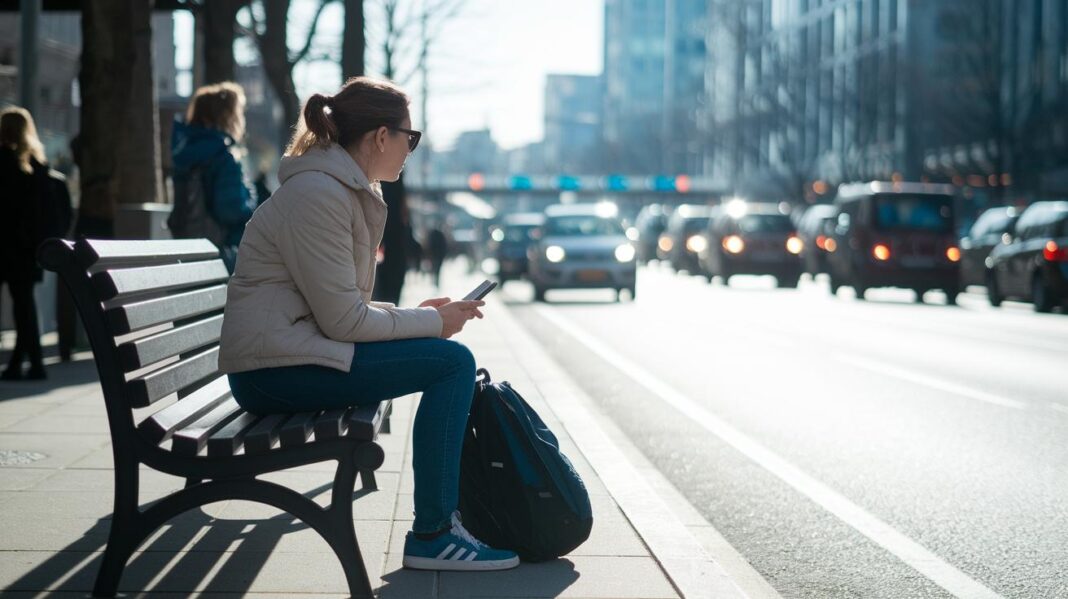

Have you ever wondered if traveling alone means you'll always be worried? It might seem that way sometimes, but plenty of adventurers face unexpected risks on the road.
In this guide, I’m sharing simple, insider tips from real explorers on keeping your belongings safe as you wander solo. For example, using a sturdy padlock (a reliable lock to protect your stuff) or keeping your valuables close when riding a sleeper train can really change your outlook.
So why not boost your confidence with these little tricks? With smart moves like these, you can stay relaxed and enjoy every moment of your adventure.
Insider Tips for Solo Travel Safety: Bold Moves
When you're journeying alone, every little step matters. One smart trick is to lock up your luggage with a reliable padlock. I remember a friend who swore by a heavy-duty padlock on her backpack during hostel hops, saving her pricey gear from sneaky hands. It’s all about keeping your belongings safe when you’re surrounded by strangers.
Sleeping matters too. On long sleeper trains, try to keep your backpack or any expensive gear close by, maybe even tuck it under your pillow instead of leaving it in an overhead bin. I once knew a traveler who kept his backpack right next to him on the train; when the lights went off, it left no room for any unwanted surprises. Small choices like these can make a huge difference.
Another neat tip is to use your "do not disturb" sign to keep housekeeping at bay. A fellow traveler once mentioned that keeping the sign up stopped a casual room check that might have exposed his valuables. And if you’re heading to areas where petty scams pop up often, carrying a fake wallet with just a little cash can be a lifesaver.
Also, spread out your cash and cards in different, secret spots, and always let someone back home know your plans with continuous location sharing. As one traveler put it, sometimes a gut feeling is all you need to steer clear of danger on a quiet street. These little tips can help you feel secure and ready to embrace your adventure.
Solo Travel Pre-Trip Planning and Low-Risk Destination Research

Before you head out on your adventure, take a moment to dig into research about safer spots and make sure you have all your important documents ready. I recommend signing up for the U.S. Department of State’s STEP program because it sends out timely safety alerts. And don’t forget to check current government and country advisories, like a Bali travel advisory, to catch any last-minute changes that might affect your plans. This little homework can really help you choose a destination that feels just right for your comfort and safety.
Next, map out your travel routes by double-checking details with trusted transport providers. Look at reviews and compare service records to make sure you’re booking on the safe side. When it comes to accommodations, confirm all the lodging details and payment methods before you book. I once stuck with trusted vendors, and that choice saved me from a confusing situation in an unfamiliar city.
Also, it’s a good idea to gather emergency contacts from local sources and keep them handy in your phone and on paper. Make both digital and printed copies of your prescriptions, vaccination records, and passport pages. Having these documents within reach can make a world of difference if you ever need quick medical or legal help. By securing a thorough, well-documented plan, you're setting yourself up for a confident and worry-free solo adventure, even when you’re exploring new territories.
Smart Packing and Security Gear for Solo Travel
When you're off on a solo adventure, keeping your travel gear neat and ready can make all the difference. Staying organized not only protects your valuables but also gives you the confidence to wander through busy streets or stay in hostels without secure lockers. It’s like having a little helper by your side that makes your journey smoother and stress-free.
Here are some must-have accessories for a worry-free trip:
- Slash-proof anti-theft backpack (like Pacsafe): keeps your essentials safe from crafty pickpockets.
- Portable door wedge and mini padlock: secures hostel doors so you don’t have to stress about unwanted visitors.
- RFID-blocking passport sleeve: guards your personal details from digital thieves.
- Reliable power bank: makes sure your phone never runs out of juice, so you can call for help when needed.
- Small whistle or personal alarm: draws quick attention if you ever feel unsafe.
- Hidden money belt: keeps cash and cards discreetly secure on your person.
- Cable locks: protect your expensive gear from opportunistic theft.
- Discreet pepper spray (where allowed): offers a non-lethal way to defend yourself.
- Travel locks for suitcase zippers: add an extra layer of security to your luggage.
- Compact first-aid kit: gives you immediate access to basic medical supplies.
Keep these items in a dedicated travel pouch so you can grab them easily whenever the moment calls for it. Enjoy your journey with a little extra peace of mind!
Solo Travel Accommodation and Transportation Safety Tactics

When you’re booking your stay, try choosing a second-floor room. It offers a great mix of security and quick access to exits. Simple checks, like making sure your door locks firmly and using a padlock for your travel bags, can truly be lifesavers. And a quick "do not disturb" sign can keep unwanted room checks away from your valuables.
I once heard about a traveler who stayed on a middle floor and was pleasantly surprised by the security. They stored their luggage in a locker and kept that handy "do not disturb" sign up, so the staff respected their privacy. That simple move helped them dodge any sudden security hiccups.
When you're on the move, always ensure your taxi driver sticks to GPS-guided routes. If something feels off, don't be shy about negotiating the fare or asking for a working meter. Sometimes waiting indoors for your ride-share pickup can really cut down the chance of meeting a sketchy driver. I even heard about someone who asked about the taxi’s license plate, and that quick question saved them from an expensive detour.
Riding a bus or train? Choose a seat near the driver or conductor so you stay alert to your surroundings. And if at any point you feel uneasy, switch train cars or ask for assistance right away. A friend once confirmed a driver’s identity using a photo from their app, a tip that has proven super helpful for avoiding scams.
Digital Defense and Financial Security for Solo Travelers
When you’re exploring new places, keep your online world safe by making sure your phone never auto-connects to public Wi-Fi. I always set mine to avoid random networks and use a trusted VPN (that’s a tool to keep your internet activity private) when I’m out and about. And don’t forget to turn on two-factor authentication for your key accounts, it’s like adding an extra lock to your door. Picture yourself sipping a latte at a cozy café while your digital defenses quietly protect your information.
Keep your money secure by splitting your cash and cards into different hidden pockets. Rather than handing over your credit card where you can’t see it, opt for wireless readers or pay directly at the register so that you stay in control. Having backup cards is a lifesaver if one gets compromised. I remember a traveler who took a moment to survey an ATM before withdrawing cash and spotted a sketchy setup just in time. These little precautions go a long way in keeping your funds safe on the road.
When booking rides, count on reliable ride-hailing apps and always double-check your driver’s details using the app’s information. Look for the driver’s photo and vehicle license number to ensure everything matches up. By staying cautious with both your personal finances and digital accounts, you create a strong defense against fraud and unwanted surprises while you journey from one adventure to the next.
Self-Defense Techniques and Situational Awareness for Solo Travelers
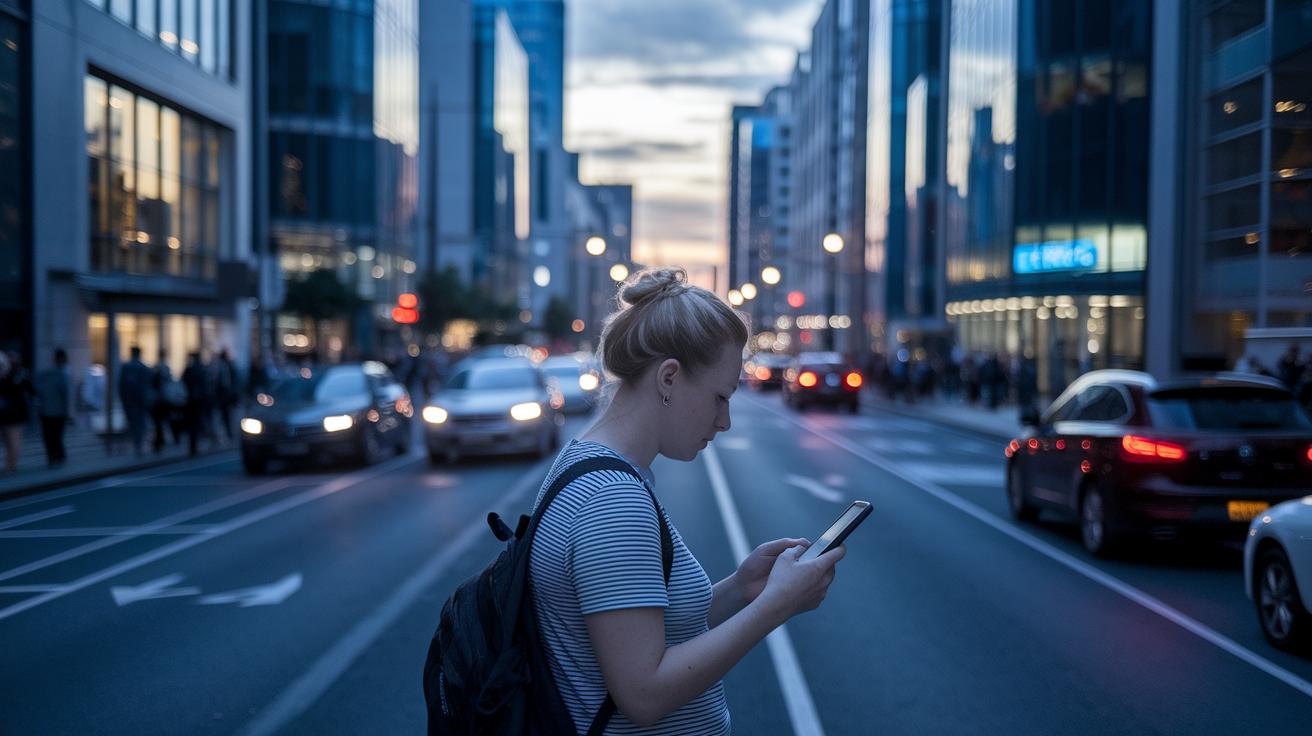
When you step into a new place, take a moment to look around and spot the exits and any things that might be risky. Notice windows, hallways, and corners that are dimly lit, much like checking out a new cafe for a cozy spot. If something feels off, like a street that’s too quiet at dusk, it might be best to go a different way.
Plan your evenings with a little extra care. Use local crime maps (simple guides showing recent reports) to steer clear of problematic areas, and try to stay where people naturally gather. It really helps to avoid too much alcohol so you can keep your senses sharp. And when you’re meeting someone new, let a trusted friend know your plans, it’s like having a buddy system on call. Staying alert means you’ll pick up little signals before any trouble starts.
Learn a few basic self-defense moves such as a palm strike or key pressure hold, think of them as handy tools in your travel kit. Carry a small personal alarm or, if allowed, some pepper spray to quickly distract anyone who might be a threat. Some travelers even wear a fake wedding ring to subtly deter unwanted attention.
Finally, move with purpose. Stick to well-lit, busy areas and always be on the lookout for clear exit routes. Trust your gut, it might just be the best guide on your journey.
Emergency Response and Contingency Strategies for Solo Travel
When emergencies pop up, being ready makes all the difference. Make sure you know the local emergency numbers (available 24/7), keep a phone map saved for offline use, and pack a charged backup battery. It also helps to have digital copies of your passport and important papers. Imagine having a map on your phone guiding you to the nearest clinic when your network fizzles out. These simple steps keep you calm and set you up for quick help when surprises occur.
Next, learn the local hospital and police routines to build your own response plan. Keep a mini first-aid kit handy and join safety chat groups for live alerts. Separating a bit of cash solely for emergencies can be a lifesaver in a pinch. I once heard a traveler say that knowing these little protocols turned a frightening moment into just another twist in the journey, showing how preparation truly keeps you in control.
Finally, get solid travel insurance, about $56 a month can cover things like evacuations and other emergencies. With a little extra spending on digital backups and a spare battery, you're ready for both health and legal surprises. Knowing where to go for help and having a basic first-aid kit gives you that extra peace of mind, so you can face any unexpected challenge with steady confidence.
Final Words
In the action, this post served up practical tips for keeping solo travel safe, from packing smart gear and verifying accommodations to securing digital information and having emergency plans ready. The advice was shared in clear, friendly detail that paints a picture of real travel moments and common sense steps that make a difference. Every tip adds a layer of confidence for any explorer seeking unique insights. Embrace these insider tips for solo travel safety and step forward with optimism on your next trip.
FAQ
What insider tips for solo travel safety have been shared on Reddit and in PDFs?
The insider tips shared on Reddit and in PDFs advise trusting your instincts when selecting accommodations, enabling location sharing with a trusted contact, using sturdy padlocks on your bags, and keeping cash hidden in different spots.
What female-specific insider tips help ensure safe travel when traveling alone as a woman?
The female-specific tips suggest staying alert to your surroundings, carrying discreet safety items like a personal alarm, researching secure lodging, and sharing your full itinerary with someone for added peace of mind.
What essential solo travel safety items should one pack for a secure trip?
The key safety items include slash-proof backpacks, small padlocks, RFID-blocking passport sleeves, personal alarms, hidden money belts, and a compact first-aid kit, which all help keep your belongings and yourself secure.
What solo travel tips can beginners use to stay safe while exploring on their own?
Tips for beginners include confirming lodging details in advance, verifying transport options, enrolling in trusted travel safety programs, checking up-to-date local advisories, and planning a secure itinerary before departure.
What travel safety practices help keep you safe when traveling alone?
The best practices involve turning off auto-connect on public Wi-Fi, using a VPN for online protection, splitting your cash and cards into multiple secure spots, and verifying ride-share drivers using app features.
What concerns are often raised about the dark side of solo travel?
The dark side of solo travel often centers on issues like theft, scams, and isolation. Many worry about becoming a target in unfamiliar settings despite using available safety measures.