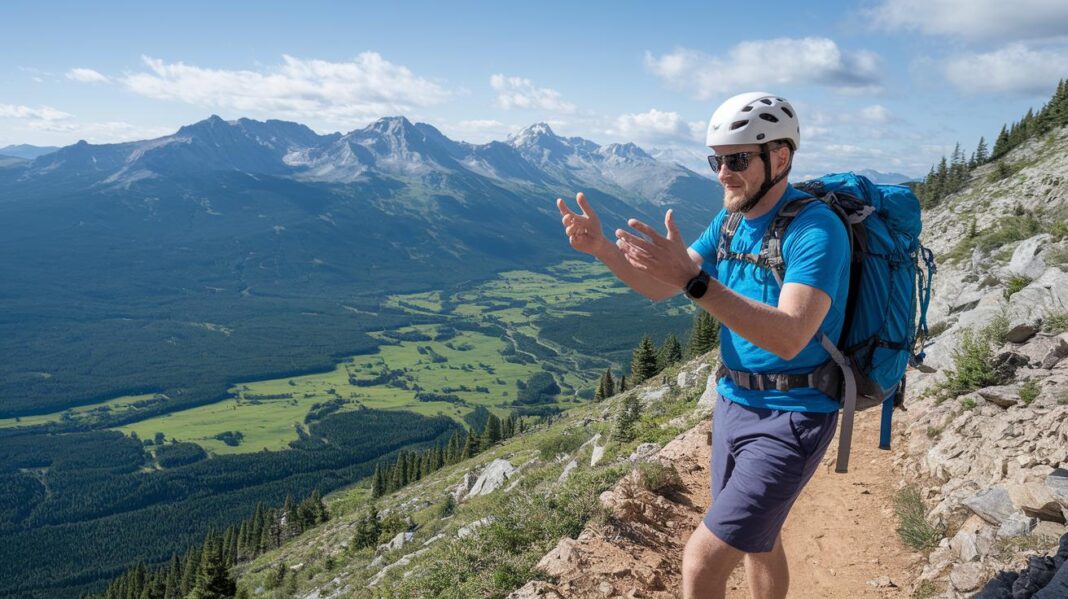

Ever thought your daring plans might need one extra safety trick? Travel pros say a little extra care can turn a wild adventure into confidently fun experiences. Imagine knowing just what to do when local warnings or sudden weather changes surprise you. This guide shares real advice from seasoned travelers who found that small precautions make a big difference. With these trusted tips, you can hit the road with excitement while always keeping safe.
Essential Expert Advice for Adventure Travel Safety
Before you head out on your adventure, do some solid research and keep an eye on things. Check the latest government travel advice (like the updates from the State Department) so you know about any risks. Local weather and news can change quickly on a trip, and even a small shift might mean you need a new plan. "Before embarking on a remote trek, I learned that even a minor local shift can transform an entire plan." This little fact shows why staying alert really matters.
Next, make sure you have great ways to stay in touch. Register with your embassy through programs like the Smart Traveler Enrollment Program to get emergency alerts without delay. Keep a list of local emergency contacts in your bag, think police, ambulance, or the closest embassy. When unexpected moments pop up, having these details handy means you know exactly who to call. And don’t forget to pack a solid travel document so you’re ready for anything.
Finally, share your detailed travel plan with a trusted friend or family member. Instead of posting your route online, send it privately and update it as things change. Being ready to adjust your plans, like taking a different route if a new risk shows up, can make the difference between a smooth trip and a scramble. These proactive steps keep your journey safe and fun, letting you explore with confidence.
Expedition Risk Assessment Techniques for Adventure Travel Safety
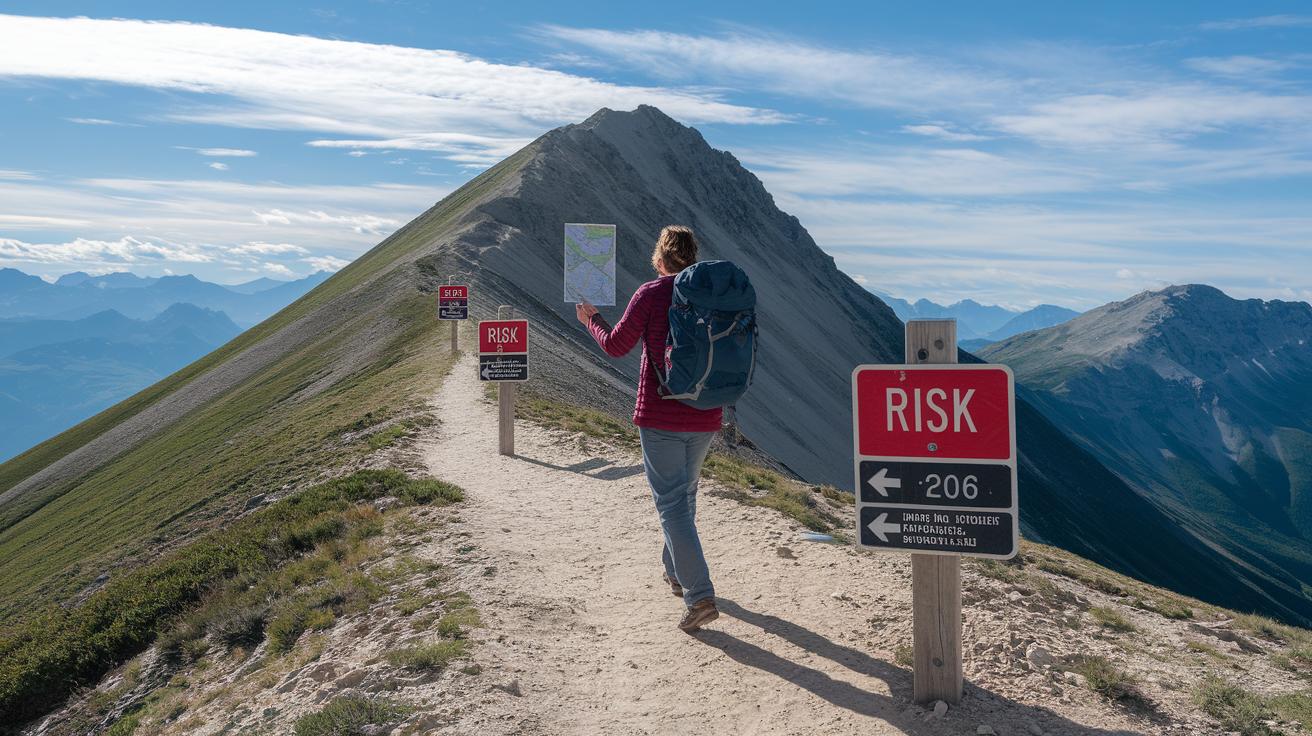
When planning your adventure, first think about the big risk factors. Look into the landscape (think rocky trails or slippery paths), weather patterns, and local safety stats. Picture yourself checking a winding mountain pass for signs of recent landslides or ensuring a coastal town stays clear of flooding. Each detail gives you a peek at the challenges that might pop up.
After that, set up a simple risk scoring system. List potential hazards and mark them as low, medium, or high risk, sort of like rating the thrill of a roller coaster. A narrow trail by shaky cliffs might earn a high-risk tag, while a well-kept path on calm weather could be low risk. This method lets you compare different routes and decide which adventure fits your comfort level.
Then, keep a close eye on high-altitude conditions that can shake up the risk scene. Up high, the air thins, temperatures flip quickly, and the weather can be unpredictable. Imagine how a sudden cold snap or a brisk change in wind might throw off your plans, much like a photographer adjusting their lens in shifting light. High altitudes can pile on both physical strain and new dangers, so extra caution is key.
Finally, blend your risk scores into a tailored travel plan. Plan your route to sidestep unstable slopes, flood-prone areas, or spots known for animal crossings. Adjusting your path based on these insights helps you dodge potential pitfalls while keeping the thrill alive. This smart approach means your journey stays as safe as it is exciting.
Wilderness Security Advice & Outdoor Hazard Prevention for Adventure Travel Safety
When you're out exploring nature, it's good to remember that the outdoors can be as challenging as it is beautiful. Rough paths, sudden weather changes, and hidden bumps along the way might catch you off guard. Imagine walking on a rugged trail where loose rocks crunch underfoot and fallen branches hint at potential surprises. Keeping an eye on local weather alerts can really help you steer clear of any mishaps.
Staying safe starts with having the right gear. Think about it this way: sturdy boots make a world of difference on rocky trails, helmets protect you when you're climbing, and life jackets are must-haves for water adventures like kayaking. I once swapped my regular jacket for weather-rated clothing on a rainy day, and it made me feel so much more secure! Taking your time and planning breaks along the way lets your body settle into the journey without any rush.
Handling encounters with wildlife and sudden shifts in the weather has its own set of tricks. Try to travel during the brightest parts of the day and make a bit of noise to let animals know you’re coming, this small step can go a long way in avoiding surprises. And of course, staying well-hydrated and adjusting your pace to match the weather conditions keeps you feeling comfortable and alert.
Remember, a little preparation goes a long way on your adventurous paths. Enjoy the journey and stay safe out there!
Key Survival Strategies & Survival Kit Essentials for Adventure Travel Safety

When you set out on an adventure, nothing beats the peace of mind that comes from being well-prepared. A solid survival kit and smart strategies turn unexpected challenges into small detours on your epic journey. With the right gear at hand, you feel ready to tackle surprises on any trail.
Here are some essentials to pack along:
- Pack a small first aid kit for treating minor cuts and scrapes, think of it as your on-the-go doctor.
- Bring along a handy multi-tool to help with repairs and quick fixes when you need them most.
- Include a fire-starting kit that can spark a flame even when the weather is less than friendly.
- Don’t forget a water purification system, so you can always sip safe, clean water on those long days of travel.
- Have an emergency shelter ready to serve as a quick refuge when nature’s moods turn rough.
- Carry a personal locator beacon or satellite communicator to send an SOS when you find yourself in a pinch.
- Stash some hidden cash separately from your regular wallet as a backup when usual payment options fail.
- Pack signaling devices like a whistle, mirror, and flares, and add basic navigation aids such as a compass and physical map to guide rescuers if needed.
Tailoring your kit to the environment makes all the difference. In sunbaked, arid regions, a lightweight water purifier and extra water options are a must since water can be scarce. In chilly mountain areas, extra thermal clothing and a sturdier shelter can guard against sudden cold snaps. And when wandering through dense jungles, a compact first aid kit and effective signaling tools become your best friends since help may be far away. No matter if you’re climbing frosty peaks or trekking through humid jungles, being prepared means you’re ready for every twist and turn on your adventure.
Backcountry Emergency Response Planning & Communication for Adventure Travel Safety
Before you venture far into nature’s playground, make sure you jot down your emergency contacts, like local EMS, police, and even nearby embassies, in your travel notebook. This simple step ensures you know exactly who to call when cell service is nowhere in sight. Pack useful gadgets like satellite phones, mobile alert systems, and offline map apps, so you’re never too far from help. Imagine activating a beacon after an unexpected stumble on a rugged trail; a quick response can turn a minor hiccup into just a small detour.
If you’re traveling solo, a little first-aid know-how goes a long way. Spend some time learning basic first-aid skills (think treating fractures, hypothermia, or dehydration on remote paths) so you feel confident when emergencies arise. Carry a compact first aid kit and practice using it like you’re running a quick drill. You might even check out some insider tips on solo travel safety (link provided) to boost your confidence. This hands-on approach turns uncertainty into a ready-for-anything mindset, keeping you safe no matter what the backcountry throws your way.
Gear Inspection Checklists & Technology Tools for Adventure Travel Safety
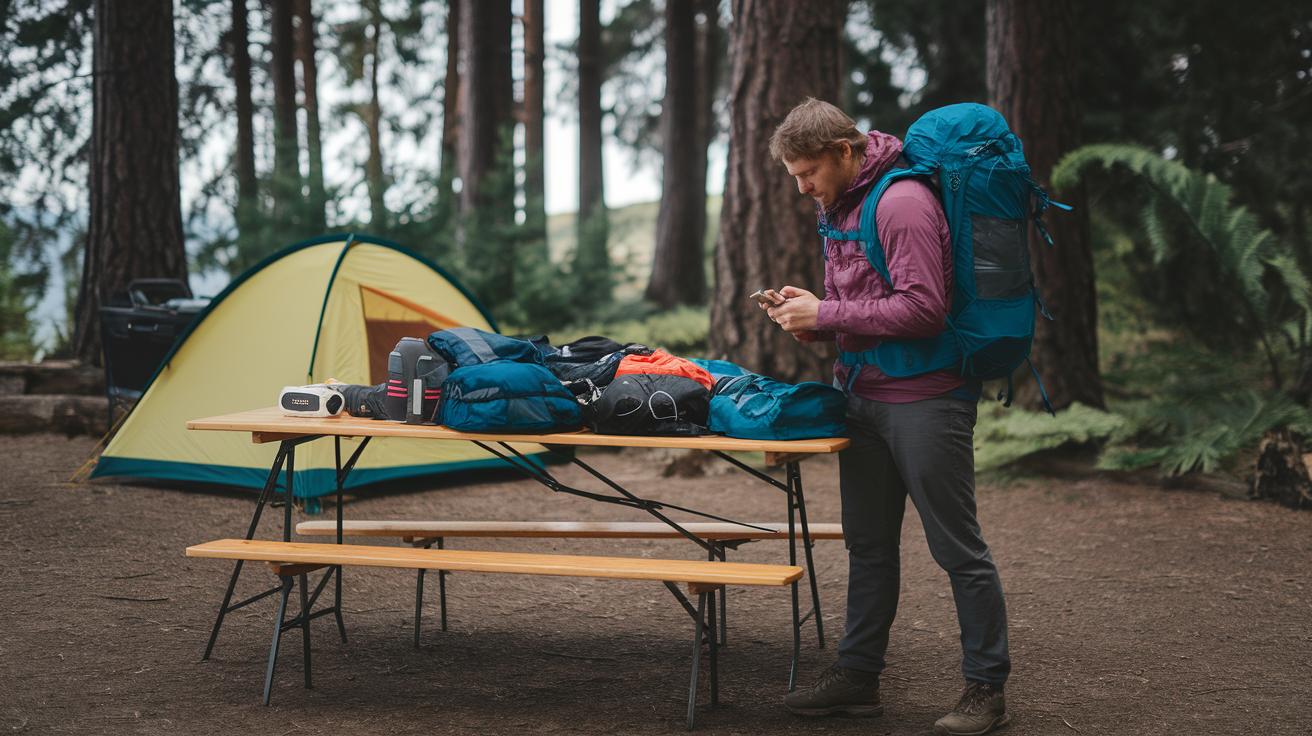
Gear reliability is the foundation that keeps your adventure safe and fun. Checking your equipment carefully is like setting up a friendly safety net before you set off. For example, making sure your hiking boots and helmet are in great shape can save you from unexpected bumps along the trail.
- Look at your footwear tread and make sure it grips the ground well.
- Check your helmet to confirm there are no cracks or damage.
- Give your harness straps a once-over to ensure they are secure.
- Inspect your tent's seams to be sure it will keep the water out.
- Run a quick test on your GPS so your route is tracked correctly.
- Check the battery levels on your headlamp and portable power bank.
- Make sure your portable door alarm is working like it should.
- Test your personal alarm whistle to confirm it sounds clearly.
- Try out your multitool knives to see that the locks work properly.
- Go through your compact repair kit to ensure nothing is missing.
Now, mix in some digital safety tools and you're all set for the journey ahead. Safety apps offer handy features like offline maps, weather alerts, and even SOS signals (a quick distress message) that act as extra backups when nature surprises you. I like to run through my gear checklist and then sync up my devices, double-checking that the group-tracking feature is active so my loved ones can always stay in touch. This two-layer plan, combining solid gear checks with smart digital tools, gives you the confidence to explore every twist and turn on your path.
Physical Readiness Exercises & Mental Resilience for Adventure Travel Safety
Staying physically ready sets you up for a fun adventure. Try adding in endurance workouts like hiking with a loaded pack, climbing stairs, or doing resistance training to build muscle and boost stamina for rough trails. A few balance exercises and stretches help keep you steady on uneven ground. Imagine confidently stepping over tricky obstacles after your practice, it's like unlocking a new level of trail fun!
Eating well is just as important as training hard. Stick to a high-protein diet, sip electrolyte drinks, and grab energy-packed snacks for that steady boost during long days outdoors. It’s like fueling up with premium power that helps your body recover quickly and keeps you alert for every twist of your journey.
Taking a moment to clear your mind can make all the difference, too. Practice a few deep, mindful breaths and picture yourself handling unexpected challenges. These little pauses work like a mental reset, keeping your focus sharp when you need it most.
Boosting your confidence is the icing on the cake. A quick routine of stress drills combined with a bit of positive self-talk can turn surprises into opportunities for growth. Soon, you’ll stroll into each new challenge with a smile, ready to enjoy every step of your adventure.
Route Optimization & Safety in Remote Regions for Adventure Travel Safety
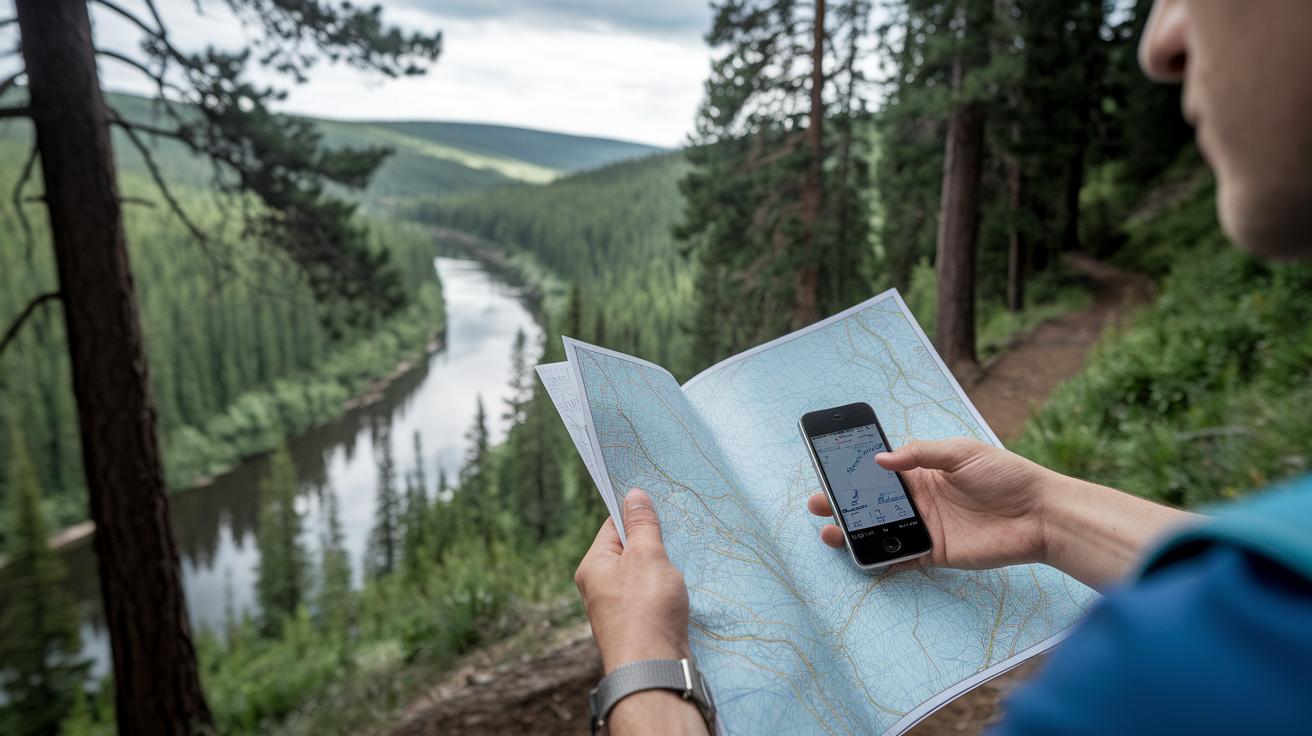
Before you head out, take a good look at your maps. Rely on detailed topographical maps and GPS guides (those are digital pointers that help you along the way) to steer clear of spots where landslides or floods might happen. I once planned a hike and saw that a river bend could swell after rain. So, I switched to a slightly higher path and turned a risky moment into a smooth ride. Planning a backup exit route keeps you ready for any twist along the journey.
When you’re on the trail, keep an eye on updated reports and use hazard-mapping tools. They quickly alert you to any changes, like slippery surfaces or unexpected obstructions. Picture yourself pausing for a midday break and checking your handheld device; a flood warning might prompt you to choose a safer part of the trail. This kind of vigilance helps you face any surprise hazards with confidence.
Keep your plans flexible. If the sky suddenly darkens and daylight fades sooner than expected, it’s smart to lessen your pace and stick to well-lit parts of the route. For example, if heavy rain is in the forecast, shorten your distance or switch to a route with clear exit options. By checking in on your plans and being ready to adjust, you weave safety into every step of your adventure.
Final Words
In the action, the article unraveled smart strategies, from checking government advisories to setting up clear communication channels and securing your itinerary. Each section painted a clear picture of risk assessment, outdoor precautions, and essential gear checks for safe travel.
You now have a compact guide of expert adventure travel safety tips to help make every excursion smoother and safer. Embrace these insights and keep your travel plans flexible, you never know when a little extra care will turn a good trip into a truly great one.
FAQ
Q: What are expert adventure travel safety tips for 2021?
A: The expert adventure travel safety tips for 2021 advise checking official advisories, registering with your embassy, sharing your secure itinerary with a friend, and using safety apps that send immediate emergency alerts.
Q: What are the best travel apps for safety?
A: The best travel apps for safety include offline maps, real-time weather updates, and SOS alert features. They give quick access to critical information and help connect you with emergency services when needed.
Q: Is solo travel safe and how can solo female travelers protect themselves?
A: The idea that solo travel is safe relies on careful planning. Solo travelers should secure documents, share their itineraries with someone, use trusted safety apps, and trust their instincts to steer clear of risky areas.
Q: What should be in a solo travel bag?
A: A solo travel bag should carry your travel documents, a compact first-aid kit, essential gadgets like power banks, a backup cash stash, and multipurpose tools so you remain prepared yet unburdened.
Q: What are the top three travel tips and the best travel tip for staying safe while traveling?
A: The key travel tips include reviewing current advisories, sharing your detailed itinerary with trusted contacts, and utilizing safety apps for emergencies. These measures provide a strong foundation for safeguarding your trip.
Q: What is the biggest concern people face while traveling?
A: The biggest concern while traveling is managing unexpected emergencies, such as sudden health issues or security risks. Preparing with insurance, emergency contacts, and a solid safety plan can ease these worries.
Q: What is the best travel insurance for solo travelers?
A: The best travel insurance for solo travelers covers medical emergencies, trip cancellations, and lost belongings. This type of policy gives extra security and peace of mind when exploring new environments.
Q: What travel essentials should every traveler pack?
A: The core travel essentials include accurate travel documents like your passport, a secure itinerary, a compact first-aid kit, reliable communication devices, and safety apps that provide timely alerts wherever you go.