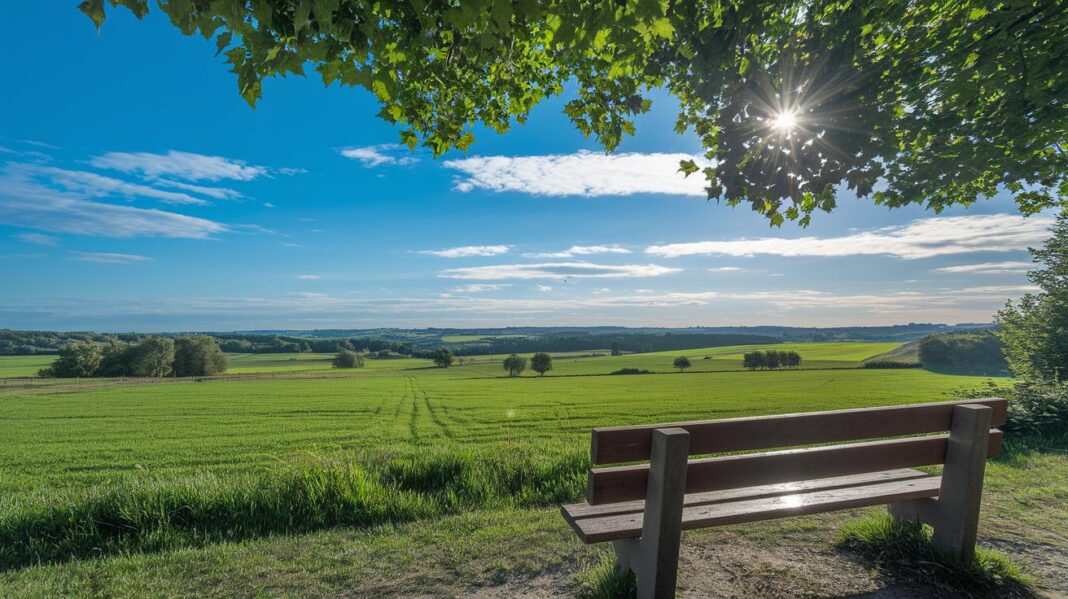

Ever felt a special connection to a place, like it’s whispering its secrets to you? It’s not just about snapping a photo, it’s about soaking in every detail, from the weathered bricks to the genuine smiles of the locals (people who live there).
Imagine jotting down quick notes in your travel diary as you wander, each observation adding a colorful line to your own little story. Next, this simple guide will help you put together a shot list that captures everyday moments, letting you see how every picture reflects the true spirit of a destination.
Get ready to discover the magic hidden in each snapshot, it's like finding a tiny piece of a bigger adventure.
Capturing Ambiance Extraction: Techniques for Essence Portrayal of a Place
Begin with a simple plan before you set off. Write down your ideas like you’re sketching a travel diary, think about themes such as local architecture, everyday scenes, sweeping landscapes, celebrated landmarks, traditional clothing, warm faces of locals, and little stories that emerge naturally. It’s like mapping out your own itinerary for capturing a place's true vibe.
Use a notebook, a quick spreadsheet, or even a handy app to organize these themes. Aim to snap at least five striking photos for each one. Imagine spending ten days in Bhutan: one day devoted to the rustic charm of historic buildings, and another to the vivid hues of summer rice fields. It’s a playful mix of planning and spontaneity that brings the spirit of a destination to life.
Keep your eyes peeled for the details. Notice how weathered stone on an ancient structure contrasts with the lively buzz of a street market. Sometimes it’s those unplanned moments, like a candid shot of a narrow alley in the rain, that truly tell the story of a place.
As you wander through new territories, use your shot list as a treasure map. Jot down your impressions, feel the textures and moods around you, and let the natural rhythm of the location steer your camera. For instance, while exploring near an old bridge, I once saw kids playing with water reflections, a spontaneous moment that captured the essence of local joy. Stick to your plan, and your images will resonate with the genuine energy of every destination you visit.
Capturing Environment Depiction: Observational Strategies for Locale Reflection

To truly reveal a place’s personality, look for both the grand landmarks and the little details that add up to its story. Think about iconic spots like Punakha Dzong, sun-drenched summer rice terraces, or even the dramatic cliff setting of Tiger’s Nest monastery. It’s all about mixing your planned shots with those unexpected moments that bring a scene to life.
Try spicing up your shot list with a few creative tricks. First, play around with light and angles, experiment with soft sunlight against deep shadows to bring hidden textures into view. For example, capture a weathered doorway in the gentle, golden light of dusk to highlight its enduring character.
Then, dive into the everyday rhythm of the locale. Photograph locals during their daily routines, whether they’re preparing a meal or stealing a quiet moment. Imagine capturing a craftsman completely absorbed in his work, it’s a window into the soul of the community.
And don’t be afraid to experiment with motion and focus. Using a slow shutter speed during a rainfall or when movement blurs the background can add a fluid, almost magical sense of time. Try this out: let water droplets dance in midair during a sudden downpour with a long exposure.
When local celebrations are in the mix, check out the insider guide to local festivals and events at https://jettlaggin.com?p=1989. With these advanced observational techniques, you’ll not only capture the planned beauty but also the spontaneous pulses of everyday life.
Capturing Memory Voyage: Creative Exercises for Scene Interpretation
When you try to capture a place's unique light and vibe, mix its tangible details with the unspoken feelings each corner holds. Draw the textures, light shifts, and building shapes while quickly scribbling down your mood. For example, notice how the soft glow of a sunset over old walls makes you feel as if time slows down.
Record the sounds around you. Capture snippets of local chatter, street tunes, or even the gentle rustling of leaves, and pair these with quick video clips. They bring back clear, auditory memories that keep your visit alive.
Next, map your day with a simple drawing or jot down your sensory impressions every hour. Write about unexpected details like the scent of fresh rain on warm pavement or the cool touch of a stone in your hand. These little observations add magic to your journey.
- Note key observations.
- Write short prompts.
- Sketch inspiring details.
When you take photos, pause and really look at each detail before pressing the shutter. Observe, then frame your shot so that both the visible and hidden elements tell a bigger story. Let your memories settle and grow.
Capturing a Place’s Character Study: Using Narrative for Spirit Illustration

Get out there and chat with locals, ask about their stories and listen deeply. Strike up a friendly conversation with an artisan at a small stall and find out about long-held customs or that quirky local celebration. It’s these heartfelt moments, like a shop owner reminiscing about childhood in a once-vibrant neighborhood, that add rich layers to your photos. For instance, snap a candid street portrait and caption it with something simple like “A vendor remembers family recipes while arranging bright produce.”
Next, mix these conversations with images that naturally tell a story. Even a rain-kissed street or a worn market stall can reveal so much about everyday life. It’s okay to experiment with shots that aren’t perfectly polished, sometimes, their imperfections capture the true soul of a community. Use short captions to tie your images to the stories, such as “A weathered smile hints at decades of change.”
Try setting yourself a small goal, aim for five narrative-driven photos in each category. This little target keeps your project on track while exploring local traditions. Don’t forget the details: a pair of hands holding a weathered relic, a quiet moment on an old bench, or even the hustle and bustle at a busy corner. Embrace each character as they are; by combining their unique stories with your visuals, you can create a captivating character study that really shows the spirit of a place. For even more local secrets and authentic cultural insights, check out https://vasthysfriends.com?p= when you meet these enterprising locals.
Capturing Visual and Auditory Imprints: Photograph Fragment and Soundscape Echo Methods
This technique links each photo with a specific sound. Start by setting your audio recorder to 48kHz and choose a unique noise (maybe a quick clap) to serve as your cue. For instance, snap the picture and then say “click” so you can match the sound to the image later.
When it’s time to edit, use your camera’s timecode feature or a handy clapper app on your phone to line up each audio clip with its matching photo. One local festival showed that pairing clear ambient sounds with vivid images can fuel a strong, emotional response. A photographer even shared that blending the soft murmur of a crowd with a close-up of performers made the picture come alive, like the sound was sharing its own secret tale.
- Record in high quality (like 48kHz) and use those sync markers.
- Use timecode features or a clapper app to match every sound piece to its photo.
- Experiment with different background sounds to see how they change the viewer’s mood.
Final Words
In the action of capturing a place’s unique vibe, the tips above invite you to get hands-on. We explored creating custom shot lists, recording ambient sounds, and gathering local insights that paint a true picture. These steps help you document everything from iconic landmarks to everyday moments. Let your camera and recorder work together to tell a real story of local life. Remember, each method shows you how to capture the essence of a place in your very own way.
FAQ
What is the essence of a place?
The essence of a place is its unique mix of cultural, historical, and natural vibes captured through careful observation. It reflects the feelings you experience when you truly look around.
What is the 20-60-20 rule in photography?
The 20-60-20 rule in photography advises dividing your image captures into three groups: 20% planned frames, 60% narrative and ambient shots, and 20% spontaneous moments, to create a balanced visual story.
What are the 4 pillars of landscape photography?
The 4 pillars of landscape photography are light, composition, perspective, and mood. They work together to create images that not only show technical skill but also evoke the natural spirit of a scene.
What is the 3:1 rule in photography?
The 3:1 rule in photography focuses on balancing composition by having three parts of the background complement one part of the subject, ensuring a harmonious and engaging image.