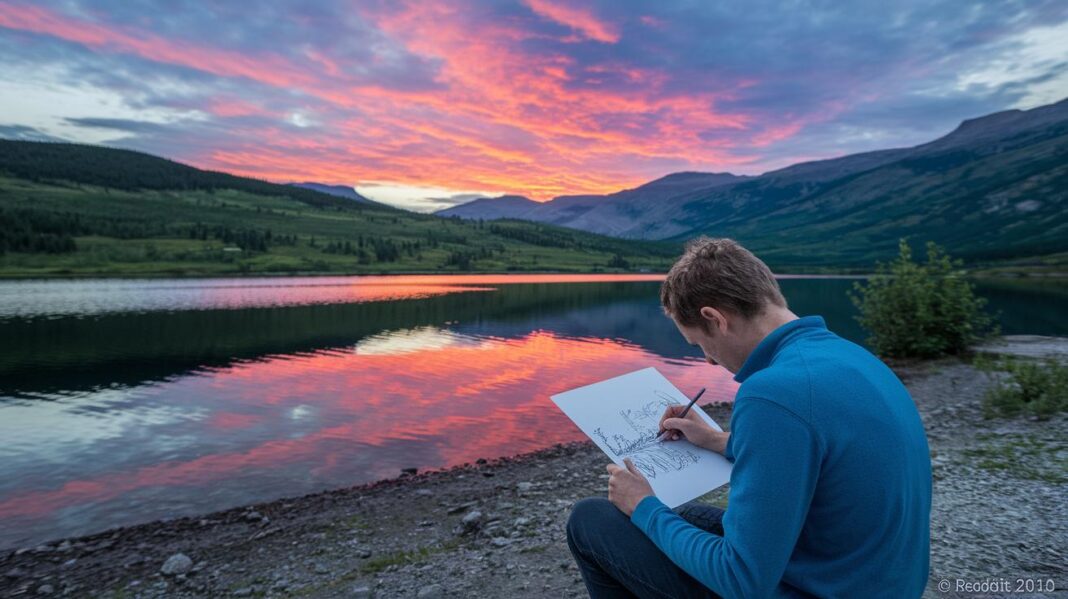

Ever wondered if one photo can reveal a city's hidden soul? Sometimes, a quiet street scene or a lone café captures magic that guidebooks overlook.
When you take a closer look, the little things, a soft glow on wet cobblestones, the gentle buzz of locals, or the tempting aroma of fresh pastries, whisper secrets about where you are. It’s like finding hidden treasures in every corner.
This guide isn’t just about snapping pictures; it’s about feeling a place with all your senses. By staying present and noticing those gentle details, you can capture the true character of any destination.
Next time you explore, let your camera become a tool for storytelling. Trust me, each detail you notice brings the city to life in a way that words alone can’t describe.
Capturing the Essence of a Place: Observation & Mindset
A curious mindset lets you see more than just the surface. When you’re really present, you catch those small details that might otherwise slip away. So, take a deep breath and really look around, a busy market can transform into an unexpected story waiting to be discovered.
When you're open to surprises, you begin to see things in a whole new way. Every local whisper or the gentle beat of everyday life turns into a vivid sensation. This fresh perspective makes each journey feel like an immersive adventure, where every color, sound, and texture comes alive.
• Embrace the moment and tune into every sense
• Notice the sounds, smells, and textures all around you
• Do a bit of homework on your destination before you arrive
• Jot down your thoughts, sketch scenes, or make a quick audio note
• Chat with locals for that genuine, off-the-beaten-path insight
Think of these tips as your personal travel toolkit, perfect for sharpening your eye and connecting deeply with each place. They guide you to capture not just images, but the very soul of where you are. By weaving these habits into your adventures, you turn everyday moments into stories that truly resonate.
How to Capture the Essence of a Place with Photography
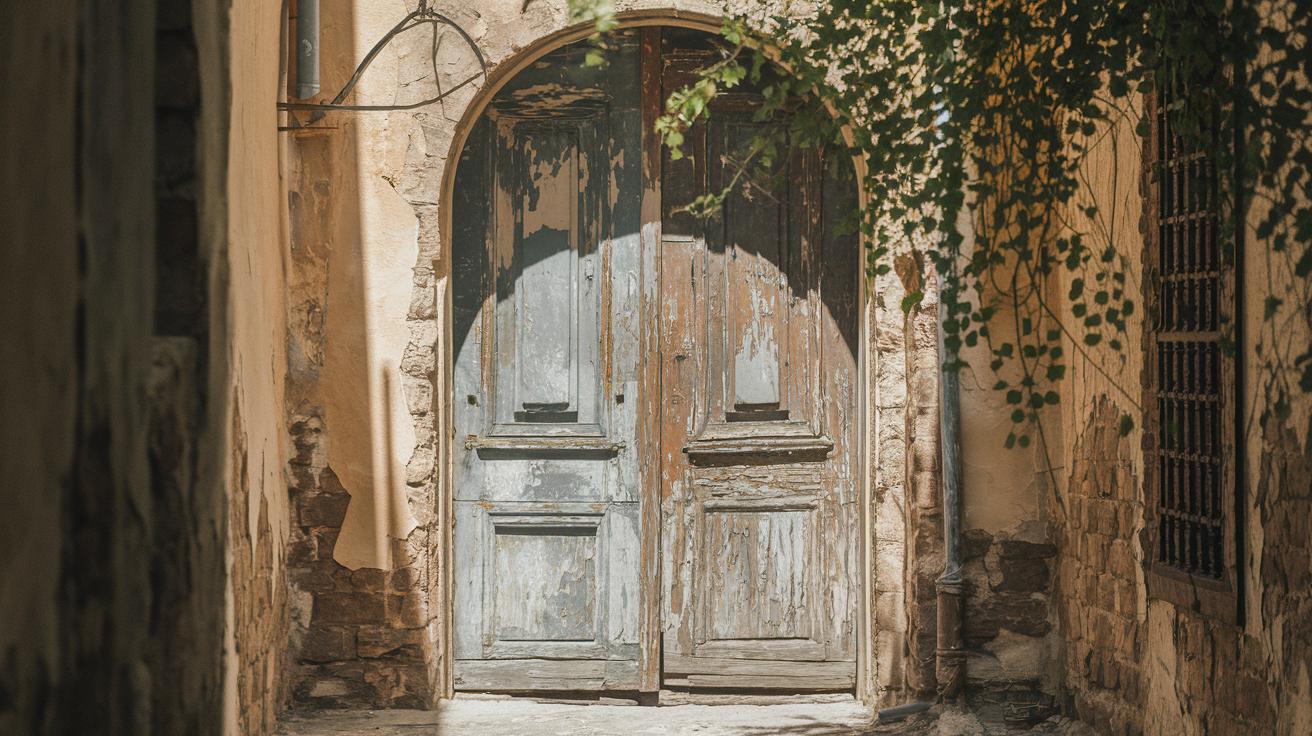
Photography lets you craft a story of each spot you visit. It’s not just about snapping pretty pictures; it’s about piecing together a visual tale that shows every detail, from iconic architecture to quiet moments of everyday life. Picture a photo of an old door with peeling paint that hints at countless memories, reminding you that every image can spark curiosity about its hidden history.
Creating a Shot List: Categories, 5–7 Images Each
Planning is key. Start by jotting down your target categories, think historic buildings, lively street scenes, serene landscapes, and cultural details. Aim to capture at least five standout photos for each section. For instance, you might list "local marketplaces" as a category and set a goal of capturing five snapshots that each reveal something new about its character. Using a simple pen and paper or a dedicated app helps keep your ideas clear and ready when inspiration strikes.
Leveraging Light & Composition: Golden Hour, Framing, Leading Lines
Timing and composition breathe life into your photos. Shooting at golden hour gives a warm, soft glow that accentuates every contour. Experiment with framing your subjects by using natural elements like windows or arches, and look for lines that guide the eye through the scene, like a winding pathway leading up to a charming building. Try this: "Capture a scene at sunrise when shadows and light merge into an almost magical display."
Capturing Everyday Life & Culture: Candid Portraits, Rituals, Street Scenes
Candid moments reveal the true pulse of a place. Focus on everyday interactions, a local sharing a laugh or someone engaged in a traditional practice. These snapshots capture the genuine character of a community, providing an unfiltered look at life as it unfolds.
Bringing organized shot lists together with mindful use of light and a taste for candid moments helps you build a rich visual narrative, creating a series of engaging images that truly speak to the soul of a place.
How to Capture the Essence of a Place Through Storytelling & Writing
Your narrative voice is your personal guide on this journey, every word you write reflects your one-of-a-kind view. When you share the story of a place, your feelings and little observations transform plain details into lively memories. It’s like chatting with a friend about that unforgettable meal or a quiet corner in an old town where every detail brims with warmth and a touch of humor.
Being genuine matters more than chasing perfection. Sometimes, a quick thought, a stray remark, or even a spontaneous story can add more flavor than perfectly polished writing. Remember that moment when you paused to enjoy the smell of freshly baked bread in a small town? Such moments give your story an honest, heartfelt feel.
- Evoke sensory details (sounds, smells, textures) – Picture the soft hum of a local café or the crisp snap of leaves underfoot.
- Include snippets of conversation from locals – Imagine a friendly shopkeeper saying, "This is the heart of our town."
- Share cultural or historical tidbits – Think back to a local festival or a story passed down through generations.
- Set your scenes in time – Describe how the gentle light of morning and the cool touch of late afternoon transform the same street into different moods.
Mixing these elements lets your writing feel as real as stepping right into the moment, with every sentence capturing the vibrant spirit of its surroundings.
How to Capture the Essence of a Place with Historical & Cultural Context

Dive into local history before you hit the road. Look through old archives, browse through local history books, or chat with people who really know the area’s past. It’s like uncovering secrets that change how you see a place. Suddenly, everyday streets begin to whisper stories from a time long gone.
Head over to Bhutan and you’ll see what we mean. Check out Punakha Dzong, a 17th-century gem, or the Tiger’s Nest Monastery from the late 1600s. Their ancient walls and striking shapes share quiet tales of days past. Watch as locals spin prayer wheels or wear traditional outfits like the beautifully crafted kira, each detail is a living piece of history.
When telling your own story about a place, mix in local folklore and first-hand tales from those who live there. Jot down a curious story during a quiet moment, record snippets of community legends, or sketch a weathered carving that catches your eye. These little personal notes turn facts into a lively narrative that truly captures a place’s spirit. And don’t forget to listen closely when local elders share their fascinating myths, they can really deepen your connection.
How to Capture the Essence of a Place by Portraying Atmosphere & Mood
Weather, light, and the changing seasons set the stage for a location’s true feel. Imagine standing by neon green rice fields during a rainy season, then watching them mellow into rich browns when winter comes. A crisp morning kissed by fog or a low sun casting a gentle glow can turn everyday scenes into something magical. It’s like nature is constantly painting a new picture right before our eyes.
Sound also plays its part in making a place come alive. You might hear leaves softly rustling, catch a distant call during a local celebration, or pick up on the subtle buzz of a city. At times, a lively festival with every beat and move builds up a unique cultural rhythm that’s hard to forget. These sounds help you feel truly present in the moment.
Then there’s the burst of color, texture, and pace that ties it all together. Picture rugged cliffs dropping suddenly into blue waves next to an old town with worn cobblestone paths. The mix of bold colors and soft, faded hues tells its own quiet story, giving life to the place in a way that goes beyond just what you see.
How to Capture the Essence of a Place: Case Studies & Practical Examples

Examples make ideas jump off the page. When you check out real-world moments from spots like Bhutan, you notice each part, from stunning buildings and rolling landscapes to small cultural details, tells its own little story. Imagine a fortress bathed in sunrise or a field aglow beneath a monsoon shower. These scenes give you clues about a place’s rich history and lively spirit.
| Category | Example Location | Key Element Captured |
|---|---|---|
| Architecture | Punakha Dzong, Bhutan | Fortress silhouette at dawn |
| Landscape | Rice terraces, Bhutan | Seasonal color contrasts |
| Cultural Detail | Tiger’s Nest Monastery | Prayer wheel and attire details |
Looking at these snapshots, you see how each piece builds a full picture of a destination. The bold lines of old stone walls, the lively burst of natural colors, and the quiet clues of cultural traditions all work together to capture a place’s true vibe. Next, when you start piecing together your own travel memories, keep these tips in mind: mix practical details with a touch of emotion. This way, you create a journey full of texture and life, much like the adventures you love to share.
Final Words
In the action, this guide has explored mindful observation, striking photo techniques, heartfelt narratives, rich history, and subtle environmental details. It shows simple methods and practical examples that help explain how to capture the essence of a place.
These tips remind us to be present and keep an open mind as we record every moment. Embrace local insights and share genuine experiences, turning each travel tale into an unforgettable celebration of life.
FAQ
Q: How to capture the essence of a place in art
A: The method for capturing the essence of a place in art involves observing its unique character, absorbing local details, and reflecting on the sensory experiences that make the location distinctly memorable.
Q: Capture the essence of a person
A: The approach to capturing the essence of a person focuses on highlighting their unique traits, emotions, and subtle expressions that convey their true character in a straightforward, authentic manner.
Q: Sense of place photography ideas
A: The idea for creating a sense of place in photography lies in selecting local landmarks, natural lighting, and everyday scenes that combine to illustrate the cultural atmosphere and tangible spirit of the location.
Q: Capture essence meaning
A: The meaning of capture essence refers to identifying and presenting the most defining and impactful qualities of a subject, whether it’s a person or a place, using clear and expressive details.
Q: Capture the essence synonym
A: A synonym for capturing the essence is to depict the spirit, meaning to showcase the core qualities or personality that distinguishes an individual or a location with keen, observable details.
Q: What is the essence of a place?
A: The essence of a place is defined by its unique cultural traditions, natural environment, and collective local experiences, all of which blend together to create an unmistakable identity.
Q: What is the 20-60-20 rule in photography?
A: The guideline known as the 20-60-20 rule in photography helps balance a composition by allocating roughly 20% to foreground, 60% to the main subject area, and 20% to the background for visual harmony.
Q: What are the 4 pillars of landscape photography?
A: The four pillars of landscape photography include composition, lighting, perspective, and timing, which together help capture natural scenes in a balanced and visually engaging way.
Q: What is the 3:1 rule in photography?
A: The 3:1 rule in photography is a guideline suggesting a subject should be about three times larger than its surroundings, thereby emphasizing the focal point and providing a balanced composition.