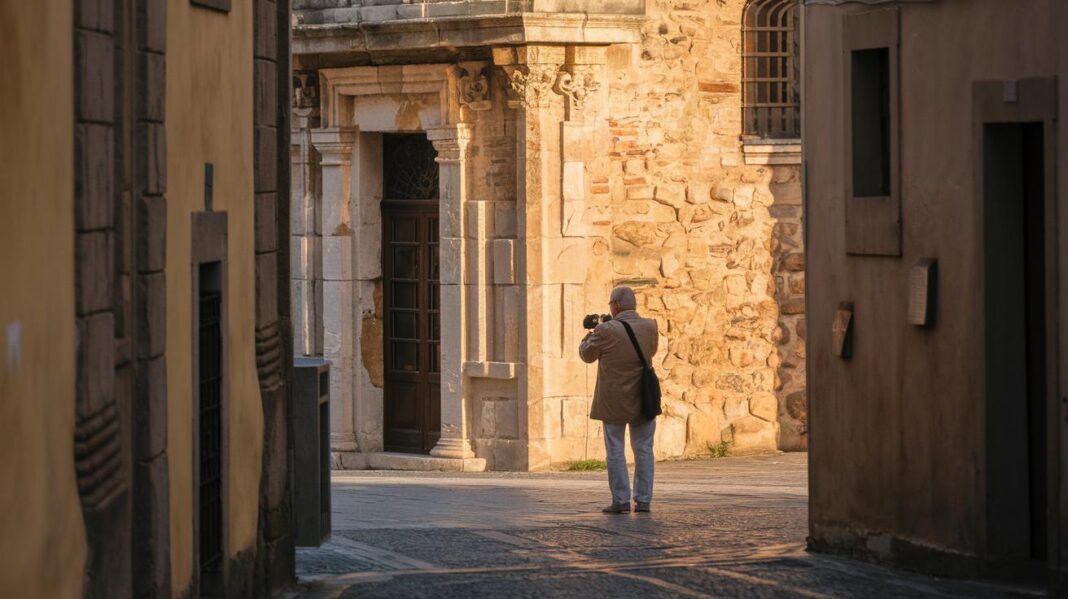

Have you ever stopped to listen to the secrets that old streets might share? In timeless cities, every stone and weathered doorway invites you to grab a little piece of history.
Picture the early morning light gently painting warm hues on ancient walls and hidden corners (those quiet spots where memories linger). I’ve put together a guide that shows you how to turn your everyday photos into brilliant snapshots that tell their own story.
So get ready to see historic cities in a whole new way. Every image bursts with charm and whispers tales waiting to be discovered.
Mastering Photography in Historic Cities
Historic cities are like magic canvases where old stories mix with vivid visuals. Every alley, every ancient arch, whispers secrets waiting to be captured. You can snap wide cityscapes that reveal centuries of mystery or focus on charming local details that bring the past to life. Even a simple night shot, with soft glows dancing over old stones, tells its own tale.
Getting that perfect shot means playing with a mix of techniques and nailing the timing. Shooting in early twilight, for example, can dress cobblestone streets and century-old facades in a gentle, almost enchanted light. Ever wondered how photographers managed before smartphones? They had to count on timed exposures and handcrafted film, turning every picture into an act of anticipation and care. This kind of timing makes each landmark seem to speak its own story.
Don’t forget to wander off the beaten track. Explore hidden historic neighborhoods to capture layers of history, maybe even check out this insider guide (https://jettlaggin.com?p=2030) for some unexpected gems. Whether you’re framing sweeping urban vistas or the tiny, quiet moments of everyday street life, let every photo invite your audience on a journey into the heart of the past, all while feeling fresh and modern.
Choosing the Right Gear for Historic City Shoots

When you wander through centuries-old streets and admire weathered buildings, the right equipment can make your photos truly sing. Imagine using a wide-angle lens (14-35 mm) to capture an entire cityscape, while a telephoto lens (70-200 mm) helps you zoom in on the tiny details of ancient carvings and facades.
A sturdy tripod with a leveling head (or even a built-in spirit level) is your best friend for keeping shots sharp and balanced. Neutral-density filters let you shoot long exposures in bright light, and a polarizing filter cuts down on glare so that every texture, from aged stone to weathered metal, comes out naturally.
Next, picture yourself at a lively square during the soft glow of sunset. Set up your tripod, grab your wide-angle lens, and snap away as the golden light highlights both historic buildings and the vibrant culture around them.
This trusty gear not only captures broad, sweeping views but also teases out the little details that tell a city's story. With a kit that's ready for any condition, you'll be set to capture the rich, timeless charm of every historic corner you explore.
Camera Settings to Capture Historic Architecture
When you wander among historic landmarks, start by dialing your aperture to between f/8 and f/11. This setting reveals every tiny detail in worn stone and elegant arches, almost as if each brick is whispering a story of the past. Imagine capturing the golden light illuminating centuries-old carvings with a crisp, clear focus.
In bright daylight, set your ISO between 100 and 200. This helps preserve the natural textures of ancient masonry while keeping your photo free from distracting grain, ensuring your image stays true to the scene.
Next, consider your shutter speed. If you're using a tripod, aim for 1/60 sec or even slower to capture the gentle buzz of city life around historic structures. And when night falls, try a slower shutter speed of 1–2 seconds to let moving lights create stunning, artful trails through your frame.
For vibrant street scenes where every detail matters, use hyperfocal focusing. This technique ensures that everything, from a charming street corner to distant silhouettes, remains sharp and part of the overall narrative.
| Setting | Recommendation |
|---|---|
| Aperture | Between f/8 and f/11 for detailed captures |
| ISO | Keep between 100 and 200 for clean, natural textures |
| Shutter Speed | 1/60 sec (or slower with a tripod), 1–2 sec for dramatic night scenes |
| Focus | Hyperfocal focusing to maintain clarity from near to far |
Lighting and Timing in Historic Urban Environments
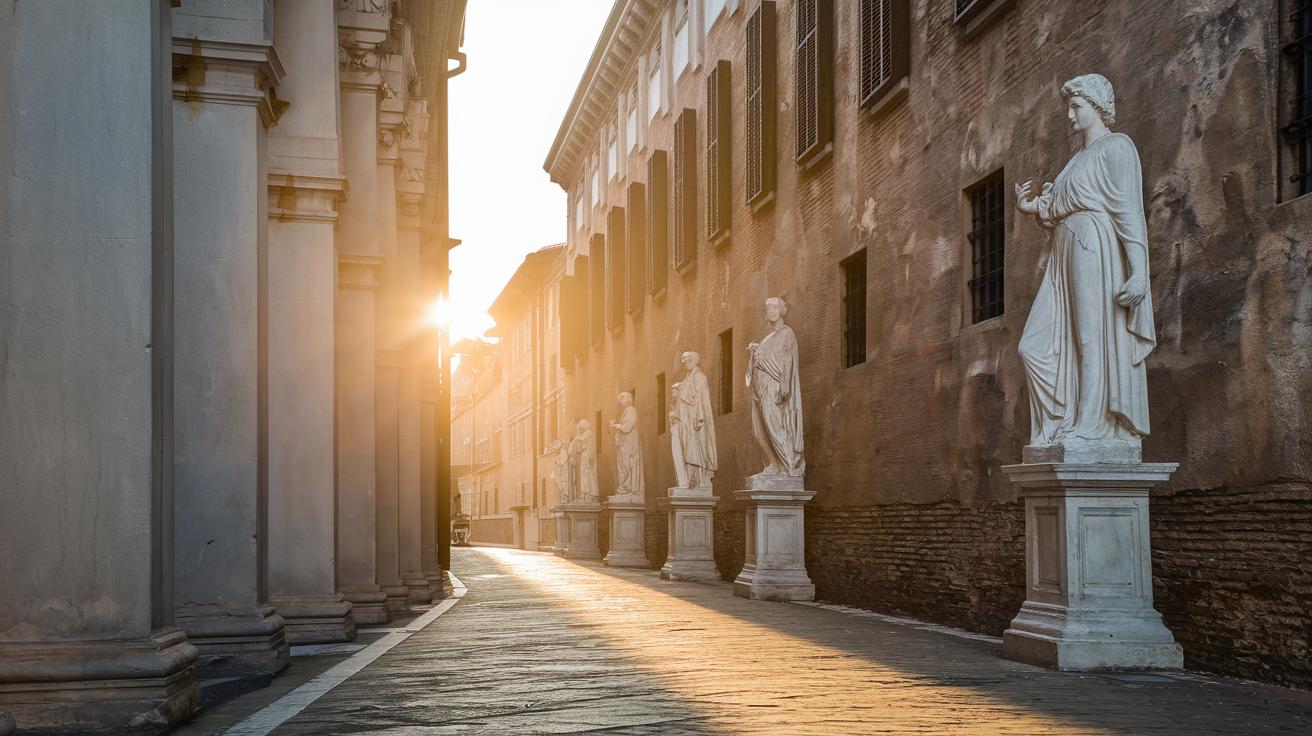
When you're out exploring old cities, light becomes your best friend. The golden hour, shortly after sunrise or just before sunset, casts a warm glow over stone buildings that lets every crack and crevice tell its story. Imagine snapping a photo that shows the gentle patina on weathered brick and worn statues, each detail bathed in soft, inviting light.
Then there's the blue hour. As daylight fades, the sky deepens into a rich, cool blue. Street lamps start to glow, and urban lights twinkle from afar. This time gives your photos a cool, dreamy look with soft shadows and a reflective charm on ancient walls. Try fiddling with your camera settings to capture that perfect mix of light and shadow.
At night, the city takes on a magical feel. Street-lamp glows and neon signs light up hidden alleys, creating a sense of wonder. Long exposures can even capture the graceful rush of vehicles, adding life to historic scenes. If you find yourself in a narrow passage, a small reflector or portable LED light might help gently fill in the dark spots, keeping the rich details intact.
Each moment of lighting, from golden to blue to night, brings its own flavor and challenges. It’s like finding a secret trick that transforms your photos into a visual story of both old memories and fresh adventures. So, take your time, adjust your settings, and let the magic of light guide your journey through these timeless urban landscapes.
Composition Techniques for Historic City Scenes
When you capture historic cities, try using leading lines to guide the eye along cobblestone streets and ancient arches. Imagine a narrow street that opens into a centuries-old plaza. Did you know that the first cobblestones here have been guiding travelers for over 300 years? This trick not only brings history to life but also gives your viewers a natural path to follow through your image.
Next, focus on your framing. Think about using doorways, windows, or archways to frame your subject and add context. For example, an old window in the foreground can tell its own little story, almost like it’s peeking into the past.
Then, consider your perspective. Shooting from a low angle can make towering monuments seem even grander, while a high angle can capture an entire historic district like a vast, beautiful painting. Every detail tells a part of the story.
Also, remember scale. Including people like pedestrians or cyclists in your shots gives a great sense of size against the monumental structures. It’s like adding friendly faces to a scene, showing just how grand the architecture really is.
Finally, apply the rule of thirds. Placing key elements along an imaginary grid creates a balanced, engaging frame that pulls viewers into the city’s rich history. Embrace these techniques, and you'll turn your photos into captivating stories of a bygone era.
Scouting Historic Locations and Planning Your Shoot
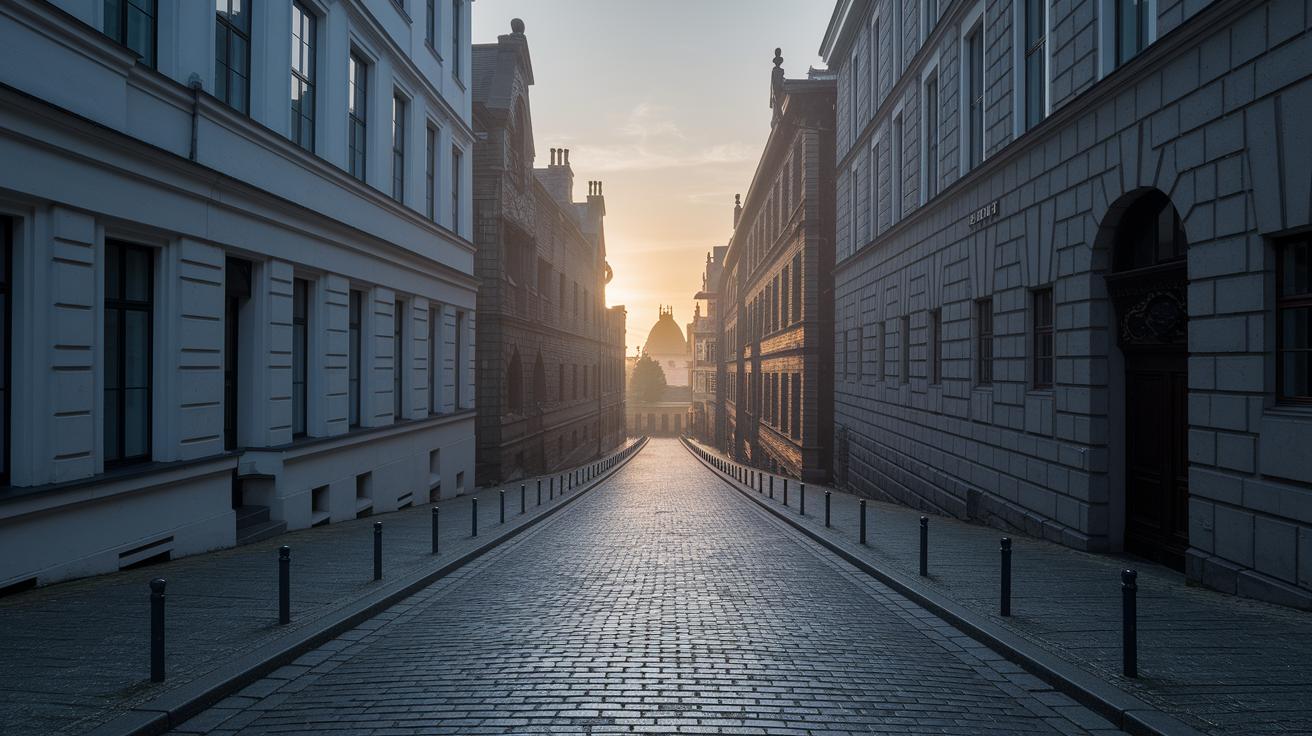
Before you head out, spend a little time digging into the neighborhood's past. Look up stories behind medieval quarters or colonial plazas to find spots bursting with history. It’s amazing how a bit of background can guide your creative eye to the perfect subject.
Next, fire up your favorite mapping app to locate awesome vantage points where the warm glow of early morning or late afternoon can work its magic. Check sunrise and sunset times so you don’t miss that dreamy light. This method not only helps you capture quiet streets at dawn but also fits your schedule around local shop hours.
Early mornings are pure gold. When the cobblestone streets are still and the light is soft, you’ve got the best conditions for a long, uninterrupted shoot. For example, in St. Augustine, get there by 7 AM to snag those pristine views of Castillo de San Marcos before the crowds roll in.
| Planning Step | Description |
|---|---|
| Local History Research | Find areas rich in stories to bring your shoot to life |
| Mapping Apps | Locate ideal angles and match your timing with the golden hour |
| Daily Timings | Know opening hours to avoid crowds and busy spots |
| Early Scouting | Scout at dawn for calm, empty streets and soft light |
And if you’re exploring other historic cities, consider checking out resources like a trip planning guide to Prague. These tips help you catch the best light and keep disturbances to a minimum, so your historic urban shoot is nothing short of magical.
Post-Processing Historic City Images
Start by setting your white balance to capture the golden glow of a sunset or the cool feel of early twilight. This step lets you bring the historic vibe to life. For instance, tweak your settings so that the stone fronts look as if they've been bathed in the soft warmth of a bygone era, like an old postcard waiting to be rediscovered.
Next, use graduated masks to even out the bright skies and the darker streets below. This simple trick helps you keep both the radiant sky and the shadowed alleys looking natural and balanced.
Then, bump up the clarity and texture just enough to reveal the little details in weathered stone. Think of it like uncovering every tiny fissure in an ancient brick wall while still keeping its old soul intact.
Finally, remove any modern distractions like power lines or modern signs. A light touch of color grading with gentle, muted tones or a whisper of sepia can complete the look, evoking that timeless period without stealing the show of the image’s natural charm.
Final Words
In the action, this article took you through a clear roadmap, from gear selection and camera settings to composition tips and post-processing tweaks, to capture the essence of historic locales. Each segment offered hands-on advice and insider tips for savoring unique moments hidden in centuries-old streets.
This guide to photography in historic cities blends practical technique with personal insights. Keep exploring and snapping unforgettable scenes, knowing every click holds a world of stories.
FAQ
A guide to photography in historic cities near California and Texas?
The guide to photography in historic cities near California and Texas explains essential tips, including optimal gear, lighting techniques, and composition tricks to capture unique architectural stories in historic urban settings.
What is urban photography and what creative ideas does it offer?
Urban photography captures city life—from lively streets to serene skylines—and offers ideas like experimenting with different perspectives, creative framing, and mixing natural light with street illumination to create compelling images.
Which photographers are famous for capturing urban landscapes?
Famous urban landscape photographers have mastered capturing the energy of the city through striking compositions and innovative techniques; their work offers inspiration on framing, light, and storytelling in busy urban scenes.
What does the 3:1 rule in photography signify?
The 3:1 rule in photography signifies using three parts of the frame to highlight a subject with one part reserved for contrast, thereby achieving a balanced composition that directs viewer attention effectively.
What does the 5 minute rule in photography refer to?
The 5 minute rule in photography refers to giving a scene a brief pause—around 5 minutes—to observe lighting changes and movements, which can help capture more intentional and refined images when the moment settles.
What are the 5 W’s in photography?
The 5 W’s in photography—Who, What, When, Where, and Why—help frame the story behind each shot, guiding photographers to think about the subject, timing, location, and purpose behind their images.
What are the 7 basics of photography?
The 7 basics of photography include exposure, aperture, shutter speed, ISO, focus, composition, and lighting, all of which work together to create well-balanced images that capture the mood and detail of a scene.