

Have you ever wondered if your next adventure might bring unexpected challenges? In 2024, new safety updates share some tricky rules and alerts from trusted sources like the U.S. Department of State. For example, Japan has detailed warnings about gun crime, Canada now has fresh rules for registration (that means keeping track of your stuff), and Australia is checking IDs in new ways.
Think of these tips as a friend sharing insider advice right before your trip. They help you plan smartly, so you can enjoy your journey without worrying about surprises.
Comprehensive Adventure Travel Safety Bulletins for 2024
If you’re planning an adventure in 2024, here’s some up-to-date safety news to help you travel smart. We’ve gathered date-stamped updates from the U.S. Department of State and a handful of other governments to give you a quick look at the latest security tips. Whether you’re headed to North America, Asia-Pacific, or Europe, these advisories cover everything from crime alerts to special check-in rules, so you can enjoy your trip with peace of mind.
| Country | Advisory Date | Key Concern |
|---|---|---|
| Japan | March 2024 | Gun crime warnings with detailed location/timing data |
| Australia | April 2024 | REAL ID enforcement and USCIS registration requirements |
| Canada | April 11, 2025 | Mandatory U.S. registration affecting extended stays |
| China | April 9, 2024 | Heightened cautions due to security concerns |
| Belgium | March 2024 | Travel Redress Inquiry Program advisory |
North America Advisory Highlights
In North America, Canada has introduced a new rule: if you plan to stay longer than 30 days, you need to register with U.S. authorities. This change kicks in on April 11, 2025, so mark your calendar. The U.S. Department of State keeps sharing updates on legal and political shifts, ensuring you have the latest tips to stay safe during your travels.
Asia-Pacific Advisory Highlights
Over in Asia-Pacific, Japan has issued clear warnings about gun crime with specific location and timing details. China is also nudging travelers to act cautiously due to ongoing security issues. Down under in Australia, new REAL ID rules and USCIS registration requirements mean you should double-check your plans if you’re staying for a while. New Zealand isn’t far behind either, with a Level 2 advisory urging extra care. These updates help you plan ahead and hit the road confidently.
Europe Advisory Highlights
Europe isn’t left out either. France has stepped up its embassy security checks, and Germany is offering clear guidelines on visa applications, including gender identification. Ireland’s ESTA rules are being refreshed, coming into play on March 28, 2025, while Portugal has rolled out detailed notes on ESTA protocols. Belgium reminds you of its Travel Redress Inquiry Program, and countries like Denmark, Finland, and the U.K. are sharing updates on everything from transgender travel tips to tighter border enforcement. Even the Netherlands has shared that changes are minimal. All this means you can navigate Europe’s regulatory maze with ease.
Adventure Travel Safety: Key Hazard Notifications
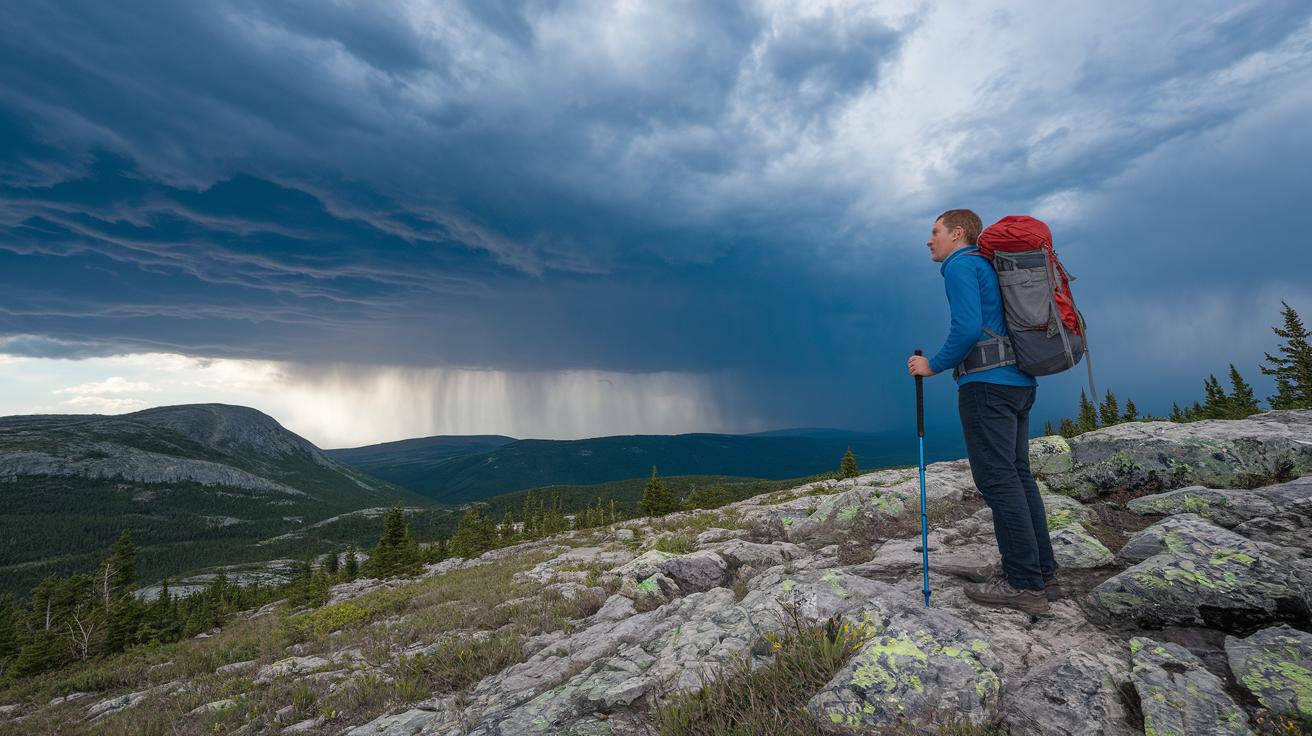
When you decide to hit the trail, you accept that nature is full of surprises. One minute it’s a bright, clear day, and the next, a sudden downpour turns everything into a wild water show, like that unforgettable Arctic trip where a storm stranded explorers 300 miles from anywhere. The ground can be shaky, and hidden drops or slippery patches can catch you off guard, especially when you’re deep in spots without familiar landmarks. Sometimes, even in a peaceful setting, wildlife might pop up when you least expect it.
And then there’s the challenge of getting help quickly when you’re far away from a town. I remember a Jamaican cave tour led by someone who wasn’t properly certified, the experience really highlighted why having trusted local guides matters. Plus, big changes, like shifts in local politics, can change the safety of a place in ways you might not see coming.
For quick reference, here are six key hazard categories to keep in mind:
- Weather extremes
- Terrain instability
- Wildlife threats
- Remote medical access
- Guide credential gaps
- Geopolitical changes
Staying updated with real-time alerts is like having a reliable travel companion, it helps keep your adventure safe and enjoyable.
Adventure Travel Safety Emergency Planning Protocols
Before you head out, it's smart to take a first aid course that covers basics like cuts, scrapes, and sprains (sprains are just small muscle injuries). Think about classes offered in places like Calgary, where you get to practice for real mishaps. It’s a little extra confidence when things get unexpected on your trip.
Next, set up a solid emergency communication plan. Jot down local contacts, embassy numbers, and any trusted service lines. Share your travel route with someone back home so they can check in on you. And don’t forget to test your phone and other devices ahead of time to ensure help is just a call away during stressful moments.
Then, create a backup plan for shelter and extraction. Plan alternative routes and safe spots in case wild weather or tricky terrain messes with your journey. Schedule regular check-ins and know where you can retreat if your main plan goes off track. Keeping a pre-trip checklist like this lets you enjoy the thrill of exploring while staying prepared for any sudden changes.
Adventure travel safety updates shine with promise
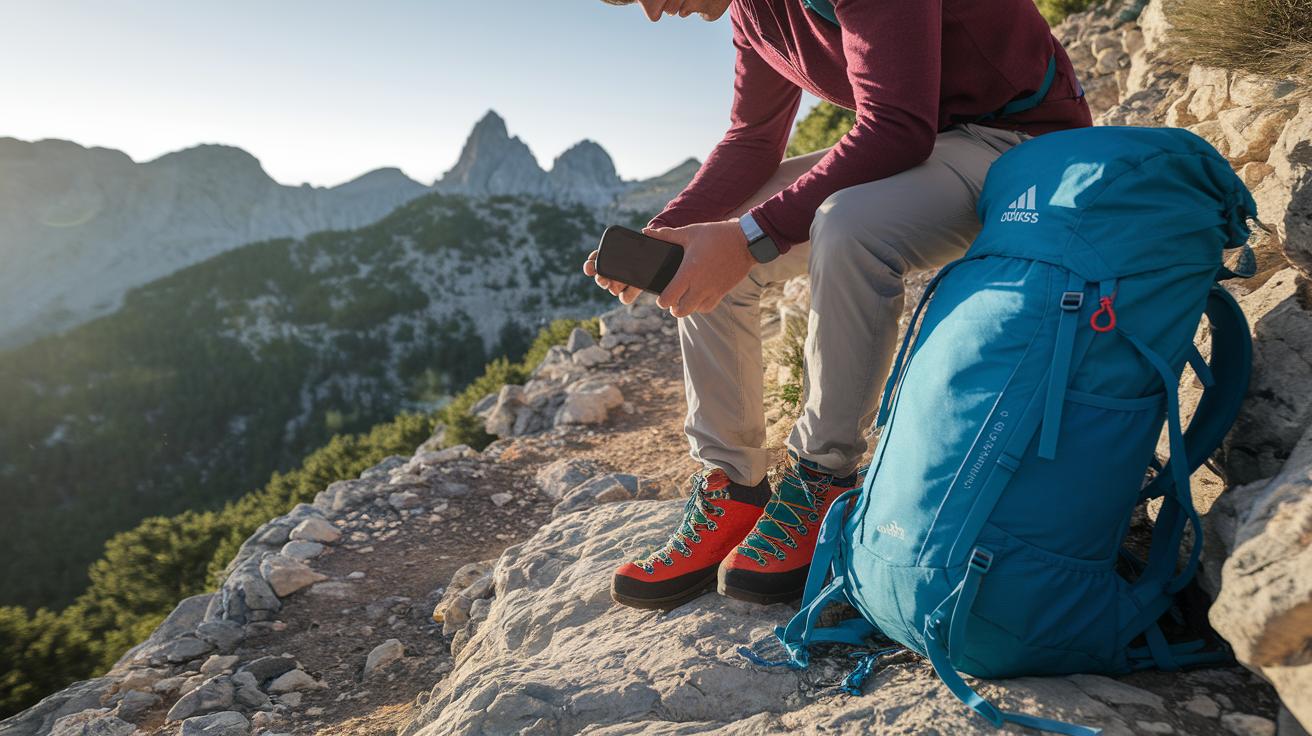
When you set out on a memorable journey, every bit of trusted gear makes a big difference. Choosing solid hiking boots helps keep your ankles safe on rocky trails, while backpacks with smart load-balancing frames feel lighter, even when you're carrying plenty of supplies. Climbing harnesses that meet UIAA standards give you steady support on steep climbs, and don’t forget about kayaking PFDs with 150 N buoyancy, they help keep you afloat when the unexpected happens.
Investing in tested equipment not only cuts down on risks but also boosts your confidence as you explore new places. It’s always a good idea to check expert packing tips for a stress-free trip, ensuring that every piece of gear is built for safety.
| Gear Item | Key Safety Feature |
|---|---|
| Hiking Boots | Reduce ankle injuries |
| Backpacks | Load-balancing frames |
| Climbing Harnesses | UIAA rating standards |
| Kayaking PFDs | 150 N buoyancy |
Choosing gear that’s been thoroughly reviewed not only keeps you safe but lets you focus on the joy of discovering new and exciting places.
Adventure Travel Safety: Health Precautions and Medical Advisories
Before you set off on your adventure, make sure you’ve got your health bases covered. Think of it like packing an extra snack, you never know when you might need it. Pick an insurance plan that can help out if you need a hospital visit, an emergency ride, or even if you lose your gear. Imagine being stranded far from a clinic; a good plan can really save the day.
Next, check out the vaccination rules for any places you’re headed. It’s like glancing at a map before a road trip, it keeps things running smoothly. If you’re planning to climb to high places, be sure to chat with your doctor about preventing altitude sickness and bring along any handy medicines.
Finally, jot down nearby medical spots and emergency contacts. It might seem like extra work now, but it’s like setting up a safety net before you leap into a new adventure. This way, you can focus on soaking in every moment, knowing that you’re well-prepared for any bumps in the road.
Adventure Travel Safety: Secure Route Planning Guidelines

Start by diving into a solid route planning adventure. Check updated weather forecasts and study detailed terrain maps (maps that show every twist and turn) to get a true picture of what lies ahead. This kind of research helps you spot seasonal challenges and set realistic travel goals. And don’t forget to build in extra time for any unexpected detours.
Next, craft an itinerary that’s as flexible as you are. If sudden downpours or chilly snaps force a reroute, having a backup path can be a real lifesaver. Consider using handy travel templates (simple guides you can find online) to shape your journey and tweak your plans on the fly. With a little extra time built into your schedule, you can explore safely, stop when needed, and truly enjoy every step along the way.
Adventure Travel Safety: Insurance Coverage and Risk Management Strategies
Adventure travel is an amazing thrill, especially when you have solid insurance and smart risk management in place. Before you hit the road, it’s wise to check what your policy doesn’t cover and to look into extra add-ons for rescue, getting you home (repatriation), or even trip cancellation. Imagine being in a tight spot unexpectedly and knowing that extra coverage can turn a stressful moment into something you can handle.
Another great tip is to set up a simple risk matrix. This just means making a small chart that scores political, environmental, and health factors based on how likely they are to happen and the impact they might have. This tool can help you see what matters most and guide you in choosing the right policy. With a plan like this, you can travel knowing that you’ve built a safety net strong enough to handle any surprises along the way.
Adventure Travel Safety: Tech-Driven Tools and Real-Time Monitoring
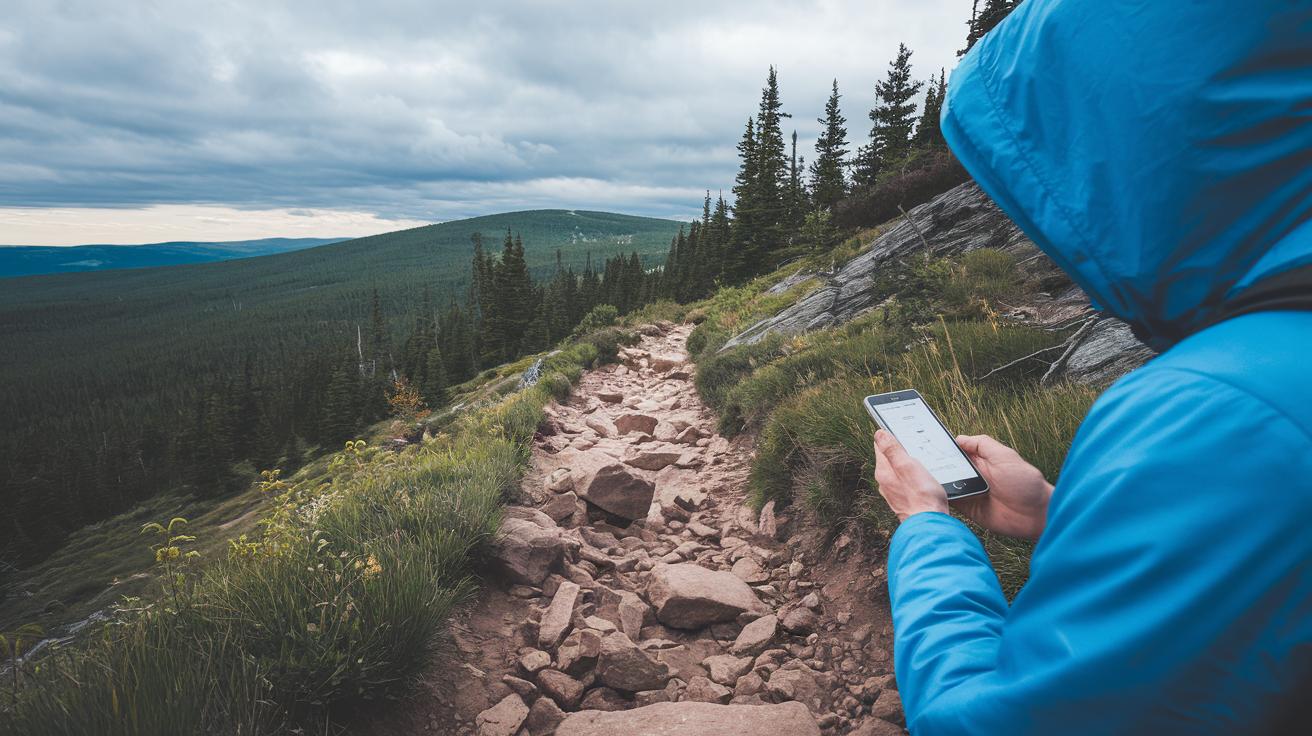
When you’re off exploring remote paths, tech can really be your best buddy. Mobile apps, like the one from Travel.State.Gov, keep you updated with fresh safety news right on your phone. Imagine trekking along a rocky trail and getting a heads-up about sudden weather changes, it's like having a pocket guide for Mother Nature's surprises.
Local SMS networks also play a part by sending quick alerts, whether it’s spotting unexpected wildlife or a sudden storm hinting at rough weather. Next, commercial geopolitical risk services give you clear updates on international safety, so you always know what’s happening around you.
For those far from the usual cell signal, satellite messengers are a lifesaver. Picture this: you’re deep in the wild and a ping from your device tells you exactly where you are, assuring you that help is always nearby. These tech tools form a modern safety kit, sending live alerts that let you focus on enjoying the adventure with peace of mind.
Adventure Travel Safety: Field Crisis Bulletins and Tech-Driven Real-Time Updates
Safety is key when exploring new places. Local text alerts and satellite messengers keep you informed about sudden hazards like floods, wildfires, and swift storms. Imagine getting a quick message that warns you of a looming weather change.
But what if your phone signal disappears? Backup tools like VHF radios or satellite messengers step in to keep you connected. It’s like having a friend who never leaves your side. One moment, your smartphone is quiet and the next, a VHF radio buzzes with a message saying, "Storm coming, find shelter now."
Local certified guides also add an extra layer of safety. They know how to interpret official alerts and field bulletins, offering advice based on real-time information. When conditions shift quickly, their guidance helps you decide whether to pause your journey or take a new route. Picture a guide saying, "Heavy rain is on the way, so check your VHF radio and hold on to your satellite device."
Final Words
In the action, the post swung through essential travel advisories, from country-specific bulletins and everyday safety hazards to hands-on gear assessments, health protocols, and flexible route planning. It introduced real-time tools and local alerts while breaking down risk management and emergency steps.
These adventure travel safety updates serve as a handy guide to keeping you informed and prepared. Every section offers insight into a crucial aspect of secure travel, leaving you ready to set off with confidence and a spirit of excitement.
FAQ
Frequently Asked Questions
What are the current adventure travel safety updates in the USA?
The current adventure travel safety updates in the USA offer the latest advisories from official agencies like the U.S. Department of State and local health experts, helping travelers plan with accurate risk information.
How have adventure travel safety updates changed amid COVID?
The adventure travel safety updates amid COVID now include revised health warnings and protocols, citing guidelines from the CDC and local authorities to protect travelers during active health concerns.
Where can I find the list of countries on the do not travel list?
The list of countries on the do not travel list is compiled by official agencies, including the U.S. Department of State, highlighting destinations with heightened security or health risks to keep travelers well-informed.
What should I know about travel warnings to the USA?
The travel warnings to the USA provide alerts from domestic and international sources, focusing on evolving security risks and essential precautions for both visitors and residents in varying regions.
What is the latest update on the U.S. travel ban?
The latest U.S. travel ban update reflects recent policy changes based on current security conditions, so checking official advisories will give travelers the most current restrictions and requirements.
What does the new State Department travel advisory include?
The new State Department travel advisory includes updated destination-specific guidelines, security concerns, and travel restrictions, offering crucial advice for Americans planning trips abroad.
What health warnings have the CDC issued recently?
The recent CDC health warnings detail emerging risks such as outbreaks and environmental concerns near travel hotspots, providing essential information to help travelers take proper health precautions.
Where is it not safe to travel right now?
Travel assessments indicate that some destinations remain unsafe due to security issues, political unrest, or active health crises; travelers should review the latest official advisories before planning a visit.
What countries are currently under a level 3 travel warning?
Countries currently under a level 3 travel warning have been identified by official agencies for high risk due to factors like conflict or health emergencies, so reviewing detailed advisories is recommended.
What are the new rules for traveling, and is it safe for Americans to travel internationally right now?
The new travel rules update entry, quarantine, and testing protocols for international trips, while safety varies by destination—Americans should consult current official advisories to ensure secure travel plans.