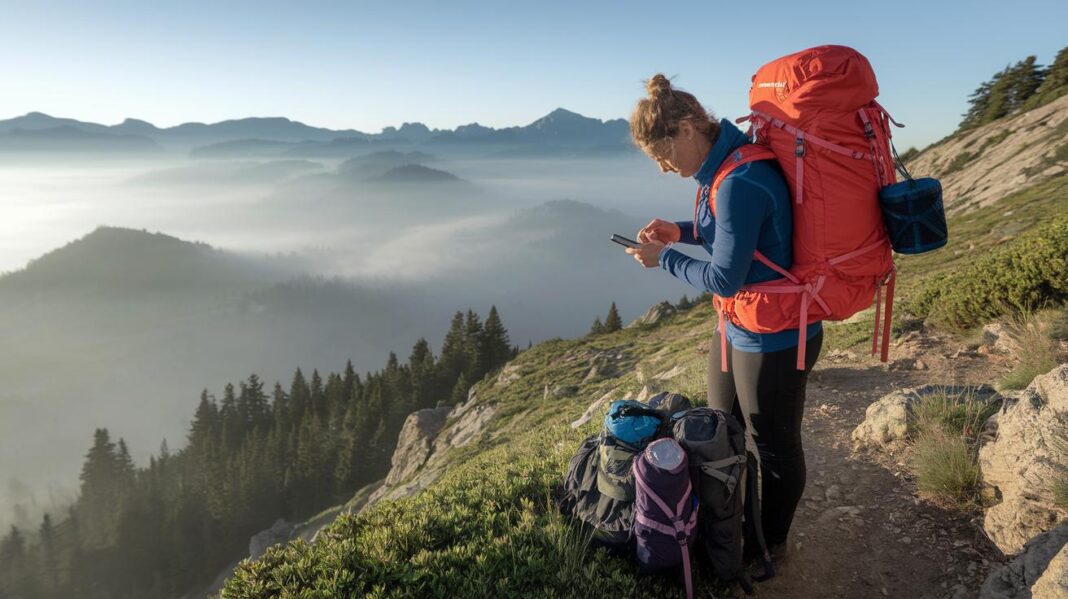

Ever wondered if your outdoor adventure is truly safe? Sometimes, a sudden downpour or a rocky path can turn a peaceful day into an unexpected race for cover.
One traveler told me how a bright, clear day quickly shifted into a scramble for shelter, reminding us that weather can change in a heartbeat. Keeping an eye on real-time updates from trusted sources lets you change your plans as needed. In this post, we share the latest travel safety updates so you can enjoy your time outdoors with confidence and fun.
Comprehensive Updates on Current Adventure Travel Safety
Published on August 13, 2024, the latest notice reminds us that adventure trips come with their own set of challenges every traveler should know about. Sudden weather changes, rocky paths, and unexpected animal encounters are just a few of the risks out there. One traveler shared, "One minute we were soaking in clear skies, and the next, a heavy downpour transformed our path into a rushing stream, and we had to dash for shelter."
Before you head out, it’s a smart move to check trusted sources like the US Travel Advisory (https://vasthysfriends.com?p=) for up-to-date info on safety concerns, crime, and health alerts. These updates work like a real-time travel guide, offering tips such as keeping an ear out on local radio for any changes or knowing when it’s time to back off from risky areas.
Here’s a handy tip: always plan a backup route. Imagine finding out that your favorite trail has suddenly been closed for repairs, you’d want to know your next step fast. This kind of on-the-go awareness lets you tweak your plans and dodge any sudden surprises.
In truth, staying alert during your travels is key. Be ready to change your path quickly if conditions take a turn for the worse, and keep an eye on emergency alerts as your journey unfolds. Regular updates from trusted sources are like having a wise friend guiding you through nature’s unexpected moments.
Top Destination-Specific Safety Advisories for Adventure Travel
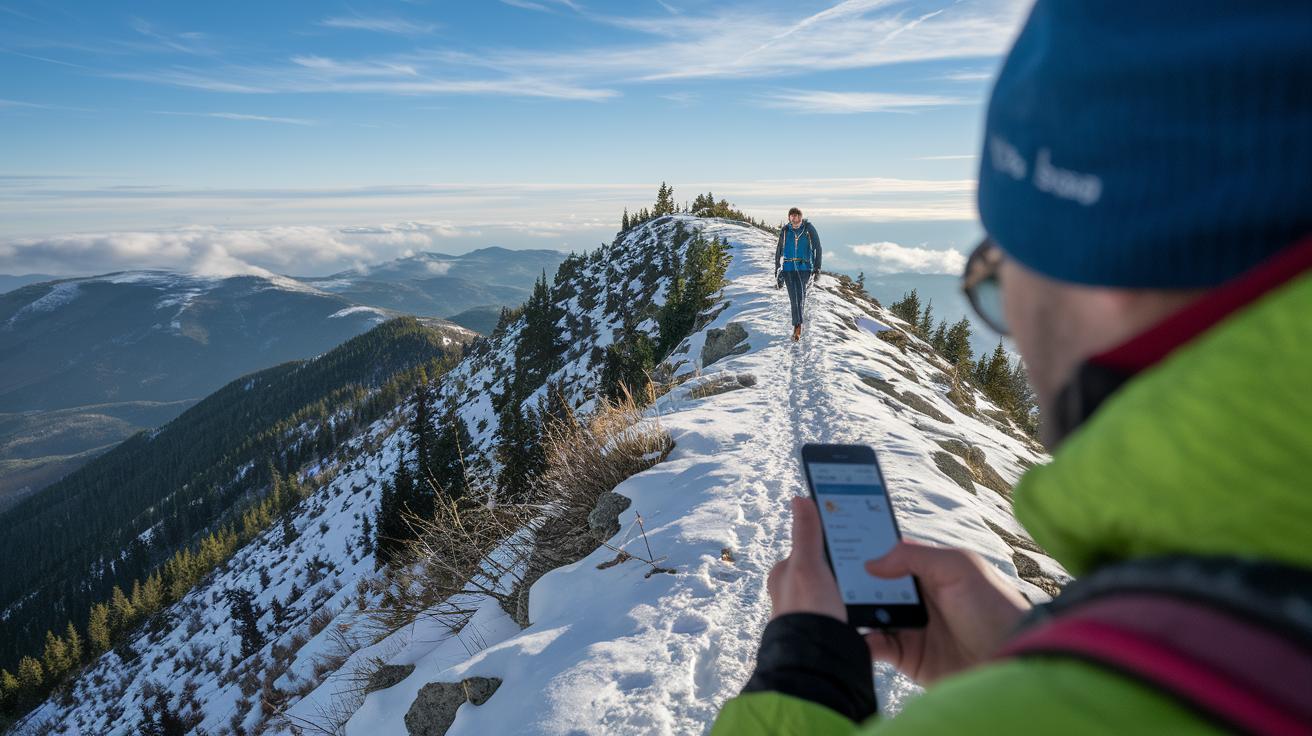
When you’re exploring mountain trails, the weather can flip in a heartbeat. Down here in the high country, sudden drops in temperature and the threat of avalanches are real challenges. It’s smart to check local permits and keep an eye on weather updates in real time. One traveler once said, "The freezing air and sudden blizzard made every step a test of endurance." Keeping tabs on these changes helps you stay safe on those icy paths and steep routes.
Trekking through tropical jungles offers its own wild surprises. Flash floods and encounters with venomous creatures can pop up when you least expect them. Sometimes, trails can be confusing since markers aren’t always clear. That’s why hopping on a guided tour can really boost your confidence. And don’t forget your waterproof communication gear, imagine being in a thick jungle when heavy rain turns hidden paths into mini rivers. Always be ready with your rescue tools.
Desert adventures come with a mix of beauty and serious challenges too. The intense heat, risk of dehydration, and unexpected sandstorms mean you’ve got to be extra careful. Stick to strict water-ration habits and keep a GPS handy to navigate those shifting dunes. One seasoned traveler mentioned, "My careful planning during a sudden sandstorm kept us safe until we found shelter." With some smart planning, you can enjoy the rugged desert while keeping safe and on track.
Essential Gear and Protocols for Remote Adventure Travel Expeditions
When you're planning a trip far off the beaten track, having the right gear feels like packing a little bit of home with you. Reliable boots and backpacks tailored to your specific adventure can really make a difference, they help keep you balanced and safe on those rugged trails. Think of them as your trusty sidekicks on a journey full of surprises.
Always pack the essentials like a satellite distress beacon, a handy multi-tool kit, a bright headlamp, and a compact water-filtration system. Picture this: you’re out in the wild, and when you lose your way, that satellite beacon is your lifeline. A neighbor once told me how it turned a potential disaster into a quick rescue, proving that being prepared really pays off.
It’s a great idea to join a practical first aid workshop (maybe even one in Calgary) where you pick up skills like treating cuts and managing shock. These little lessons build your confidence, so when unexpected scrapes happen, you’re ready to take care of yourself. I remember a traveler saying how learning first aid basics made those remote paths feel a lot less intimidating.
Don’t forget about matching your travel insurance to your destination and planned adventures. It acts like a safety net that covers you if you ever need a quick medical evacuation or a rescue mission. Simple steps to keep in mind include:
- Making sure every piece of gear fits just right.
- Testing your multi-tool kit before you head out.
- Practicing with your headlamp in dim conditions.
- Double-checking your insurance policy details for evacuation coverage.
For a few extra tips, check out Insider tips for solo travel safety (https://vasthysfriends.com?p=) when planning your adventures.
Real-World Adventure Travel Incident Case Studies and Lessons
One arctic journey taught a hard lesson about always having a backup leader. On this trip, the guide completely ignored the safety protocols, and before anyone knew it, the group was left stranded about 300 miles away from any clear sign of help. One traveler later recalled, "When our leader brushed off our safety concerns, things quickly spiraled into a real crisis." This experience reminds us that even the best plans can fall apart if there isn’t someone ready to step in.
Then there was the time during a cave tour in Jamaica where things almost went sideways. The group was led by someone who wasn’t even a certified guide. Even though the tour ended without any major mishaps, it was way too risky for comfort. Some members later admitted, "Had we known more about the guide’s background, we could have dodged that near miss!" Such moments really underscore the value of checking local reviews and confirming guide qualifications beforehand.
Not every risk can be banished, so it’s smart to be ready with a backup plan and flexible itinerary. Key takeaways include:
- Always have a backup plan and a secondary leader when things feel uncertain.
- Make sure to verify guide credentials and check reliable local reviews.
- Be ready to adapt your plans quickly as circumstances shift.
Innovations in Adventure Travel Safety Technology and Preparedness Training
Today, adventurers can count on smart gear that keeps you in the know when exploring off the beaten path. Satellite tracking devices work like a trusty friend, offering real-time location updates even when GPS signals fade. Picture trekking through a rugged valley and receiving an instant alert with your exact spot, help might be on its way sooner than you think!
Mobile event-reporting apps add another layer of comfort. You can quickly record details like your coordinates, a snapshot, or a short video, and share them with emergency services and fellow travelers. I remember a friend who felt immense relief after snapping a quick photo during an unexpected downpour, letting nearby adventurers know the storm was growing stronger.
Virtual reality simulations and disaster exercises are also joining the safety circle. These training sessions allow you to practice making fast decisions in lifelike, challenging scenarios. Think of it as a practice run in a dynamic VR world, where every sudden twist helps you learn to stay calm and act decisively in real life.
New sensor networks are busy picking up subtle environmental signs such as gentle earthquake tremors or the early shimmer of lava. They send alerts straight to your handheld device, making sure you’re informed instantly. All these innovations blend smart technology with hands-on training, giving you the confidence to handle unexpected moments in the wild.
Final Words
In the action, we've reviewed key safety measures for adventure travel, including the latest gear recommendations and real-life incident insights. The article highlights safety protocols amid rapid weather shifts, remote terrains, and unexpected wildlife encounters. It emphasizes using reliable sources and real-time updates to stay prepared. Plus, we touched on emerging tech that makes adventure travel safety updates even more accessible. Stay sharp, pack smart, and keep that spirit high for your next tour. Here's to safe travels and exciting new experiences ahead!
FAQ
Adventure travel safety updates USA
The adventure travel safety updates USA mean that real-time emergency guidelines and risk protocols are shared through official sites like the US Travel Advisory. This helps you stay informed about health or environmental risks.
Adventure travel safety updates covid
The adventure travel safety updates for COVID provide information on health protocols, vaccination or testing requirements, and local restrictions. Checking official health sites helps you plan safe trips.
List of countries on the do not travel list
The list of countries on the do not travel list identifies places flagged by government agencies due to safety, health, or security concerns. Always review these advisories for the latest information.
Travel warnings to USA
Travel warnings to the USA alert travelers to possible risks such as weather issues or regional hazards. Keeping up with these updates helps you plan a safe entry or exit strategy.
U.S. travel ban update today
The U.S. travel ban update today outlines current restrictions on entering or leaving the country. Checking official advisories ensures you stay compliant with the latest regulations.
State Department new travel advisory
The State Department’s new travel advisory provides updated guidelines and warnings on regions with heightened risks. It helps guide your planning and safety measures for international trips.
CDC warning today
The CDC warning today highlights urgent health concerns and offers guidance on protective measures during travels. Staying informed by checking these updates keeps you and those around you safe.
CDC issues new health warning
When the CDC issues a new health warning, it details recent outbreak risks and protective measures for travelers. Following these directions can help you reduce health-related risks while on the move.
Where is it not safe to travel right now?
The answer to where it is not safe to travel right now comes from current advisories that flag regions with prevailing political, health, or environmental risks. Always consult official sources before making plans.
What countries are at level 3 travel warning?
The countries at a level 3 travel warning are those deemed high risk due to factors like civil unrest and severe health threats. Reviewing official reports ensures you get the latest safety ratings.
What are the new rules for traveling?
The new rules for traveling cover updated health protocols, documentation requirements, and often mandates for vaccinations or testing. Checking current regulations from official agencies helps you prepare.
Is it safe for Americans to travel internationally right now?
Whether it is safe for Americans to travel internationally right now depends on current safety advisories assessing political, health, and local risks. Confirm the latest State Department guidance for your destination.