
Ever been surprised by sudden travel rules? New guidelines for crossing borders are now in effect, making things a lot clearer and easier to follow. They might seem like extra steps at first, but they’re here to help you avoid long waits and confusion. Think of it as a friendly reminder from the authorities to keep your journey smooth.
Next, we’ve gathered the essential details to help you navigate these changes effortlessly. This way, your next border crossing feels less like a hassle and more like another part of your adventure.
Latest Cross-Border Travel Update Guidelines Overview
Heads up, fellow traveler! New rules for crossing borders are now in effect, and they're reshaping the way we journey across countries. Most governments are already putting these rules into action, and they include clear start dates so you know exactly when each change matters.
These updates bring fresh twists to our travel plans. Imagine needing extra paperwork before you even set off! Now, you'll have to show more detailed documents before you board your flight, and there’s a bigger list of approved countries than ever before. Information is coming straight from official agencies and reliable news sources, ensuring you get the real scoop before your trip.
Next, think about visa details and entry requirements as your travel safety net. Soon, you’ll be asked to fill out more online forms to prove your identity and health status upon arrival. And guess what? In several regions, quarantine times are now a little shorter, keeping up with the latest science and making you feel more at ease at the border.
All these changes, from stricter visa checks to smoother border processes, are designed to protect everyone while making your travel experience less of a hassle. So, if you’re planning a cross-country adventure, take a moment to check the official travel advisories. Trust me, a little preparation now will save you from delays later.
Regional Cross-Border Entry Requirements and Policy Changes
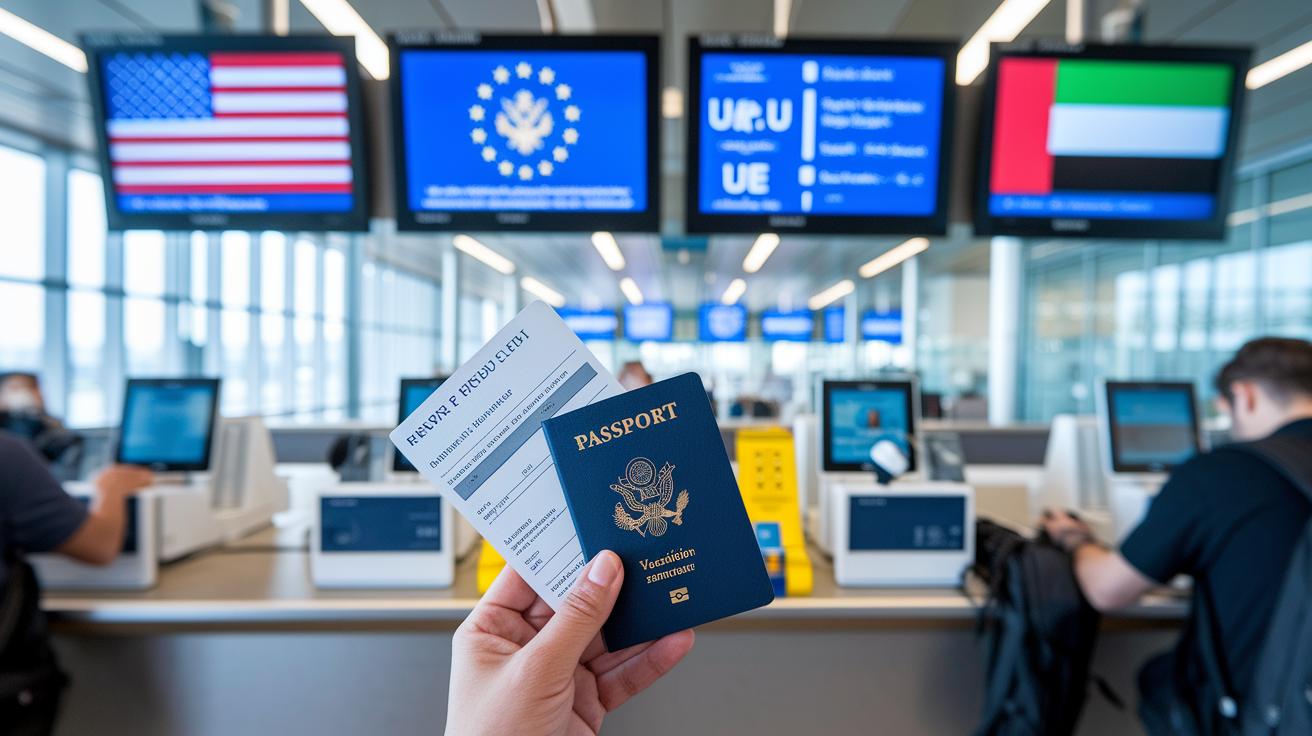
When you're planning a trip, remember that border rules can change a lot based on where you're headed. Some destinations need extra health documents, online sign-ups, or even biometric checks (like fingerprint scanning), while others are happy with just a passport and vaccination card. It's like checking your travel checklist before setting off, everything changes as places update their safety measures.
Below is an HTML table summarizing four key destinations with their entry requirements, effective dates, and any quarantine or testing mandates:
| Region/Country | Key Entry Requirements | Effective Date | Quarantine or Testing Mandate |
|---|---|---|---|
| United States | Valid passport, confirmed travel authorization, proof of vaccination | June 15, 2023 | Negative test required prior to departure |
| Schengen Area | Passport with extended validity, health declaration, vaccination certificate | July 1, 2023 | 3-day self-monitoring with testing on arrival |
| Asia-Pacific (Australia) | Passport, valid visa, mandatory electronic travel authorization | August 10, 2023 | 7 days hotel supervision with periodic tests |
| Middle East (UAE) | Passport, online pre-registration, travel insurance details | May 25, 2023 | Pre-departure test with limited post-arrival monitoring |
These updated rules show how each region tailors its process to current world events. Imagine packing up your bags and taking a little extra time to check your vaccination record, just as you would make sure you have your favorite snacks before a long ride. This practical approach makes it easier for you to meet all the requirements, ensuring a smoother journey at the border.
cross-border travel update guidelines: Smooth Changes
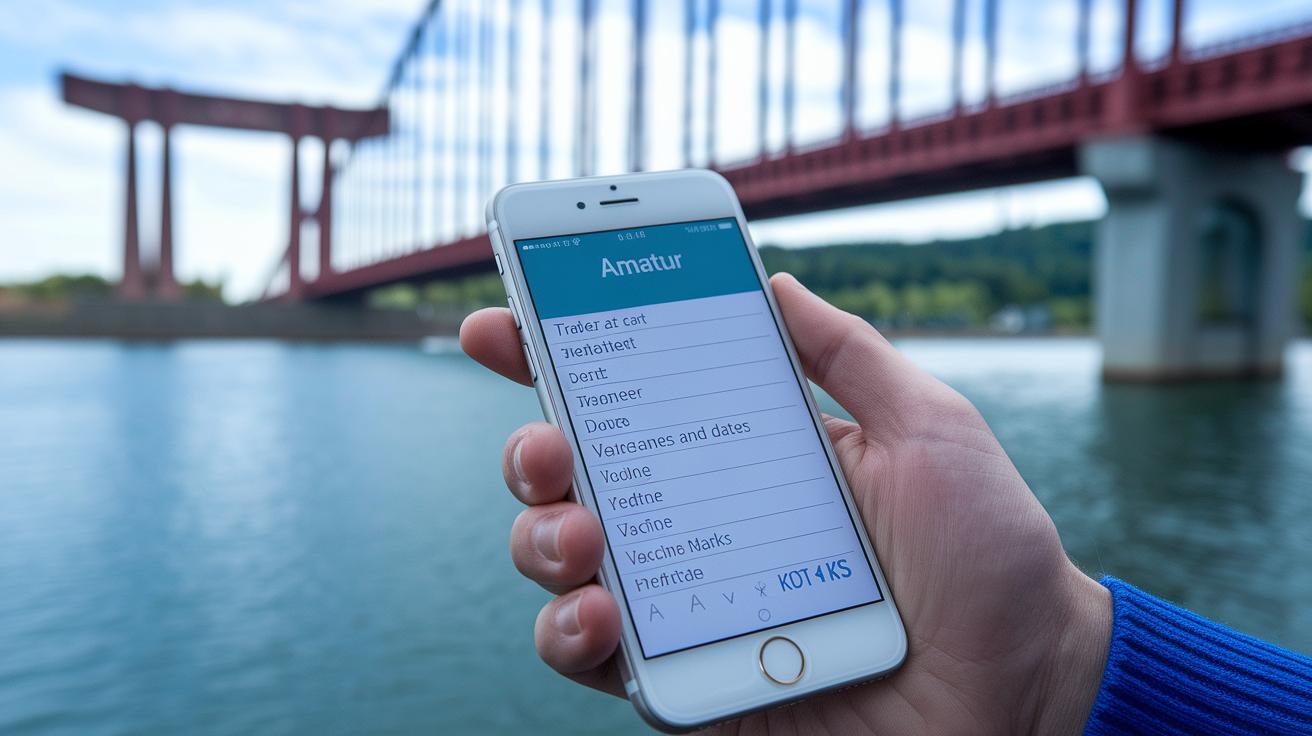
Travelers now face a tighter health check process. You must now carry a standardized vaccination certificate that clearly shows the vaccine names, administration dates, and digital verification marks (a quick way to prove your protection). Make sure your vaccine type is on the approved list provided by official agencies. Think of your vaccination certificate as your key to a smoother journey.
Border officials have also updated testing rules and quarantine guidelines. Now, you need a negative COVID test result taken within a specific time and a completed health declaration form when you arrive. At the border, expect a quick temperature check and a few health questions from trained staff following advice from WHO and local agencies. These measures help cut down any risks while you travel.
Next time you pack for your trip, do a quick check of all your health documents. A little extra preparation can save you from unexpected delays, making your border crossing as hassle-free as possible.
Revised Document Verification and Clearance Procedures for International Journeys

Lately, getting ready to fly has become a breeze thanks to clever updates in travel document checks. Now you can register online well before your trip, enter your details, and confirm your information in advance. This means fewer lines at check-in and more time to enjoy the journey.
And here’s something cool: more airports are using digital passport-scanning gates. These quickly read your travel documents with almost no fuss, like setting your itinerary on autopilot so you have one less worry.
Border control is also stepping up its game with modern biometric tools. Fingerprint and facial recognition scanners now work with updated customs forms you fill out online (it’s like a mini pre-trip checklist). Officers are trained to handle these systems smoothly, and if a hiccup pops up, a quick face-to-face chat helps clear it up. Overall, these changes speed up entering and leaving, making your international travels smoother and more secure.
Essential Resources for Staying Informed on Cross-Border Travel Update Guidelines
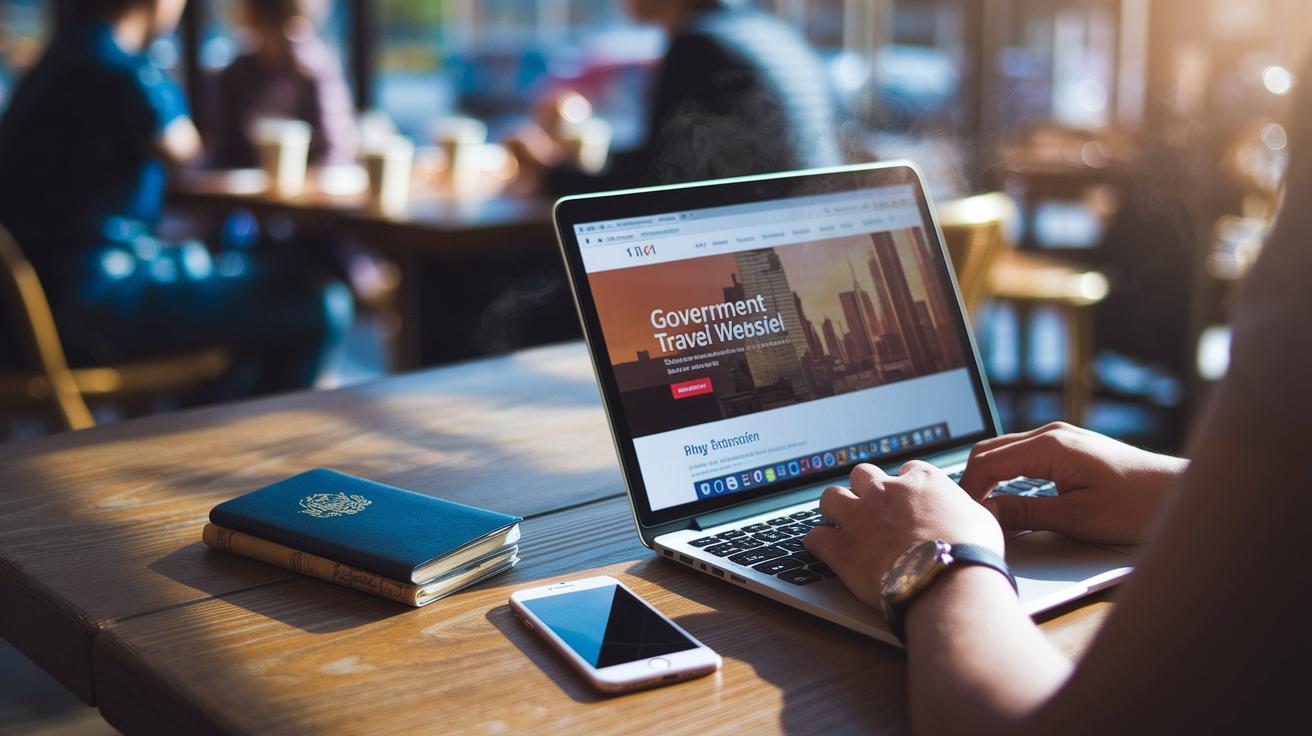
Planning a trip can feel like preparing for a big adventure, especially when travel rules keep changing. I always kick things off by checking official government websites where the latest updates flash on screen, think of them as your go-to travel bulletin for new visa hints or adjusted health tips right when they drop.
Next, sign up for email alerts from foreign affairs offices. Imagine getting a friendly nudge in your inbox: “Border rules updated, check out the new guidelines starting this month.” It’s like having a travel-savvy friend who always gives you the heads-up before any twist on your journey.
Then, there are those nifty travel apps that send live alerts. One minute you’re enjoying a cup of coffee, and the next, you get a quick tip: “Remember to check your travel documents before you head off.” It’s a real-time helper that keeps you in the loop as conditions evolve.
And don’t skip over social media. Many border-control and diplomatic pages share bite-sized updates on the fly, turning your news feed into a mini travel guide. With these tools in your pocket, you’re set to tweak your plans and keep your journey smooth and hassle-free.
Final Words
In the action, clear updates on cross-border travel update guidelines have revealed new visa rules, health checks, and document verifications. Travelers get a quick glimpse at effective dates, changes in regional entry rules, and revised border protocols.
Building on these fresh insights, you now know how to stay informed with custom resources and real-time alerts. These refined details spark confidence and help plan stress-free trips. Enjoy smooth travel planning and feel excited for every opportunity to explore, with clarity leading the way!
FAQ
What is the latest update on U.S. travel bans and current restrictions?
The update on U.S. travel bans and restrictions highlights revised visa processes, health screening mandates, and policy changes. It gives travelers a clear guide for planning cross-border trips.
What should travelers know about entering or re-entering the U.S. from Canada by car?
Entering or re-entering the U.S. from Canada by car now involves updated documentation and strict health measures. Drivers must review current guidelines, including vehicle checks and online pre-registration if needed.
What do U.S. border warnings, including level 3 alerts, mean for travelers?
U.S. border warnings, such as a level 3 alert, signal increased caution. They indicate circumstances with heightened security or health concerns and advise travelers to check official sources for the latest procedures.
What countries are on high alert or on the do not travel list?
Countries on these lists are flagged by authorities due to security, health, or diplomatic concerns. Travelers should consult official government advisories to get updated lists before planning trips.
What are the new traveling and border crossing requirements?
New rules require valid passports, approved health certificates, and online pre-registration. Border crossings now include biometric checks and digital documentation updates, ensuring travelers meet revised health and safety standards.