

Ever thought travel restrictions might hide a surprise? New rules in 19 countries are stirring up global travel in ways that may work in your favor.
These updates feel like a friendly tune-up for the travel world, offering fresh chances to explore without the usual hassle. Next, find out how these changes can help you plan your trips with ease and enjoy your adventures even more!
Must-Know Emerging Travel Restriction Updates
Back on November 26, 2021, a presidential proclamation placed eight southern African nations on the U.S. entry restrictions list because of the Omicron variant. It was a bold move that immediately shifted how we think about travel. Then, on June 4, 2025, another proclamation rolled out under Executive Order 14161. This new move cited section 212(f) of the INA (a law that sets travel rules) and mentioned the Trump v. Hawaii case from 2018. In simple terms, it banned travelers from 12 countries and set partial limits for seven additional nations, all starting at 12:01 a.m. EDT on June 9, 2025. In total, 19 countries are now affected by these changing regulations.
These updates come with strong legal backing, drawing on established rules that keep them solid. The government will review the list 90 days after the measures go live and then every 180 days. This planned check-up acts like a regular travel tune-up, ensuring that guidelines remain clear and responsive to changes around the world.
For the latest insights and headline updates on these travel rules, it’s a smart idea to follow trusted sources like travel news today. Staying informed means you can adjust your travel plans on the fly and stay prepared for any twists in international entry requirements.
Detailed Breakdown of the June 2025 U.S. Travel Restriction Proclamation
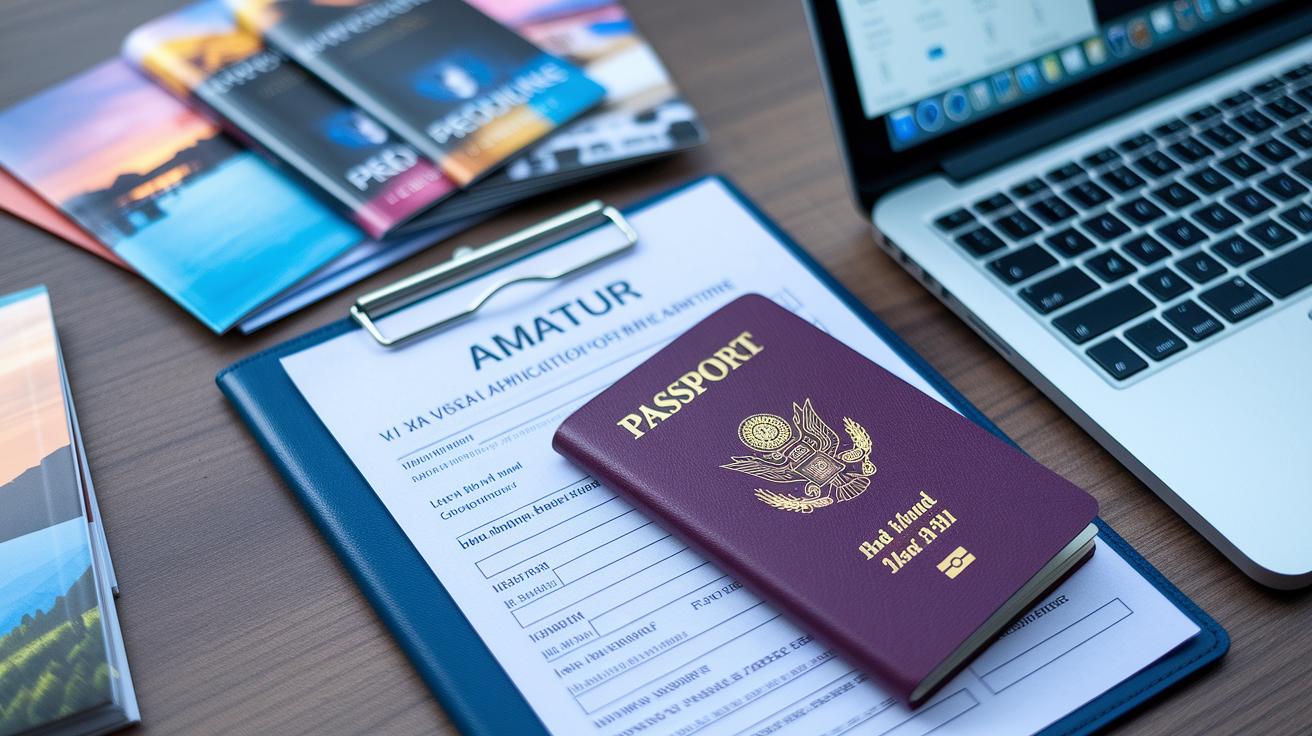
On June 4, 2025, the U.S. rolled out a new travel rule affecting 19 countries. The change kicks in right after midnight EDT on June 9, 2025. Twelve of these nations now face a complete block on both immigrant and nonimmigrant visas. And for the remaining seven countries, specific visas, like B‑1, B‑2, F, M, and J, are now under tighter restrictions, with consular officers also set to shorten the validity of other visa types.
| Country | Restriction Type | Visa Categories Affected |
|---|---|---|
| Nation A | Full Suspension | Immigrant & Nonimmigrant |
| Nation B | Full Suspension | Immigrant & Nonimmigrant |
| Nation C | Full Suspension | Immigrant & Nonimmigrant |
| Nation D | Full Suspension | Immigrant & Nonimmigrant |
| Nation E | Full Suspension | Immigrant & Nonimmigrant |
| Nation F | Full Suspension | Immigrant & Nonimmigrant |
| Nation G | Full Suspension | Immigrant & Nonimmigrant |
| Nation H | Full Suspension | Immigrant & Nonimmigrant |
| Nation I | Full Suspension | Immigrant & Nonimmigrant |
| Nation J | Full Suspension | Immigrant & Nonimmigrant |
| Nation K | Full Suspension | Immigrant & Nonimmigrant |
| Nation L | Full Suspension | Immigrant & Nonimmigrant |
| Nation M | Partial Restriction | B‑1, B‑2, B‑1/B‑2, F, M, J |
| Nation N | Partial Restriction | B‑1, B‑2, B‑1/B‑2, F, M, J |
| Nation O | Partial Restriction | B‑1, B‑2, B‑1/B‑2, F, M, J |
| Nation P | Partial Restriction | B‑1, B‑2, B‑1/B‑2, F, M, J |
| Nation Q | Partial Restriction | B‑1, B‑2, B‑1/B‑2, F, M, J |
| Nation R | Partial Restriction | B‑1, B‑2, B‑1/B‑2, F, M, J |
| Nation S | Partial Restriction | B‑1, B‑2, B‑1/B‑2, F, M, J |
There’s some relief for many travelers. If you hold a valid U.S. visa or have dual nationality with a nonrestricted passport, you’re in the clear. Exemptions also cover athletes heading to major events, immediate family members with proper documents, holders of the Afghan Special Immigrant Visa, and U.S. government SIV staff. Plus, on a case-by-case basis, waivers can be arranged if admitting a traveler serves important U.S. national interests.
Omicron Variant Controls: COVID-19 Border Guidelines and Safety Protocols
On November 26, 2021, a presidential proclamation targeted eight southern African nations, all because of worries about the Omicron variant. It was like adding an extra check before a long journey to stop new virus strains from sneaking in. Think of it as the final safety test before you set off on an adventure.
In response, travel guidelines now focus on keeping you safe at every step. Before you board your flight, a quick PCR test within 24 hours is a must, and you need proof of full vaccination. Once you arrive, you’ll either spend 5 days in quarantine or stick to monitored self-isolation, keep an eye on any symptoms, and submit a digital health certificate.
Regional Focus: U.S. Proclamations and Southern Africa Restrictions

We’ve combined this section with our U.S. proclamations and Omicron-era controls so you don’t end up reading the same details twice.
Exemptions, Waivers, and Special Case Provisions in New Travel Mandates
If you hold a green card, a valid U.S. visa, or travel with a nonrestricted passport, your travel plans go on without any extra fuss. Imagine showing your visa when you arrive and smoothly making it through, no extra steps needed.
Some travelers get even more special treatment. Athletes on their way to big competitions, close family members with proper proof, Afghan Special Immigrant Visa holders, and U.S. government SIV employees all fall under this category. They might even get a personal waiver under section 212(f) if it helps U.S. interests. In these cases, you just need to complete a waiver application and hand over documents like your passport, a current visa copy, and proof of your special status or event. Picture an athlete quickly gathering the necessary paperwork for a major tournament and getting approved in no time.
Impact on Travelers: Documentation, Preparation, and Checklists
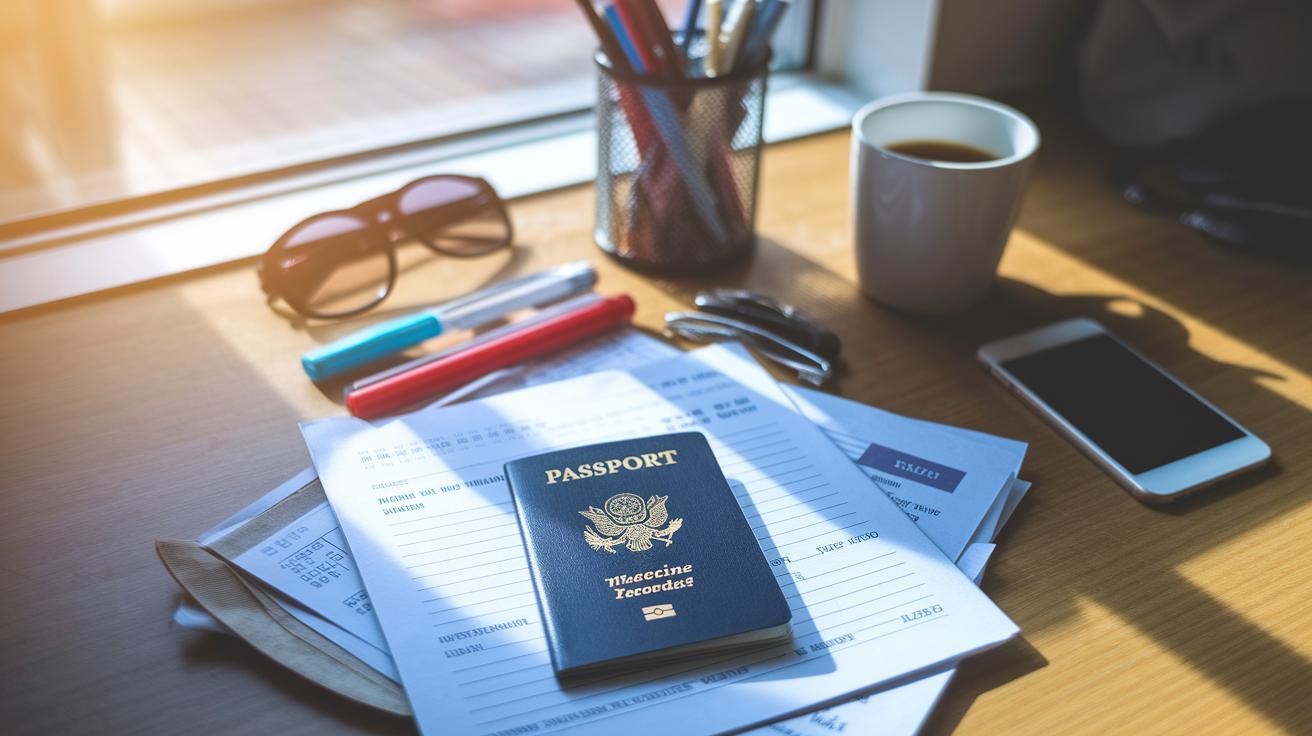
Before you head out, make sure your travel documents are in order. Your passport is your essential ID, and keeping your vaccine records (like your COVID shots and a recent negative test) handy is key. If you have waiver letters or digital health certificates stored on your e-passport, keep them nearby, it’s just like packing your travel essentials so you avoid surprises at the airport.
Airlines and embassies are constantly updating their rules, so it pays to double-check your flight details directly with the carrier. Flights might change, get rerouted, or even canceled at the last minute, so plan accordingly. It also helps to register with your local embassy or consulate for quick updates on visa appointments or any urgent travel notices. This way, you’ll be ready for any unexpected twists on your journey.
Common Traveler Questions on Emerging Travel Restriction Updates
Ever wondered which dozen countries are completely off-limits and which few only have partial restrictions? Twelve countries no longer issue either immigrant or nonimmigrant visas, while seven restrict only certain types. For a full list and any future tweaks, check the visa details section in this article.
When will the U.S. take another look at its list? The first review happens 90 days after the rules are set in motion, then every 180 days afterwards. So, keep an eye on the news and alerts, there might be a change coming soon, perhaps even involving Egypt.
Who might be eligible for a waiver under section 212(f)? If your travel could really benefit U.S. interests and you have strong documents to prove it, you might qualify for a case-by-case waiver. My tip: gather all your supporting paperwork now because the guidelines might change later.
What about green card holders, are they affected? Good news there. Lawful permanent residents aren’t subject to these new travel restrictions at all. You can stick with your usual entry process without any extra hassle.
And lastly, how can you stay updated on the latest quarantine and testing rules? The best approach is to follow official advisories and trusted travel alerts. Consider setting up notifications on your favorite news app so you always have the latest info on international travel updates.
Final Words
in the action, we walked you through two key proclamations and the specifics on how law and exemptions shape current travel policies. We also looked closely at the details behind safety measures and the required documentation to keep travelers informed.
We hope you now feel more ready to handle emerging travel restriction updates. Stay curious, pack smart, and keep your excitement alive as you prepare for those unforgettable travel moments ahead!
FAQ
Frequently Asked Questions
What are the latest emerging travel restriction updates for the USA?
The emerging travel restriction updates for the USA signal new advisories and entry measures from government announcements, impacting visa rules and traveler requirements as policies continue to adapt.
What are the emerging travel restriction updates related to COVID-19?
The emerging travel restriction updates on COVID-19 introduce measures like pre-departure testing, proof of vaccination, and short post-arrival isolation to help manage virus spread through controlled entry protocols.
What are the current U.S. travel restrictions?
The current U.S. travel restrictions reflect recent executive proclamations that impose bans or partial limits on nationals from specific countries, with ongoing reviews to adjust policies as needed.
What were the emerging travel restriction updates in 2021 and 2022?
The emerging travel restriction updates in 2021 and 2022 targeted virus control by instituting entry bans and quarantine rules for select regions, using health protocols to reduce importation risks.
What does the State Department new travel advisory state, and where can I access the U.S. travel advisory map?
The State Department new travel advisory outlines safety warnings and guidelines for U.S. citizens, and you can access the U.S. travel advisory map online for detailed, up-to-date destination assessments.
What are the new travel restrictions for 2025?
The new travel restrictions for 2025 impose full entry bans on 12 countries and partial limits on seven others, taking effect on June 9, with regular reviews scheduled to monitor the measures.
What countries are at level 3 travel warning?
The level 3 travel warning identifies countries where heightened caution is needed, usually due to substantial entry limits or significant security concerns indicated by recent regulatory updates.
Can residents travel outside the US in 2025?
U.S. residents can travel outside the country in 2025 if they meet the updated entry and health requirements, while keeping informed of any new advisories specific to their destination.
Where should Americans avoid traveling right now?
Americans are advised to avoid destinations with active full bans or high-level alerts as outlined in recent proclamations, ensuring they check current restrictions before planning trips.