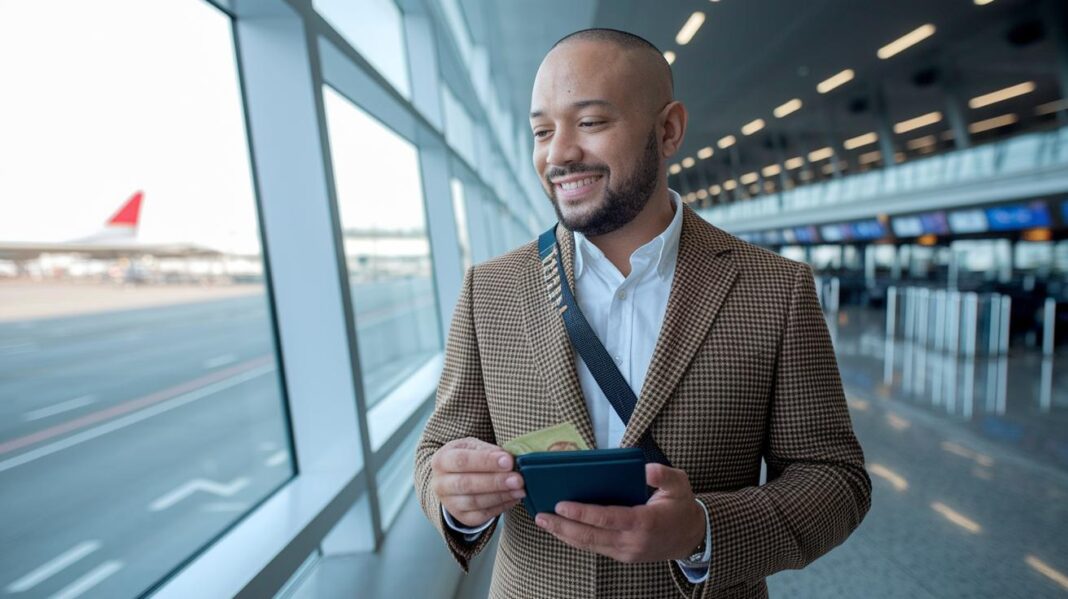

Have you ever noticed that the price of your morning coffee might be a secret hint for saving money abroad? Imagine checking the cost of your favorite meal and realizing it could point to a better exchange rate.
It sounds simple, right? But there’s real magic in it. Handy apps track tiny shifts in rates (like little breadcrumbs on your money-saving trail) and tell you when it’s the perfect time to swap cash.
These travel tips may seem small, yet every little change can add up to big savings on your adventure. Next time you’re on the go, keep an eye on everyday prices and let them guide you to clever, smart moves while exploring new places.
Maximizing Conversions: Expert Currency Exchange Strategies
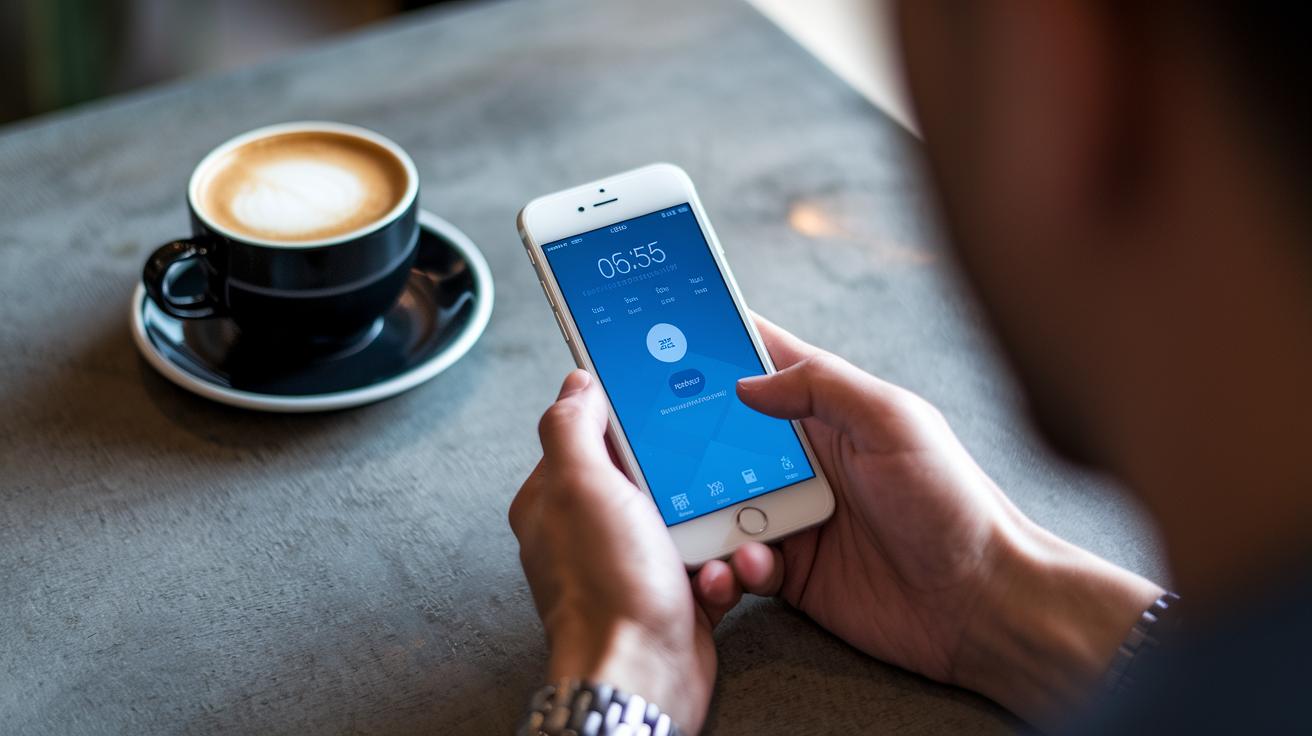
Start by checking everyday prices like the cost of your favorite coffee or a meal at a local diner. It’s a quick way to feel the pulse of a currency. Imagine grabbing a downtown latte that costs only a few cents in exchange value, it tells you the exchange might work in your favor.
Then, use handy apps that deliver real-time updates on exchange trends. Even tiny shifts, around 0.5 to 1%, can really add up over time. I’ve noticed that if a rate steadily increases for a few weeks, it might just be the perfect moment to swap your money. This approach not only boosts your conversion value but also refines your travel budgeting game.
Next, consider planning your money exchanges around major political events or economic news in your destination. When the local scene is steady, you’re more likely to snag a better rate, kind of like timing a trip to catch the best weather. Understanding the local mood can really help pinpoint that ideal window for conversion.
Finally, blend real-time updates with a look back at past market trends. Check current local prices against historical data you’ve seen online, just like comparing notes before embarking on a journey. Paying attention to these details gives you a real edge in managing your money smartly, and every little decision counts when you’re exploring the world.
Expert Currency Exchange Travel Tips: Save More Today

Smart money swaps can help you save extra cash on your adventures. When you're comparing spots like banks, ATMs, airport kiosks, and local bureaus, knowing what each offers really makes a difference.
Banks are like that reliable friend, they give you secure transactions and usually lower fees. Their rates might not dazzle you, but they help you dodge unexpected charges.
ATMs often serve up competitive exchange rates with the bonus of instant cash pickup. Just keep in mind that local ATM charges and fees from your home bank can add up.
Airport kiosks offer quick cash the moment you land, though they're known for steep commissions and rates that rarely impress. Meanwhile, local bureaus sometimes provide better figures; a little research (like a quick online check) can ensure they're trustworthy.
| Option | Pros | Cons |
|---|---|---|
| Bank | Secure transactions and low fees | Rates might not be very attractive |
| ATM | Competitive rates and immediate cash | Extra fees from local machines and your bank |
| Airport Kiosk | Ease of access upon arrival | High commissions with less favorable rates |
| Local Bureau | Occasionally better rates | Requires a quick reliability check |
Before you set off on your trip, take a moment to compare these options. Imagine checking a bank's steady rate against an ATM's advertised deal, each choice comes with its own trade-offs to help you get the most value out of your money.
Minimizing Fees and Hidden Costs in Expert Currency Exchange Travel
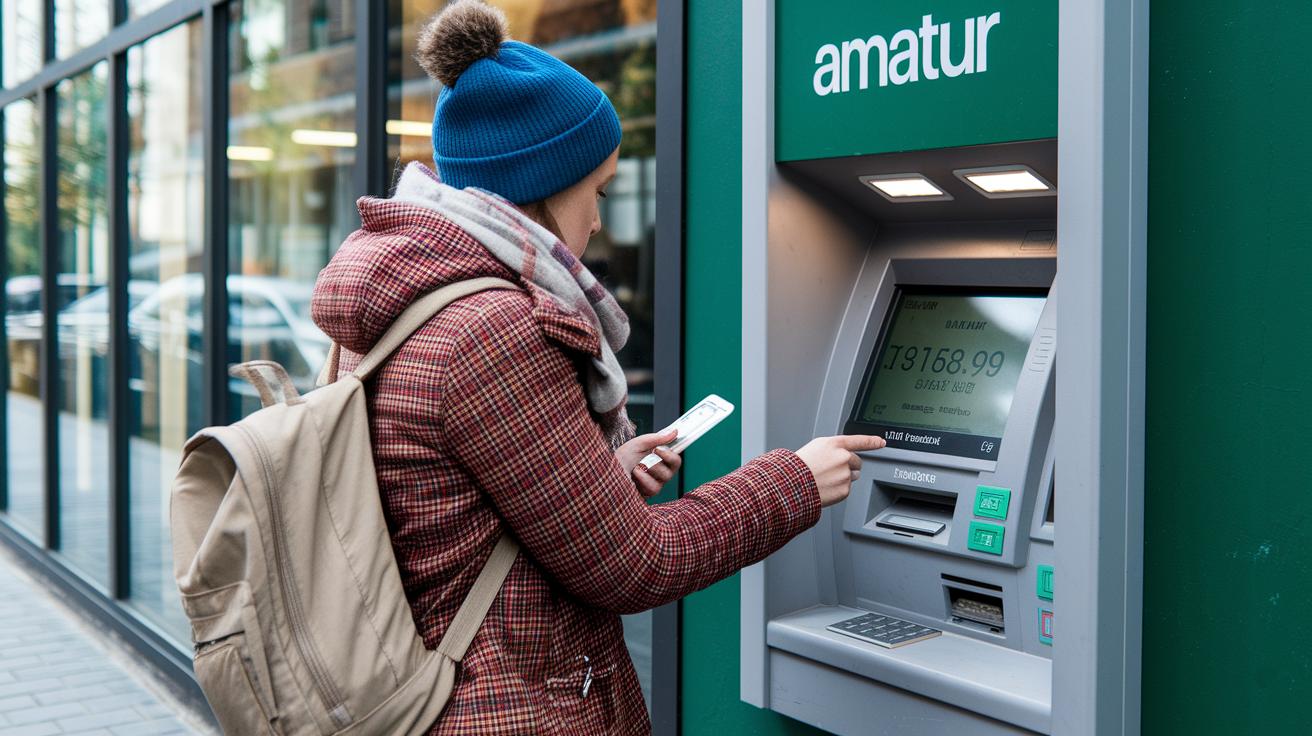
When you're traveling abroad, planning your cash withdrawals can save you a lot of hassle. ATMs in foreign countries often come with extra fees, both from the local bank and your own. Sometimes an ATM might charge a flat fee, and other times it takes a cut based on how much you're taking out. Always check if you can skip the automatic currency conversion at checkout. I remember one traveler saying, "I once paid a high rate because the machine turned my purchase back into my home currency without me even asking." It's best to pay in the local money to avoid those sneaky extra fees.
Next, when you have leftover cash, avoid exchanging it at airport counters since their rates can eat into your funds by almost 10%. Even those small coins can add up to a real headache later on if you try to trade them in. A good tip is to withdraw only what you really need so you don't end up with loose change or extra cash that doesn't hold its value.
Also, keep an eye on every little fee. Look around for more cost-effective ways to handle your money conversion and learn how international fees work. Before you set off, review your bank’s fee details and consider alternatives that keep unexpected charges to a minimum.
Timing Your Exchanges with Expert Currency Exchange Rate Strategies

Imagine your phone alerting you to a small change, like a 0.8% swing, that could let you enjoy an upgraded imported dessert. It’s surprising how even a tiny shift can boost what you get.
When you’re tracking these changes, lean on trusted sources like central bank updates and economic reports. They work like a local guide, showing you secret shortcuts without having to dig through endless news.
Next, checking past peaks and dips can reveal why even a 0.5% difference matters. In truth, this careful watch turns small changes into real savings, much like finding a hidden gem on an unexpected journey.
Securing Funds: Risk Management in Expert Currency Exchange Travel
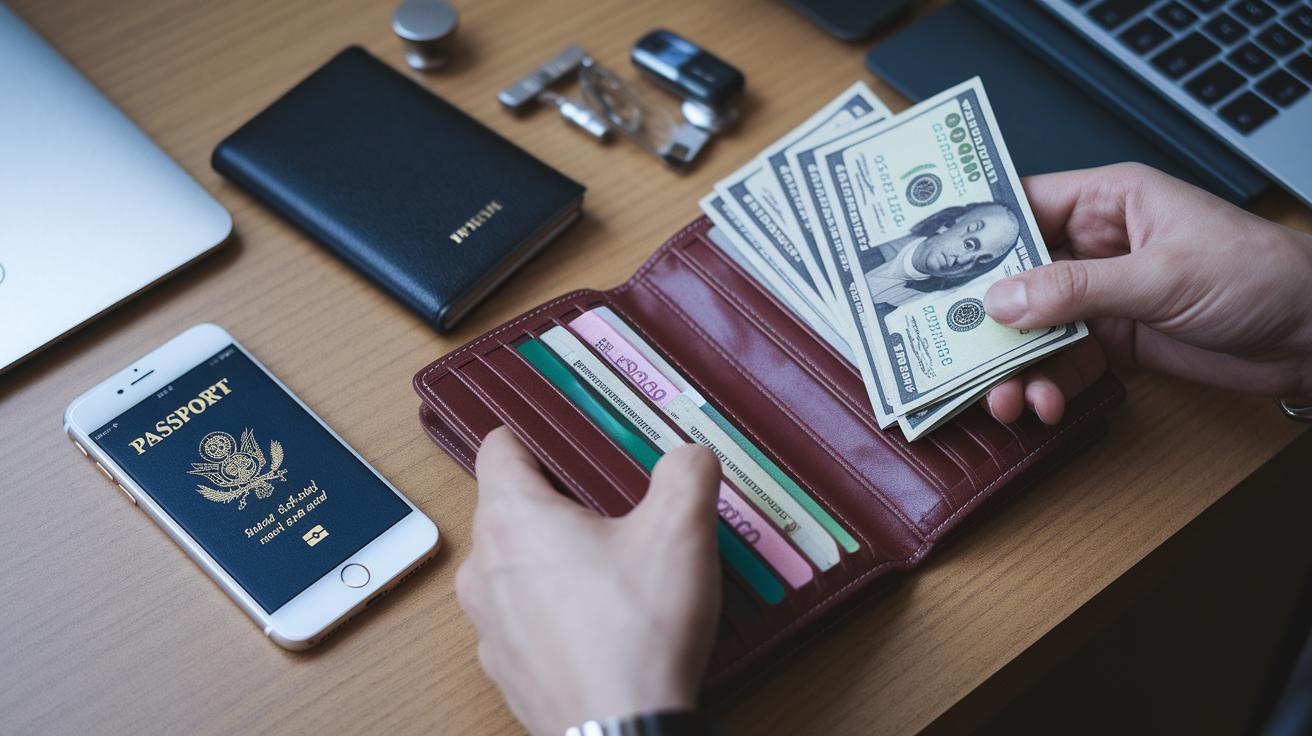
Before you set off on your next adventure, take a moment to secure your cash with a few smart steps. Let your bank know about your travel plans so you won’t face any surprise card blocks when you need money the most. And while planning, consider picking up some local currency from a reliable bank, it helps avoid sketchy kiosks and keeps your funds safe.
Splitting your cash, cards, and backups into different wallets or even hidden pouches can really make a difference. That way, if one spot gets compromised, you'll still have a reserve. Plus, snapping clear copies of your passport and cards online offers a quick fix if any of your items get lost.
- Always give your bank a heads-up before you leave.
- Order local currency in advance from a trusted source.
- Distribute your cash and cards in several secure locations.
- Keep digital copies of your important documents for fast access.
Managing Leftover Funds with Expert Currency Exchange Tips
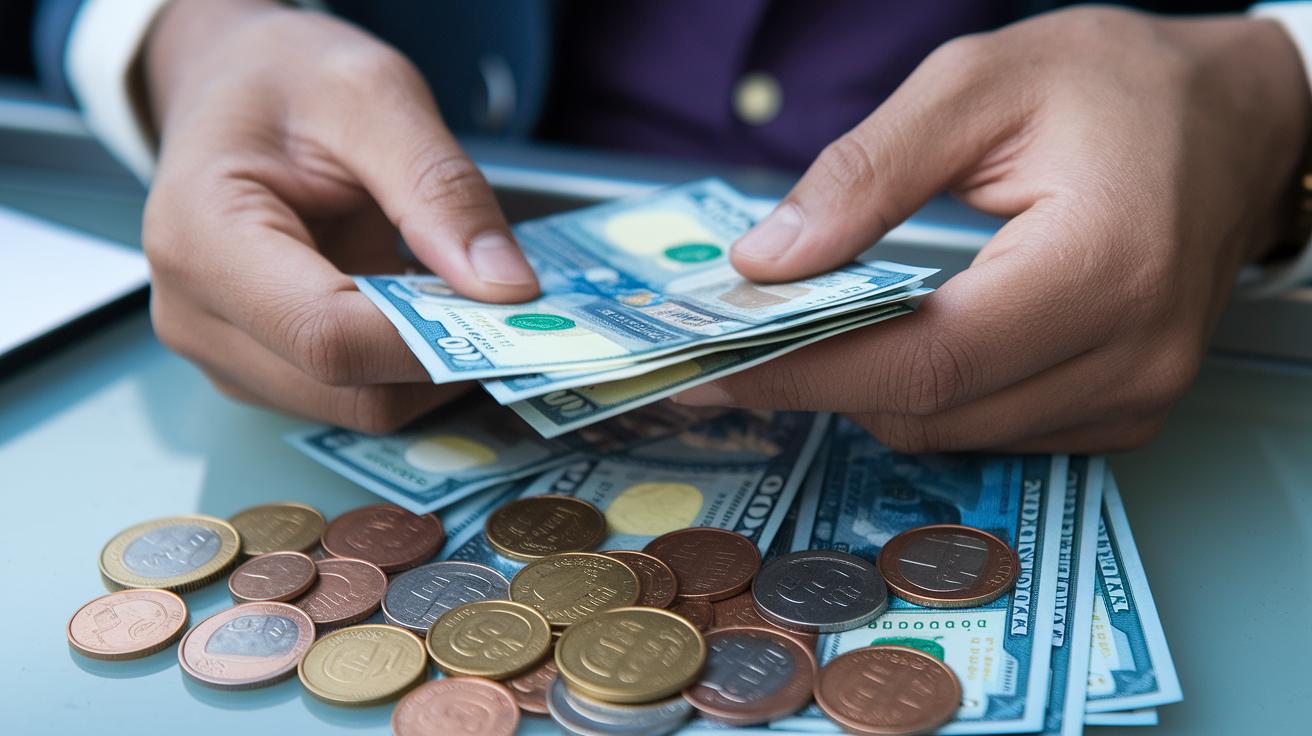
When you return from an exciting trip, you might find yourself with extra foreign bills and coins. Instead of trading them at an airport booth with poor rates, try visiting your local bank where the exchange rate is usually more favorable. It’s a smart way to wrap up your travel money plan.
Those small coins can be surprisingly useful too. They work perfectly for a quick tip at a café or a small donation to a local charity. And if you end up with more cash than you need, check out peer-to-peer apps or online marketplaces that help you sell your surplus at lower fees. Sometimes this extra exchange can even help cover part of your trip expenses.
It’s also a good idea to keep a tiny emergency stash of foreign money for future regional adventures. You never know when that little reserve might come in handy.
- Bring unspent bills to your home bank.
- Use coins for tips or charity.
- Check peer-to-peer apps for better rates.
- Hold a small reserve for emergencies.
Final Words
In the action, this article laid out clear tips on comparing banks, ATMs, and local exchange services to save money when trading currencies. It covered ways to cut fees, track rate changes, and safely manage funds abroad. We also looked at handling extra cash in a smart and practical way.
Grab these expert currency exchange travel tips and put them to use. Enjoy your travels with more confidence and ease, knowing you’ve got real strategies at hand!
FAQ
What are expert currency exchange travel tips for the USA?
Expert currency exchange travel tips for the USA recommend comparing local prices and using rate-tracking apps to catch small shifts, helping secure competitive deals for smooth spending.
What are expert currency exchange travel tips for international travel?
Expert international currency exchange tips encourage checking fees at banks, ATMs, and reliable local bureaus while keeping an eye on real-time rate updates for better conversion outcomes.
Should I exchange money before I travel to Europe?
Exchanging money before European travel is advised to lock in competitive rates at trusted banks, reducing the likelihood of expensive fees charged at airport kiosks on arrival.
How do I find a currency exchange near me?
Searching for currency exchange near you involves locating well-reviewed banks or trusted local bureaus, then comparing fees and rates to secure the best conversion option available.
When is the best time to exchange currency for travel?
The best time to exchange currency for travel is when rate trends show slight improvements; using free rate alerts via apps helps pinpoint moments that save you money.
Where can I buy euros for travel?
To buy euros for travel, consider using established banks or reliable ATMs over airport kiosks, as they typically offer competitive rates without exorbitant fees.
What should I know about Chase currency exchange services?
Chase currency exchange services aim to deliver competitive rates online or at branches, though a quick check against local banks and rate trackers could help you secure a better deal.
How does a currency converter help with travel planning?
A currency converter provides quick, real-time calculations of exchange rates, letting you plan expenses accurately and choose the best time to convert your money.
Is it better to do currency exchange at the airport or at a bank?
Currency exchanges at banks often yield better rates compared to airport kiosks, which usually come with higher fees and less favorable conversion values.
What are AAA’s charges for currency exchange?
AAA’s currency exchange fees are set commissions that can vary over time; checking current rates and fee structures before heading out ensures you understand the cost involved.
How much cash should I bring to Europe for two weeks?
Experts advise carrying a modest amount of cash for daily expenses in Europe, then relying on withdrawal options like ATMs, which balance convenience with safety for longer trips.
Is it better to get foreign currency before leaving home?
Securing foreign currency before departure often proves beneficial, as it allows you to lock in competitive rates in advance and avoid high fees found at airport exchanges.