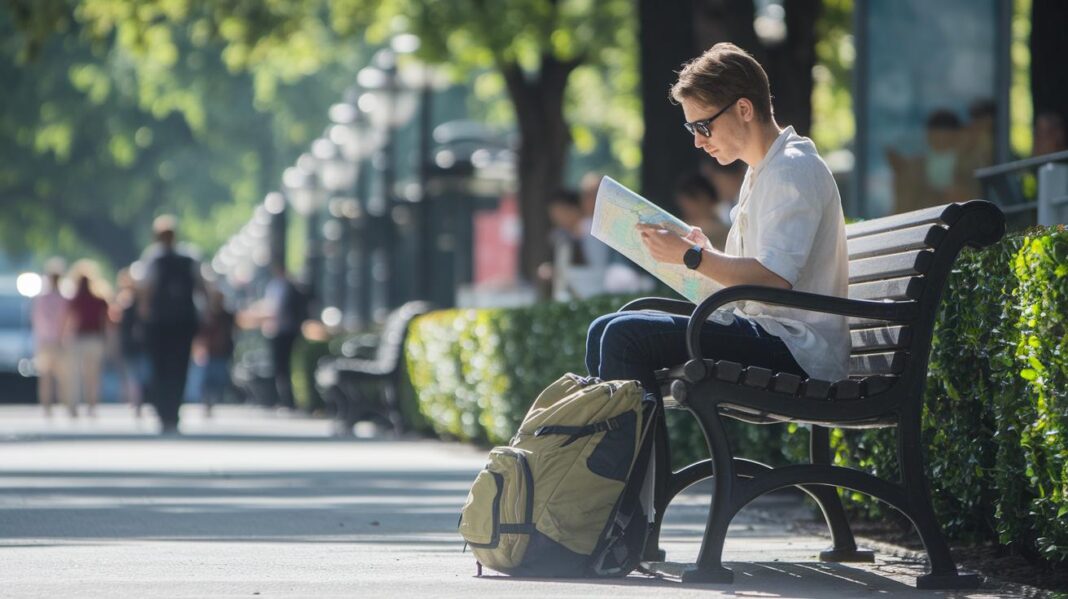

Ever felt that little flutter of nervousness when setting off to explore a new city all by yourself? It can feel a bit daunting, like stepping into the unknown without a map. But don’t worry, using a few smart safety tricks can help turn that uneasy feeling into a burst of confidence.
Next, try checking local updates and using handy tools like location-sharing apps (that’s when you share your whereabouts with a friend). This easy guide is filled with travel tips that let you roam freely while keeping things safe each step of the way. Now, pack your bag with these tricks and get ready for a carefree adventure!
Expert solo travel safety tips: Stay Safe
Before you set off on your adventure, take a little time to really get to know your destination. Look up local travel advisories and check out traveler reviews to spot areas that might be risky, like parts of town with higher crime rates or regions prone to natural events such as hurricanes or earthquakes. It’s like planning your itinerary (a planned route for your trip) so you know exactly where to tread carefully.
Plan ahead with smart, simple tricks. Sign up for programs like the U.S. State Department’s Smart Traveler Enrollment Program (STEP) to get timely alerts, and share a copy of your passport with a couple of people you trust. Using two location-sharing apps, say Life360 along with Google Maps, means a friend or family member always knows where you are, keeping you safer along the way.
Before you leave home, make sure your travel kit is ready. Pack these items for extra peace of mind:
- Offline maps and translation apps (very handy when there’s no data)
- TSA-approved padlocks to secure your luggage
- Portable chargers to keep your devices powered up
- Small door locks and alarms for extra security in your room
- A crossbody sling or money belt paired with a waterproof fanny pack for everyday safety
- A keychain alarm as a quick way to alert someone if needed
Imagine this: before stepping into a new country, many seasoned solo travelers double-check that their safety kit is fully charged and their location-sharing apps are running. Such small steps can make a big difference!
Timing is key too. Try to schedule your flights or bus trips to avoid those odd hours between 2 and 4 AM. When booking a place to stay, opt for a mid-level floor (like the second floor) so that you can get out of trouble quickly if needed, yet feel secure from potential break-ins. And when you need a ride, services like Uber or Lyft are a smart bet since they offer real-time trip sharing and driver checks.
Above all, trust your gut. If something just doesn’t seem right, don’t hesitate, leave immediately. Keeping these tips in mind will help you travel smart, feel confident, and truly enjoy every twist and turn of your solo journey.
Pre-Trip Planning with Solo Travel Safety Tips
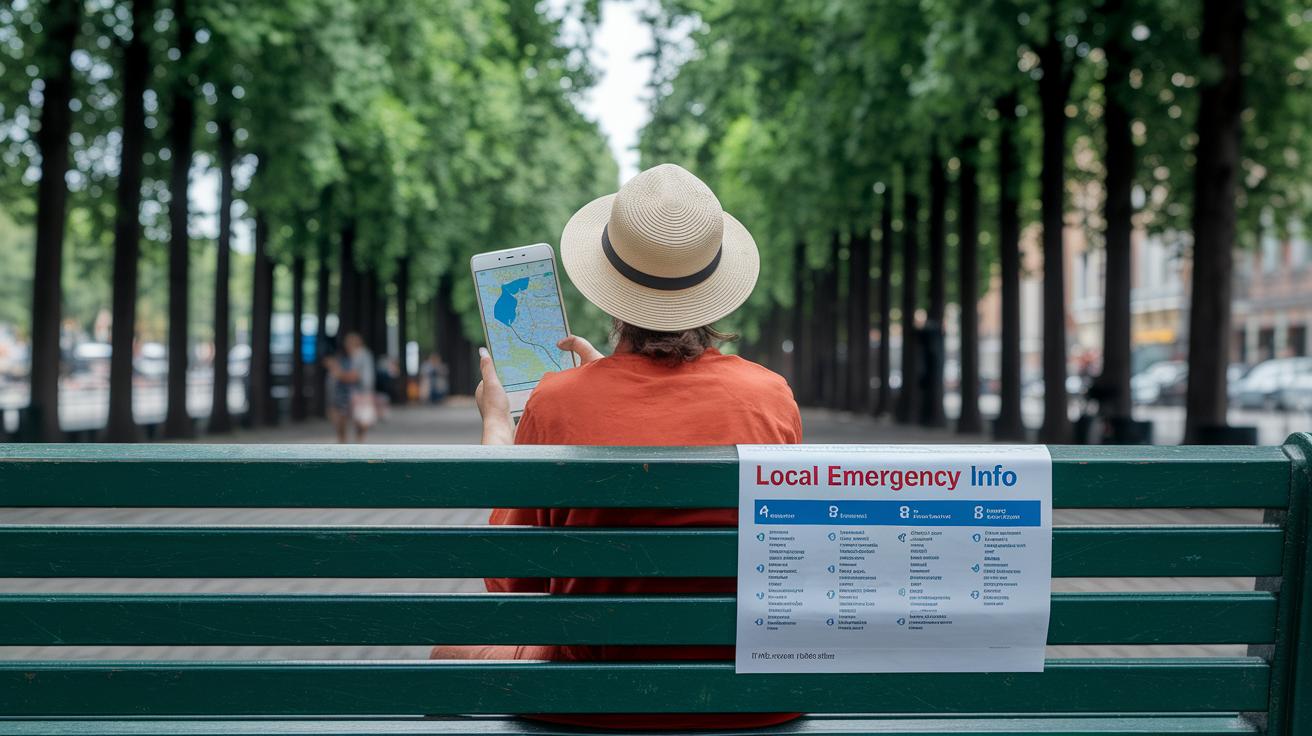
Before you set off on your solo adventure, it pays to check the local emergency basics. Find out where the nearest hospital is, grab the emergency phone numbers, and note the police station locations (it's like mapping out your own safety net). I always make sure local services are available when I need them.
Then, take a moment to learn the local customs. A quick bit of research on greetings, dress codes, and respectful habits can really smooth your way. For instance, in some spots, a gentle bow might be more common than a handshake, something to keep in mind when you meet new faces.
Don’t forget your health prep either. Look up clinics where staff might speak English and pack a little extra of your must-have meds. A handy translation app can also be a lifesaver during those unexpected health bumps along the road.
And since language can be a challenge, try learning a few key phrases before you travel. Knowing how to say "Can you help me?" could make all the difference in an emergency.
Keep this checklist with you as you blend these tips with your own travel plans. These details may seem small, but they add up to a smoother, safer trip that lets you focus on the adventure ahead.
Digital and Financial Security Solo Travel Safety Tips
When you're planning your adventure, book your hotels and transport through trusted websites. It’s one of the best ways to steer clear of scams. And if you're out and about, skip the public Wi-Fi, use your own hotspot or a VPN (that secure, private network) to keep your data safe.
Protect your online accounts by turning on two-factor authentication for travel services, emails, and banking apps. Keep sensitive details like boarding passes or precise travel dates off social media so that prying eyes don't get a hold of your plans.
For your money, it’s smart to spread your cash and cards across a money belt or hidden pouch. Regularly check your transactions with low-balance alerts to catch any unusual activity early. And always pack a backup credit or debit card, just in case one option gets compromised.
Routine account checks and quick responses to red flags can really save the day. With backup funds tucked away, you'll be ready to handle any unexpected twists along your journey.
Secure Lodging Selection with Solo Travel Safety Tips
When you're exploring on your own, keep your important documents safe by storing your passport and extra cash in a secure spot (like a hotel safe) and tuck a copy in a hidden pocket. This way, if anything unexpected happens, you’ve got a backup plan ready.
Also, take a moment to compare travel insurance options that cover things like medical evacuation, trip interruption, and lost baggage. Pick a plan that fits your travel vibe so that if mishaps arise, you’re not left scrambling for help.
Transit and Mobility Solo Travel Safety Tips
When you’re riding public transit, it helps to choose a seat close to the driver or at the front. This way, if anything feels off, help is never too far away. For example, on a bustling train, I always sit near the conductor so I can stay alert and feel safer.
Before you hop on, take a quick look at the transit schedule using an official app or the station board. Checking stop times and any service changes can keep you from unexpected delays. I usually peek at the schedule online before grabbing a bus, and it really helps me plan my trip smoothly.
And if your gut tells you something isn’t right, don’t hesitate to ask for help. When I notice a strange delay, I quickly turn to a nearby staff member or fellow traveler for answers. Trusting your instincts can make all the difference on a solo journey.
Situational Awareness and Local Hazard Solo Travel Safety Tips
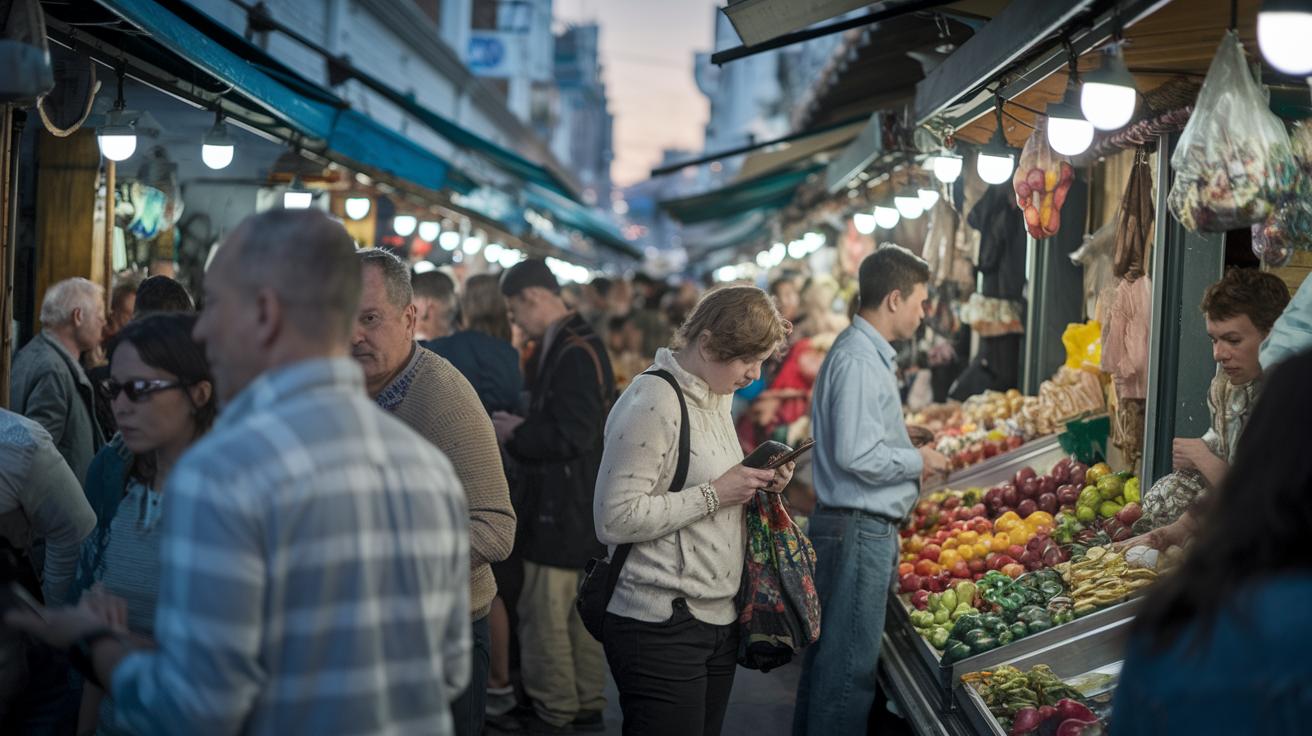
When you step into a new place, take time to notice everything around you. In busy spots, it helps to put your phone away a bit so you don’t draw extra attention. Many travelers share stories about scams like high fares or clever distraction thefts. One traveler once said, "My gut told me something wasn’t right in the busy market, so I left immediately," which shows how important it is to trust your inner feeling.
- Keep your phone tucked away in crowded areas so you stay alert.
- Hide your valuables to keep pickpockets away.
- Check recent traveler stories to learn about local scams.
- Trust your instincts and leave any situation that feels off.
- Consider carrying a personal alarm or use a sturdy water bottle if needed.
Watch the energy around you and respect local customs. Keep an eye out for unusual behavior or sudden changes in your surroundings. Even simple choices like switching your phone to silent in busy areas can make a big difference. By tuning into your feelings and the local scene, you create a natural shield that makes solo travel both safer and more enjoyable.
Emergency Response and Contingency Solo Travel Safety Tips
Before you set off, make sure you craft a solid emergency plan. Jot down key numbers like the local police, ambulance, and your embassy, and save this info offline in case you lose internet. For example, in Paris, remember that 112 is the number you’d call for help.
It also helps to have a backup money plan. Keep some cash hidden away and stash extra funds safely where you're staying. That way, if unexpected expenses pop up, you won't run out of resources all at once.
Sign up for a travel safety service, like the U.S. State Department’s STEP program, and make sure to add at least two emergency contacts to your phone. This means that someone you trust will be alerted if things go sideways. I once heard from a friend, “I felt comfort knowing my family could check in with me anytime,” which really shows how much reassurance this step can give.
Don’t forget to pack a compact first-aid kit. Fill it with the essentials, like any needed medication, a few bandages, antiseptic wipes, and even a whistle. A handy tip is to keep your kit in your carry-on so it’s always at your fingertips when needed.
Self-Defense and Personal Security Tools for Solo Travel Safety Tips
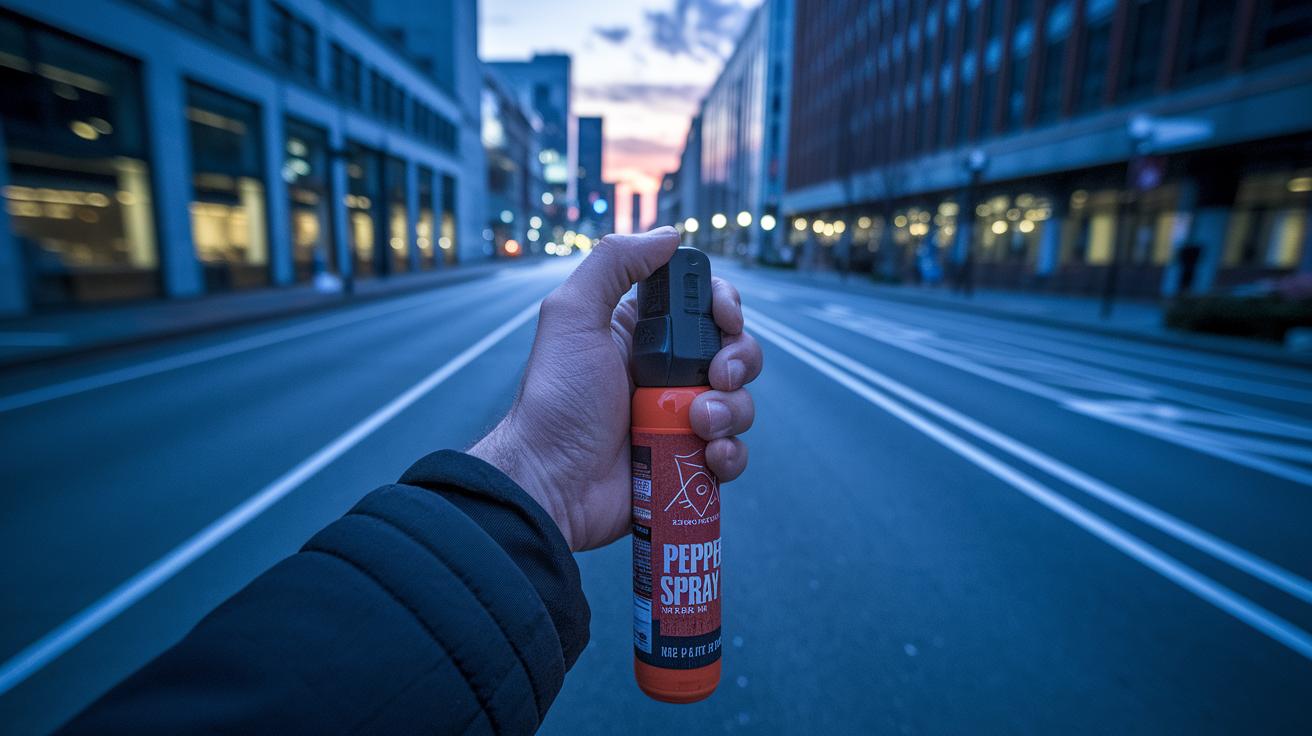
Traveling on your own means being prepared with a few handy safety tools. Imagine carrying a small keychain alarm (sometimes called a jabber) or a can of legal pepper spray, you never know when you might need that extra burst of confidence on a quiet street. A loud personal alarm can act like a sudden shout for help, catching the attention of those nearby if you sense something off.
Next, think about how a portable door wedge or a travel lock can boost your peace of mind when you're staying in a hotel or an Airbnb. These little devices give you an extra layer of comfort, like adding another lock on your door while you sleep. And for a tech-savvy twist, consider a discreet GPS-enabled panic button or a voice-activated safety device that lets you call for help with just one press.
It’s also useful to brush up on basic de-escalation techniques. Learn a few local distress signals or hand gestures that quietly tell someone you need help. For example, many solo women travelers swear by these tips, saying that having a few extra gadgets made them feel much more in control. One friend even remarked, "Equipping myself with these security tools really boosted my confidence."
In the end, combining these practical devices with some simple self-defense moves helps you handle any surprises that come your way. Whether you’re exploring new streets at dusk or hopping from one café to another, taking a few moments to prepare can make all the difference on your journey.
Final Words
In the action, this post shed light on essential safety tips for solo travelers. It covered thorough research, secure accommodations, smart transit choices, and ready emergency plans.
We also touched on local hazards and simple self-defense tools that give you the confidence to set off on your trip. All these expert solo travel safety tips can help you explore new places with a sense of calm and assurance.
May your travels be safe and fulfilling!
FAQ
What are expert solo travel safety tips for women?
Expert solo travel safety tips for women stress researching your destination, sharing your itinerary with trusted contacts, using location-sharing services, and carrying reliable self-defense tools like keychain alarms and portable door locks.
What are essential solo travel safety items?
Essential safety items for solo travel include TSA-approved padlocks, portable chargers, crossbody slings or money belts, waterproof fanny packs, and keychain alarms that can alert others if you need help.
How do you keep yourself safe when traveling alone?
Keeping safe when traveling alone involves planning your transit and lodging smartly, using ride-share apps with driver verification, sharing your location, and trusting your gut to leave any situation that feels off.
How can you manage solo travel with anxiety?
Managing solo travel with anxiety means planning ahead by setting up emergency contacts, preparing a clear itinerary, practicing relaxation techniques, and equipping yourself with personal safety devices for peace of mind.
Where is it safe for a woman to travel alone?
Safe travel destinations for women depend on thorough research including checking official advisories and traveler reviews, focusing on regions with low crime rates, and choosing areas known for female-friendly travel experiences.
What is the dark side of solo travel?
The dark side of solo travel may include feelings of isolation, increased exposure to scams or unwanted attention, and moments of vulnerability, though these challenges can be managed with careful planning and awareness.
What hotel safety tips should a solo traveler follow?
Hotel safety tips for solo travelers include choosing mid-level rooms for balanced security, verifying that in-room locks work, supplementing with portable door locks, and storing vital documents and money in a secure hotel safe.