

Have you ever been stranded with no signal just when your phone feels like your lifeline? It’s a common travel gripe that can lead to missed calls and added stress.
In this guide, we're sharing easy tips to keep your devices connected while you’re off exploring. With a bit of smart planning and a few reliable connectivity tricks (like portable hotspots or local SIM cards), you can always be in the loop, even when you're far from home.
Ready to turn your next adventure into a smooth, connected journey?
Key Expert Travel Connectivity Tips for Reliable Access Abroad
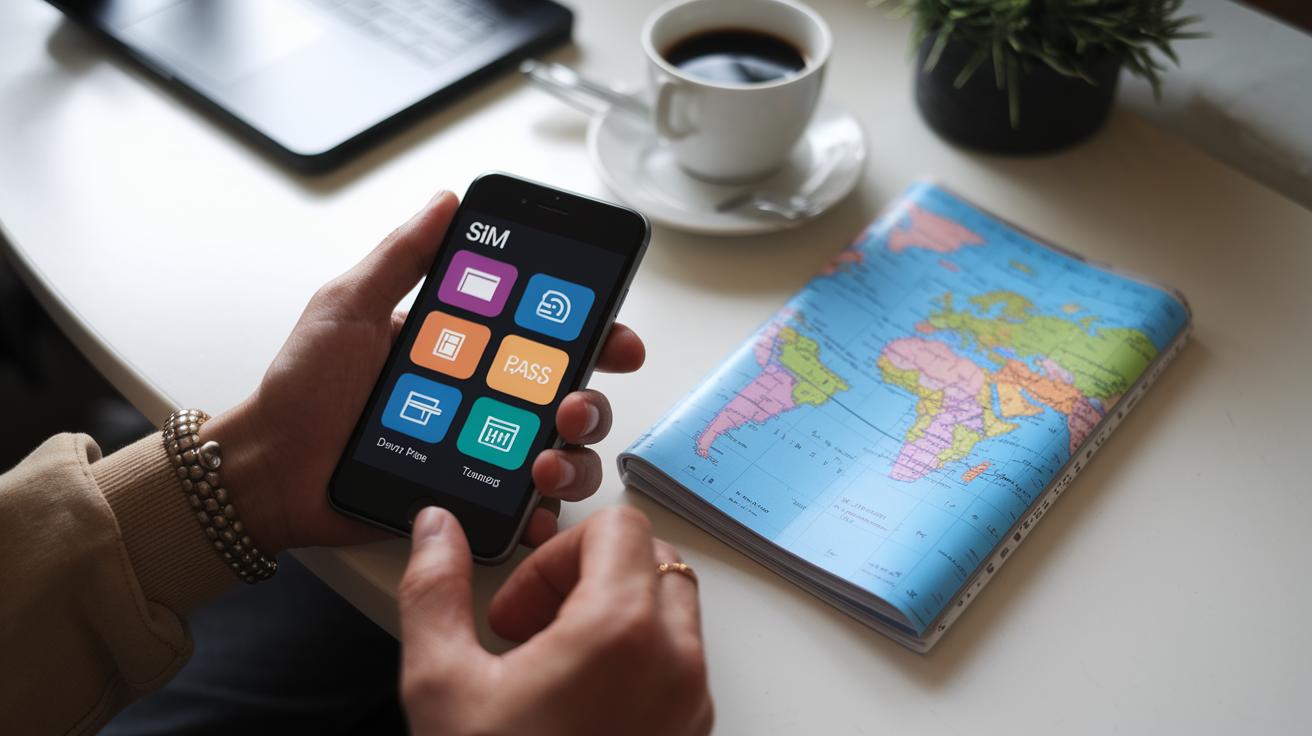
Before you set off, it’s smart to plan how you’ll stay connected on your adventure. A little foresight goes a long way in keeping your maps, messages, and important updates flowing smoothly while you explore new places.
Here are some handy options to consider:
- Major carrier day pass plans let you stick with your home plan for a small daily fee, perfect for quick escapes when data roaming is on.
- eSIM solutions provide a modern, digital switch of plans without the hassle of a physical SIM card, great if you love a flexible approach.
- Local SIM cards often come with good value and generous local packages, as long as your unlocked phone meets the necessary registration.
- A WiFi-only plan might work if you’re staying in spots with free internet in hotels or cafes, though it can be a bit shaky in more remote spots.
- Satellite communication ensures a link even off the beaten path, but it’s usually pricier and best kept for emergencies.
For trips between one and seven days, a carrier day pass often strikes the best balance between ease and cost. It’s wise to check that your phone is unlocked well before you travel to avoid any surprises with local networks. Next, think about your route and the kind of places you’ll be: if you’re mostly in busy towns with plenty of WiFi, that might be enough. But if you plan to wander into remote areas, having a backup like satellite communication could really save you in a pinch.
By matching your connectivity choice with your trip length and the devices you use, you’ll be all set to book last-minute tours, keep in touch with loved ones, and truly enjoy your travel without any tech troubles.
Pre-Trip Data Planning Tactics to Optimize Expert Travel Connectivity
Before you set off, take a peek at network coverage maps and check when locals are using the internet most. This helps you know what to expect and steer clear of surprise data fees. Compare roaming deals, daily pass rates, and eSIM bundles to find one that fits your travel style perfectly.
Make sure your phone is unlocked and ready to connect with local providers. Look into any registration rules they might have and check out their data top-up options. By setting smart limits for different uses, like watching videos or sending quick texts, you can keep extra charges at bay.
Finally, prepare a backup by downloading offline maps, storing important documents, and installing key apps before you go. A few extra minutes now can save you a lot of hassle later. This little bit of planning builds a safety net so you can stay connected and enjoy every moment of your journey.
Comparing Major Connectivity Options with Expert Travel Connectivity Tips
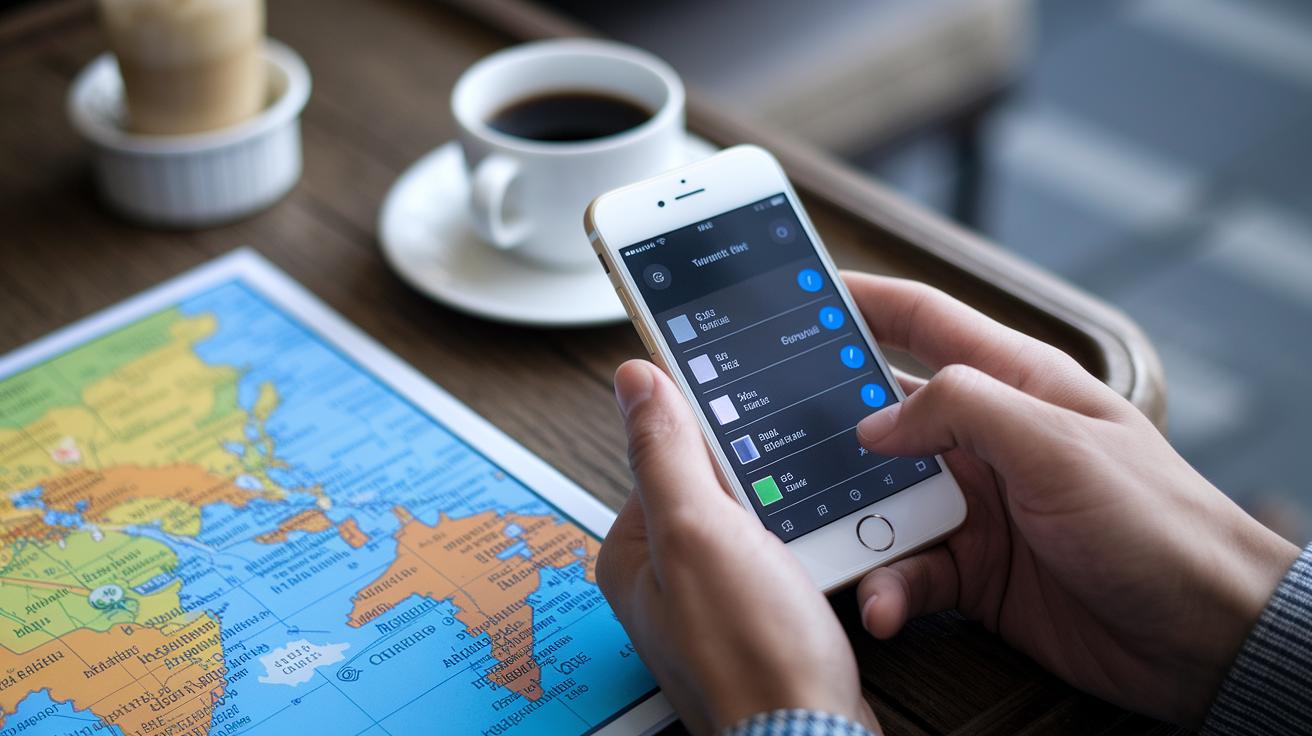
When you're planning your next adventure, it's smart to dig deeper than just the basics. Real-life stories and solid data remind us that costs and performance shift from one region to another. Checking out detailed examples can really help you pick what fits your journey best.
Carrier Day Pass Plans
With these plans, you stick with your home network even when you're abroad, paying a fixed daily fee. Some travelers have noticed their costs almost doubling compared to cheaper local roaming. I remember Sarah mentioning how her fee in a remote spot surprised her. So, it's wise to compare your domestic rates with local options before you decide.
eSIM Solutions
eSIMs let you jump online with a quick digital activation, and you can hold several profiles. Plenty of globetrotters have saved around 20% versus traditional SIM cards. One traveler happily noted, "Switching profiles with a tap kept me connected without any fuss." In areas buzzing with carrier competition, this option truly shines with its cost benefits.
Local SIM Cards
If you’re looking for the best bang for your buck, local SIM cards often win the day. Many travelers have slashed their data bills nearly in half by choosing a local provider. For instance, in Southeast Asia, users enjoyed smooth connectivity after a little registration delay. Just be sure your phone is unlocked to take full advantage of these savings.
WiFi-Only Strategy
Hotels, cafes, and public spaces usually offer free WiFi, but its speed and reliability can be a bit of a mixed bag. Some urban explorers found that free WiFi met about 80% of their daily needs, until the signal dropped at a crucial moment. For any sensitive tasks, fellow travelers suggest sticking to secure networks.
Satellite Communication
Heading off the beaten path? Satellite communication can keep you connected even in the remotest spots. However, you'll face a high cost per megabyte, around three times what you'd pay in a city. This method is best reserved for off-grid adventures or emergency situations.
| Option | Pros | Cons | Best For |
|---|---|---|---|
| Carrier Day Pass Plans | Stick with a familiar network; fixed daily fees make budgeting easy | May cost more if roaming is cheaper; relies on your home network | Short trips |
| eSIM Solutions | Quick digital activation; flexible for multiple countries | Sometimes extra digital fees; fewer provider choices | Multi-country travels |
| Local SIM Cards | Best value per GB; significant cost savings | Requires an unlocked phone; local registration might be needed | Extended stays |
| WiFi-Only Strategy | Often free in hotels and cafes; no monthly fees | Speeds can vary; potential security concerns | Urban areas |
| Satellite Communication | Reliable connection even off-grid | High cost per MB; slower speeds | Remote regions |
Smartphone Hotspot Solutions and Signal Boosting in Expert Travel Connectivity Tips
Your phone’s built-in hotspot is a nifty travel companion when you're on the go. It acts like a tiny mobile router, letting you share your connection as long as you use a solid password and keep the number of connected devices low. Imagine having a slice of your home network with you wherever you roam. For instance, that short wait at the airport can become a handy time to check travel details or snag a last-minute ticket.
Portable Wi-Fi gadgets and battery-powered travel routers give you even more freedom. These little devices offer a stable connection over wide areas, from France to Croatia, whether you rent them or order them in advance. Pair them with on-device speed tests and simple network apps, and you can quickly find the strongest signal around you. This smart setup not only boosts your connectivity but also helps protect your data plan in spots where service might be shaky.
Keeping your connection smooth while traveling comes down to a few easy tweaks on your device. Try turning off background apps and switching to low-data mode to stretch your bandwidth, ensuring your essential travel apps run without a hitch. Plus, using signal boosters can really lift weak cellular signals in both busy and remote areas, giving you peace of mind that you'll stay connected no matter where your adventure takes you.
In-Flight Internet Troubleshooting with Expert Travel Connectivity Tips
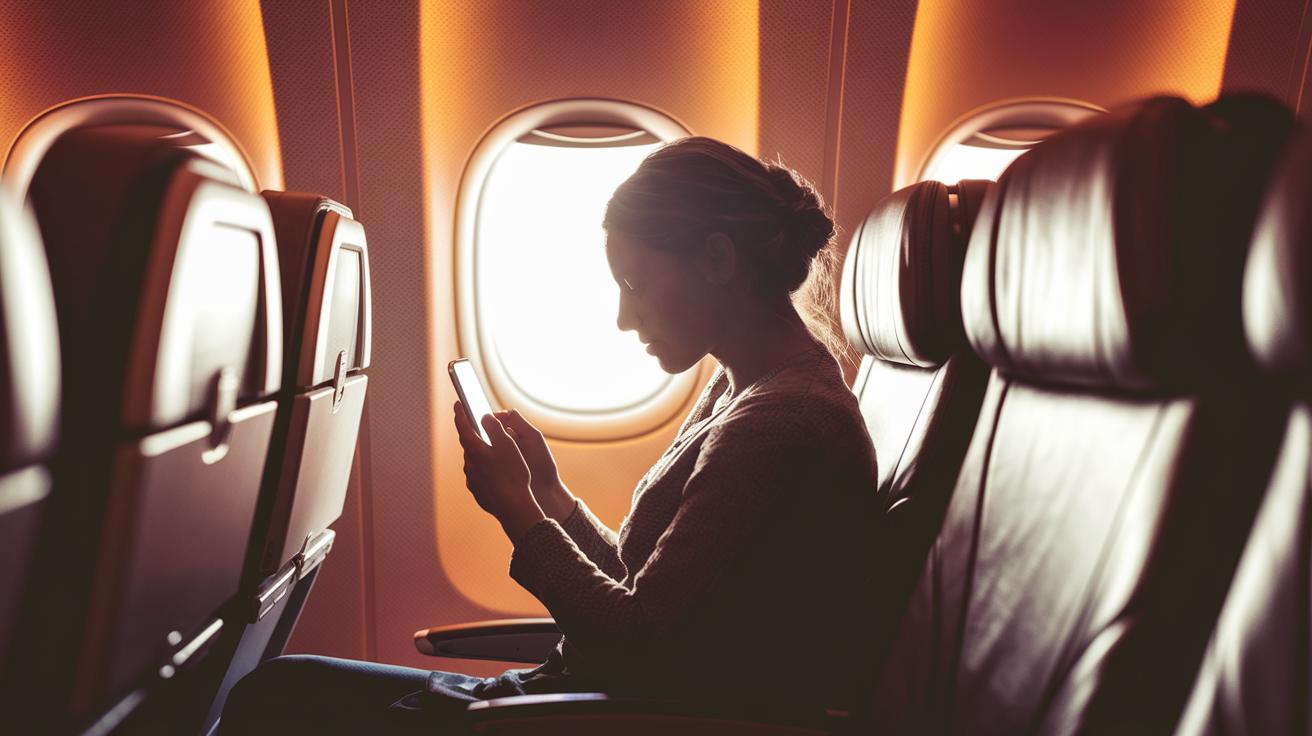
Flying can be exciting, but in-flight Wi-Fi sometimes plays tricks on you. Crowded networks and slow satellite signals can make your connection feel like a bumpy ride. When your internet seems slow or keeps dropping out, try switching your airplane mode off and on, it usually gives the connection a fresh start. And sometimes, shifting between networks like the 2.4 GHz or 5 GHz band can help you land that steady signal.
Before you board, it might be smart to download your favorite movies, important documents, and maps (your travel guide on the go). This way, even if the Wi-Fi goes on a break, you're still ready to relax or work without any stress. If your flight offers Wi-Fi for a fee, check that your gadget works with it and consider purchasing a pass to ensure a steadier connection. During a long layover, why not explore an airport lounge or grab a day-pass SIM? These options can help you stay connected to work or chat with family, making your journey feel a little less isolated. Keeping your devices updated and trying out connection tools before your trip can also make troubleshooting a breeze.
Secure Online Safety for Travelers: Expert Travel Connectivity Tips

Keeping your connection secure on global networks is as important as locking up your travel plans. When you jump onto hotel, cafe, or airport Wi-Fi, your personal stuff, like last-minute bookings or private emails, could be exposed. So, it's a smart idea to set up solid security measures (kind of like double-checking your travel checklist) that fend off unwanted access. This simple step lets you focus on your journey without worrying about online glitches.
Try using a trusted VPN to scramble your data, which is like having a secret, safe tunnel whenever you go online. And adding two-factor authentication on your key accounts gives you an extra layer of protection, almost like a second lock on your door. Remember to install antivirus software and keep it updated, so any potential malware is quickly caught. It also helps to back up your crucial files in an encrypted format, ensuring you don’t lose anything important. Lastly, avoid open Wi-Fi networks whenever possible; think of it as keeping your treasure map away from prying eyes. For mobile banking, switch to secure apps that demand solid verification processes.
In truth, these tips not only boost your digital safety but also wrap your travels in extra comfort. With a reliable and secure connection, managing travel plans, messages, and payments becomes a breeze, letting you fully enjoy every moment of your adventure, knowing your online world is safely out of reach from sneaky threats.
Cost-Saving Connection Hacks in Expert Travel Connectivity Tips
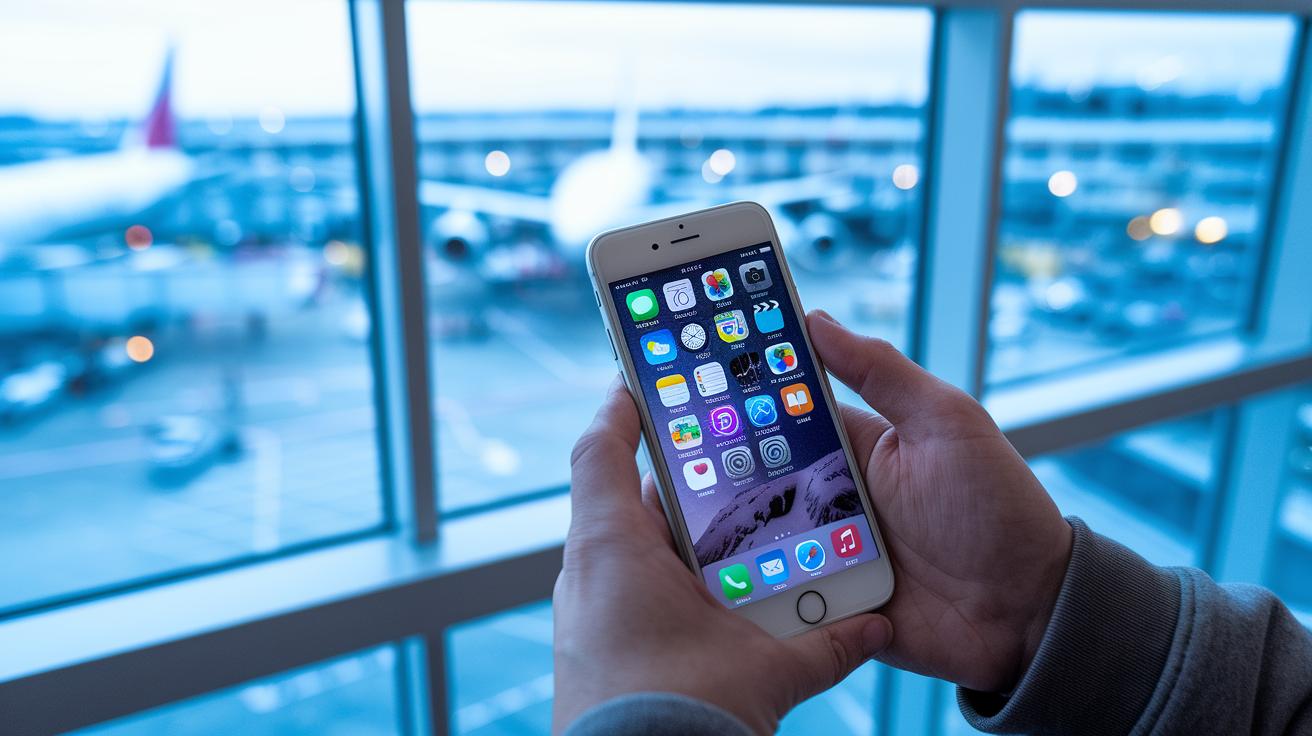
Booking day passes, eSIM bundles, or local SIMs ahead of time can really pay off. Prices can change a lot per gigabyte, so check your options early and grab any early-bird deals. A bit of planning now means you avoid any nasty surprises later and keep your data expenses low.
Sharing group or family plans is another neat trick to cut costs. When you split fees between devices, everyone stays connected without hurting the wallet. For more ideas on saving together, check out Insider travel tips for budget travelers and see what others do to make it work.
Turning off data roaming when you’re not using your phone and leaning on free Wi-Fi for everyday tasks really helps keep charges down. Find safe spots like cafes or hotels to connect, saving your mobile data for what truly matters. With a few smart tweaks, you’ll stay online without blowing your budget.
Expert travel connectivity tips: Enjoy stress-free travels

Ever landed in a new city for a business trip or remote work and wished you could instantly tap into a reliable network? Staying connected is the secret ingredient to keeping your meetings on track and handling unexpected schedule changes with ease. With a steady connection, you can soak in the local vibe without stressing over your next email or video call.
For a smoother journey, try using offline-compatible collaboration tools like Google Docs and Slack. These apps help you keep the work flowing even when the Wi-Fi isn’t at its best. And if you can plan your big downloads or uploads during quieter moments at your hotel, you'll avoid those pesky data overage surprises. In many bustling cities, coworking spaces provide fast and dependable networks that outshine typical public connections, making work feel a little less like work and more like part of your adventure.
Before you set off on your travels, take a moment to test backup connectivity options like portable hotspots and verify that your essential apps have offline modes. Keeping extra chargers and a backup data plan handy means you’re ready for any hiccup that comes your way. With these smart tips, you can fully enjoy both your work and the thrill of exploring new destinations.
Emergency and Off-Grid Communication Solutions in Expert Travel Connectivity Tips
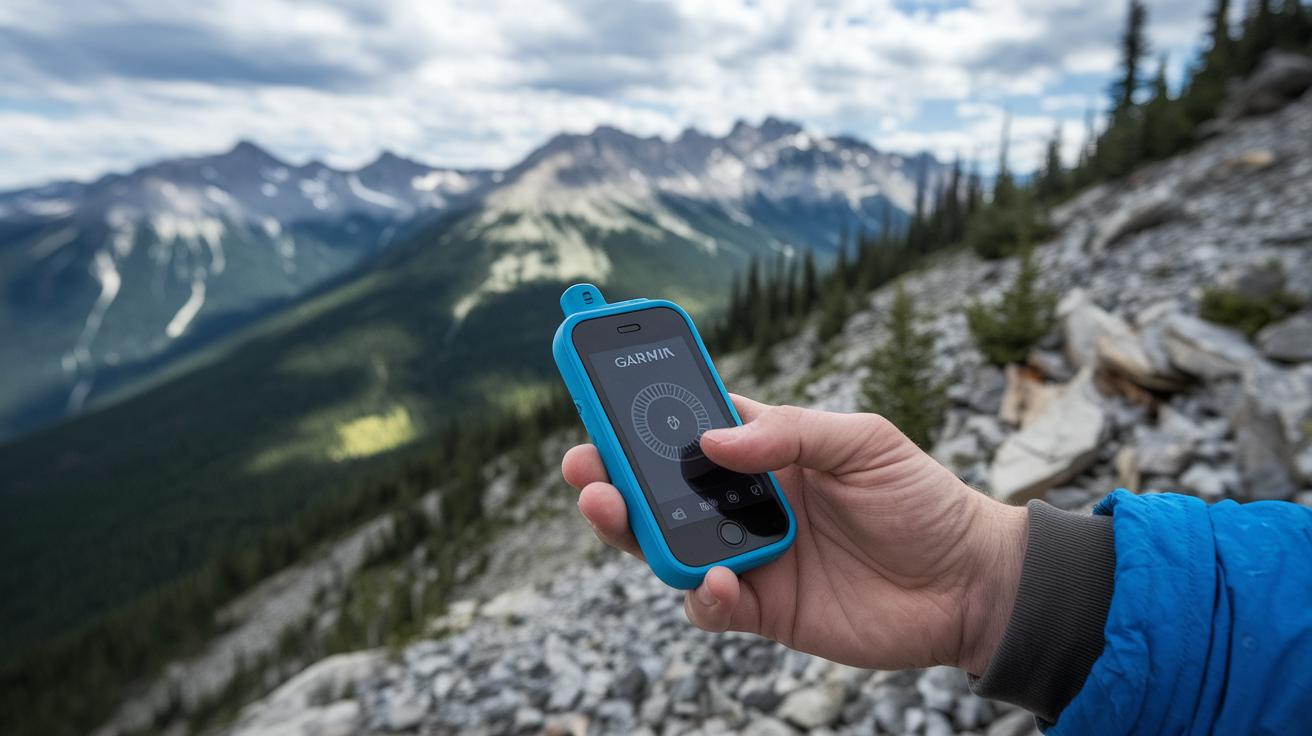
When you’re exploring far-off places, you might end up where normal cell service just isn’t around. Imagine being surrounded by nature and losing the familiar glow of city towers, it’s a good idea to plan for staying connected even when digital signals are few and far between.
Ever heard of satellite messengers like the Garmin inReach? They let you send texts and even SOS alerts from the wild (though each message can put a dent in your budget). And then there are portable satellite hotspots, such as Iridium GO! and Bivy Stick, which offer basic data access when regular cell towers are nowhere in sight. They come in handy for a quick check-in or a last-minute emergency note.
It’s also smart to have an emergency SIM loaded with credit as your backup, especially if you’re near border areas. You can even pair these with two-way radios or HF/VHF devices to keep a remote group connected. Sure, these off-grid options might seem a bit pricey at first, but in a pinch, their value far outweighs the cost.
Final Words
In the action of planning your trip, each connectivity method offers a fresh way to stay linked while roaming. This article walked through pre-trip planning tactics, various connection strategies, and off-grid backups to help you keep in touch wherever you are.
Pair these insights with expert travel connectivity tips to match your trip’s length and devices. With reliable access in hand, stepping into the unknown feels smart, simple, and full of promise.
FAQ
Frequently Asked Questions
What is the best travel tip ever?
The best travel tip ever is to plan ahead for seamless communication and local experiences. This preparation helps you manage data needs, check device compatibility, and avoid unwelcome surprises during your trip.
What are the 5 elements of travel?
The five elements of travel typically include planning, budgeting, connectivity, safety, and cultural exploration. These components work together to help you save money, stay secure, and immerse in local life.
Is $20,000 enough to travel the world?
Whether $20,000 is sufficient depends on careful budgeting and cost-effective planning. This amount can support trips in some regions, but expenses vary by destination, trip length, and personal travel preferences.
What are the three most important travel tips you consider before traveling?
The three key tips are to plan ahead, verify your device’s compatibility abroad, and manage your budget wisely. These strategies keep you connected, reduce stress, and offer more flexibility while on the move.