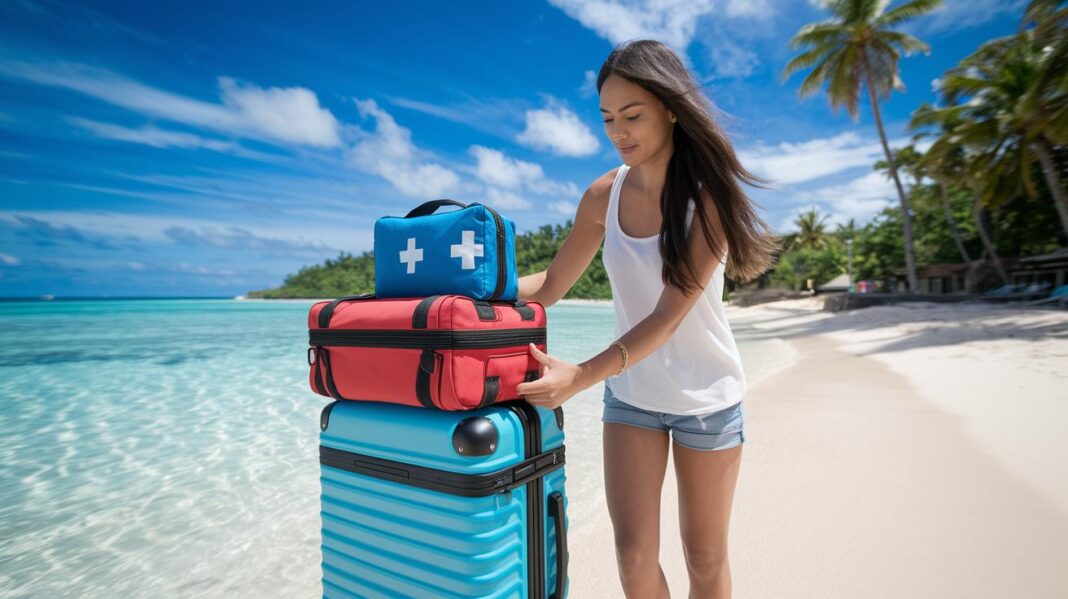

Ever noticed how some travelers seem to be full of energy while others end up feeling under the weather? It almost feels like they have their own secret recipe for staying healthy on the go. I once chatted with a friend who swore by simple tips, like getting the right vaccines updated and keeping up a few daily habits, so every journey was filled with adventure and not a worry about sickness.
Imagine us sitting over coffee, laughing about travel mishaps and swapping insider tips. Next, think of each step as part of your travel checklist: a little routine to dodge common pitfalls, and a way to enjoy the golden glow of new destinations without feeling bogged down by a sniffle or a scraped knee.
So, pack these easy health habits alongside your travel gear. With a few smart moves in your itinerary, you’ll be ready to soak up every moment of your trip, carefree and full of excitement!
Complete Expert Travel Health Tips to Prevent Illness and Injury Abroad
Traveling to developing countries can be an amazing adventure, but it helps to be prepared. Before you go, update your immunizations so you're covered for things like measles, mumps, rubella (MMR), tetanus, diphtheria, pertussis (Tdap), pneumonia, polio, and the flu. I always double-check my vaccine list before a trip, it's a small step that keeps you in the clear while you explore.
Next, remember to drink plenty of water throughout your journey. Bring a refillable bottle and keep an eye out for signs of dehydration, like a dry mouth or muscle cramps. On long flights especially, staying hydrated can make a big difference in how you feel.
Good hygiene goes a long way in keeping you well. Wash your hands with soap or use an alcohol-based sanitizer as often as you can. I like to quickly wipe down my tray table before meals, simple habits like these help avoid those pesky travel bugs. And if you ever feel stressed, a few deep breaths or your favorite chill tunes can be a real lifesaver.
It’s also smart to have an emergency plan. Look up local emergency numbers (like your own version of 911) and pack a handy travel health kit. This should include any prescription meds you need, pain relievers, anti-diarrheal medicine, adhesive bandages, and antiseptic wipes. That way, you’re ready for any little bumps in the road.
By checking off your immunizations, sipping water consistently, sticking to good hygiene, managing stress, and being ready for emergencies, you set the stage for a worry-free adventure. Enjoy your travels knowing you’re covered in more ways than one!
Vaccination and Immunization Scheduling for Expert Travel Health Tips
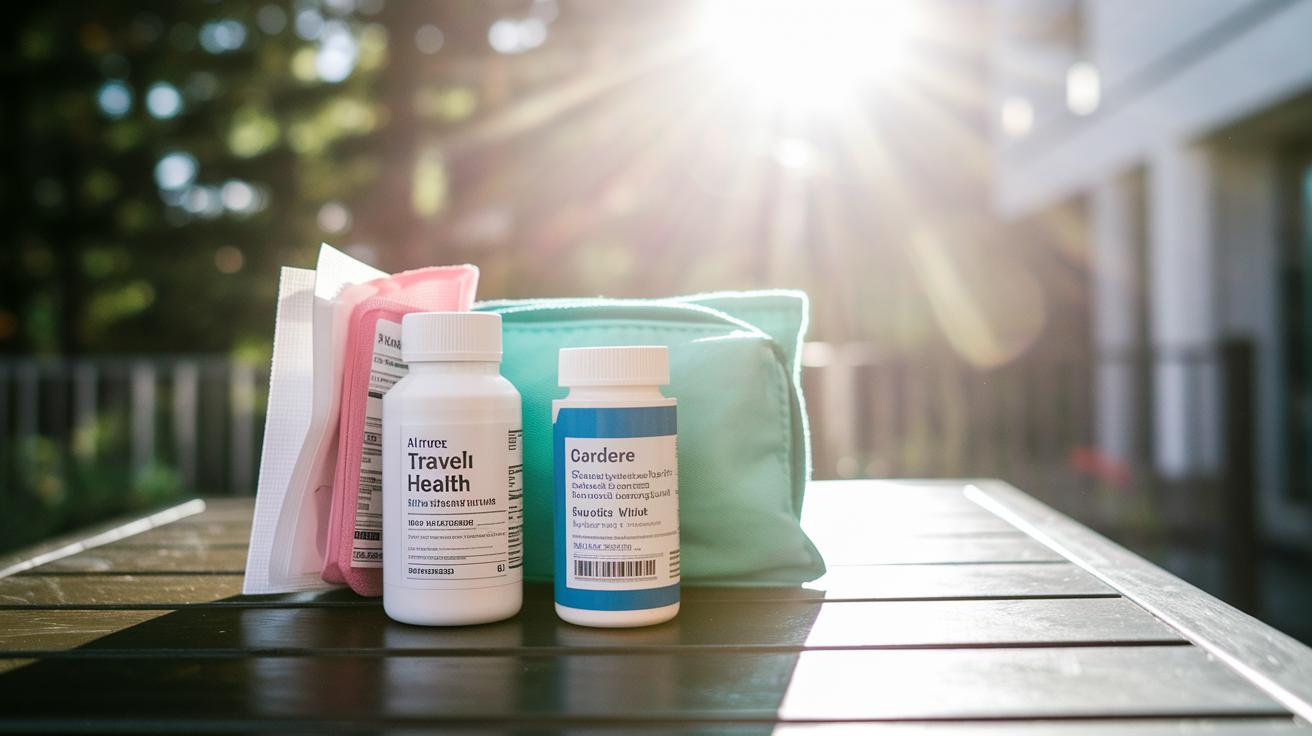
When you're gearing up for a trip, try to book a travel health consultation about 4 to 6 weeks ahead. It’s like planning the perfect journey, getting your must-have vaccines in order, including shots for measles, mumps, rubella, tetanus, pertussis, pneumonia, polio, and the seasonal flu. Every destination has its own vaccination rules, so a little extra planning now is like packing all your travel essentials before heading out.
Next, keep a simple record of your vaccinations. This log is handy when health authorities or doctors need proof that you’re ready for your adventure. Check out the CDC guidelines for advice tailored to different regions; these tips can be a lifesaver, making sure you’re up-to-date with the latest health trends around the globe. Trust me, taking this small step now can help you avoid any pesky health issues later, just one smart move for a stress-free journey.
Packing Your Medical Kit with Expert Travel Health Tips
When you’re setting off on a new adventure, it’s a smart move to have your own travel health kit by your side. Pack your essentials, prescription meds, pain relievers, anti-diarrheals, insect repellent, adhesive bandages, and antiseptic wipes, as if you’re putting together a little toolbox for those moments when your go-to treatments aren’t around.
Before you zip up your bag, check the labels on both over-the-counter and prescribed drugs. And don’t forget to bring some documentation that explains your medicine needs (a simple note like, "I need this medicine for my condition" works great). This tiny step can really smooth out any language bumps when you’re chatting with local pharmacists.
To keep everything in order, use packing cubes or small pouches to sort your items. Also, bring along a copy of your medication list with dosages and instructions. A tidy kit is like a trusty travel buddy, it’s always there when you need it. For more stress-free packing ideas, head over to https://vasthysfriends.com?p=.
Hydration and Food Hygiene: Expert Travel Health Tips
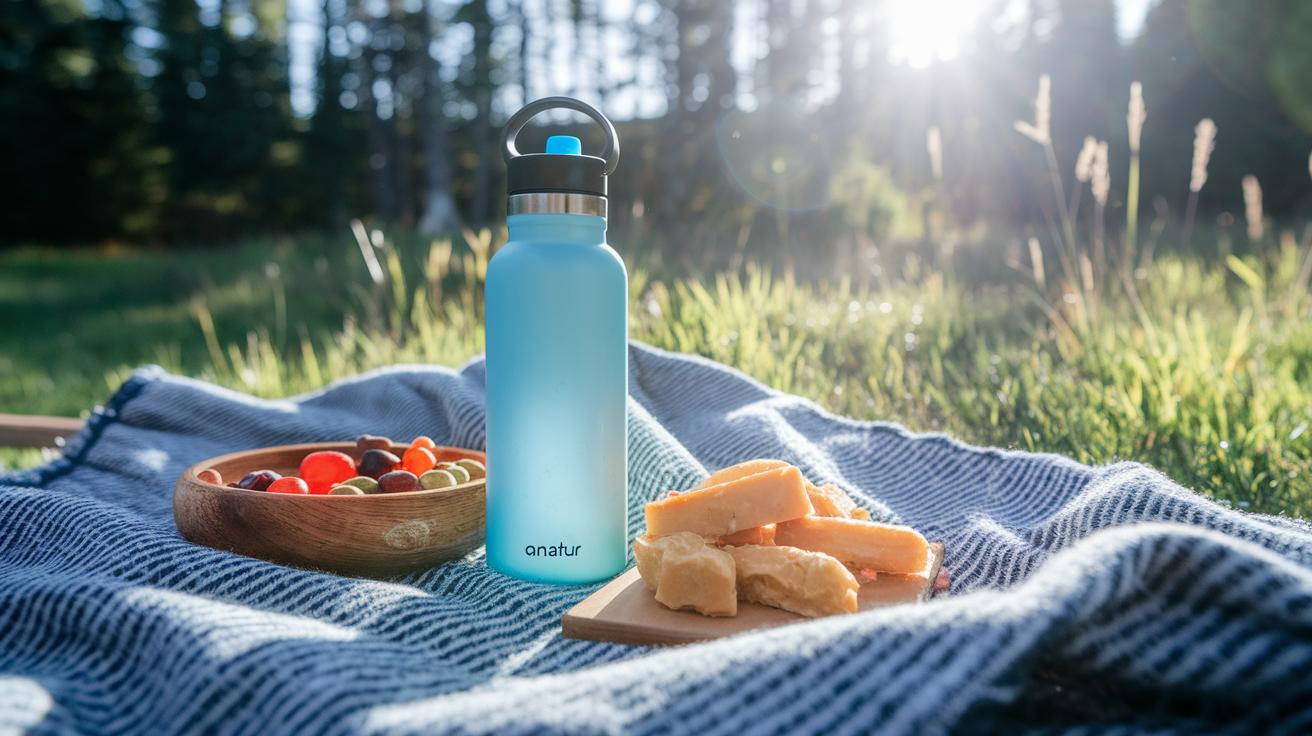
Keep your refillable water bottle close as you set off on your next adventure. If you ever notice a dry mouth, a bit of fatigue, or even cramps and dark urine, it might be your body’s way of saying it needs more water. So, sip regularly, especially on those long, sun-soaked days, to stay vibrant and ready to explore.
Pack along some nourishing snacks, too. A little yogurt with granola or a handful of dried fruits can boost your energy and keep your digestion steady. When it’s mealtime, opt for cooked foods over raw street options. And don’t forget to wash your hands before you eat, it’s a tiny habit that goes a long way in keeping you safe.
These simple steps can make all the difference. By choosing wisely, you’ll feel healthier, enjoy your meals more, and have one less thing to worry about as you discover new places. Enjoy every bite and every beautiful moment along the way.
Infection Prevention and Hygiene: Expert Travel Health Tips
When you're exploring new places, a good hand wash goes a long way. I mean, rub some soap on your hands or grab a bit of alcohol-based sanitizer before digging into your meal or after moving through busy spots. Picture this: you just finished holding onto a crowded airport tray table, and a quick scrub keeps those annoying bugs like norovirus, the flu, and colds at bay.
Next, think about all the surfaces everyone touches – door handles, tray tables, elevator buttons. They can be tiny homes for germs after countless travelers have passed by. A fast wipe with disinfecting wipes gives these surfaces a fresh start so you can keep moving on without any extra baggage (germs, that is).
Also, try to avoid rubbing your face with your hands. If you need to grab a door handle and then touch your face, why not use a little barrier – like a tissue or even your sleeve? It’s a neat trick to reduce direct contact and keep those germs away.
- Wash your hands often
- Wipe down surfaces that lots of people touch
- Use a tissue or sleeve to avoid touching your face directly
These simple tips can really help you stay in good shape while you’re out discovering the world.
Local Healthcare Accessibility and Emergency Planning: Expert Travel Health Tips
Before you hit the road, take a moment to explore the local healthcare options where you're headed. Look up nearby hospitals, clinics, or urgent care (places for quick help) to know where you can turn if you ever need care. This step is like setting up a safety net, it's a simple way to ease your mind during your adventures.
Make sure your insurance has you covered overseas. Give your provider a quick call to confirm you’re covered internationally, so no surprises pop up if you need help. I once met a traveler who swears by checking these details well ahead of time. It’s just like making sure your passport is current before you set off.
Then, find out the destination’s emergency number (the local version of 911). Jot it down and share it with your travel buddies or family members. Having a solid emergency plan is essential, include a list of important contacts, the closest medical spots, clear evacuation routes, and any language guides that can help you communicate when it counts.
• Explore nearby hospitals and clinics
• Double-check your insurance’s international coverage
• Note down emergency contacts and share them with others
By planning these details before you depart, you’ll feel more secure and truly free to soak in every moment of your journey.
Managing Stress, Jet Lag, and Climate Adaptation: Expert Travel Health Tips
Travel can feel like stepping into the unknown, but a few simple habits can help you feel at ease wherever you go. Try taking a few deep breaths or doing some gentle stretches to ease the tension that builds up during your journey. And sometimes, a quick stroll or just a couple of minutes lost in your favorite relaxing tunes can make all the difference, imagine pausing at a busy airport to soak in a calming melody.
When jet lag starts to creep in, it helps to adjust your sleep schedule a few days ahead of your trip. Once you arrive, step outdoors and let the sunlight reset your body clock. And if you need a little extra help, cutting back on caffeine during the first day can keep you from feeling too wired while your body gets in sync with the new time.
As for dealing with different climates, packing layers is key. This simple trick lets you handle sudden shifts in the weather without a fuss. In hot or dry destinations, remember to drink plenty of water to stay energized. And slow down your pace a bit to let your body naturally adapt to the local environment.
Each of these tips is like a small travel hack that builds a solid plan for feeling relaxed and ready to explore, no matter where your adventures take you.
Altitude and Environmental Risk Management: Expert Travel Health Tips
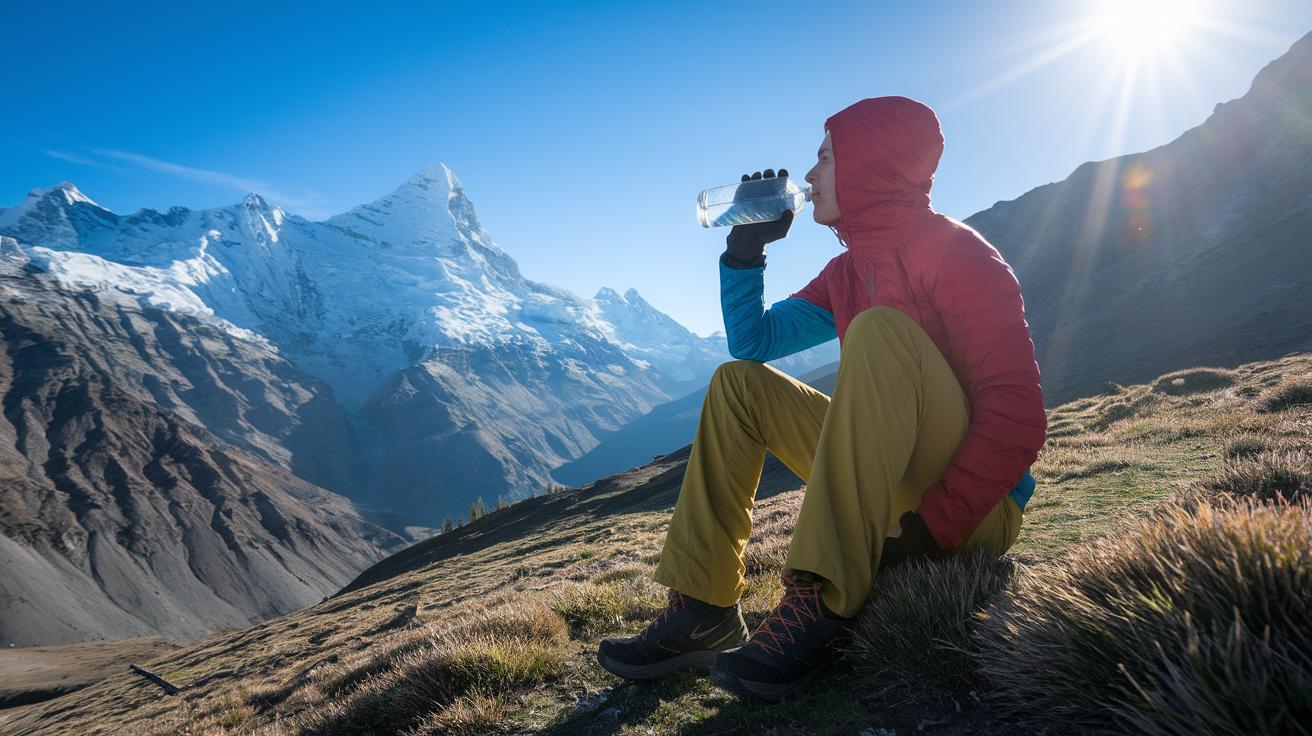
When you're trekking into high-altitude areas, it's best to take it slow so your body can catch up. Imagine giving your body little breaks as you climb, much like pausing to enjoy a quick snack on a long drive. Drink plenty of water along the way, and if you're worried about altitude sickness, have a chat with your healthcare provider about something like acetazolamide (a pill that helps ease altitude symptoms).
When the weather turns chilly, layering up is your best friend. Picture wrapping yourself in soft, warm clothes as you enjoy the crisp air. If you notice shivering or numbness creeping in, it's a clear sign to add an extra layer or find a warm place to rest. A little extra warmth can make all the difference on a cold day.
In tropical climates, simple precautions go a long way. Use an EPA-approved insect repellent and sleep under a bed net to keep pesky bites away. And if you're visiting areas where malaria is a concern, check with your doctor about antimalarial medication. Think of these steps as building your own personal shield against local risks.
- Ascend gradually and keep yourself hydrated.
- Layer up in cold weather and watch out for early warning signs.
- Use trusted repellents and consider preventive meds in tropical spots.
Final Words
In the action, we explored how immunizations, a smart health kit, proper hydration, and frequent hygiene can keep travelers safe abroad. We also touched on planning for local healthcare and managing stress and environmental changes. Each tip offers practical ways to stay healthy, even in less familiar settings. Refresh your travel plans with these expert travel health tips to boost confidence and add an extra layer of safety to your next trip. Enjoy every moment and travel with care!
FAQ
What are CDC travel vaccines by country?
The CDC travel vaccines by country detail which inoculations are advised for each region. They provide guidelines to help you schedule the right shots before embarking on your trip.
What are some expert travel health tips for COVID?
The expert travel health tips for COVID recommend staying current on local guidelines, wearing masks where needed, practicing good hand hygiene, and consulting a medical professional for personalized advice.
What do CDC travel guidelines cover?
The CDC travel guidelines cover destination-specific safety recommendations, immunization requirements, and tips on how to reduce health risks when you are planning to visit different regions of the world.
What is the CDC Yellow Book?
The CDC Yellow Book is a resource that provides detailed information on health risks, recommended vaccines, and preventive practices for international travelers looking to protect themselves abroad.
What does the CDC travel warning for measles imply?
The CDC travel warning for measles implies that travelers heading to regions with outbreaks should take extra precautions, including vaccination and vigilant hygiene, to lower the risk of infection.
What does health and travel advice emphasize?
The health and travel advice emphasizes simple yet effective steps like staying current with vaccines, maintaining hygiene, proper hydration, and having a ready plan for emergencies when abroad.
What is the Mpox travel health notice?
The Mpox travel health notice informs travelers about ongoing Mpox outbreaks, recommending that they observe careful hygiene and consult health professionals regarding any needed vaccinations or precautions.
What does the Oropouche travel health notice indicate?
The Oropouche travel health notice indicates that certain regions may present risks from the Oropouche virus, advising travelers to adopt protective practices and be cautious in affected areas.
How can I boost my immune system while traveling?
Boosting your immune system while traveling involves staying hydrated, sleeping enough, eating balanced meals, and reducing stress, which together help support your body against potential illnesses.
What is considered the best travel tip ever?
The best travel tip ever focuses on proactive health preparation, such as getting all necessary vaccines, practicing good hygiene, and keeping a ready health kit, giving you peace of mind during your travels.
How can I avoid getting sick when traveling a lot?
Avoiding sickness while traveling a lot means keeping up with your vaccinations, practicing sound hygiene, watching what you eat and drink, and carrying a compact health kit for minor emergencies.
How can I stay healthy on a 10-hour flight?
Staying healthy on a 10-hour flight involves moving around periodically, drinking plenty of water, using hand sanitizer frequently, and perhaps doing simple stretches to maintain blood flow during the flight.