

Ever wondered how some travel plans just click while others turn into a mad rush? Don't worry, planning isn't a drag, it can be the secret ingredient for a smooth adventure. Think of it as mixing the perfect recipe for your favorite dish.
This guide shares eight insider tips to help you dodge last-minute surprises and keep every detail in check. Ready to shake up your travel plans and enjoy a truly stress-free trip?
Expert Travel Planning Tips for Seamless Trip Execution
Ready to plan a trip without any hitches? Think of travel planning like putting together a treasure map for an unforgettable adventure. First, check that your passport is still valid. It’s just like making sure your ingredients are fresh before cooking up your favorite dish.
Next, pick your dream destination and dive into some research. Explore reliable sources and even use handy tools like travel itineraries (a step-by-step plan for your journey) to sketch out your adventure. This helps you see exactly what lies ahead.
Then, set a budget that feels comfortable and mark your travel dates on the calendar. This step makes sure you’ve got enough funds for every planned stop, keeping any unexpected surprises away. And don’t wait to book the essentials, grab travel insurance, sort out visas, get any needed vaccinations, and lock in your transportation and lodging. Each of these choices makes your plan clearer and saves you from last-minute scrambling.
After that, think about what you want to do each day on your trip. Draft a packing list and learn a few phrases of the local language to help you connect with local culture. Even a small note to remember how a place smells or sounds can make your journey so much richer.
Finally, before you set off, take a minute to secure your home. Arrange care for your pets or plants and leave copies of your travel documents with someone you trust. These little details mean you can travel with peace of mind.
- Check your passport and important documents
- Choose your destination and do thorough research
- Set a budget and pick travel dates
- Organize your insurance, visas, vaccinations, and bookings
- Plan transportation, accommodation, and key logistics
- Prepare daily activities and create a packing list
- Arrange home care and share important copies with a trusted contact
Advanced Schedule Design for Your Travel Plan
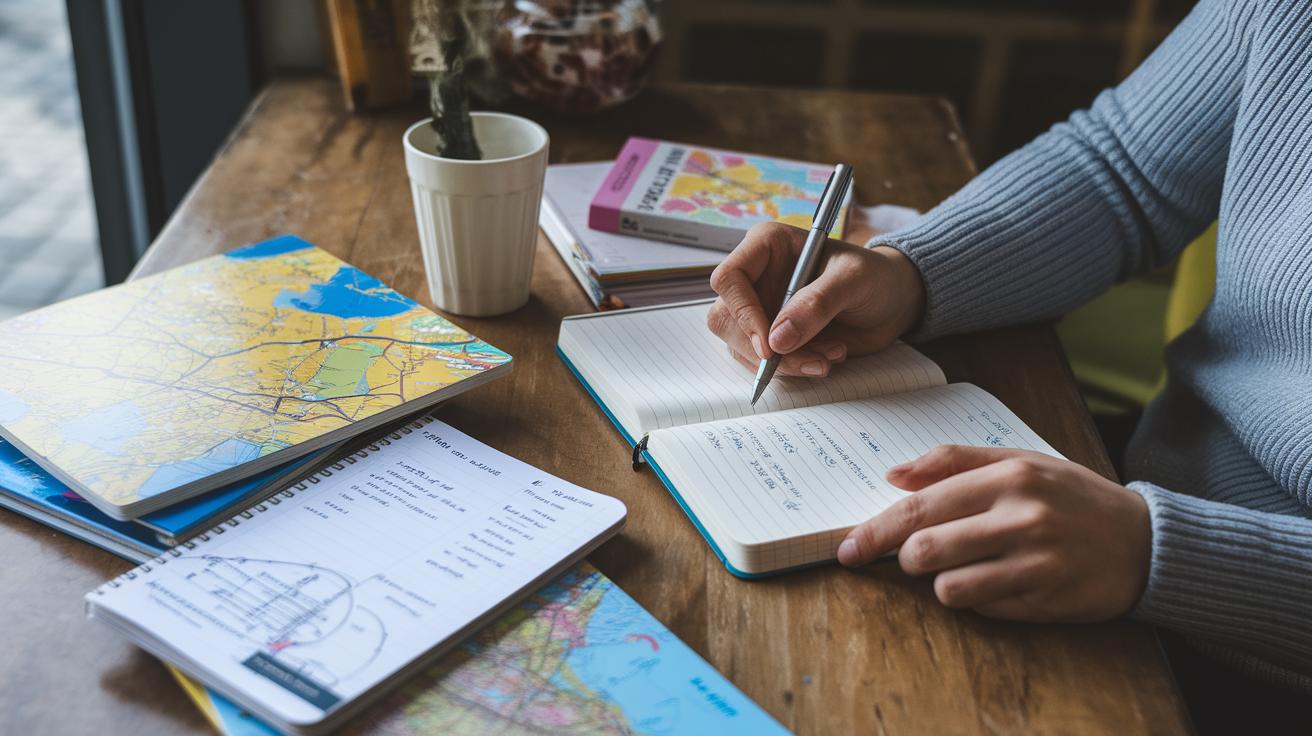
A clever plan lets you roll with the punches. Start by jotting down your itinerary in a digital planner (or even a trusty notebook). Mapping out everything, from confirmed bookings to day-to-day adventures, keeps your journey smooth and even gives you space to add backup ideas. It’s all about blending a solid structure with a little free spirit.
For trips with multiple stops, think of your route like a treasure hunt. Group nearby stops together so you spend less time on the road and more time soaking in local vibes. Imagine checking off clusters of spots on your list, each picked because they’re close and connected.
Here are a few handy hints to keep your schedule on track:
| Tip | What to Do |
|---|---|
| Major Stops | List each main destination in sequence |
| Transition Time | Build in time for any delays |
| Backup Copies | Keep both digital and handwritten notes |
Balancing a clear, ahead-of-time schedule with plenty of wiggle room means you’re set to enjoy every moment while staying relaxed and in control on your adventure.
Travel Planning: Destination Research Methods and Insider Advice
Before you dive into planning your next adventure, try gathering insights that go beyond your usual digital apps. A classic guidebook can reveal hidden gems, like a cozy local diner tucked away from the busy streets. I remember discovering a small art gallery thanks solely to a page in an old guidebook.
Mix official data with tips from real locals. Sure, government advisories can give you important safety and visa updates, but everyday travelers often share secrets about little-known eateries or smart transit shortcuts on online forums. Ever thought how refreshing it is to uncover a hidden spot not marked on big maps?
When you combine different sources, such as recent traveler reviews and embassy website details, you get a complete, vibrant picture of your destination. This balanced approach makes your travel research feel like piecing together a fun puzzle.
| Resource Type | Description |
|---|---|
| Government Advisories | Official sites for safety and visa information |
| Guidebooks | Printed or e-books full of local insights |
| Travel Forums | Places like Reddit and TripAdvisor with off-track tips |
| Local Groups | Facebook or WhatsApp groups for up-to-date advice |
| Specialty Blogs | Blogs highlighting hidden attractions and eateries |
Armed with these varied insights, you can craft a travel plan that is both practical and rich with unexpected discoveries. Enjoy every step of the journey!
Travel Planning Booking Strategy Techniques and Budget Recommendations

When you're gearing up for your next getaway, timing really makes a difference. I’ve learned that booking flights about 6 to 12 weeks ahead usually lands you the best fares. For hotels, planning ahead, around 3 to 6 months out, often means better rates, depending on how long you're staying. And don’t forget about car rentals; reserving one 1 to 2 months before your trip can really help cut down on costs.
I once saved a pretty good chunk of money just by checking fare alerts a couple of times each week. It felt like catching a secret wave just when you needed it! Also, pre-booking an airport transfer can ease that stress right when you land, especially during the busy season when lines can stretch out forever.
Sometimes, mixing early bookings with a little bit of last-minute spontaneity works wonders. Keep in mind that last-minute deals might leave you with fewer options, so it’s all about finding the right balance. For more handy travel-saving tips, you might want to explore advice on snagging the best flight and hotel deals online.
| Booking Type | Optimal Booking Window | Key Tip |
|---|---|---|
| Flights | 6–12 weeks ahead | Check fare alerts a couple of times a week |
| Hotels | 3–6 months ahead | Consider adjusting dates for off-peak savings |
| Car Rentals | 1–2 months ahead | Book with free cancellation if possible |
These smart booking tips pair well with budget-friendly planning to boost your travel confidence and help you create that perfect vacation story.
Travel Planning Packing Organization and Luggage Checklists
Imagine planning your packing as if you’re putting together a custom travel kit just for you. Start by checking the local weather, getting a feel for the culture, and thinking about the fun activities you’ll be doing. Choose your luggage carefully. For a flight, a lightweight suitcase makes life easier, while a sturdy backpack is perfect for road trips. And if you’re in a hurry, a compact carry-on keeps things moving fast.
Think of packing like piecing together a great outfit. Bring along versatile layers (ones that work well for cool evenings and sunny afternoons) so you can adjust as you go. And don’t forget to pack a document organizer for your passport, tickets, and travel insurance, kind of like keeping your must-haves safe in your favorite pocket.
| Item | Description |
|---|---|
| Mix-and-match clothing layers | Versatile outfits to suit different weather and occasions |
| Document organizer | Keep passports, tickets, and insurance papers safe and handy |
| Compact first-aid kit | Includes bandages and basic medications for quick fixes |
| Portable power bank & universal adapter | Stay charged on the go, no matter where you are |
| Packing cubes or compression bags | Keep your suitcase neat and maximize space |
| Lightweight rain jacket or travel umbrella | Stay dry during unexpected showers |
Next, if you’re seeking more ideas, take a peek at some expert packing tips for a stress-free trip. These hints are designed to help you pack smart so you can focus on enjoying all the exciting parts of your adventure.
Travel Planning Contingency Planning and Flexible Adjustments

Travel adventures can surprise you when you least expect them. It's always a smart move to collect local emergency numbers and check out nearby services before you set off. I once heard about a traveler who used a local café as a temporary hub when transit shutdowns left them stranded, turning a sticky situation into an impromptu meetup!
Make your travel plans flexible. Build in extra time to handle delays and allow room for unexpected detours. Sometimes, a backup plan like joining a guided tour or taking a cultural walk (a relaxed stroll to soak in local vibes) can lead to unforgettable experiences.
Here are some handy tips for when plans suddenly change:
- Set aside a small emergency fund for surprise expenses.
- Identify local transport options and quick, trusted eateries.
- Familiarize yourself with nearby emergency services and medical facilities.
- Prepare for common bumps like missed transports or unexpected weather surprises.
| Flexible Strategies | Practical Application |
|---|---|
| Buffer Time | Extra time built into your itinerary for delays |
| Local Contacts | Emergency numbers and reliable local services |
Final Words
in the action, you experienced a complete wrap-up of the full planning process, from checking documents and setting a budget to booking flights and organizing your packing list. The blog post shared a clear structure with insider advice, simple resource lists, and smart booking strategies to ease your planning stress.
Breaking each step into bite-size tips helped explain even complex details through expert travel planning tips. This practical guide leaves you ready to set off with confidence and a smile.
FAQ
Frequently Asked Questions
What expert travel planning tips are shared on Reddit?
Expert travel planning tips on Reddit provide personal experiences, creative hacks, and valuable advice from real travelers. They cover budget ideas, itinerary hints, and practical booking techniques for a flexible trip plan.
What are the top, unique travel tips from lists like Top 10 and Top 5?
Top and unique travel tips offer curated ideas for efficient planning, practical advice, and creative strategies. They include brief checklists, clever booking techniques, and insider recommendations for every stage of your trip.
What travel tips are most helpful for beginners?
Travel tips for beginners emphasize starting with a clear plan, researching destinations thoroughly, setting a realistic budget, and preparing essential documents, making the process smoother and less overwhelming.
What can I expect from a travel tips website?
A travel tips website aggregates expert advice into easy-to-read guides and checklists. It offers structured planning advice, budget ideas, packing recommendations, and insider insights for a stress-free travel experience.
What do travel tips for flying include?
Travel tips for flying focus on booking windows, smart packing, seating choices, and managing layovers. They help reduce stress and maximize comfort, ensuring a smooth flight experience from departure to arrival.
What should first-timers know about traveling to Europe?
Tips for traveling to Europe for the first time suggest learning basic local phrases, preparing flexible multi-stop plans, and checking safety tips. They inspire smart budgeting and a readiness to appreciate diverse cultures.
What is the best way to make travel plans?
The best way to make travel plans is to set a budget, choose your destination, research local details, and organize your bookings in advance. This method blends structured checklists with adaptable scheduling for ease of travel.
Is $20,000 enough to travel the world?
A budget of $20,000 can be enough to travel the world with smart planning, cost-effective lodging, and practical spending habits. It requires careful budgeting, early bookings, and a mix of affordable options.
Can ChatGPT plan a trip for me?
ChatGPT can help plan a trip by offering itinerary ideas, travel checklists, and booking advice. It provides general guidance, though verifying details with official sources is always a wise step.
What is the best travel tip ever?
The best travel tip ever is to plan key details ahead while keeping your schedule flexible. This balanced approach lets you organize necessary logistics and still leave room for delightful, unexpected experiences.