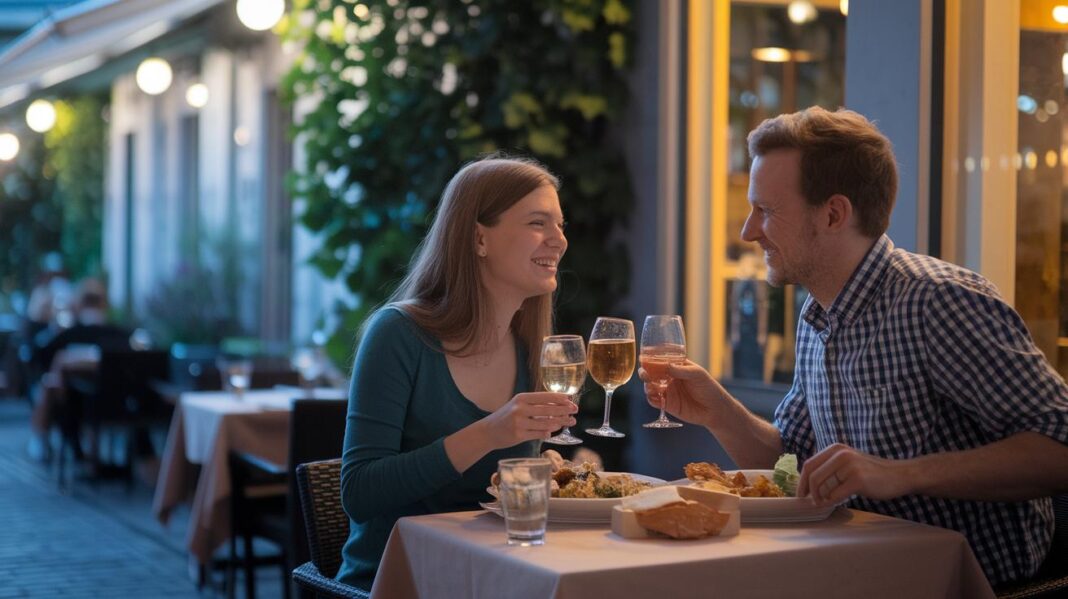

Have you ever wondered if your everyday meals could use a dash of adventure? When you travel, sharing food with locals can make every bite feel fresh and exciting.
Imagine sitting in a warm, family-run restaurant and trying a dish made from recipes passed down through the years (just like a secret treasure revealed to you). This guide is packed with simple tips to help you turn every meal into a fun travel story.
Ready to mix up your dining routine and savor every bite on your next journey?
Essential Expert Travel Tips for Dining Abroad
When you’re exploring new places, why stick to the same old tastes? Stepping out of your comfort zone opens up a world of vibrant flavors. Imagine savoring a hearty shepherd's pie in the UK, biting into a perfectly flaky croissant in France, or twirling forkfuls of creamy risotto in Italy. Each dish is a little window into the traditions and heart of its region.
Next, get cozy with local meal times. In many European or Latin American spots, main meals might start later than you expect, while back in the US dinner often begins around 7 p.m. Dining with locals leads you to hidden gems, small, family-run establishments with recipes passed down through generations. These off-the-menu delights can turn a simple meal into an unforgettable cultural experience.
Then, mix up your dining plans to strike a balance between great taste and smart spending. Picture planning a little restaurant adventure one day and enjoying a home-cooked meal the next. Chat with local hosts or check out tiny eateries, these moments not only save your budget but also deepen your connection with the local way of life. Every bite you take is like a mini adventure, sparking a memory that stays with you long after you leave. Enjoy every delicious moment!
International Dining Etiquette Every Traveler Should Know
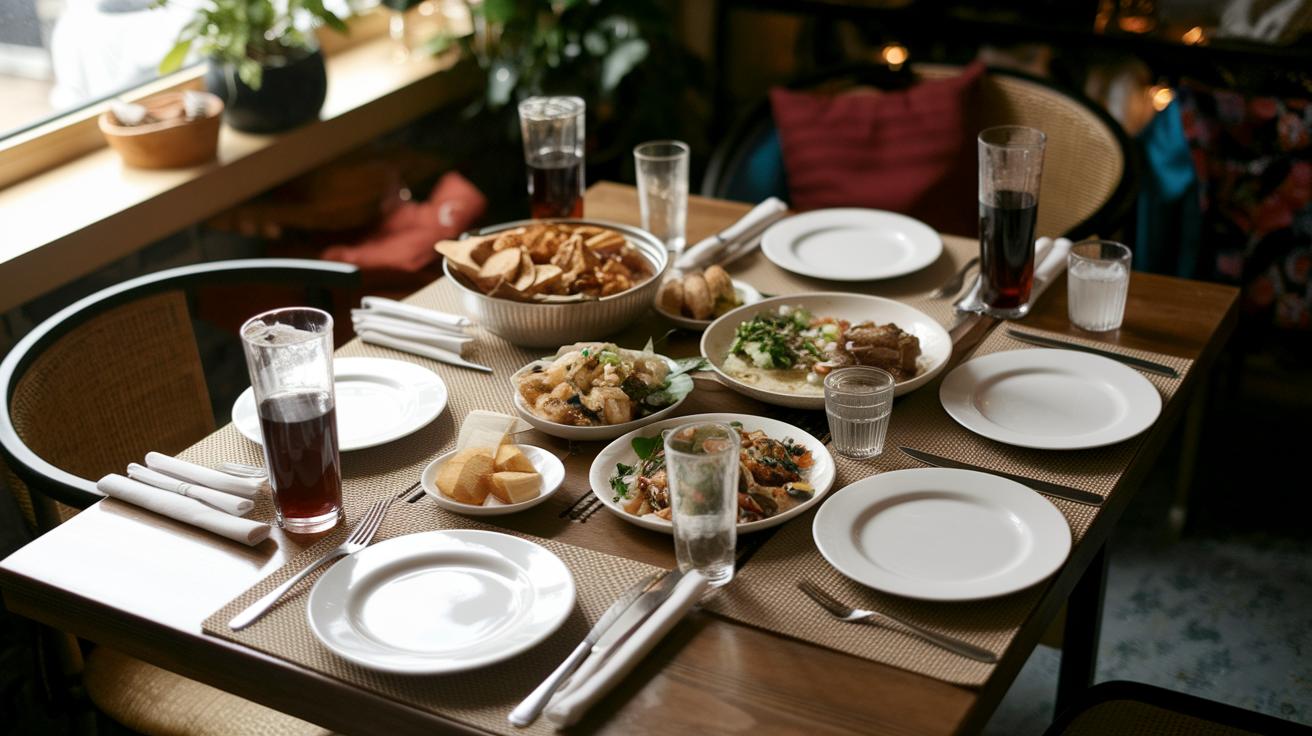
Dining etiquette isn’t just about table manners, it’s your way of showing respect for the rich cultures you encounter on your journeys. It’s like a secret handshake that opens doors to warm, genuine connections over meals.
In many Middle Eastern and African countries, you’ll want to keep your left hand away from your food because it could be seen as impolite. In Japan, be extra careful with your chopsticks; placing them straight up in your rice might unintentionally mimic a solemn ritual, so it’s best to avoid that.
When you’re in France, resist the urge to eat fresh bread before your main course, it’s meant to be savored later on. And in Italy, sharing grissini (thin, crunchy breadsticks) dipped in olive oil is the norm; try not to pick up bread with your fingers to keep the meal feeling proper.
Many spots in Spain and Italy turn dinner into a long, leisurely affair lasting over two hours, inviting relaxed conversation and the chance to savor each course. Plus, a simple nod or smile goes a long way in any country to appreciate good service.
Before setting off, take a little time to learn about each country’s dining customs. A bit of research can turn an ordinary meal into an unforgettable part of your travel story.
Budget-Friendly Expert Travel Tips for Dining Abroad
Before you set off on your journey, think about planning your meals. In places like Europe or Latin America, lunch can be much cheaper than dinner, sometimes saving you up to 30% on your bill. It’s like finding a little secret discount just by changing your eating schedule.
I’d suggest keeping it simple: enjoy two main meals a day and pick up a fresh loaf from a local bakery for an evening snack. If you’re renting somewhere with a kitchen, you can even cook a meal or two. And hey, grabbing a 5 kg bag of ice for around €3 means you can keep your drinks cool without those extra bar prices.
Ever thought of packing a picnic? Fill a small kit with treats like salami, cheese, olives, fruit, and croissants. Imagine yourself nibbling on a delicious bite in a sunny park, enjoying local flavors without burning a hole in your wallet!
Local markets and grocery stores are your best friends when it comes to finding fresh and affordable ingredients. Mixing up dining out with a little home cooking gives you the chance to taste genuine local cuisine while keeping your budget in check. For more insider budget dining tips, check out the travel blog linked here.
Hidden Dining Secrets and Local Food Recommendations
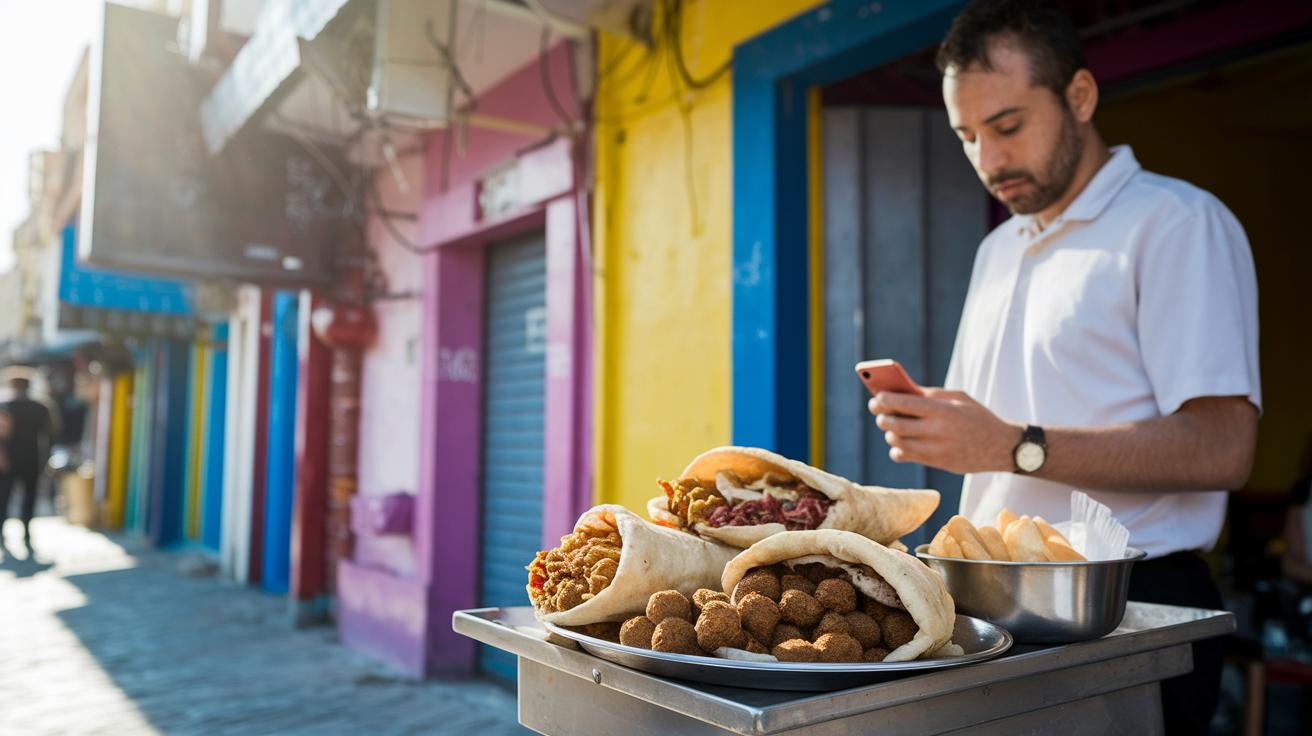
Sometimes the real magic of a trip comes from stumbling upon those lesser-known eateries tucked away from the usual tourist radar. When you skip the big-name spots, you get to taste meals that carry the genuine flavor of the local everyday life. It’s like opening a little door to a hidden world of culinary treasures.
Imagine yourself wandering through a bustling neighborhood in Amman. There, you might find a cozy street stand offering a gyro for just 1.50 JOD and a crispy falafel (a tasty, fried ball of spice) for only 0.40 JOD. In Thira, a humble lamb doner joint serves up a hearty dish for around €3. And maybe, on another day, you’ll treat your taste buds to creamed honey in Crete, sip a glass of Santorini vinsanto dessert wine, or enjoy a piece of traditional baklava in Turkey.
So, next time you explore a new place, chat with locals about their secret family-run tavernas rather than defaulting to popular chains. Midweek evenings often bring out the best of these hidden dining spots, where using word-of-mouth or small online forums can lead you to authentic experiences that are as friendly on your budget as they are rich in local flavor.
Global Meal Itinerary Planning: Expert Tips for Dining Abroad
Every destination comes with its own way of savoring a meal. In southern Europe, meals are a relaxed affair, often stretching from 90 to 120 minutes, giving you plenty of time to enjoy the flavors and even catch a local festival happening right around the corner. Out in North America, dinner is usually a quicker stop, so booking ahead can be a lifesaver if you want to avoid long waits.
Mixing restaurant dining with cooking in your lodging can add a fun twist to your day. Imagine stopping by a lively local market at midday, grabbing fresh treats, and then whipping up a simple meal in your kitchen. This plan not only saves you time but also lets you truly experience the local taste at your own pace. Using local calendars and handy scheduling apps can help you spot those unique food experiences that make every trip memorable.
Essential Dining Phrases and Communication Strategies for Dining Abroad

Imagine ordering food in a new country like setting off on a little adventure. Simple, friendly words go a long way in clearing up confusion and showing respect for local customs. A few easy phrases can ensure you enjoy every delicious moment.
Start with basics. Say "table for two" to kick off a smooth meal, and when you’re ready to finish, simply ask for "the check, please." Want insider advice? Asking for a "recommendation" can uncover unique local dishes. When you’re in an Italian eatery, try asking, "What is your signature dish?" (and feel free to check out Italian Phrases for Travel for a few more handy expressions).
Nonverbal cues matter too, a friendly nod or a gentle gesture as you point at the menu can work wonders. Just keep in mind that in some places, too much direct eye contact might seem a bit strong.
Practice these phrases before you travel, so you feel ready and excited for a seamless and enriching dining experience.
Global Food Safety Practices for Dining Abroad
When you’re traveling and exploring local flavors, keeping your water and hygiene in check is a must. Always pack a refillable water bottle and opt for filtered or bottled water when you’re unsure about tap water quality. Using a bit of hand sanitizer before you eat or after handling street-food wrappers works wonders for keeping pesky germs at bay. A small bottle tucked in your bag can really save the day on a bustling market run!
Choosing trustworthy food vendors is just as important as savoring new tastes. Look for busy food stalls where the dishes are cooked fresh, it’s a simple sign things are clean. And if you’re not quite sure about raw or undercooked meats, it’s best to skip them. Keeping a mini kit with basic remedies for mild tummy troubles or allergies can help you relax and enjoy every bite with confidence.
Final Words
In the action, you’ve seen how stepping out of comfort zones can lead to real culinary discoveries. The tips covered everything from trying local specialties and mastering table etiquette to managing dining costs on the go.
Each insight guides you to embrace local flavors, practice essential phrases, and stay safe while savoring each bite. With these expert travel tips for dining abroad, every meal turns into a chance to connect deeply with another culture and create lasting memories. Enjoy every delicious moment!
FAQ
What expert travel tips should I consider when dining abroad?
Expert travel tips for dining abroad encourage trying local specialties, planning meals around regional customs, and embracing bold flavors over generic options to fully experience the local culture while managing your budget.
How does international dining etiquette influence my experience?
International dining etiquette impacts your experience by guiding respectful table manners—such as avoiding the left hand for eating—and understanding regional customs that ensure you connect well with locals during meals.
What budget-friendly strategies can help manage dining costs abroad?
Budget-friendly travel tips emphasize dining at lunch to save money, cooking some meals using local markets and kitchens, and even packing a picnic kit to reduce reliance on pricier restaurants.
How can I uncover hidden dining secrets and local food recommendations?
Hidden dining secrets are best discovered by engaging with locals, exploring small, off-menu spots, and checking out family-run eateries that offer unique regional dishes at friendly prices.
What advice helps with planning a global meal itinerary when abroad?
Global meal itinerary planning involves aligning meal times with local customs, mixing restaurant outings with home-cooked meals, and reserving tables in popular venues to create a balanced dining schedule.
Which essential dining phrases aid communication abroad?
Essential dining phrases—like asking for “the check, please” or inquiring about the signature dish in the local language—help ensure clear communication and create friendlier interactions with restaurant staff.
What global food safety practices should travelers follow when dining abroad?
Global food safety practices recommend using bottled or filtered water, sanitizing your hands regularly, choosing stalls with fresh ingredients, and carrying basic medical supplies to handle minor digestive issues.