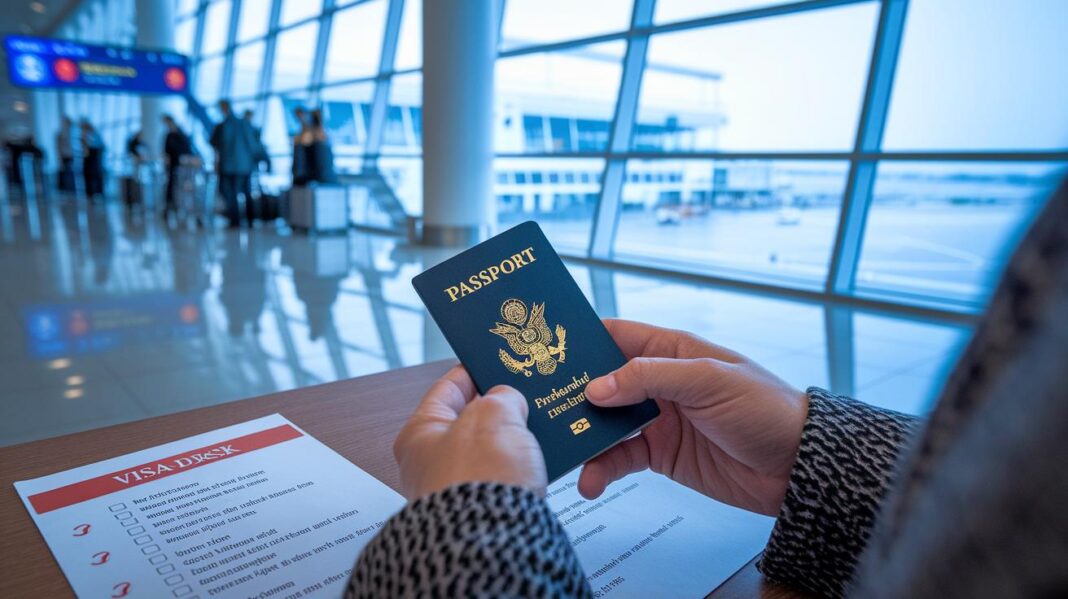

Ever wonder why some visa applications breeze through while others hit a snag? It’s not about luck, it’s like knowing the best route in a travel plan before you even pack your bag.
Imagine your application as a journey where every detail, like a carefully chosen stop along the way, matters. In this guide, I’ll share handy tips on spotting the right details, gathering your documents like packing for a road trip, and preparing for your interview as if you're setting out on an exciting adventure. Stick with me, and you’ll see how a little extra care can lead to a smooth journey to approval.
How Expert Tips Boost Your Travel Visa Application Success
Before you even start filling out forms, take some time to learn all the visa rules for your destination. Do a little homework by checking out official embassy sites for every tiny detail, from the latest passport rules to your allowed arrival and departure dates. I once spent a whole week double-checking these guidelines (it might sound extra, but trust me, it stops mishaps like missing paperwork).
Next, imagine your visa application as a fun puzzle where every piece matters. Get your valid passport, fill out all the forms, collect your bank statements, and prepare a friendly letter explaining why you want to visit. Keeping names and dates perfectly aligned makes your entire application feel smooth and trustworthy.
Then, get a head start on your visa interview by practicing your answers. Think of it like rehearsing for your favorite travel story, you want all the details to match what’s written down. This extra bit of practice boosts your confidence and shows the officials you’re ready for the adventure.
Lastly, remember that even a small missed step can throw off your whole plan. Experts always say that following each step carefully is like using a well-drawn map for a journey. Stick to each tip, and you’ll be well on your way to that visa approval with a smile.
Research and Eligibility Checklist for International Travel Permits
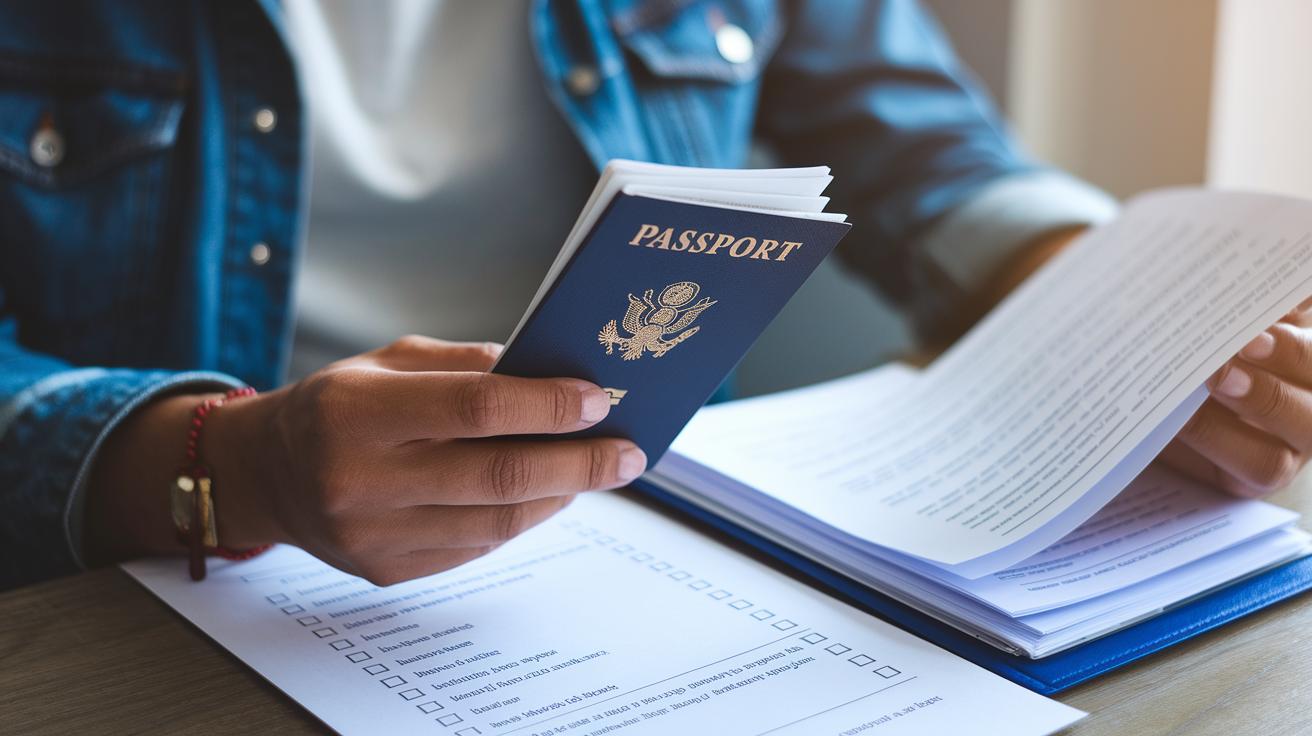
Before you start planning your international adventure, remember that visa rules change from one country to the next. Experts say that the best way to sail through the process is to know each nation’s unique requirements. Check that your passport has at least six months of validity left and plenty of empty pages for new stamps. Getting these basics right is a must.
Think of your checklist as a handy travel guide before you dive into your application. When you’ve got these details sorted, your permit request comes off as well thought-out and professional. It’s a bit like fitting together a puzzle, each little detail adds up to a smart, complete picture that leaves a great impression on officials.
Here’s a simple list to keep you organized:
- Passport validity and available blank pages
- Proof of return or onward travel
- Evidence of financial capability (like bank statements from the past 3 to 6 months)
- Documents specific to your purpose (for example, invitation letters or proof of enrollment)
- Health or insurance requirements
- Clearances for any criminal record
- Any country-specific rules (such as vaccinations or biometrics)
Before you hit “submit,” double-check each item on this list and confirm the details with the official embassy guidelines. This extra step will help you avoid common pitfalls and ensure your travel permit is processed without a hitch.
Research and Eligibility Checklist: Document Verification and Organized Papers
Make sure your passport is up-to-date with at least six months left before it expires and plenty of blank pages for stamps. I always double-check it, like I review my favorite travel itinerary before a trip.
Ensure every application form matches your supporting documents. Check that names, dates, and details align just right, as if you’re fitting together pieces of a well-loved puzzle.
Keep your papers neat and easy to find by organizing them with clear labels. Use a checklist to review your appointment confirmations, bank statements, travel insurance certificates, employment letters, and proof of residence. Think of it like lining up all your ingredients before cooking your favorite meal.
| Document | Source | Format | Verification Tip |
|---|---|---|---|
| Passport | Government | Original + Copy | Expiry ≥6 months |
| Visa Application Form | Online Portal | PDF Printout | Confirm all fields |
| Bank Statement | Your Bank | Last 3–6 Months | Official bank seal |
| Travel Insurance | Insurer | Policy Letter | Matches travel dates |
| Invitation/Employment Letter | Host/Employer | Signed | On letterhead |
Strategic Visa Process Insights: Timeline Planning and Appointment Scheduling

Kick off your visa journey at least 6–8 weeks before your trip, you want plenty of time to sort everything out. Spend the first 2 weeks doing a full eligibility check. Look over your passport, travel plans, funding proofs, and any special documents your destination asks for. It’s like doing a quick gear check before a big adventure!
Then, set aside 3–4 weeks to gather and verify your paperwork. Picture this step as packing your suitcase; every document needs to be just right. Make sure names and dates match perfectly, much like fitting the last piece of a puzzle.
Once your paperwork is all set, book your consular appointment as soon as the spots open up. These appointments often fill up 4–6 weeks before your travel date. And it doesn’t hurt to leave an extra 1–2 weeks for any surprises during processing.
A solid plan like this lets you cross off each step calmly, knowing you’re covered even if unexpected delays pop up. This way, your application looks neat, organized, and ready to go just like the perfect travel itinerary.
Expert Travel Visa Application Tips: Smooth Approval Ahead
When you're getting ready for an embassy interview, practice really pays off. You might be asked about why you're traveling, what your plans are (like your itinerary), how you'll fund your trip, and how tied you are to home. Try doing a few run-throughs with a friend, you know, like a mini rehearsal. For example, practice saying, "I'm planning to visit family and take a short course," so you’ve got a clear, confident answer on hand.
Dress smart in business-casual or formal attire. Showing up 15 minutes early not only shows respect but also gives you a chance to take a deep breath. Think of your outfit like picking out the perfect accessory for a landmark photo, it should be sharp and work just right with the rest of your look.
During the interview, listen closely to each question and answer steadily. Keep your responses neat and to the point; don’t let your words wander off. If someone asks about your plans, you could say, "I've planned my stay to include both cultural tours and necessary meetings." This way, everything you say matches the details on your paperwork.
Always make sure your words match your documents. A calm, well-prepared approach can really boost how trustworthy you seem, making it clear that your trip is well thought out and reliable.
Avoiding Application Denials: Common Pitfalls and Prevention Tips

Before you head out on your next adventure, give your application a thorough once-over. Think of it like checking your itinerary with a trusty travel app. Use digital tools that line up your form with your backup documents, much like comparing your map to a busy street view. One traveler remarked, “I ran my application through a digital checklist and discovered a spelling mistake I would have missed otherwise.”
Try using simple scanning apps or grammar checkers to spot any hiccups. And while it’s great to have a friend lend a second pair of eyes, pairing their review with modern tech is a surefire way to catch any surprises. One story told of an applicant who nearly missed a signature, only to later discover the omission thanks to a digital tool before it slowed them down. Knowing every detail is in its place can really boost your confidence when you step into that interview.
| Common Mistake | Advanced Check |
|---|---|
| Missing or wrong signature | Scan with OCR software to flag blank spots |
| Spelling errors | Use grammar-checking tools for digital proofreading |
| Data mismatches | Compare entries with uploaded documents using side-by-side review apps |
Remember to proofread your application both manually and with the help of digital tools. Get a second opinion, like asking a fellow traveler who’s been on the road before. And after you’ve hit submit, schedule a quick follow-up check a week later to ensure everything is on track.
Advanced Consultation and Support: Leveraging Expert Immigration Strategies
Imagine having a pro by your side who clears up all the confusion of visa applications. These trusted visa consultants work with you like a friend on a road trip, offering clear, step-by-step plans that slice through complicated visa rules and sudden policy changes.
They’re always keeping an eye on the latest guidelines and can even help with tricky cases like work permits or study visas, making sure every document fits the rulebook perfectly. Next, when you lean on their expertise, you're not just getting advice; you're getting a thorough check of every detail, which helps spot mistakes before they slow you down.
Think of their support as having a seasoned travel guide in a new city. They dig into every bit of your paperwork, catching little errors that might cause delays, and their insights can really speed up the process. With a boost in approval rates and fewer waiting times, it’s like having a secret shortcut on your journey to a new life.
And when it comes to handling resubmissions or navigating tricky re-applications, these experts tailor their advice just for you. Every step of your submission is managed with care, giving you the confidence to move forward knowing you’re in good hands.
Final Words
In the action, this post broke down key visa application steps, from thorough research and verifying eligibility to organizing paperwork and prepping for interviews. Each section offered practical advice that reduces errors and adds clarity to the process. Applying expert travel visa application tips can steer you clear of common pitfalls and boost your confidence before the embassy visit. Keep a steady pace and positive outlook as you set off on your next international experience.
FAQ
What are US visa interview questions and answers for B1/B2?
The US visa interview questions and answers for B1/B2 cover topics like travel purpose, finances, and ties to home. They guide you in practicing clear, confident replies during your interview.
What should I bring to the US visa interview for B1/B2?
The items to bring include a valid passport, completed forms, financial records, travel insurance, and supporting letters like invitation or employment documents. Bringing these helps present a well-organized case.
Are there any B1/B2 visa interview success stories?
B1/B2 visa interview success stories show applicants who prepared with thorough document checks and practiced concise responses. Their experiences serve as practical examples to boost your own preparation.
Where can I find US tourist visa interview questions and answers in PDF format, including 100 visa interview questions with answers?
US tourist visa interview questions and answers in PDF format, including a compilation of 100 key questions, are available on trusted advisory websites. These resources offer ready-to-use tips for effective interview preparation.
What does the U.S. visa application process involve?
The U.S. visa application process involves gathering correct documents, filling out necessary forms, scheduling an appointment, and preparing for the consulate interview. This complete approach meets eligibility requirements.
How do I check U.S. visa appointment available dates?
Checking U.S. visa appointment available dates is done by visiting the official embassy or consulate website and using their online scheduling tool. This method helps you secure your interview slot in advance.
How can I make my visa application strong and increase my chances of getting a US tourist visa?
Making your visa application strong means submitting complete, consistent documents, clear travel purpose, and reliable financial proof. This careful preparation builds a convincing case for your intent.
What should I avoid saying during a US visa interview?
It’s best to avoid casual or contradictory remarks during a US visa interview. Sticking to clear, accurate, and measured answers helps demonstrate your reliability to the consulate officer.
What is considered a red flag in a US visa?
A red flag in a US visa application is any inconsistency or vague detail in your forms or documents. Such issues may prompt extra scrutiny from officials and can affect approval chances.