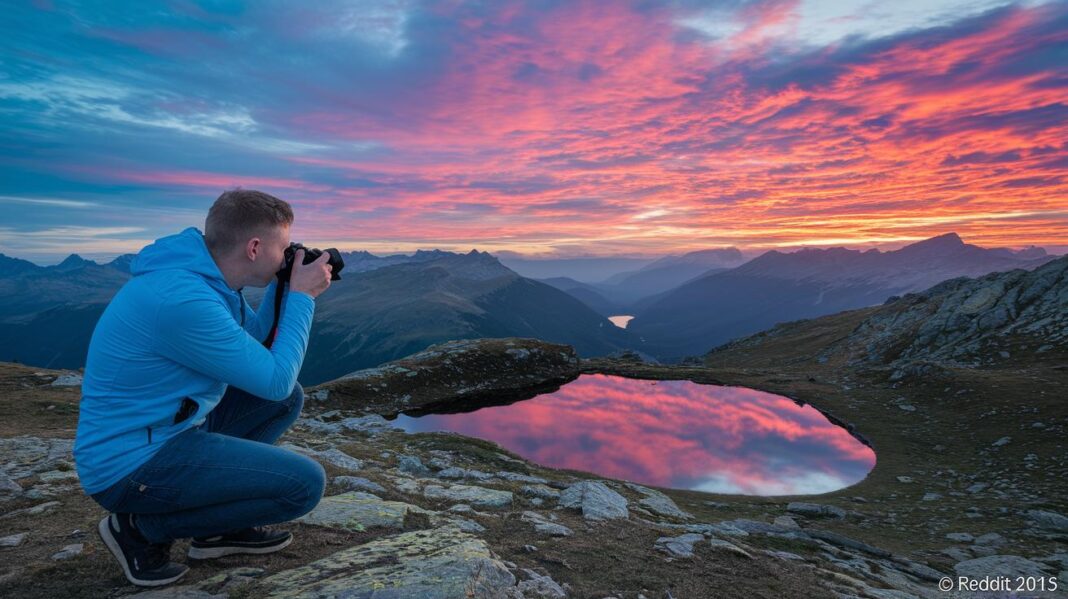

Ever stopped to marvel at how one simple photo can capture the quiet magic of nature? Imagine waking up to the soft glow of early light as it reveals secret details in a sleepy forest.
In this guide, I'll share easy tips on tweaking your camera settings and using a tripod (that handy tool to keep your shots steady) so you can turn everyday moments into authentic pictures. Whether you're just starting out or already a seasoned photographer, these practical ideas will help your travel photos tell their own story.
Capturing Breathtaking Nature Journeys with Creative Expedition Images
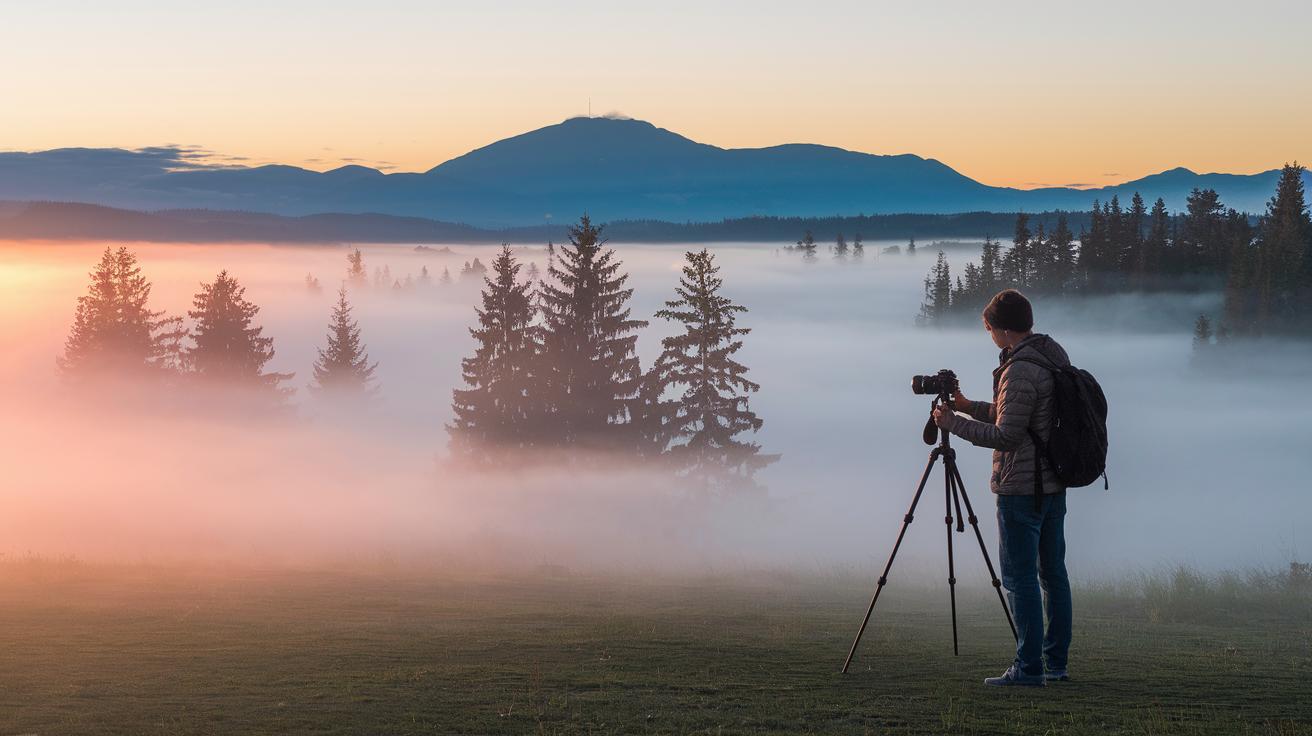
Nature photography tours mix travel and creativity, giving you a chance to explore stunning landscapes and encounter wildlife in a fun, hands-on way. Whether you’re new to photography or a seasoned pro, these trips offer a fresh look at popular spots and secret wild areas. Imagine beginning your day in a magical place like the Comox Valley. Before sunrise, the soft light reveals a light mist and hidden wildlife, perfect moments to capture spontaneous, breathtaking images.
On these tours, you learn by doing. You’ll get tips on switching between auto and manual camera settings and using a tripod (a small stand to steady your camera). It’s like having a friendly guide helping you experiment with light and focus so that every shot brims with nature’s vibrant details. Picture yourself switching to manual mode as the early light dances over the trees, and your camera freezes a slice of nature’s raw beauty.
Key tips to make your journey even more memorable include:
| Tip | Description |
|---|---|
| Experiment with Settings | Try both auto and manual modes to see which captures the scene best. |
| Use a Tripod | A lightweight, sturdy tripod will keep your camera steady in low light. |
| Vary Your Angle | Adjust your perspective to frame both the expansive sky and intimate details on the forest floor. |
When you combine these guided tours with creative photography techniques, you not only build confidence but also discover new ways to document nature in an authentic and innovative way. Enjoy the journey and keep exploring!
Essential Camera Equipment Advice for Trail-Ready Outdoor Visual Mastery
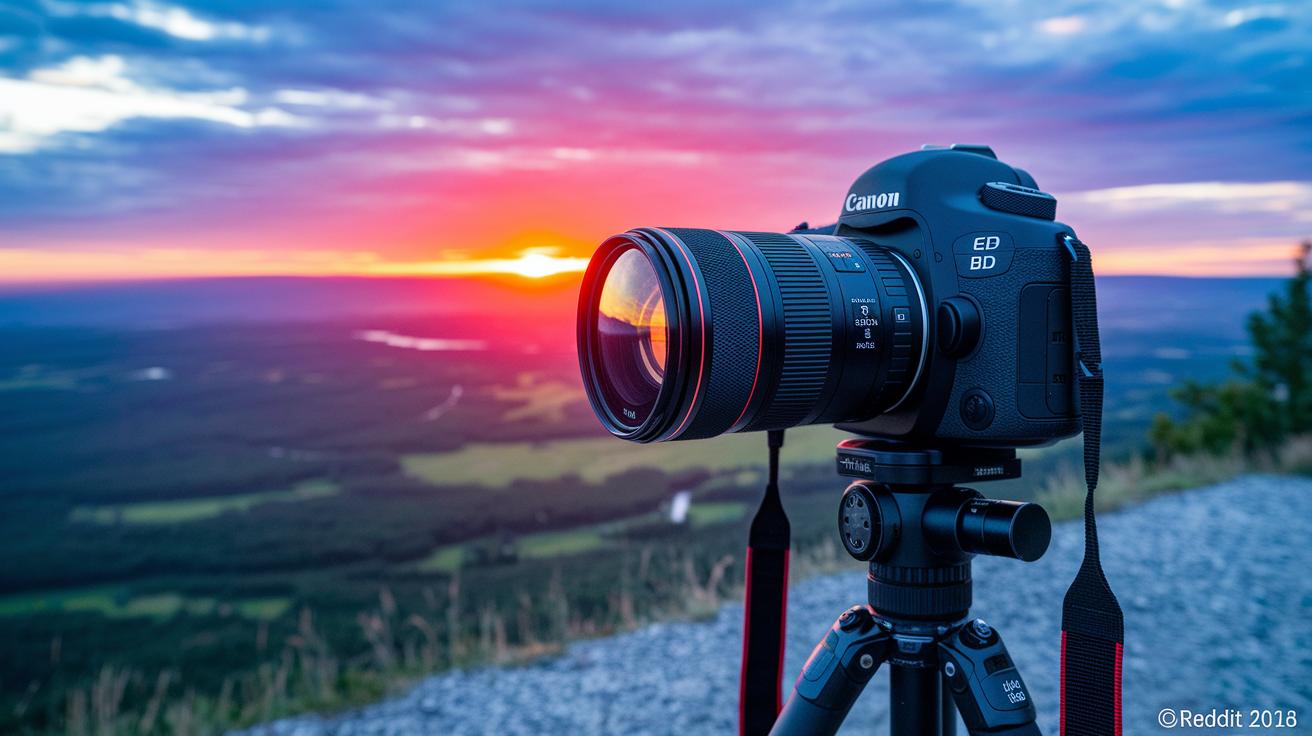
Let's get your camera kit set up so you can capture every unforgettable outdoor moment. First things first: pick a DSLR or mirrorless camera that lets you manually adjust every setting. Many travelers swear by the Canon 6D Mark II because it handles starry, low-light scenes and sweeping landscapes beautifully. With this camera, you can fine-tune every detail, just like that time a budding photographer discovered that a few tweaks could turn a sunrise into pure magic.
Next, a sturdy yet lightweight tripod is a must. Brands like Really Right Stuff are popular for keeping your shots steady during long exposures or when wildlife suddenly moves. Don’t forget to pack a polarizing filter, too. It makes colors pop and cuts out glare, giving your images an extra spark. And if you’re after that silky water effect in fast-moving scenes, a neutral density filter works wonders.
Be sure to bring extra batteries and memory cards so you’re ready when a captivating moment lasts longer than expected. For those close-up wildlife encounters, a zoom lens in the 100 to 500 mm range gives you the flexibility to snap detailed shots without disturbing the animals. Keeping your gear in top shape means you’re always ready to capture that perfect, trail-ready visual memory.
Mastering Composition Rule Insights for Scenic Locale Showcases
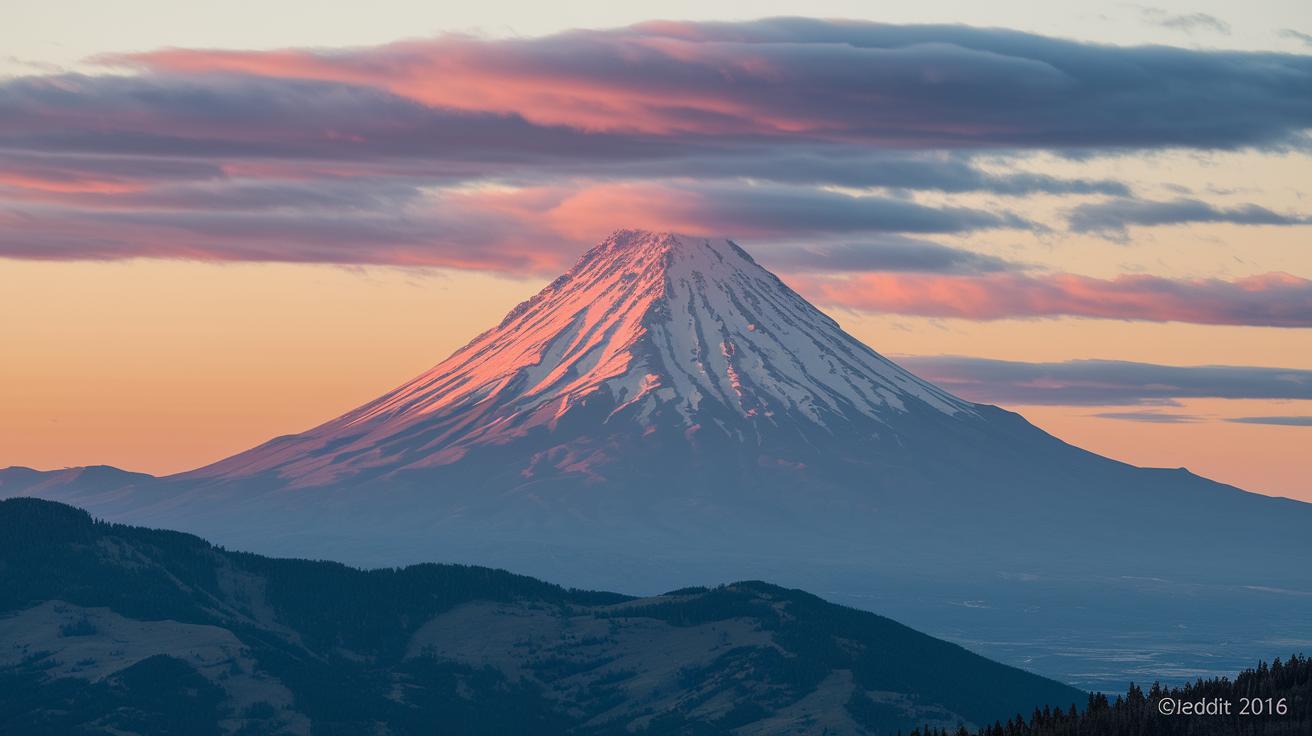
When you use the rule of thirds, you imagine your frame split by two horizontal and two vertical lines. This simple method helps guide the eye to the parts of your scene that really matter. For example, try placing a curious rock formation a bit off-center, almost like hiding a secret treasure in plain sight. Imagine a mountain at sunset with its peak exactly where these lines meet, cool, right?
Next up is the golden ratio, nature’s very own secret guide. Think of it as a gentle spiral that naturally pulls your eyes through the scene. Maybe line up the horizon or a winding river along this soft curve. Picture a field of wildflowers with rolling hills that follow the spiral’s flow, it almost feels like nature is showing you its hidden design.
Layering your scene can add a sense of depth, much like exploring different parts of a new city. Try mixing elements in the foreground, like scattered leaves, with a charming midground path and even a distant valley. And don’t forget to leave some empty space, like a big blue sky or a plain stretch of land, so that your main subjects really stand out.
For a truly sweeping view, consider panoramic stitching to capture the full grandeur of a landscape. And when it comes to waterfalls or drifting clouds, a long exposure (using an ND filter to keep the light in check) can turn quick motion into a soft, dreamy blur. It’s like watching water flow as gently as silk, captured in a single snapshot.
Timing and Lighting Tactics Abroad: Golden Hour and Natural Luminescence Use
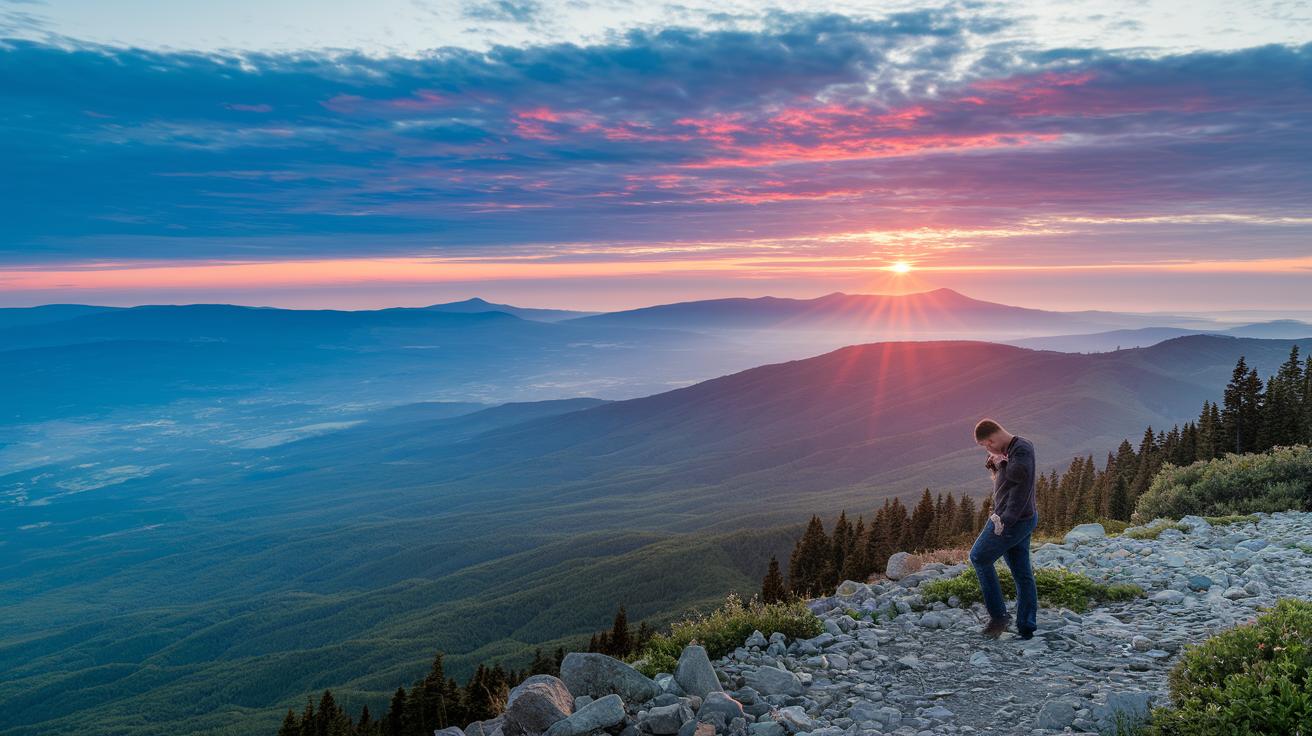
Using natural light is like spotting a secret treasure during your travels. Early in the morning, the sky trips out on a cool blue that slowly turns into a soft, reddish glow. It’s a natural hint that the magical hour is about to begin. Did you know that many photographers watch for the blue to turn red before snapping that perfect shot? It’s their way of knowing the warm, inviting light is coming soon.
Those early minutes are full of gentle light and rich colors, perfect for capturing the sunrise over a far-off horizon. A lot of outdoor shutterbugs even use burst mode (taking several quick shots) as the sun climbs up, which is great for catching fast-moving wildlife against a changing sky.
When you’re out there, keep an eye on how quickly the light changes. Sometimes you might need to switch your camera settings from automatic to manual so your picture stays just right. Playing with these settings not only makes your photos come alive but also captures the tiny, storytelling details that daylight serves up.
Remember these simple tips:
- Watch the sky for early color shifts.
- Try burst mode when photographing lively nature.
- Tweak your camera settings as the light changes.
Destination Photo Strategies: Planning Photo Expeditions for Remote Trek Imaging
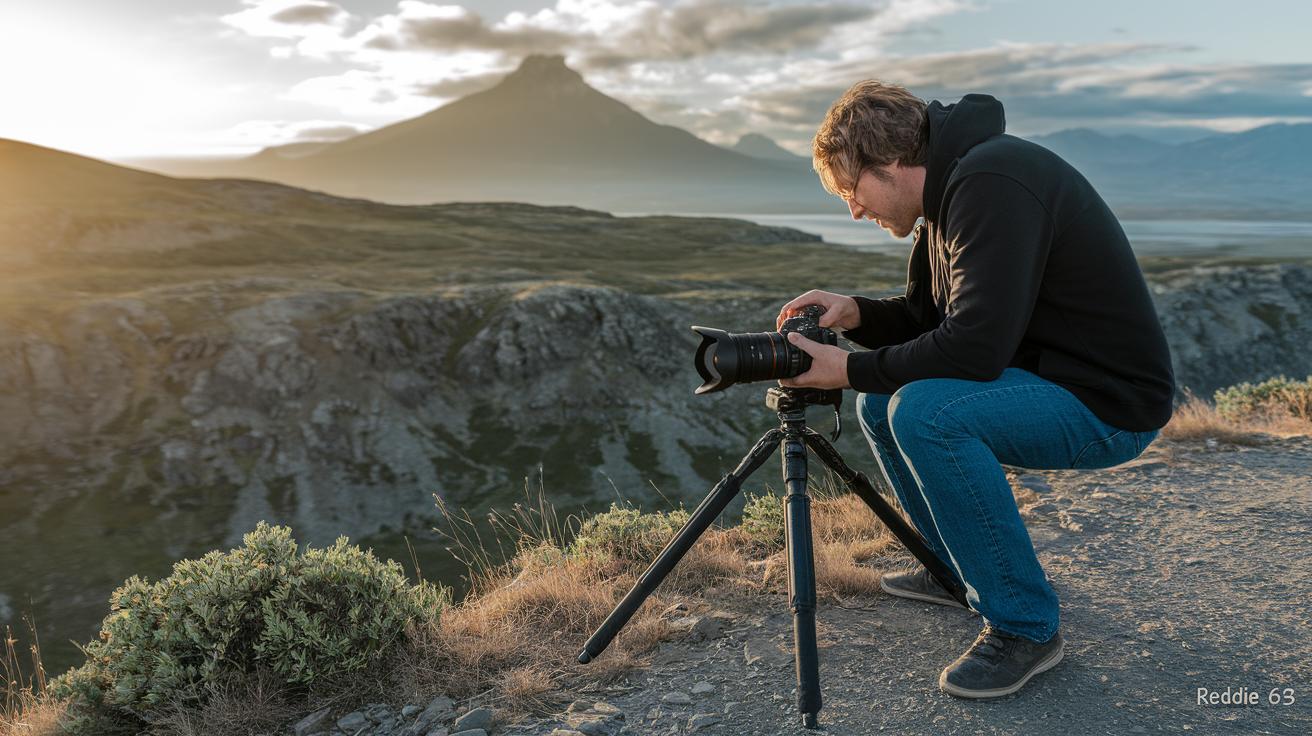
Picture this: a plan crafted with local know-how, where every stop is chosen to highlight a remote landscape's unique vibe. Start by choosing guides who’ve been leading photo tours since 2018. Their hands-on experience helps spot hidden moments that many might miss.
When planning your journey, make sure it matches your comfort level. If you love exploring on your own, a solo adventure lets you capture every photo at your own pace. But if you prefer a little company, a small group can offer shared insights and extra support, kind of like having a friend point out that perfect shot.
Keep an eye on the weather too. A quick look at local reports can tell you just when the light is right for capturing that stunning view. And don’t forget to pack some protective gear for your camera; the unpredictability of nature really calls for it. Break your day into photo stops so you never miss that fleeting, magical moment.
For those who love a detailed plan, check out a quick guide on travel itineraries here: https://vasthysfriends.com?p=. A mix of a solid schedule with room for spontaneous detours will set your photo expedition on the right path.
Post-Processing Outdoors: Mobile Editing Applications and Color Grading Techniques
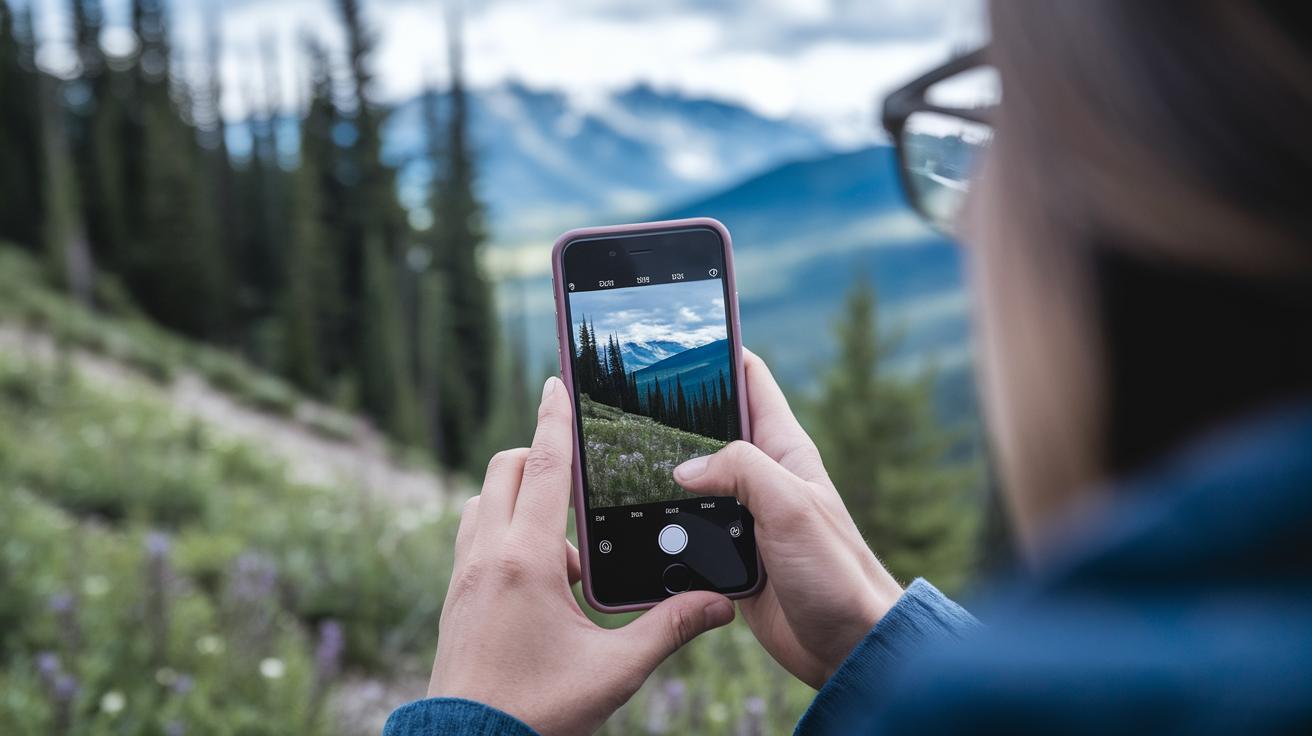
When you're out exploring and snapping the perfect landscape, editing on the go can really give your photos that extra sparkle. First, decide whether to shoot in RAW or JPEG. RAW lets you capture every little detail for deep editing later (think of it as holding all the puzzle pieces), while JPEG is a quicker option, giving you a finished look in moments.
Apps on your phone, like Lightroom Mobile and Snapseed, are your best friends on the road. They let you adjust the brightness, tweak the contrast, and bring out hidden textures almost instantly, kind of like fine-tuning a recipe until it tastes just right. And when it comes to color grading, you can shift hues to keep the natural vibe of your scene while adding your unique artistic touch.
Just remember, your quick edits should enhance the beauty of your shot without changing its original soul. So don’t be afraid to experiment with different filters and color tweaks. Embrace the little creative detours along the way, they can make every outdoor moment feel even more vivid and alive.
Ethical Photo Practices and Eco-Friendly Imaging for Wilderness Exploration Frames
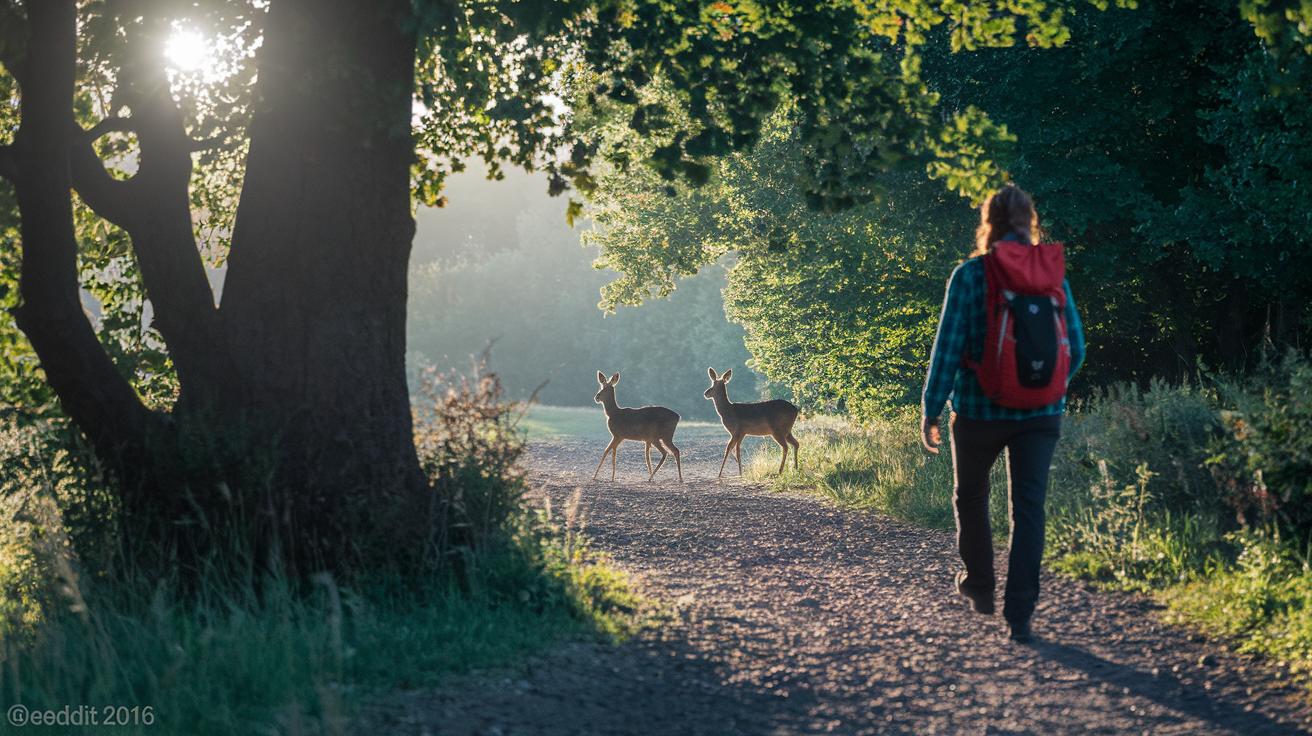
When you set out on a wild adventure, nature always comes first. Stick to the trails as if you were following a trusted map, and let nature be undisturbed. Each step you take helps keep the magic of the outdoors untouched.
When watching wildlife, keep a safe distance. Think of it like enjoying a play from the back row, watching the show without stepping into the spotlight. And if an animal gets too close, slowly back away to let the scene unfold naturally.
Also, remember that cleaning your gear with eco-friendly methods matters. A simple wipe of your lens with a biodegradable cloth shows respect for the land and helps keep the habitat thriving.
Quick tips for every nature explorer:
- Stick to the marked paths to honor the land.
- Keep a respectful gap between you and the animals.
- Clean your equipment using green-friendly products.
For more insider tips on respecting local environments and communities, check out our guide to cultural adventures abroad.
Final Words
In the action, you dove into creative ways to capture nature on the move. The guide blended hands-on camera tips, clever composition rules, golden hour tricks, and remote photo planning with ethical, eco-friendly practices. Each section offered clear, practical advice from pre-dawn wildlife to quick on-site editing. This inspired guide to nature photography on travels is your ticket to framing unforgettable outdoor moments. Enjoy every step as you transform simple scenes into memorable images.
FAQ
Inspired guide to nature photography on travels pdf
The inspired guide to nature photography on travels in PDF format offers detailed tips on composition, equipment, and lighting, giving you clear, actionable advice to capture scenic outdoor images on your explorations.
Inspired guide to nature photography on travels free
The inspired free guide to nature photography on travels provides valuable insights—from camera settings to creative techniques—that help you shoot stunning outdoor photos without any cost, making it accessible for all.
How to take good nature photos with phone
The method for taking good nature photos with a phone involves using available manual controls, leveraging natural light during golden hours, and keeping the phone steady, which results in crisp, eye-catching outdoor captures.
Nature photography tips for beginners
The nature photography tips for beginners include simple techniques like using the rule of thirds, experimenting with different lighting, and practicing mindful framing so you can quickly start capturing compelling outdoor images.
Nature photography techniques
The nature photography techniques feature methods such as employing panoramic stitching, long-exposure settings for moving water, and mixing manual with auto modes, all aimed at producing balanced and striking outdoor photographs.
Nature Photographer
The nature photographer is someone who captures the outdoors with a blend of technical skill and creative vision, focusing on landscapes and wildlife while respecting ethical practices to share the beauty of nature.
Nature photography ideas
The nature photography ideas range from exploring local parks to taking guided tours in remote spots, using creative angles and varying light conditions to produce images that vividly reflect the outdoors.
Nature photography settings
The nature photography settings involve adjusting aperture, shutter speed, and ISO to suit different outdoor lighting and movement, ensuring your photos are well-balanced and capture the environment exactly as you see it.
Wildlife Photographer of the Year
The Wildlife Photographer of the Year competition celebrates exceptional outdoor images by highlighting talent, technical expertise, and the knack for capturing raw, authentic moments between wildlife and their habitats.
Wildlife photography course
The wildlife photography course offers structured lessons on equipment use, field techniques, and ethical shooting practices, equipping you with practical skills to take compelling and respectful images of nature’s creatures.