

Ever thought that staying alert could be your secret travel hack? U.S., Canadian, and U.K. travel warnings are urging a bit more caution when visiting Panama. With reports of rising crime and local unrest, keeping an eye on the news (and chatting with locals) is more important than ever.
Imagine exploring Panama's vibrant streets, soaking in the rich local culture, and still feeling safe. This guide is like a friendly tip over coffee, it’s all about knowing what’s happening around you. By planning smart and following easy travel tips, you can enjoy every burst of color and every surprising twist along your journey.
Panama Travel Advisory: Stay Informed, Stay Safe
Have you seen the latest travel advice for Panama? The U.S. Department of State has flagged the area with a "Level 2" notice (which means "Exercise Increased Caution") since June 20, 2023. They point out that crime is on the rise and there have been some instances of civil unrest. Imagine checking your travel plans and spotting that friendly reminder to stay alert, it's a nudge to keep an eye out for any unexpected twists.
Canada isn't taking it lightly either. Their travel update from May 15, 2023, recommends that visitors stay super careful because petty theft has become more common, especially in bustling city centers. If you're planning to explore urban spots, it's a good idea to keep your belongings close at hand.
The U.K. has joined the conversation too. Their FCDO alert, revised in April 2023, gently advises travelers to be extra mindful during any public gatherings or protests. They suggest keeping a close watch on local happenings to quickly adapt if things get a bit livelier than expected.
Together, these advisories paint a clear picture for anyone headed to Panama: stay informed, plan ahead, and take simple precautions to enjoy the local culture safely. Knowing what to expect helps you travel with confidence and soak in all the vibrant experiences along the way.
Panama Travel Entry Requirements and Advisory Guidelines
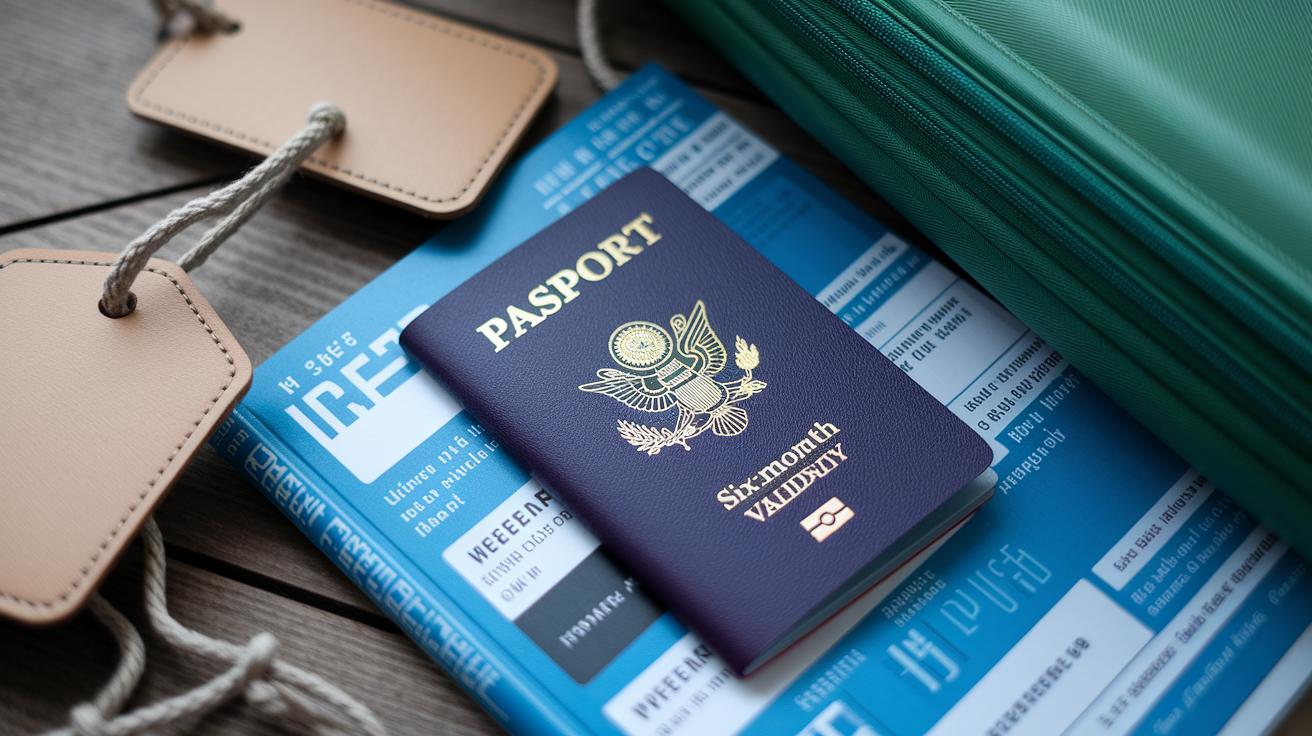
Before you start packing your bags, check your passport. It needs to be valid for at least six months from the day you plan to leave. Think of it as your golden ticket, making sure it won’t expire guarantees a smooth journey.
Visa rules are pretty simple for many visitors. U.S., Canadian, and EU travelers can enjoy up to 180 days in Panama without a visa. If you’re from another country, it’s a good idea to chat with the Panama Migration Authority before you set off, kind of like checking the weather before you head out, so you’re not caught off guard.
Health documents have been updated, too. As of July 2023, you don’t need a COVID test or vaccine proof. However, if you’re coming from a spot where yellow fever is common, make sure you have your yellow fever certificate. It’s that extra step that makes your border experience as smooth as packing your favorite snack for the ride.
When it comes to customs, keep this in mind: you can carry up to USD 10,000 without any hiccups. But if you're bringing more cash or if your valuables exceed USD 2,000 in total, you’ll need to declare them on arrival. This little guideline helps you breeze through customs and keeps your finances safe while in Panama.
Safety Risk Overview for Panama Trips
Panama is a place full of vibrant experiences, but it’s important to be smart about your safety. Imagine wandering through colorful streets while keeping an eye on your belongings. In Panama City, areas like El Chorrillo and San Miguelito see more petty theft, with a 12% increase in last year. And while the nightlife is exciting, muggings can occur in crowded spots so always hold your bag close. One traveler once said, "I kept my bag close, and it made a real difference during a busy night out."
Next, sometimes Panama City has spirited protests that can quickly get out of hand. These events might lead to sudden curfews, so stay tuned to local news. Also, the Pan-American Highway has heavy traffic and more accidents than you might expect, especially when rural roads lack proper lighting. Even though kidnappings are rare, it’s best to avoid remote border areas after dark.
Key safety pointers to keep in mind:
- Petty theft is common in El Chorrillo and San Miguelito.
- Nightlife areas may have isolated muggings.
- Protests can suddenly flow into disorder and result in curfews.
- The Pan-American Highway is busy with accidents.
- Rural roads might not be well lit at night.
In truth, visiting Panama calls for a mix of cautious planning and a love for adventure. By staying alert and planning your moves, you can appreciate everything this country offers while keeping safe. Happy travels and enjoy every golden moment of your trip!
Health and Medical Alerts in Panama Advisory

When you're gearing up for a trip to Panama, it's smart to stay aware of a few important health tips. For instance, dengue is present year-round in the cities, and there's a chance of catching malaria in Darién Province. And if you're pregnant, the Zika advisory is something you really want to keep in mind. Even though Panama City boasts fantastic private hospitals, venturing into rural areas might mean limited medical resources, so considering evacuation insurance could be a lifesaver. Also, while you don't need a COVID test to get in, wearing a mask in medical settings is still a good idea.
Before you pack your first aid kit, have a look at these recommended vaccinations:
| Vaccine |
|---|
| Hepatitis A |
| Typhoid |
| Measles-Mumps-Rubella (MMR) |
| Tetanus-Diphtheria-Pertussis |
| Polio |
| Routine Immunizations |
Each jab is like a handy tool in your travel kit, adding extra protection for your adventure.
Keeping up with these health measures is a bit like making sure your travel toolbox is fully stocked. Even if you're exploring well-equipped urban centers, unexpected health issues can pop up when you're off the beaten path. Staying on top of the latest health advice means you can truly focus on enjoying Panama's local culture and stunning scenes with peace of mind.
Political and Social Updates in Panama Travel Advisories
Lately, Panama has been buzzing with changes that can affect your day-to-day trip. In March 2023, a national strike over labor reforms surprised everyone by halting public transport for three whole days. Locals and visitors ended up dealing with unexpected delays, so it’s smart to check local updates before you head out. And if you’re driving in places like Chiriquí and Bocas del Toro, know that indigenous protests sometimes block key roads, creating sudden traffic twists.
Then in November 2023, local elections sparked rallies and slowed down the busy flow of Panama City. These events can turn a routine day into an impromptu adventure as public spaces fill with new activities. Staying tuned to the news helps you make quick adjustments to your plans when things shift.
Key political and social alerts include:
- A few days of disruptions due to labor reform strikes.
- Occasional road closures from indigenous protests.
- Election-related rallies that slow down urban traffic.
Keeping an eye on these updates and remaining flexible can ensure you get the most out of your journey while staying safe in Panama.
Border Crossing and Transit Advisories for Panama Visits

If you're planning a trip into Panama by land or sea, here's some friendly advice to keep things running smoothly. When you hit Paso Canoas at the Costa Rica border, expect a wait of around 30 minutes during busy times. Make sure you have your ID ready and give yourself a little extra time so you can sit back and relax.
When traveling near the Darién Gap, remember that walking across without permission isn't allowed. If you're joining a guided tour, be sure to secure your permit from ANAM in advance, it’s like packing extra snacks for that unexpected wait.
And if you're setting your sights on the San Blas ferry, note that schedules can be a bit unpredictable, especially in the rainy months between May and November. One traveler once mentioned how checking for updates saved them from a rescheduled trip, so it’s always smart to stay in the loop.
Staying ahead with the proper documents and current transit info means fewer delays and more time to enjoy the journey.
| Crossing Point | Advisory |
|---|---|
| Paso Canoas | Expect delays, carry proper ID |
| Darién Gap | Permits mandatory, no solo crossings |
| San Blas Islands | Check seasonal ferry schedules |
Essential Traveler Precautions Under Panama Advisory Updates
Planning your Panama trip with care can turn a good adventure into a great one. Before you pack your bags, sign up for the Smart Traveler Enrollment Program (STEP). It’s like having a travel buddy on call that keeps you updated with the latest tips from the U.S. government, almost as handy as a safety app.
Next, here are some friendly tips to help you feel secure while you explore:
- Sign up for STEP before you leave.
- Keep both digital and paper copies of your passport and ID in separate spots.
- Stick to official taxis or ride-share services once the sun sets in Panama City.
- Check local news apps for any last-minute changes or warnings.
- Steer clear of any protests or unfamiliar neighborhoods at night.
- Keep emergency contacts handy on your phone.
- Let a trusted friend or family member know your travel plans.
Staying tuned in to official updates really makes a difference. Quick alerts from local news or government sources can help you decide if you need to change your plans, like postponing an outing if a protest pops up nearby. Keeping these tips in mind means you can relax and truly enjoy all the vibrant experiences Panama has to offer.
Final Words
In the action, our guide carried you through current advisory levels, entrance rules, safety measures, and local warnings. It shared key tips from passport needs to transit info and simple precautions to keep your plans smooth.
Each section laid out clear details and practical insights to help you adjust plans on the fly. Stay updated with the latest panama travel advisory for a smart, secure trip ahead.
FAQ
Is Panama safe for a family vacation and is Panama City safe?
The question of safety for family vacations in Panama is answered by noting that most areas are generally secure for visitors if basic precautions are taken. It’s best to stay in well-known districts and remain mindful of urban risks.
What are the travel and entry requirements for U.S. citizens visiting Panama?
The travel and entry requirements mean U.S. citizens must have a passport valid for at least six months beyond their planned departure, can enter visa-free for up to 180 days, and should review current health document rules before traveling.
Can U.S. citizens travel to Panama right now, and what current advisories should they consider?
The question regarding travel by U.S. citizens shows that visits continue under normal conditions. Travelers should check official advisories for any updates on safety and health protocols before departure.
What does the Panama travel advisory say about COVID-19?
The advisory on COVID-19 indicates that Panama does not require testing or vaccination for entry. However, mask use is recommended in certain health facilities, so visitors should monitor local guidelines during their stay.
Where can I find official Panama immigration information?
The query about immigration information is answered by the recommendation to visit Panama’s official government website, which offers the most current details regarding visa rules, passport requirements, and other entry procedures.
Are there any updates on recent Panama news that travelers should know?
Panama news updates can be found in official travel bulletins and government advisories, providing the latest alerts on public safety, health updates, and any changes that might influence travel plans.
What does a level 3 travel warning mean, and does it affect travel to Panama?
The question about level 3 warnings suggests that some countries may have issued such ratings. Although this does not directly dictate travel policies for Panama, it emphasizes the importance of checking specific regional advisories before planning your trip.