

Ever wonder if a piece of ancient stone could whisper modern tales to you? Imagine setting off on a photo adventure where history meets design, like unexpectedly stumbling across a secret gallery tucked away in time.
Picture yourself capturing a soft, warm glow on gleaming white marble, reminiscent of a sunset painting the sky. This marvelous structure once held the title of the tallest man-made wonder for 3,800 years, a true testament to timeless creativity.
Our guide shares insider tips to supercharge your travel snaps while exploring iconic sites that artfully mix old-world charm with a fresh, modern vibe. Get ready to see these landmarks in a totally new light, and trust me, every click of your camera will feel like uncovering a hidden gem.
Ultimate Photographic Travel Itinerary to Iconic Architectural Wonders
Imagine setting off on a journey where each landmark feels like a page from a history book mixed with modern flair. Picture ancient craftsmanship meeting cutting-edge design in places where morning and late afternoon light bring out every detail. Think of the soft glow on white marble or the playful shadows on towering facades. And here’s a fun fact: the Great Pyramid of Khufu once held the title of the tallest man-made building for over 3,800 years, sparking awe in architects for generations.
Mapping out your adventure with care means you’ll capture the most stunning shots without the hassle of crowded spots. You’ll find serene sunrise scenes, golden hour magic, and soft twilight moments that highlight both old-world charm and contemporary elegance. Every stop offers a unique view, whether it’s the delicate carvings of ancient stones or the smooth curves of modern designs. It’s the perfect route for anyone who loves discovering hidden perspectives on iconic buildings.
| Landmark | Location | Best Photo Time | Key Architectural Features |
|---|---|---|---|
| Pyramids of Giza | Egypt | Early Morning | Constructed ~2600–2500 BCE; once the tallest man-made structure |
| Taj Mahal | India | Sunrise | White marble with intricate carvings |
| Sagrada Família | Spain | Late Afternoon | Merges Art Nouveau with Gothic design elements |
| Sydney Opera House | Australia | Twilight | Iconic shell-like design |
| Angkor Wat | Cambodia | Mid-Morning | Massive religious structure with mesmerizing bas-reliefs |
| Burj Khalifa | Dubai | Golden Hour | Towering skyscraper at 828 m, exemplifying modern aesthetics |
Keep in mind that getting from one marvel to the next might call for a mix of flights, buses, and local shuttles. The itinerary is set up to save travel time while catching each destination in its best light. Whether you’re jetting off across continents or exploring a nearby region, a little flexibility in your travel plans lets you pause for those spontaneous, picture-perfect moments.
Essential Equipment and Camera Techniques for Architectural Photography
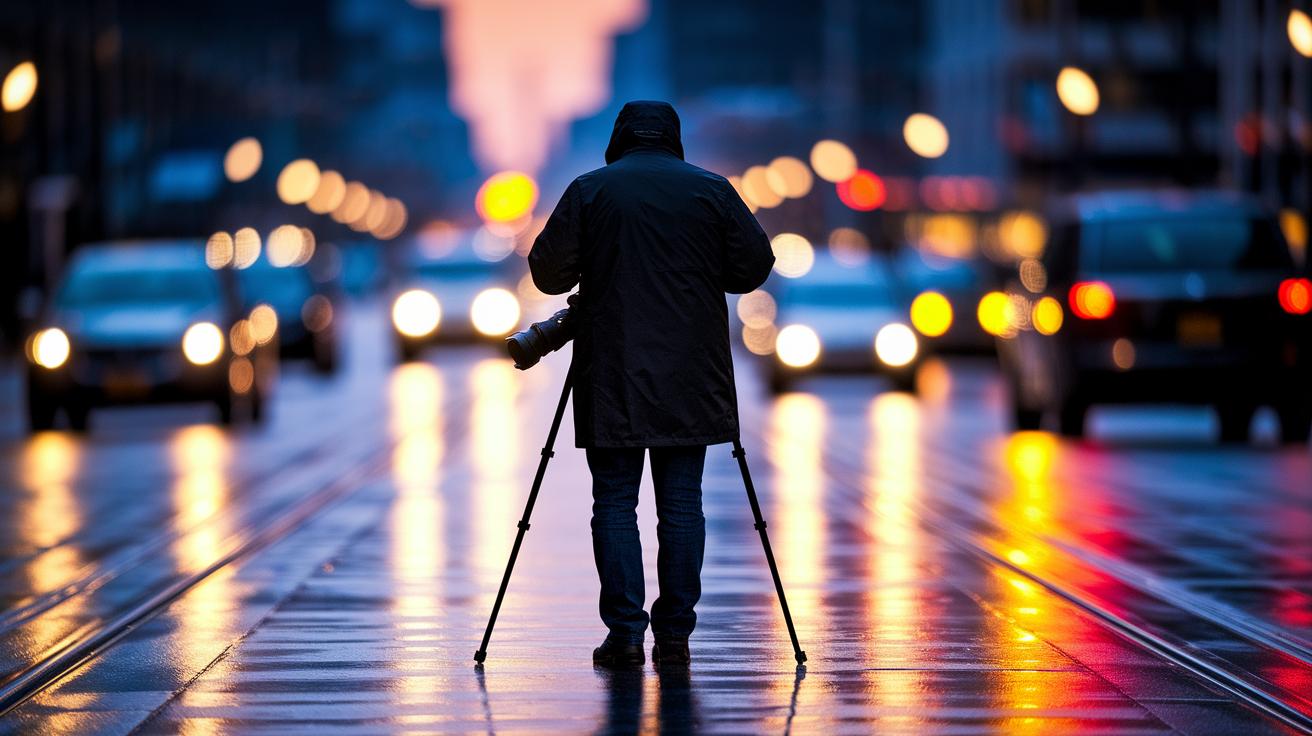
If you're ready to explore historic streets or urban skylines, having the right gear makes all the difference. Imagine stepping out with a camera built to weather any storm, letting you capture every detailed carving and metal edge without a care.
A weather-sealed camera body is a lifesaver on unpredictable days. I once found myself on Iceland's South Coast, where a light drizzle almost ruined a perfect shot. With this kind of body, you can focus on framing the story behind every building rather than worrying about the rain. And when it comes to wide vistas, a wide-angle zoom (usually around 16-35 mm) ensures that even the most expansive facades fit perfectly in your frame.
A telephoto prime lens, on the other hand, helps you zoom into those ornamental details that make a monument unique. Pair that with a sturdy yet light tripod for those low-light winter adventures, and you've got a stable setup for long exposures that bring out the magic of a dim scene.
Next, consider a graduated ND filter to balance bright skies against shadowed architectural features and a circular polarizer to cut the glare from reflective surfaces. And of course, extra batteries and memory cards are essentials, you never know when you will strike a moment worth capturing.
Best Timing and Lighting Strategies for Iconic Architectural Photography
Early in the morning, the soft light creates a natural backdrop that brings every little detail of a building to life. Imagine visiting the Pyramids of Giza or Sagrada Família at dawn, you get gentle side light and a quieter scene that lets the structure shine.
By midday, the sun can be too harsh. The bright light often washes out textures and adds unwanted hustle and bustle to your photo. Picture a stone carving suddenly losing its delicate charm under a glaring sun. It hardly feels as magical, right?
Then there’s twilight. The blue hour lights up facades with a dreamy glow. Places like the Sydney Opera House or Harpa Concert Hall look especially striking when you capture their beauty during those low-light moments. A steady hand and a trusty tripod can really help get that perfect shot.
Don’t forget that the season and even the day of the week matter too. In summer, with long days and blooming scenery, colors pop with vibrancy. Winter, on the other hand, wraps buildings in dramatic shadows and rich forms. Weekdays are usually quieter, giving you a clear view, while weekends might bring larger crowds that can block your perfect shot.
Taking the time to plan based on light and timing can make your architectural photos truly special.
Composition Strategies for Striking Architectural Images
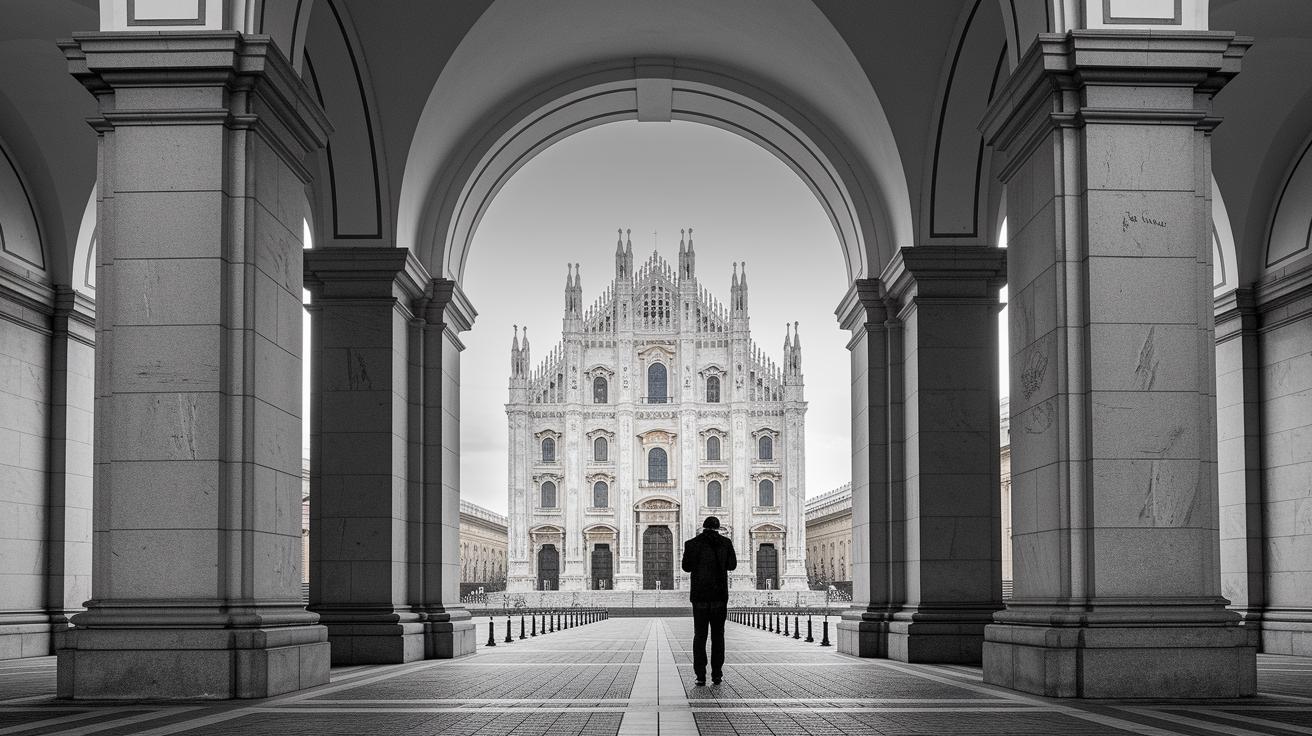
When you're snapping photos of buildings, it’s not just about the structure, you want to capture the vibe and personality of the space too. Looking up from the ground, you'll notice those tall, impressive forms, while a shot from a rooftop (think Hallgrímskirkja or Perlan) can reveal an entire skyline in all its glory. And don't forget about leading lines like walkways and columns, they naturally pull your eyes into the heart of the scene.
Sometimes, nature or the building itself creates a frame. An archway or a doorway can add symmetry and draw attention to the architecture without saying a word. It’s worth trying out different angles to get a shot that feels both cozy and wide open at the same time.
Adding a person or even a car in the frame shows just how grand the structure really is. Using items in the foreground can invite you into the scene, giving the picture a real sense of depth. Each image turns into a little story that brings out the unique character of the landmark.
Understanding Historical Context of Iconic Architectural Landmarks
Imagine stepping back in time to see how human creativity shaped our world. The Great Wall of China winds for over 13,000 miles (a long stretch of history!) and stands as a proud reminder of ancient defense strategies. And think of Petra, a city carved from rose-red sandstone in the 1st century, that whispers stories of resilience with every twist and turn of its rock. These remarkable sites are like snapshots of the past, perfect for history buffs and photographers looking for that real, authentic backdrop.
Then there are the stunning treasures of the Renaissance. St. Peter’s Basilica, finished in 1626, and Florence’s Santa Maria del Fiore, completed in 1436, show us how art and design danced together in a magical time. Their grand domes and intricate details bring the spirit of that innovative era to life. Visiting these awe-inspiring landmarks feels like peeking into a world where creativity changed everything.
Next, let’s wander into the era of French Baroque. The Palace of Versailles, set up in 1682, flaunts ornate details and perfect symmetry that capture the refined style of its time. Its sprawling gardens and elaborate facades pull you into a dramatic, beautifully ordered world, quite a contrast to the simpler designs that came before.
And don’t forget the hidden gems scattered throughout historic cities. These lesser-known relics, often overshadowed by famous monuments, sparkle with their own unique charm. They invite you to explore quiet corners where light and shadow play together in surprising ways, offering a personal, intimate discovery of timeless architecture.
Post-Processing Insights for Architectural Photography
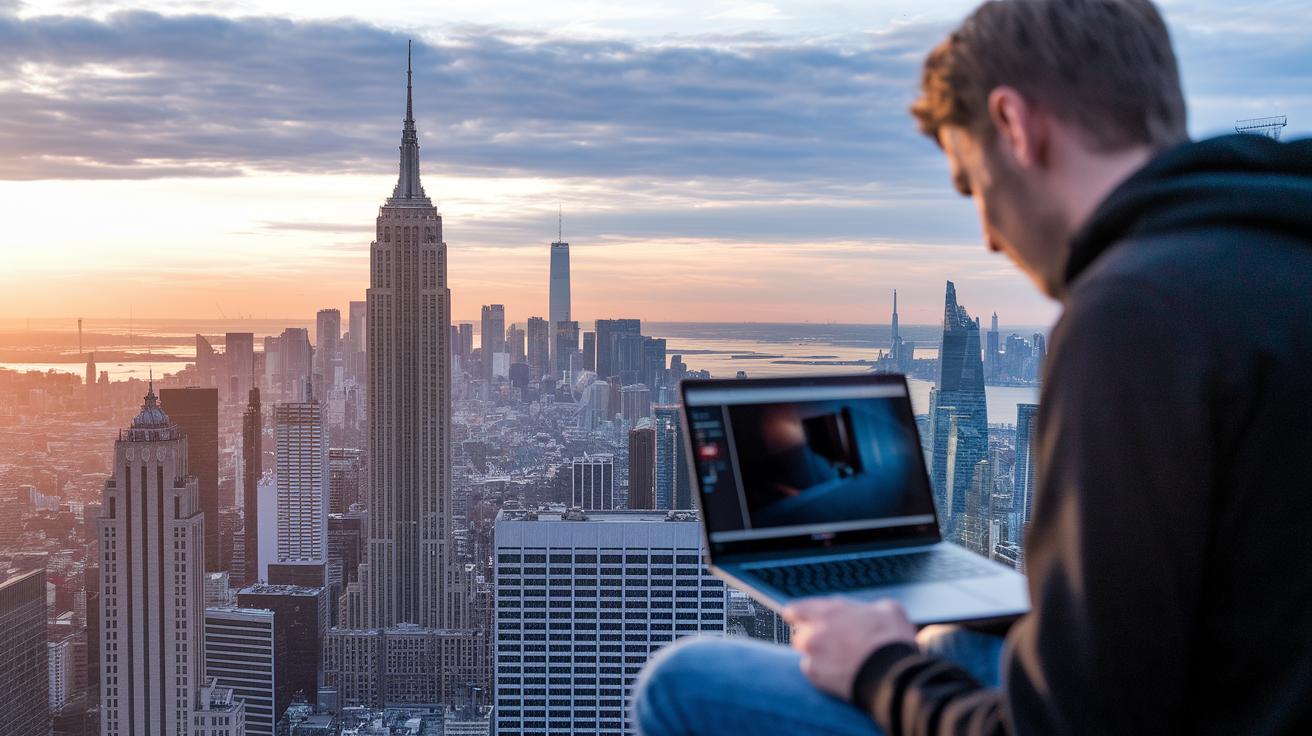
Ever taken a photo of a building and felt something was off? When your shot shows strange curves or leaning walls, try using Adobe Lightroom or Photoshop to set things straight. Tweaking the perspective early on helps keep columns and edges looking natural, almost as if you’re seeing the building in person.
Next, imagine capturing every detail on a bright, sunlit facade. HDR merging is your friend here, it balances intense shadows with brilliant highlights so you can see everything from weathered stone to smooth metal. And for those wide, sweeping city views, panorama stitching gathers your images into one stunning skyline. I often like to experiment with gradient filters and selective clarity to highlight textures, giving each building its very own story.
Finally, wrap up your edit session with a few gentle adjustments. A little push to contrast, warmth, and saturation can give your image that polished, almost magical feel. These final touches bring out the true character of the architecture, much like a quiet moment that makes you appreciate the beauty of a well-traveled path.
Budget-Friendly Planning for Architectural Photography Expeditions
Deciding whether to join a guided tour or chart your own adventure can really help you stay on budget. For example, Washington, DC offers a morning architectural tour for about $119 that lasts two hours and covers six cool monuments. But if you’re feeling spontaneous, mapping out your own route with free audio tours can let you explore at your own pace and save a bundle.
When it comes to cutting costs on gear, travel, and lodging, planning your trip during the quieter shoulder seasons, like spring or autumn, can work wonders. Hotels often drop their prices, and so do admission fees. Plus, it’s a great idea to pack just what you need from your own collection and swap expensive guided workshops for a self-guided roam. Look out for budget-friendly camera sales or even consider renting equipment, and remember many cities offer affordable transit options or discounted group passes to make hopping between spots easier.
Before you lock in any plans, check out trusted booking sites to compare prices and read reviews from other travelers. And don’t forget to do a quick safety check when renting gear. Using local transport hacks, like ride-sharing apps or public transit, can help keep your journey not only safe but also delightfully economical.
Final Words
In the action, we mapped out a day-by-day route capturing world-famous monuments while breaking down essential gear, lighting strategies, composition tricks, historical snippets, post-processing insights, and smart budgeting tips. Each section adds a fresh perspective on snapping magnificent photos with practical, insider advice. This travel guide to iconic architectural photography invites you to explore unique sites and create memorable images that tell a vibrant story. Enjoy the thrill of each click as you uncover visual wonders with your lens.
FAQ
Architectural photography website?
The architectural photography website serves as a hub for creative inspiration, resources, and guides on shooting striking images of unique structures around the globe.
What does Architecture photography ArchDaily offer?
Architecture photography ArchDaily provides up-to-date features, expert insights, and curated projects that highlight modern design concepts and the evolution of urban structures.
What are the camera settings for architectural photography?
The camera settings for architectural photography typically involve using a narrow aperture, low ISO, and a slower shutter speed to capture crisp details and balanced lighting on buildings.
What topics do architectural photography courses cover?
Architectural photography courses cover composition, lighting techniques, technical camera settings, and basic post-processing skills to help photographers capture the essence of iconic structures.
What can I expect from an architecture photography magazine?
An architecture photography magazine showcases stunning images, expert interviews, and practical tips that inspire readers to refine their technique and appreciate innovative building designs.
What defines architect photography?
Architect photography focuses on portraying the structure, form, and intricate details of buildings using creative angles and lighting to convey a sense of place and design integrity.
Who are old architecture photographers?
Old architecture photographers are pioneers who documented historical landmarks and unique urban forms, helping to shape our visual understanding of past cultures and architectural heritage.
What topics are included in a basic photography course syllabus?
A basic photography course syllabus introduces camera handling, exposure fundamentals, composition methods, lighting strategies, and an introduction to editing techniques for improved image quality.