
Have you ever noticed how travel rules change in a flash? One minute you’re set for check-in, and the next, refund policies shift while you’re still packing.
Imagine this: today, a brand-new ID requirement pops up; tomorrow, short trip guidelines are updated on a whim. It’s like discovering a hidden detour on your journey, designed to bring more clarity and extra protection when your plans suddenly change.
Stick with us as we walk you through these key updates that could totally reshape your next adventure!
Top Travel Regulatory Updates to Note in 2025

This year has seen some fast changes in travel rules that will affect how you fly across continents. Governments are updating everything from check-in steps to refund policies for canceled trips. These changes mean more consistent procedures and extra protection when plans go awry.
For example, if you're flying domestically in the U.S., make sure you carry a REAL ID-compliant driver's license or an approved form of ID if you are 18 or older (see travel requirements for more details). And starting January 8, 2025, U.K. visitors from 48 specific countries who plan short trips under six months will need an Electronic Travel Authorization (ETA).
In May 2025, the European Union will roll out its new traveler screening system, ETIAS, along with an Entry/Exit System (EES) to capture biometric data like fingerprints and facial images from non-EU visitors. Meanwhile, new U.S. Department of Transportation rules require airlines to automatically refund you for canceled flights or major schedule changes. Australia is still debating its Airline Passenger Protections (Pay on Delay) Bill after Federal election delays, and the EU is reviewing changes to Regulation 261/2004 so that delayed or canceled flights get fairer compensation.
These regulatory updates are set to reshape your travel experience by making it more transparent and fair. Whether you're planning a quick getaway or an extended adventure, these changes aim to give you a smoother ride when unexpected hiccups occur. For more insights and news, check out travel industry updates on MyInstaPalette.com.
Cross-Border Regulation Shifts Affecting Global Travel
Some EU countries have recently shortened quarantine for fully vaccinated travelers, cutting the duration from 7 days to just 3. Meanwhile, a few Asia-Pacific nations have done away with pre-departure testing for low-risk passengers since March 2025. These changes make the travel process simpler and help reduce long waits at borders, all while keeping public health in focus.
Imagine stepping up to a remote border kiosk introduced in April 2025. These smart stations quickly scan your travel documents, cutting down on waiting time. Then, if your layover lasts longer than 6 hours, a random rapid-test check adds an extra layer of safety. And in those unexpected moments when nature forces a quick exit, new emergency transit rules help get travelers evacuated much faster.
Digital tools and streamlined health checks are truly transforming the border experience. Airports and border checkpoints now use smart kiosks to verify details in real time, all while keeping things secure and efficient. At the same time, on longer layovers, rapid tests make sure every step in your journey is safe. All of these updates work together to smooth out global travel and keep us all healthier on the move.
Updates to Domestic Transport Oversight and Airline Industry Standards

Travelers, here’s some fresh news that might make your journey a little smoother. New rules across our domestic and regional transport systems are designed to protect you and boost safety, whether you’re flying or taking the bus. Think of it as a well-planned itinerary where each step is made with your comfort in mind.
Airlines will now have to issue refunds automatically if your flight gets cancelled or the schedule changes drastically. Imagine not having to wait endlessly for answers when plans suddenly shift; it’s like having a travel buddy who always has your back.
| Regulation / Region | Description | Effective Date |
|---|---|---|
| U.S. DOT Auto-Refund Rule | Mandatory refunds for cancellations | May 2025 |
| EU 261/2004 Reform | Higher compensation caps | Proposed June 2025 |
| Australia Passenger Charter | Consultation closed; pending enactment | Dec 2024 |
| Canada Security Checkpoints | Enhanced ID verification | Mar 2025 |
Looking ahead, these changes are set to encourage carriers to follow higher standards, boosting your confidence as a traveler. Carriers will have to tweak their routines while public transit agencies update their safety protocols. In truth, this shift brings clearer accountability and makes it easier to claim refunds, ensuring your adventures stay safe and hassle-free.
Visa Procedural Updates and Passport Issuance Guidelines
Great news for travelers! Officials have refreshed passport rules and opened up new entry options compared to old procedures. These changes are all about making your journey smoother.
First off, new guidelines require your passport to stay valid longer and have enough free pages. Make sure your passport stays valid for at least six months after you plan to leave. This little check can save you from unexpected delays.
Next, Canada kicked off an automated passport-renewal program in February 2025. You can now fill out your renewal form online and get your new passport delivered by mail in no time. It’s just like having a fast track at the airport!
Also, ten more countries now allow visa-free travel under updated rules that started in July 2025. This means you can visit these destinations with your valid passport in hand, making it even easier to explore new places.
For those heading back to the UK, EU, or even non-EU areas, there are smarter border checks now. Real-time updates on your travel documents help you stay informed with advice that fits your situation perfectly.
Before you set off on your next adventure, take a moment to review the latest passport and visa guidelines. Check official travel conditions at https://jettlaggin.com?p=2468, and you’ll be all set for a worry-free trip!
Health and Crisis Management Regulatory Changes for Travelers
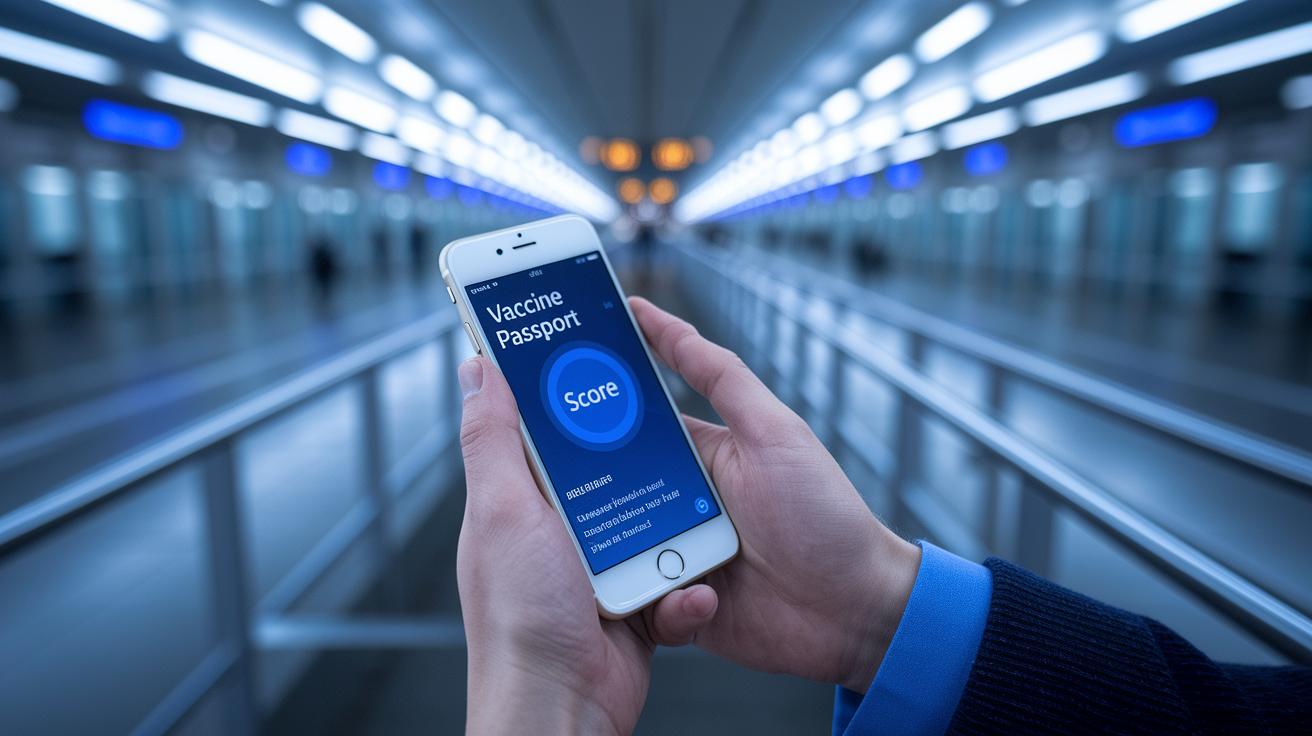
So, here’s a newsflash that might just change the way you travel: starting June 2025, WHO says you need digital proof of your COVID-19 vaccination (or a similar document) to enter over 90 countries. Picture this – when you step into busy terminals like Heathrow, JFK, or Changi, you might be asked to take a quick, on-the-spot test along with showing your travel documents. It almost feels like stepping into a digital future where over 90 countries now only accept digital vaccine proof!
And that's not all. In case of emergencies like wildfires, floods, or earthquakes, new protocols are streamlining how passengers get evacuated. In April 2025, IATA rolled out an easy-to-understand 5-point scoring tool that rates airport health-safety readiness. Imagine having a travel buddy give you a quick glance at an airport score, helping you decide if it's safe to pass through.
Compliance Tips for Navigating Travel Regulatory Updates

Staying on top of travel updates is a must when new rules come into play. It’s like knowing the secret route to avoid unexpected bumps on your journey. Keeping current helps you adjust your plans fast, whether it’s for smoother check-ins or quicker refund claims.
Here’s a friendly checklist for you:
- Subscribe to official government bulletins for real-time updates.
- Use government apps to keep your digital IDs and approvals handy.
- Hold onto both printed and digital versions of your travel documents.
- Check airline websites often for any carrier-specific changes.
- Maintain a simple checklist of current entry limits and health rules.
- Do a quick personal review of your documents before every trip.
Before you set off, double-check official sources like travel us news at myinstapalette.com?p=176 to be sure you're all set with the most up-to-date info.
Final Words
In the action, this post highlighted key shifts from stricter ID requirements to updated visa procedures, digital border checks, and fresh domestic transport rules. It also shared clear tips for complying with new health and safety mandates. Your travel regulatory update overview connects these changes with practical steps for smoother trips, ensuring that every new rule helps you stay ready for your next escape. The updates offer a useful guide to staying informed and making every travel plan feel effortless and well-prepared.
FAQ
What are the Federal Travel Regulations?
The Federal Travel Regulations define the rules for travel spending and reimbursements for government employees and contractors, setting clear guidelines to follow during work-related trips.
Where can I find a Federal Travel Regulations PDF?
The Federal Travel Regulations PDF is available on official government websites where you can download the document to review travel expense guidelines and compliance details.
How do the regulations apply to federal employee travel?
The Federal employee travel Regulations guide federal workers on allowable expenses, providing clear instructions to ensure that travel costs are managed consistently and fairly.
What are the GSA Federal Travel Regulations?
The GSA Federal Travel Regulations outline policies for government agency travel expenses, offering practical information for employees to follow and keep travel costs under control.
How do OPM travel regulations affect federal employees?
The OPM travel regulations impact federal employees by setting additional guidelines for travel benefits and expense reporting, ensuring fair treatment and reliable travel policies.
What is the Federal Travel Regulations 50 mile rule?
The Federal Travel Regulations 50 mile rule specifies the conditions for commuting distances, determining when additional travel expenses become liable based on the distance traveled.
How are the regulations applied for contractors?
Federal Travel Regulations for contractors establish the standards for expense claims and reimbursements, ensuring that contractors adhere to similar travel policies as federal employees.