

Ever thought you might get caught in a sudden storm mid-trip? Picture this: you’re off on a new adventure when unexpected weather makes you pause and rethink your route. Real-time weather alerts are like your trusty travel buddy, always ready with the latest updates.
They help you check current weather, flight statuses, and even airport-specific news quickly and easily, as if you had a magic map showing both clear skies and potential detours.
So, pack up your excitement and get set to explore travel updates that keep you ahead of any surprise weather.
Real-Time Weather-Related Travel Alerts and Updates
Our travel alerts page is set up like a neat map to help you spot what you need quickly. It breaks everything into current weather updates and specific news for airports in Lima (LIM), Atlanta (ATL), New York (JFK), Boston (BOS), and Brussels (BRU). Right now, there aren’t any weather alerts, so you can enjoy clear skies as you plan your journey.
This page also lets you check on your flight status, adjust your trip details, and review any other changes that might affect your plans. Sometimes, you might run into a simple note like, "Travel update ready for your confirmation code." It’s all designed to be easy to follow, just like getting tips from a friend who knows the best shortcuts.
- Check current weather advisory status
- Manage trip alert preferences
- Find trip by confirmation code
- Set up flight status notifications
Remember to double-check your flight status on your airline’s app or website now and then, you never know when a little update might pop up and change your plans.
Official Sources for Meteorological Travel Advisories

When unexpected weather catches you off guard, turning to trusted official channels can really ease your worries. These sources, like government agencies and familiar airline platforms, give you up-to-date, reliable info, especially for busy hubs like Lima (LIM), Atlanta (ATL), New York (JFK), Boston (BOS) and Brussels (BRU). I once had a flight delayed because of a sudden storm, and having those alerts made all the difference.
Next, check out the Delta SkyWatch initiative. It neatly sorts alerts into sections so you can find the latest weather updates, airport-specific notes, and regional notifications at a glance. This way, you feel more confident tweaking your travel plans when the weather takes a turn.
Here are some dependable sources to bookmark:
- NOAA National Weather Service
- National Hurricane Center
- Delta SkyWatch weather-alert page
- FAA Weather Camera Network
- TSA travel alerts dashboard
Using these sources together gives you a clear picture of the weather as it changes. Sometimes one source might highlight a rapidly shifting storm, while another provides detailed safety tips. Combining these insights means you’re fully informed for any travel adjustments you might need to make. Whether it’s a quick hop from city to city or a longer adventure, checking these advisories keeps you one step ahead of the weather.
Interpreting Severe Itinerary Updates and Alert Levels
When you’re mapping out a trip, it helps to know there are three basic weather alerts: Watch, Warning, and Advisory. Think of a Watch as a friendly note that conditions might get rough soon. A Warning means severe weather is nearly here and calls for quick changes. And an Advisory signals less intense hazards that you should still be careful about. It’s like a pal giving you a heads-up about possible delays or tweaks to your plans.
Take Hurricane Erin as an example. Forecasts suggest it could impact travel to and from Bermuda. When the early stirrings of the storm show up, a Watch may be issued so you can keep an eye on the latest updates. Then, if things heat up, a Warning will pop up, letting you know it’s time to reconsider your plans, maybe tweak your flight times or pick a new route. In other cases, an Advisory might be declared if there are scattered effects, nudging you to be a bit extra cautious without completely stopping your journey. Often, these updates also include extra passenger protection tips, offering safety measures and details on any additional travel document requirements. This way, you’re not left guessing and know exactly what steps to take next.
| Alert Level | Definition | Recommended Action |
|---|---|---|
| Watch | Early signs of potential conditions | Keep monitoring for updates |
| Warning | Severe weather imminent | Make immediate travel adjustments |
| Advisory | Less critical hazards | Proceed with caution |
By linking these travel alerts with extra safety tips, you get a full guide on what to do when nature takes a curve. It’s always smart to follow these updates closely so you’re well-prepared, whether that means tweaking your schedule or double-checking all your safety measures before you set off.
weather-related travel update alerts: Clear skies ahead
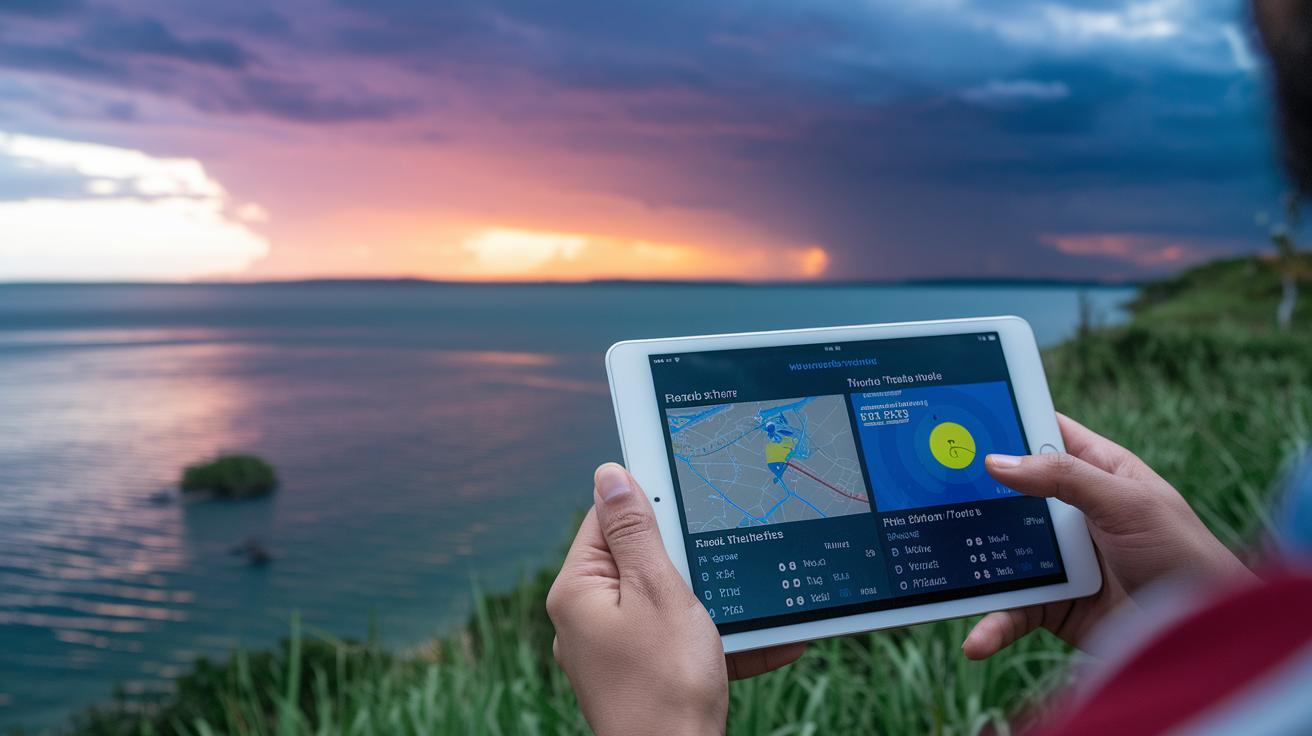
Imagine getting live weather news that fits right into your travel planner. Now, you can enjoy custom weather alerts that match your trip schedule. Whether you're flying or driving, you’ll know when a change in the weather is coming so you can keep on course without any extra hassle.
Personalized Alert Setup
- Pick your favorite weather-alert app or airline service.
- Connect your travel plans to the app.
- Set your own limits (like rain or a drop in temperature).
- Turn on push or email notifications.
Before you leave, take a quick look at your settings. This way, you'll be ready for any change and enjoy smooth travels ahead!
Utilizing Interactive Maps and Satellite Navigator Updates
Interactive maps are like a window into nature's mood, letting you see weather patterns as they unfold right before your eyes. Imagine watching live storm tracks, fresh rain forecasts, and quick snapshots of conditions around airports. It’s almost like getting a bird's-eye view of nature's surprises.
Airline apps, like Delta SkyWatch, mix satellite views with real-time flight details to show you the weather along your route. This clear, visual guide helps you plan your trip with confidence, even if a sudden change in the skies is on the horizon. It makes traveling simpler when you know what to expect, plus, you can easily spot any passenger alerts on the map.
- NOAA Weather Radar Viewer
- FlightAware Storm Tracker
- Airline-specific satellite-overlay features
Seeing these tools in action helps you connect the dots between weather alerts and your travel plans. By syncing map data with personalized weather updates on your phone or tablet, you get a full picture of what might impact your journey. Whether it's unexpected showers in one part of the sky or clear stretches elsewhere, these maps deliver the insights you need. And whether you're darting between airports or setting out on a scenic drive, staying informed feels both simple and reassuring.
weather-related travel update alerts: Clear skies ahead

Real-time alerts keep you informed about any flight delays or airport happenings. These updates arrive through airline apps or a simple SMS, so you never miss a beat. Imagine knowing right away if your flight is affected or if an airport's status changes.
For example, a quick note like, "Real-time alerts notify you when delays or cancellations happen at key stops," sums it up perfectly.
| Airport | Code | Current Status |
|---|---|---|
| Lima | LIM | On time |
| Atlanta | ATL | Delayed |
| New York | JFK | Operational |
| Boston | BOS | On alert |
| Brussels | BRU | Weather check |
Turn on your airline app's alerts or subscribe to SMS updates to get news as it unfolds. This way, you'll be ready for any changes at those major hubs, keeping your travel plans running smoothly.
Best Practices for Responding to Weather-Related Travel Update Alerts
When a weather alert pops up, being ready can set you at ease and keep you safe. It’s like planning an impromptu detour on a road trip, adjusting your route and checking your travel plans helps you stay one step ahead.
Whenever you get an update, take a moment to see what can be changed. Look for alternative routes or travel providers, and keep those essential items close, just like packing a little extra for unexpected stops.
- Look for other paths or carriers
- Call your airline or transport team
- Check local evacuation maps (easy-to-follow routes in case of emergencies)
- Review your travel insurance and waiver options
- Monitor the latest weather and map updates
- Pack important documents and supplies
- Follow any passenger protection guidelines
Next, consider this: if a storm is in sight, changing your route or picking a backup flight might just save the day. A quick call to your airline can reveal flexible options like slight delays or schedule shifts, helping you steer clear of rough weather.
Then, when there’s a chance of major events like hurricanes, it can be a good idea to review local evacuation routes. This little check gives you peace of mind and ensures your journey isn’t thrown off course.
Remember, keeping an eye on updated weather and map data is key as conditions change. Each small step you take not only protects your schedule but your well-being, too. And, don’t forget to follow the latest official travel guidelines, they’re like your trusty compass when weather challenges pop up.
Final Words
In the action, we saw how weather updates are organized into clear sections, from real-time alerts at major airports to personalized checklists for flight updates. The post breaks down official sources, explains alert definitions, and even shows interactive map tools for a quick visual snapshot.
We also learned key actions like checking current advisory status, managing trip preferences, and setting up flight notifications. These weather-related travel update alerts make planning smoother and help you keep your travel plans bright and safe. Enjoy your next trip!
FAQ
What do free weather related travel update alerts offer?
Free weather update alerts deliver timely travel information and real-time advisories that help you prepare for changes in weather conditions affecting your plans.
How do National Weather Service alerts on phone work and how can I sign up?
National Weather Service alerts on your phone provide real-time notifications through apps or texts. You can sign up via their website or through compatible mobile services for prompt updates.
What did today’s emergency and severe weather alerts indicate?
Today’s emergency and severe weather alerts provided critical updates on dangerous weather conditions, guiding local residents and travelers to take proper safety measures.
How do I get emergency weather alerts on my phone?
Emergency weather alerts on your phone are received by activating notifications in weather apps and through your mobile carrier’s alert service for immediate updates.
How can I check if weather will affect my flight and are flights cancelled due to bad weather?
Checking your flight status via your airline’s website and weather apps will show if weather affects your flight; severe weather can lead to flight cancellations for safety reasons.
Who sends out national weather alerts and where can I find travel alerts?
National weather alerts come from agencies like the National Weather Service and NOAA, while travel alerts are available through trusted platforms such as The Weather Channel, AccuWeather, Weather Underground, and WeatherBug.