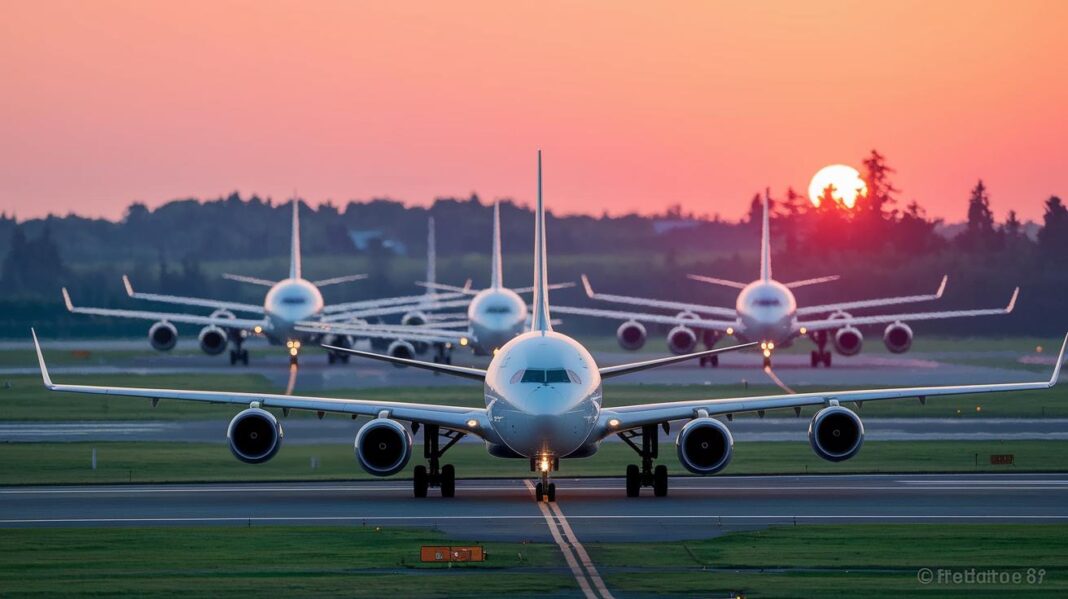

Ever noticed how air travel is bouncing back in a big way? Last quarter alone, 81 million UK travelers hit the skies, almost like the planes were calling out for adventure. Airlines are rethinking their flight plans with clever new routes (imagine shortcuts on a road trip) and spruced-up terminals that make boarding feel less like a chore and more like stepping into a welcoming lounge.
And then there’s the buzz around upgraded major hubs coupled with a surge of fresh transatlantic routes. It’s like discovering a hidden gem off the beaten path, you know there’s something special waiting just around the corner. With these changes in the mix, the future of flying feels as inviting as a spontaneous getaway.
Current Headlines in the Airline Industry Update
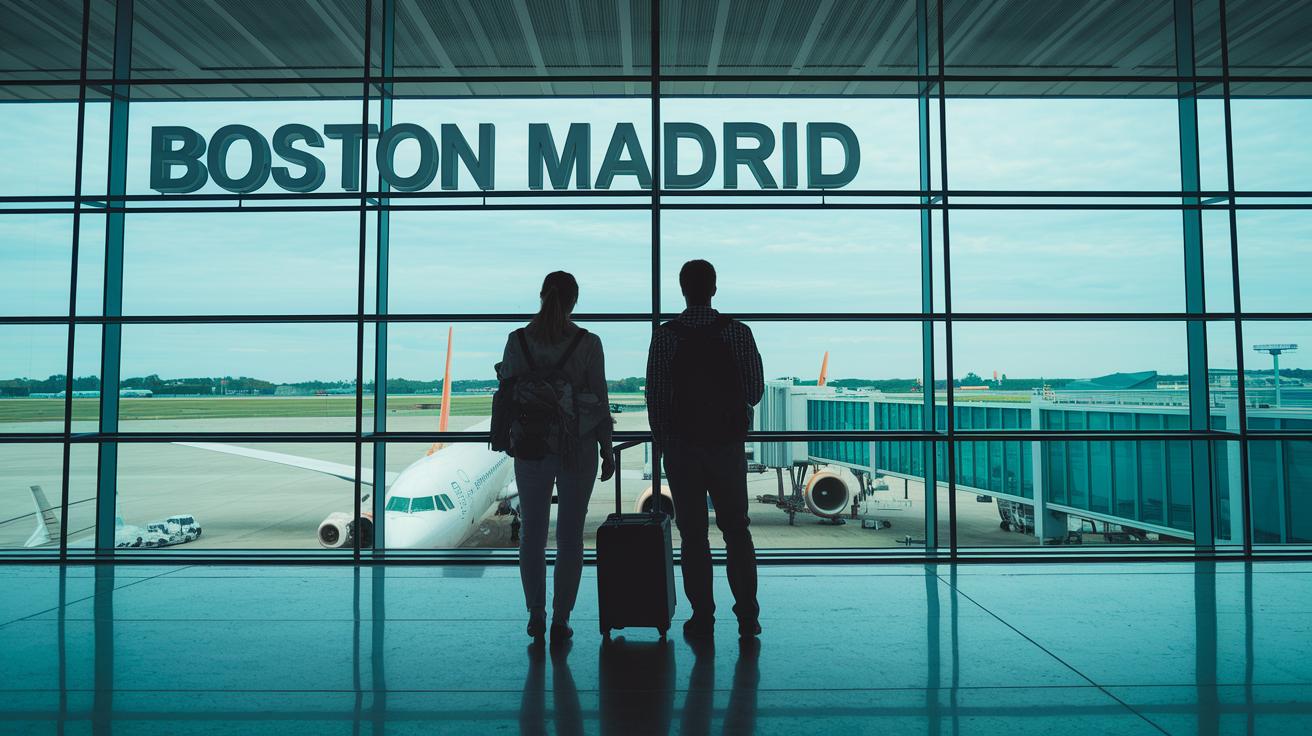
Air travel is making a cheerful comeback. The UK saw 81 million passengers in Q2 2025, and improvements at Heathrow and Gatwick have everyone feeling a bit more at ease about taking to the skies. It's like watching the tide lift every little boat, you can really sense the renewed trust in flying.
New routes and big projects are shaking up the air travel scene. Delta Air Lines will soon start two exciting transatlantic journeys in 2026, while Chicago O’Hare is getting a shiny new concourse worth USD 1.3 billion, set to open in 2028. Meanwhile, clever cabin designs and even some headline-making settlements are stirring up buzz worldwide.
| Highlight | Detail |
|---|---|
| Delta Transatlantic Routes (2026) | Connecting Boston with Madrid Barajas and Nice Côte d’Azur Airport |
| UK Passenger Booster | 81 million passengers in Q2 2025 with better flight punctuality |
| Chicago O’Hare Concourse | USD 1.3 billion project under construction, opening in 2028 |
| Delta Fuel-Dumping Settlement | USD 79 million settled over a 2020 incident affecting Los Angeles residents |
| Swiss Grand Suite | Introduction of the “First Grand Suite” merging two first-class cabins into a loft-style area |
These developments show just how vibrant the global air travel scene can be. With fresh routes and smarter infrastructure, airlines are getting ready to welcome more passengers than ever. It’s an exciting time for flyers and a promising step toward a stronger, more efficient future in air travel.
Route Network Evolution in the Airline Industry Update
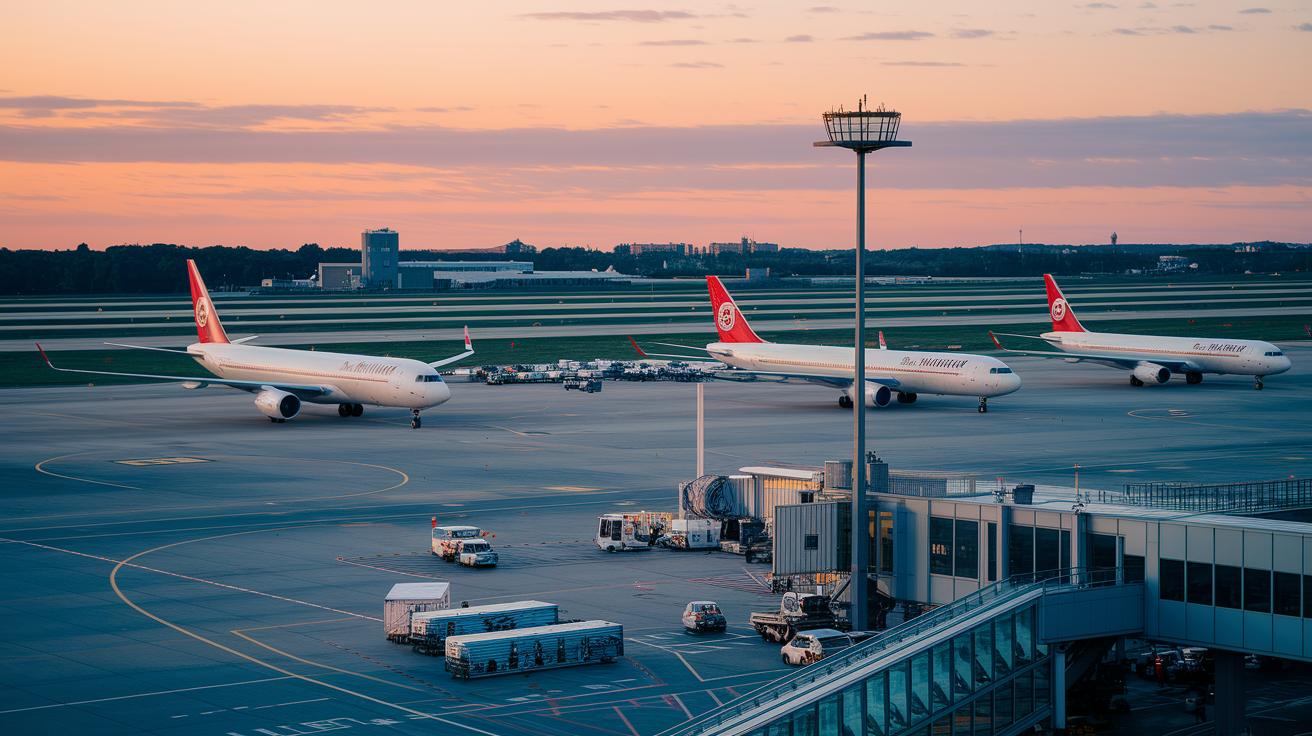
Airlines are reworking their flight plans to match the changing rhythm of travel and to boost profitability along their routes. Recent trends (like noticing a city’s evolving vibe) have pushed airlines to plan more direct links between major hubs. For example, Delta Air Lines is set to launch two new transatlantic flights, a move that shows their commitment to smoother, more efficient travel.
There's also a growing conversation about restarting some routes that were paused. Think of the New York JFK to Glasgow connection, which hasn't flown since 2019, it’s a sign that airlines believe in the old charm and steady demand of these popular paths. In truth, these tweaks find a balance between managing costs and tapping into the hidden desire for international adventures.
| Airline | Route | Launch/Resumption Year |
|---|---|---|
| Delta Air Lines | Boston Logan – Madrid Barajas / Nice Côte d’Azur | 2026 |
| Delta Air Lines | New York JFK – Glasgow | TBD (last in 2019) |
Overall, these fresh network adjustments highlight how airlines are staying agile and responsive to what travelers need, making every journey feel like a well-planned adventure.
Fleet Modernization and Technological Innovations for Airline Industry Update
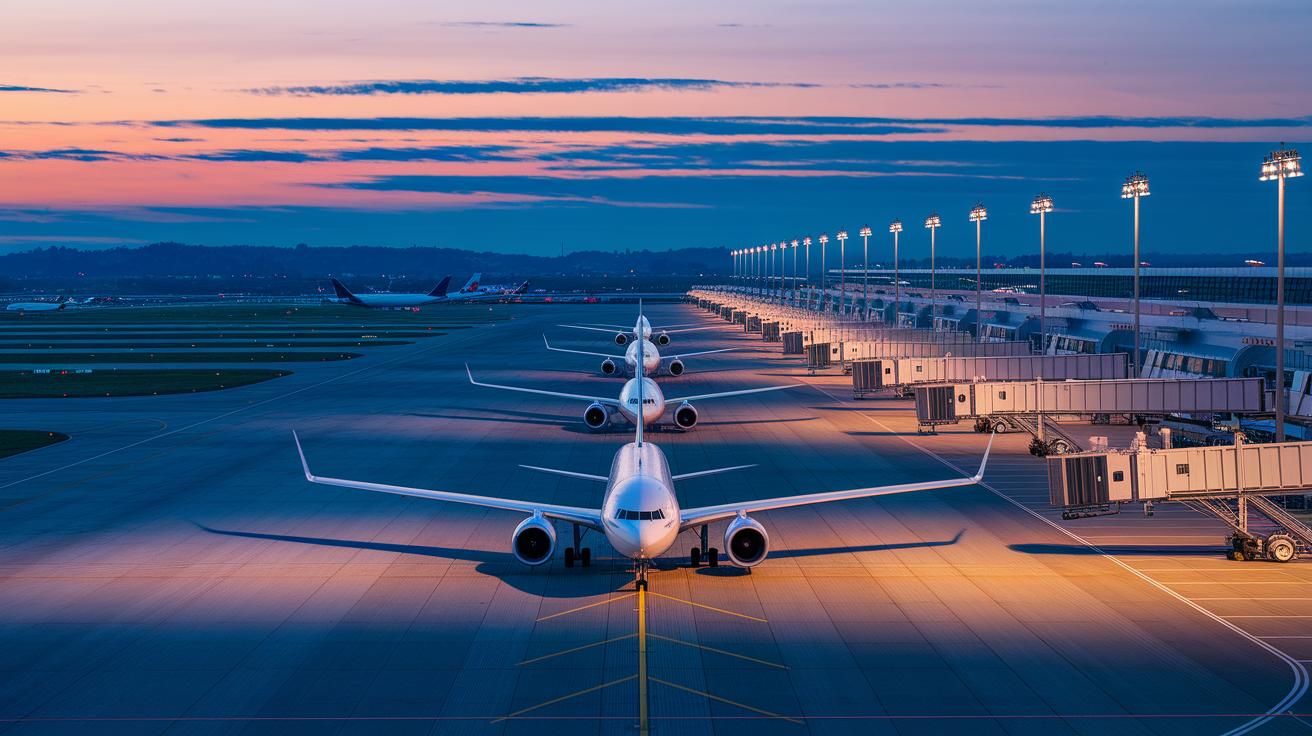
The Airbus A321XLR is making quite the impression with its ability to fly nearly 4,700 nautical miles nonstop. Imagine hopping on a flight from New York to Rome without ever needing to stop for fuel. It’s a real game changer, offering a peek into the future of fuel-efficient travel.
Ryanair added some new sparkle to its fleet in 2025 by welcoming 25 Boeing 737 MAX 8-200 jets. Think of it like stepping into a plane that not only fits more travelers but also trims down costs, a win-win for everyone. And then there’s ITA Airways, whose A330-200 kept soaring safely even after losing a right-side winglet. It just goes to show how strong and adaptable these retrofitted aircraft can be.
Airlines aren’t just upgrading their planes; they’re also turning to smart tech. They’re using AI-powered tools that provide real-time insights, almost like having a digital co-pilot at your side. These systems, along with flight-status APIs and cloud-based operations, help keep everything running smoothly and on schedule.
All these tech upgrades are more than just fancy gadgets, they’re essential for boosting capacity and controlling costs. By embracing modern jets and digital innovations, airlines can tweak seating arrangements, speed up turnaround times, and run operations more reliably. In truth, these changes make flying not only more efficient but also a lot more enjoyable for everyone on board.
Financial Performance and M&A Activity Impacting the Airline Industry Update

Turkish Airlines is taking a bold step by sealing a EUR 300 million deal for a 30% stake in Air Europa. This move opens up exciting new routes to Latin America, inviting travelers to enjoy everything from vibrant street markets to mouthwatering local cuisines. Imagine hopping on a flight that takes you straight to the heart of a colorful new world!
Spirit Airlines isn’t sitting still either. They’ve brought in trusted advisers to explore a fresh restructuring plan after their recent challenges. Their aim is to trim the fat and boost cash flow, much like streamlining your travel plans for a smoother journey. This change might spark a shift across the whole industry as carriers look for smarter, more cost-efficient ways to fly.
Both efforts clearly show how major airlines are reinventing their strategies. They're not just adjusting; they're setting the course for future trends, making air travel as exciting and dynamic as discovering a hidden gem in a bustling city.
Sustainability Measures and Regulatory Shifts in the Airline Industry Update
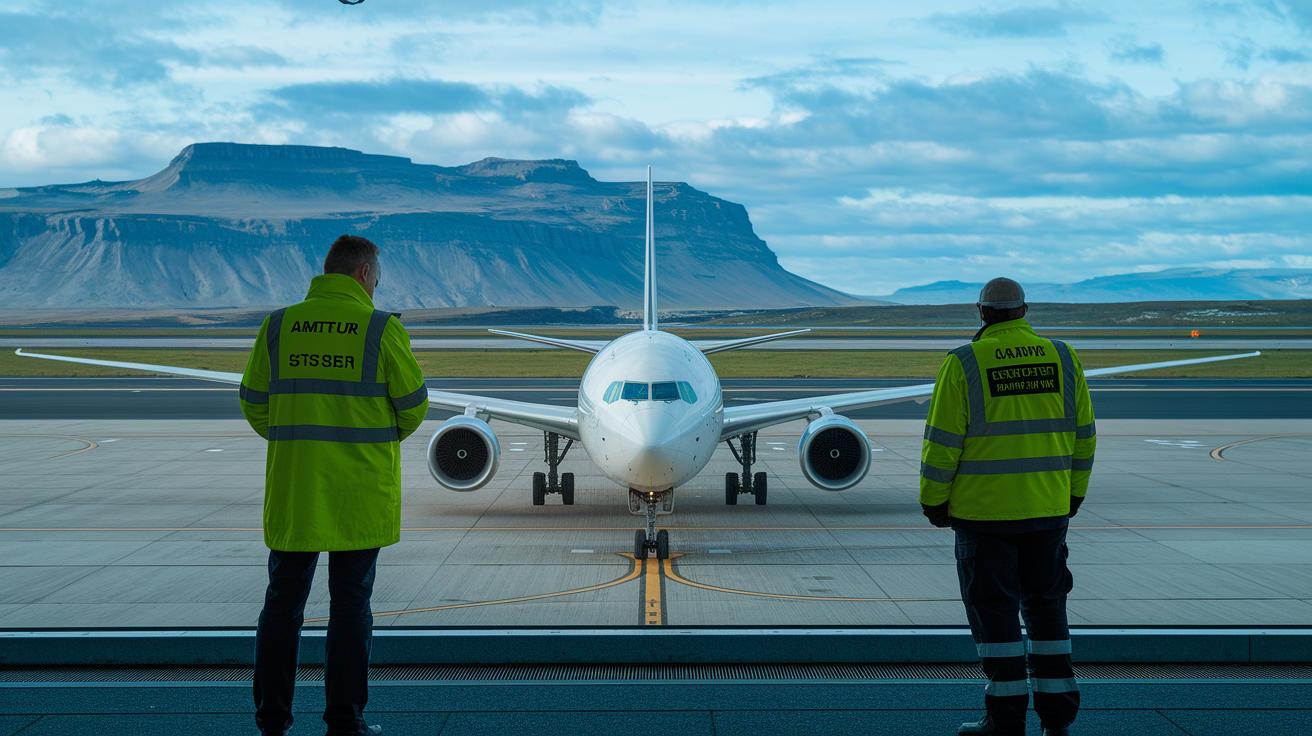
Regulators are tightening rules as air safety and environmental issues become more apparent. For example, Nuuk Airport in Greenland recently stopped international flights because Danish officials pulled the plug on their security screening, boosting both safety and public trust. And, airlines are feeling the heat too, with some caught using misleading call signs linked to ICE deportation charters, sparking calls for clearer oversight.
Next, authorities from different areas are drawing up stricter environmental reporting rules after high-profile deals shook up the industry. Carriers will soon need to provide detailed numbers on things like emissions and fuel use (basic measures to track performance), raising the bar for transparency.
In truth, these new standards are set to steer airlines toward greener practices. Carriers are investing in eco-friendly tech and upgrading airport facilities as they rework strategies to handle extra oversight. It’s a move that not only meets regulatory demands but also promises a brighter, more sustainable future for air travel.
Final Words
In the action, we saw key headlines lighting up the headlines, fresh route strategies taking shape, new aircraft tech limiting fuel use, financial moves reshaping investments, and timely steps toward greener practices.
Each section revealed how dynamic changes are steering the global scene. These insights into the airline industry update remind us that even in change, positive progress drives a more connected and efficient world ahead.
FAQ
Q: What is the current status of the airline industry today?
A: The airline industry today shows active updates with improved on-time performances, new route launches, and ongoing fleet upgrades across domestic and international markets.
Q: Is the airline industry expanding?
A: The airline industry is expanding through fresh route additions and modern fleet initiatives that boost capacity and support recovery, meeting growing traveler demand with increased efficiency.
Q: What is the issue with the airline industry?
A: The airline industry faces challenges such as regulatory pressures and occasional operational setbacks, including fuel-related incidents and security measures, even as it embraces modernization and route enhancements.
Q: Which four airlines control 80% of the market?
A: Major US carriers—commonly recognized as Delta, American, United, and Southwest Airlines—collectively control about 80% of the market with extensive domestic and international networks driving their dominant share.
Q: What is going on with airlines today in the USA and globally?
A: Airlines today are adjusting operations with improved scheduling at major hubs, launching new premium services, and expanding transatlantic and international routes to meet rising demand.