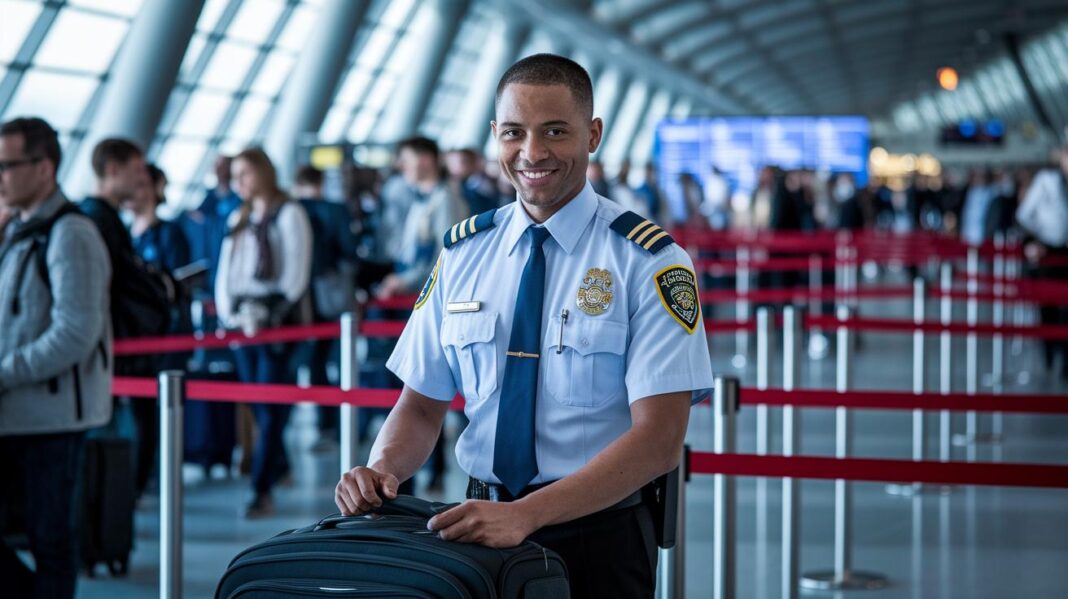

Ever thought airport security might be easier? New changes, like adjusting liquid limits and letting you keep your shoes on, are making travel feel as refreshing as a cool breeze. More than 200 airports now use smart CT scanners (quick, modern devices that speed up checks) while keeping safety first.
Imagine a check-in that's quick and stress-free, like a smooth ride on a sunny day. These updates are giving travelers a taste of easier journeys and turning what used to be an anxious wait into a calming moment before the adventure begins.
Overview of the Latest Airport Security Update Trends
Airports and security teams are mixing things up to make travel lighter and friendlier. They’re rethinking old rules, like that old 3.4-ounce liquid limit (a rule that’s been around since 9/11 and is often a travel pain), and might even let you keep your shoes on during screening. Imagine skipping that extra step on those busy travel mornings!
More than 200 airports are now using cool CT scanners that create 3D images. These machines help spot hidden bits in liquids and even check your shoes in a flash, kind of like a secret travel buddy that keeps things safe. A government insider mentioned these changes at a recent summit on Capitol Hill, hinting at even more updates that could soon make your travel day smoother.
Here are the main highlights:
- Liquid restrictions under review
- New rules letting you keep your shoes on
- CT scanners with 3D imaging now in use
- A clear timeline and defined roles for upcoming policy changes
These updates show a real move toward making travel easier and safer. It’s like the industry is gearing up for a smarter, quicker security check, so you can get back to enjoying your journey.
Innovations in Modern Screening Protocols at Airports
Airports are stepping up their security game with the latest tech. They’re now using advanced X-ray systems and CT scanners that create super-detailed 3D images. Imagine a pilot carefully ticking off a checklist in real time, every detail is noted to make sure nothing slips by.
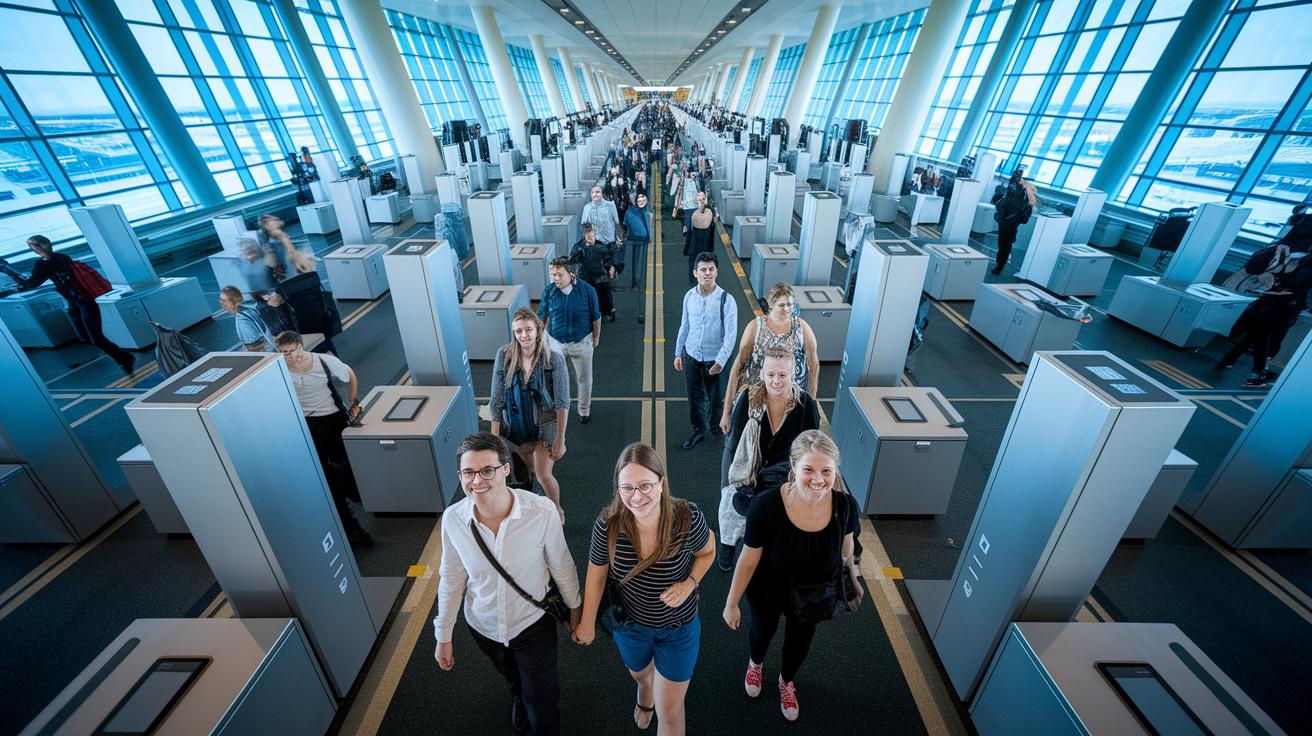
Robots and smart automation are also in the mix, lending a helping hand with baggage handling. Automated check-in kiosks and robotic assistants work alongside security staff, speeding up luggage sorting and threat checks. This clever upgrade cuts down on long waits and minimizes mistakes, making travel a bit smoother for everyone.
On top of that, networks built on IoT and private wireless systems are changing the screening scene even more. With real-time data crunching, any potential threat is caught fast. And immersive AR and VR tools provide hands-on training for operators, giving them instant feedback to sharpen their skills. All of these innovations work together to set a new, efficient standard for airport security.
Biometric Checkpoint Advancements in Airport Security
At a recent Digital Identity & Biometrics Symposium at FTE Global 2024, some exciting updates were shared about airport security. Miami International Airport, British Airways, and TSA are now testing biometric e-gates along with fingerprint and iris scanners. They make checking in easier and friendlier, a huge win for anyone on the go.
Digital passport scanning and automated identity checks are also joining the mix. These systems quickly match your travel documents and personal details, which cuts down on wait times and makes the whole process smooth. It feels like a breath of fresh air when you breeze through security.
| Technology | Function | Deployment Status |
|---|---|---|
| Facial recognition | Identifies travelers via facial features | Widely implemented |
| Fingerprint scanners | Verifies identity using fingerprints | In active rollout |
| Iris scanners | Checks identity through iris patterns | Emerging in key hubs |
These biometric tools really speed up the process. Passengers now move through checkpoints with fewer delays because the systems confirm identities almost instantly. This gives security teams more time to focus on potential issues while the automated systems handle the everyday checks. It's a win-win, making travel faster and more secure.
airport security update trends: Optimism for secure travel
Airlines are now leaning on clever AI tools to spot little surprises sooner, meaning airport checks are getting quicker and safer. At the 2024 FTE AI Symposium, tech enthusiasts shared how creative AI and solid data crunching team up to highlight odd patterns in X-ray and CT images. These smart systems comb through every bit of data, catching hidden details that might fly under a human’s radar. They swiftly scan large piles of information, flagging potential issues right away so that fewer manual checks are needed. Plus, they use predictive analytics (fancy tools that forecast risks) to assign on-the-spot risk scores to passengers, making the whole process smoother and secure.
Machine Learning Models in Threat Detection
Imagine two sides of a coin. On one side, supervised models learn from past pictures of banned items, so they know exactly what to watch for. On the other side, unsupervised models dive into fresh data, learning patterns by themselves and spotting surprises the system wasn’t even prepped for. This mix makes real-time risk scoring much more reliable by automating decisions that once depended only on human watchfulness. Now, security teams receive helpful insights not just when something seems off, but also on new trends emerging every day, keeping them one step ahead in the exciting world of airport security.
Passenger Flow Optimization and Contactless Boarding Procedures
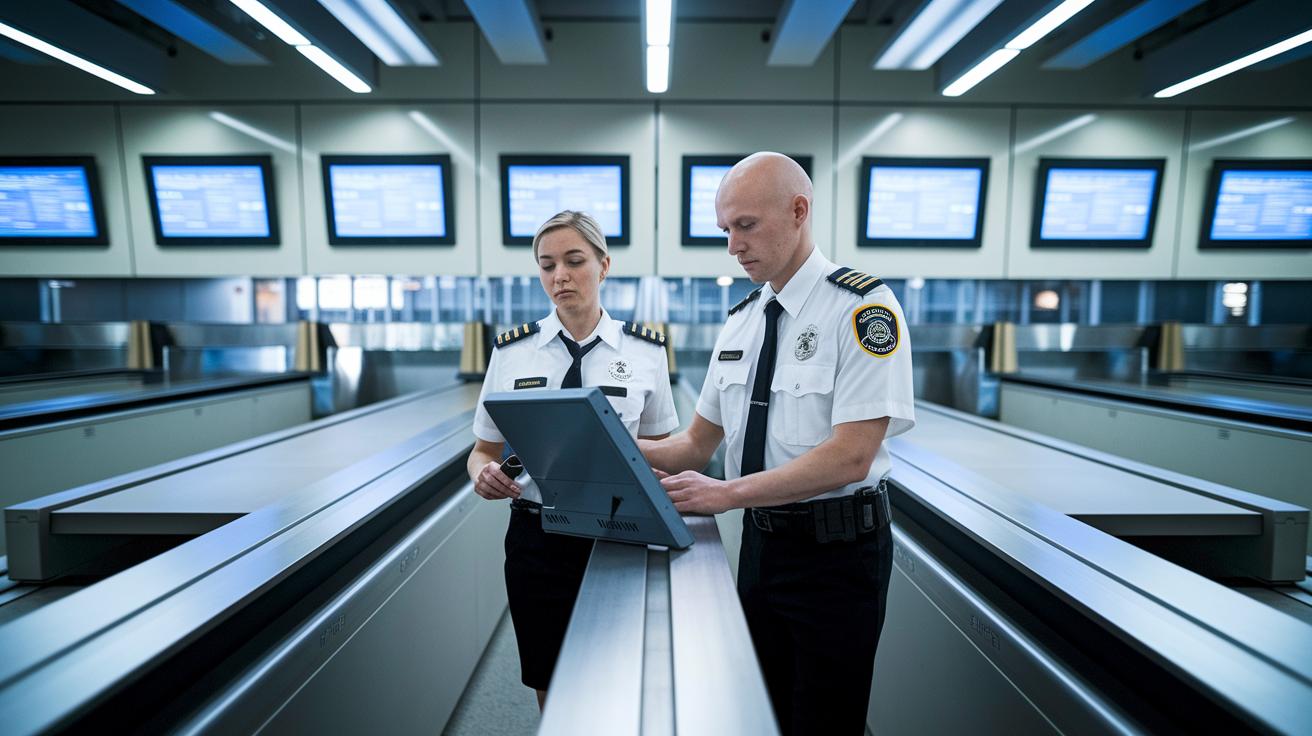
Passengers now breeze through security with a process that feels like a mini adventure. New contactless systems paired with smart checkpoint designs mean you board faster and wait less. It’s as if every step of your journey is guided by a friendly insider tip.
AI helpers, like Delta Concierge, lend a hand by using local data (think of it as an onboard friend) to steer you through the boarding process. And with speedy private wireless networks and smart sensor arrays, everything falls into place without a hitch.
These tech gems include:
| Innovation |
|---|
| Biometric e-gates |
| Mobile passes |
| RFID boarding |
| Facial recognition lanes |
| Smart gate kiosks |
Together, these innovations ease the usual bottlenecks at security. Every new tech upgrade sharpens access controls and speeds up boarding, making travel hassle-free and ready for your next adventure.
Cybersecurity and Data Protection Protocols in Airport Security
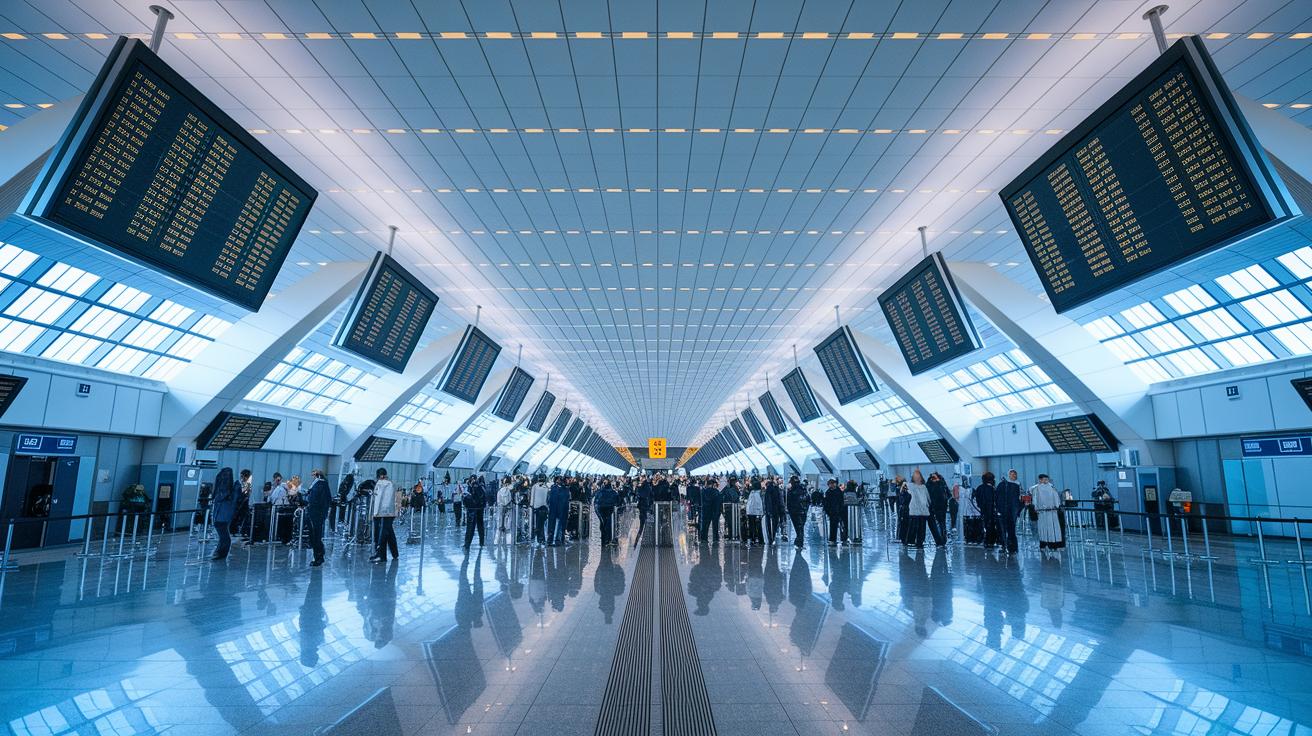
Imagine stepping into a world where every wireless connection is safeguarded like the secret tip of a local guide. Airlines are now keeping a close watch over their smart gadgets (those handy IoT sensors) to ensure that real-time data flows are as secure as a well-planned travel route. Upgraded wireless systems and solid protocols are on duty, protecting everything from sensor details to biometric scans, making sure even the busiest terminals remain safe.
Next, think of robust encryption and nimble edge computing as the travel partners ensuring every bit of data is handled swiftly and securely. Modern cloud platforms, like trusty maps for your journey, apply encryption to humongous amounts of sensor and biometric data as it happens. These digital setups mix tight security with practical safety measures, so you can feel as safe as if your personal info were tucked away in your favorite travel journal.
Airports have also turned a keen eye to biometric data privacy by keeping constant vigil. With round-the-clock surveillance and remote monitoring, every security event is captured and checked like a careful itinerary review. Experts agree that such privacy measures build trust, letting airport teams concentrate on creating a friendly, secure travel experience for everyone.
Global Regulatory Updates and Policy Modernization Strategies
Airports are shaking up old security rules to keep up with today’s pace. At a recent TSA Hill Summit, officials shared plans to revisit the 3.4-ounce liquid rule, a sign that outdated policies are finally getting a makeover. They’re aiming for faster, smoother checks without cutting corners on safety, and it feels like a breath of fresh air for travelers.
Big industry events are playing a key role in these changes. Next, take a look at the upcoming gatherings in a handy overview:
| Event | Date | Location |
|---|---|---|
| Inter airport Europe | October 7–9, 2025 | Munich |
| Inter airport South East Asia | March 23, 2027 | Singapore |
| FTE Global/APEX | September 9–11, 2025 | Long Beach |
These events will host hands-on workshops and lively discussions where experts share real-world data and compliance stories. It’s all about blending direct feedback with emerging tech to keep regulations relevant and responsive.
Looking forward, trend analysis shows we’re heading toward digital rulemaking and tighter teamwork among stakeholders. Future frameworks are expected to feature ongoing monitoring and open reporting, helping policy makers quickly adapt to new challenges. In truth, as leaders gather and exchange ideas, it’s clear that simpler, more transparent security checks are on the horizon, just what travelers have been waiting for.
Final Words
In the action, we explored the latest airport security update trends as seen through key tech rollouts, policy shifts, and biometric checkpoints. From refined liquid rules and CT imaging to AI-driven risk scoring, these enhancements transform the security process. Each update paints a clear picture, from contactless boarding to strong data protection measures, that makes air travel feel more secure and efficient. Embrace these insights, and look ahead to smoother travels filled with promise.
FAQ
What is the current airport security technology?
The current airport security technology features advanced CT scanning that produces detailed 3D images, automated baggage systems, and smart biometric solutions, all working together to boost threat detection and screening speed.
What do TSA travel numbers today indicate?
The TSA travel numbers today highlight improved checkpoint throughput and efficient processing, thanks to modern screening protocols and smart technology enhancements across airports.
What are the TSA checkpoint numbers by airport?
The TSA checkpoint numbers by airport show different throughputs influenced by technology upgrades like CT scanners and contactless boarding processes, ensuring smoother and faster security checks.
What do U.S. airport passenger statistics reveal?
The U.S. airport passenger statistics reveal evolving travel trends with faster check-ins and improved processing rates, as modern screening protocols and biometric checks reduce wait times.
How does TSA PreCheck impact security screening?
TSA PreCheck streamlines the security process by using designated lanes and simplified screening, allowing approved travelers to experience shorter wait times and a quicker check-in process.
What does TSA throughput data show?
TSA throughput data shows increased screening efficiency due to integrated modern technologies and updated processes that keep passenger flow smoother without sacrificing security.
What are the changes to airport security?
The changes to airport security include revised liquid restrictions, the option to keep shoes on during checks, and broader implementation of 3D CT scanners alongside other tech improvements.
What is the 3-3-3 rule at the airport?
The 3-3-3 rule at the airport refers to guidelines regulating the amount of liquids passengers can carry, though reviews are ongoing and limits may be adjusted to balance safety with convenience.
What are the new TSA changes?
The new TSA changes involve updates like reviewing the liquid rule, allowing shoe-on screenings, expanding CT scanner use, and integrating innovative tech for more efficient threat detection.
Are fewer people flying in 2025?
The prediction of fewer people flying in 2025 comes from shifting travel trends and policy updates, though overall demand remains strong as airlines adapt to enhanced security measures.