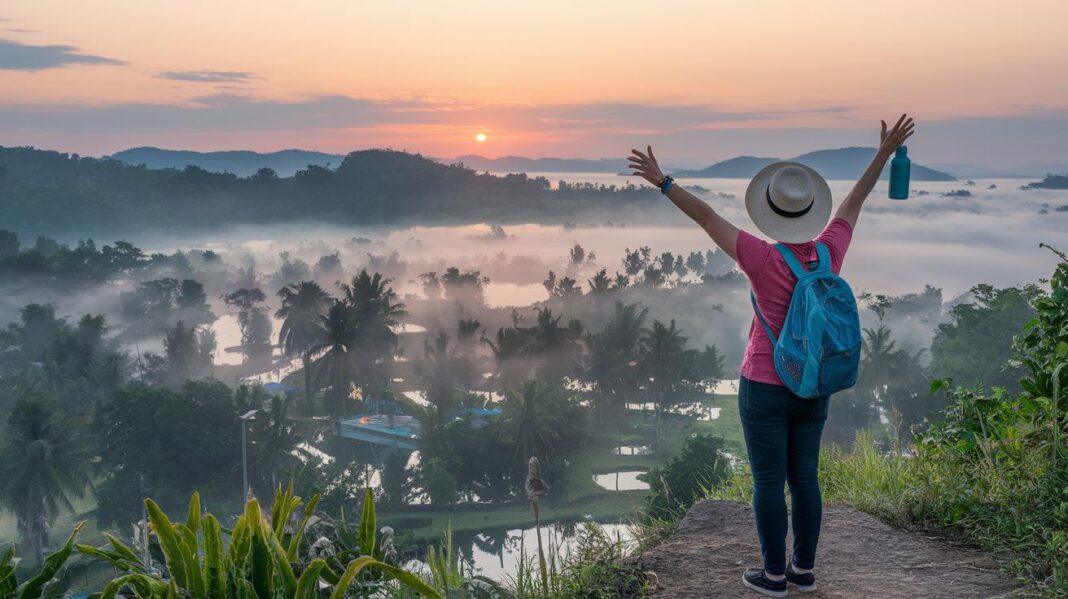

Ever wondered if your camera could give back to nature? Imagine standing at the edge of a quiet field, capturing the gentle glow of sunset as local wildlife wanders by, all while knowing your click is helping protect these wild spots.
This guide is like a friendly chat over coffee, sharing little secrets of mixing art with care. You’ll get tips on using reusable gear (tools you can use again and again) and learning the best moments to take your shot.
Every snap you take becomes a small nod to a greener future, a way to show Mother Nature some love as you explore her hidden treasures.
Sustainable Travel Photography: Destination Guide Essentials
Sustainable travel photography is all about snapping breathtaking photos without hurting nature. It mixes creative shooting with eco-friendly habits (the kind that protect fragile ecosystems), giving you a friendly guide on how to capture nature's wonders while respecting local cultures.
When you're out exploring, focus on destinations in a way that supports conservation. You can capture low-impact, visual stories that match the spirit of ecotourism and help keep our natural treasures safe for future trips. For example, pack a reusable cleaning cloth for your lens to cut down on waste; little choices like this really count. And try scheduling your photo sessions during times when animals are most active, like early mornings, to avoid disturbing their natural routines.
By mixing art with responsibility, you can explore with an eco-aware mindset. Every photo you take is more than just an image; it's a story of nature and a nod to ethical travel. In truth, each snapshot encourages others to care for the world we share and helps protect nature's beauty, one memorable shot at a time.
Top Eco-Friendly Photography Destinations for Low-Impact Travel
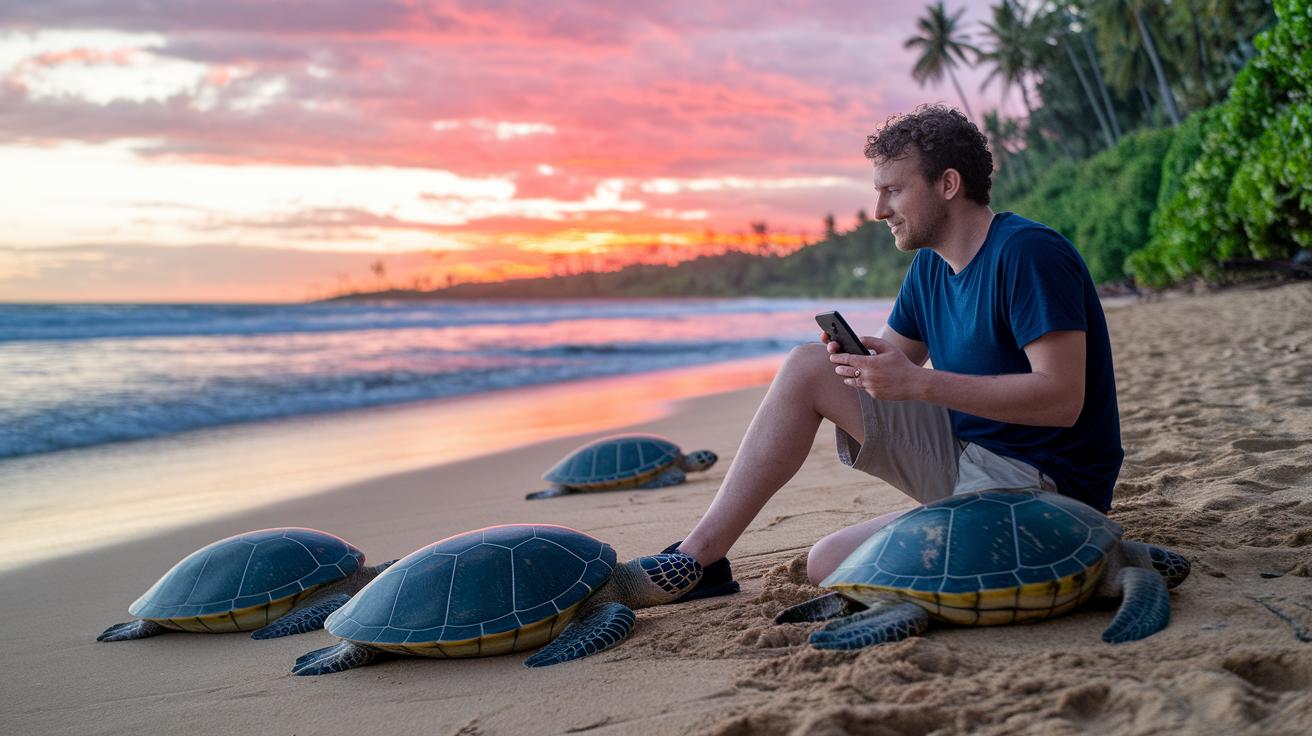
Costa Rica is a photographer’s green wonderland. Imagine exploring a land where the sun casts a golden glow over volcanoes you can safely admire from afar and where turtles come ashore to lay their eggs on sandy beaches in Tamarindo from October to April. With nearly untouched forests and most of its electricity powered by renewables, every click tells a story of nature in perfect balance.
Over in the Galápagos Islands, nature paints its own vibrant picture. Picture yourself snorkeling with friendly sea lions, drifting past colorful coral reefs, and gently capturing giant tortoises in their natural habitat. Every snapshot here speaks of conservation and the magic of living lightly on the earth.
Kenya’s Masai Mara is another spot where every moment feels alive. The annual wildebeest migration across vast plains creates an unforgettable scene, and meeting the local community adds a personal touch to your adventure. It’s a place where every photo feels like part of a big, heartfelt story about wildlife and the importance of keeping it all safe.
In the Nepal Himalayas, the rugged charm of high mountains meets eco-friendly lodging that cares for the land. As you trek through crisp, alpine air, breathtaking vistas unfold before your eyes. Your camera not only captures the raw beauty of these landscapes but also supports sustainable travel practices that protect this natural wonder.
The Seychelles round out this list with their mesmerizing blend of marine beauty and environmental care. Here, coral restoration projects and efforts to monitor sea turtles provide a unique backdrop. Every shot you take is a quiet tribute to the delicate balance of island life, where care and conservation come naturally.
If you’re looking for more tips on how to voyage responsibly while snapping memorable images, check out some insider advice on sustainable travel. Each click of your camera becomes a loving nod to our beautiful planet.
Responsible Imaging Practices and Sustainable Site Stewardship
When you're out exploring, choosing the right gear is like preparing for a mini adventure. Use weatherproof cameras, lenses, tripods, and protective cases so that a sudden downpour or dusty trail won’t catch you off guard. Imagine capturing a breathtaking sunset while rain starts falling, all thanks to a trusty, weather-sealed camera. Many photographers even swap or sell used equipment, which helps cut down on electronic waste while being kind to your budget and the planet.
Before you set out, take a little time to study the local plants and animals, like checking a travel guide for a hidden gem. Knowing when and how wildlife behaves helps you capture real moments without disturbing nature. Keep a safe distance and skip any baiting tricks that lure animals in too close. And remember, sticking to marked trails and respecting nature’s boundaries isn’t just courteous, it also prevents soil erosion and protects delicate plants.
Here are some simple tips to keep your photography eco-friendly:
| Tip | Why It Matters |
|---|---|
| Use rechargeable batteries | They help reduce disposable waste. |
| Turn off geotagging on your photos | This protects sensitive sites from too much attention. |
| Assess fragile ecosystems before shooting | Ensures you don’t disturb the natural balance. |
Switching to rechargeable batteries is a small change that makes a big difference. And if you find yourself trading or upgrading gear, taking your time not only saves money but also means fewer gadgets end up as waste. Remember, responsible imaging isn’t just about what you see on screen, it’s also about every careful, thoughtful step you take behind the lens. Each decision, from your gear choices to trail etiquette, adds up to a respectful and low-impact way to embrace the beauty of our world.
Sustainable Gear and Responsible Imaging Practices
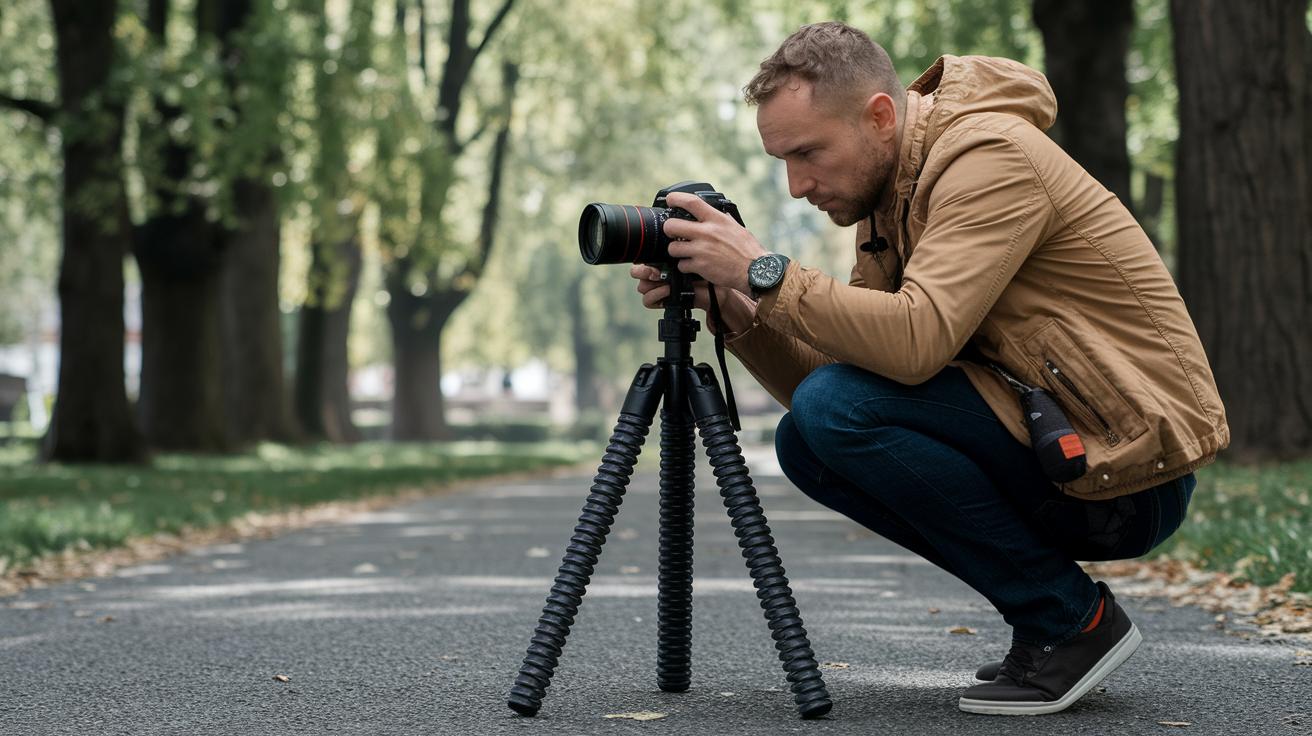
Bringing eco-friendly gear is a game changer for low-impact photography and protecting the sites you visit. Using camera bodies built to handle weather and trusty lenses means you won’t have to replace your gear as often. Think of them like a reliable umbrella on a rainy day, they keep you and your equipment safe.
Choosing a lightweight carbon-fiber tripod not only makes your bag easier to carry but also lowers your travel emissions. And when you use reusable cases with rechargeable batteries, you're cutting down on single-use waste. Rechargeable batteries, for example, let you snap photos all day without constantly swapping parts.
| Gear Type | Sustainable Feature | Use Case |
|---|---|---|
| Weather-Sealed Camera Bodies | Built tough for all weather | Ideal for sudden rain or humidity |
| Reliable Zoom & Prime Lenses | Quality optics that last longer | Perfect for capturing diverse scenes |
| Lightweight Carbon-Fiber Tripods | Less weight and lower emissions | Great for extended outdoor shoots |
| Reusable Cases & Rechargeable Batteries | Minimizes single-use waste | Supports long sessions without frequent changes |
Community-Centric Photo Expeditions and Conservation Storytelling
Work with local communities to capture stories that celebrate nature and smart living. Think of your camera as a helpful guide in showcasing projects that care for our planet. Picture snapping photos of sunny community centers with solar panels or vibrant urban spots where bike lanes and parks make life greener and brighter.
Team up with local guides and feel the heartbeat of each neighborhood. Imagine joining a relaxed photo trip where you discover reforestation projects, wildlife care efforts, or clean-energy adventures. Every picture becomes a lively tale that mixes nature, local pride, and a love for a healthier world.
Here are a few ideas for your next community shoot:
- Join local conservation workshops.
- Visit community events that highlight eco-friendly habits.
- Photograph cultural spots where heritage meets smart, sustainable design.
For more on deep community connections, check out local secrets for authentic cultural experiences and explore fun ways to blend travel with caring for our Earth.
Ethical Image Composition and Post-Processing for Sustainable Visual Narratives

When you're out exploring, capturing ethical images means being truly respectful. Frame your shots so that every moment feels natural and honors the people, cultures, and wildlife you encounter. Let nature do the talking in your photos, skip the over-the-top staging and misrepresentation. In editing, stick to gentle touches like adjusting colors just enough and lowering digital noise to keep things real.
Think of each tweak during post-processing as a part of your creative travel diary. Rely on natural light and small color adjustments rather than heavy filters that change the scene too much. This approach helps your photos stay honest, showing off the genuine beauty of landscapes and communities while keeping a mindful, low-impact vibe.
Keep your images a true reflection of nature's enduring spirit. Every picture you take is a little story of the world as it is, inviting others to see and appreciate it without any extra polish.
Final Words
In the action, this blog post mixed practical green techniques with smart photography tips to show how sustainable practices help protect delicate environments. The guide highlighted essential gear choices, next-level conservation insights, and easy tips for capturing natural beauty without harm. It’s all about keeping your travels and photos low-impact yet full of spark. Let this destination guide to sustainable travel photography inspire your next outing and remind you that every mindful shot helps preserve nature for tomorrow.
FAQ
What is an eco friendly travel guide and sustainable tourism?
An eco friendly travel guide advises ways to travel that protect the environment. Sustainable tourism focuses on preserving nature and local culture while providing enriching experiences for travelers.
What are the ways to be a sustainable tourist and how can tourism be made more sustainable?
Being a sustainable tourist means choosing low-impact lodging, using eco friendly transport, reducing waste, and supporting community businesses. These practices help lower travel’s environmental impact while fostering local pride.
What is the Sustainable Travel Alliance?
The Sustainable Travel Alliance is a network that promotes environmentally conscious travel practices and supports programs that protect natural areas and respect local traditions via community partnership.
What does sustainable travel research involve?
Sustainable travel research studies methods to reduce environmental impacts, evaluate low-impact travel options, and share practical insights to help travelers make decisions that benefit both nature and local communities.
What is the most eco friendly way to travel and how can I fly sustainably?
The most eco friendly travel practices lie in reducing carbon emissions. This means choosing direct flights, offsetting emissions, and using green ground options while packing light to minimize fuel use.
How can beginners travel better with sustainable tips?
A beginner’s guide to sustainable travel suggests starting with local, low-impact trips, picking eco certified accommodations, and supporting community initiatives to gradually lower your travel footprint.
Which app is most helpful for planning travel photography?
The top app for planning travel photography helps you find top shooting spots, manage your itinerary, and offers real‐time insights so you can capture the best images without missing key light or location details.
Does travel photography pay well?
Travel photography can earn good income through licensing, commissions, and marketing a unique portfolio, though success depends on skills, networking, and the ability to capture compelling, marketable images.
What are the three types of sustainable travel?
The three types include eco conscious travel that minimizes environmental impact, socially responsible travel that benefits local communities, and conservation focused travel that supports protecting natural habitats.