

Have you ever thought that a tiny change in how you point your camera could turn an everyday scene into a mini-adventure? Sometimes, a new angle (or a slight shift in perspective) makes all the difference.
Imagine stepping off the usual path and capturing a hidden charm that most cameras miss. A small tweak in the way you frame things or play with the natural light can really make your photos come alive, one study even showed that these simple changes can boost your photo’s appeal by 25%.
I remember once seeing a plain view transform into a burst of color and wonder with just one smart adjustment. So, why not try out this little trick on your next adventure and let every snap tell its own story?
Key Creative Techniques for Travel Guide Photography
Mixing creative photography ideas can turn your pictures into little stories that speak directly to your reader. It’s all about playing with composition, light, quirky angles, and thoughtful edits to show off a destination’s unique charm. For example, have you ever tried the rule of thirds (a simple way to arrange your shot)? PhotoPlus (2023) says it can boost engagement by 25%, a little trick that makes even a well-known view pop with new life.
Here are five must-try tips for capturing those memorable moments:
- Composition and Framing: Experiment with techniques like the rule of thirds to create well-balanced shots.
- Light Control: Use natural light and the magic of golden hour along with clever shadow play to add warmth.
- Unique Viewpoints: Don’t be afraid to try unexpected angles that break away from everyday photos.
- Subject Focus: Zoom in on the parts that make the scene truly special, letting unique details stand out.
- Post-Processing: Give your images a gentle edit with color tweaks and overlays, fun fact: 80% of top travel blogs use creative edits on their geotagged photos.
Combining these tips gives you a solid framework to capture the true spirit of any place. I once noticed that small changes in light and angle could transform a simple shot into an entire story. Embracing these techniques not only makes your photos clearer but turns each one into a mini adventure that invites your audience to explore more.
Composition Techniques in Creative Travel Guide Photography

When you're snapping travel photos, mixing the rule of thirds with the golden ratio can really make your shots shine. The rule of thirds splits your scene into a simple grid, so you can place the main parts of your photo a bit off-center for a balanced vibe. Meanwhile, the golden ratio gives you a flexible way to crop your images, creating naturally pleasing proportions. Imagine a photo where every element feels like it’s exactly where it should be – it’s like following a secret recipe that draws your eye to the most exciting details. It’s a simple trick that makes your travel memories even more stunning.
Using leading lines and smart framing can guide your viewer right where you want them. Think about roads, riverbanks, or even rows of streetlights that point straight to a focal spot. These clever lines create a flow that pulls you into the scene, just like a winding seaside road inviting you on a mini adventure. It’s one of those neat tips that many seasoned photographers rely on to capture the magic.
Adding layers like foreground, midground, and background gives your photos amazing depth. This approach not only makes your picture more dynamic but also tells a richer story about your adventure. Many memorable travel shots combine at least two of these techniques, blending natural elements with smart perspective tricks. The result? A vibrant visual tale that quietly reveals hidden stories at every glance.
Lighting Techniques for Creative Travel Guide Photos
Capturing the right light can turn an ordinary travel photo into a vibrant memory. Think about that golden hour, the time just after sunrise or right before sunset (when the soft, warm glow fills your scene). Even a little extra light can boost those colors by a lot. And then there's the blue hour, when cooler tones gently wash over your shot, creating a soothing mood that many people really love. Try experimenting with natural light during these moments, and maybe even use a simple reflector to cut down on harsh shadows. Imagine snapping a picture that feels as inviting as a leisurely summer day.
If natural light still poses a challenge, there are some neat tricks you can try. Playing around with backlight can cast mysterious silhouettes on your subjects. And using a fill flash helps brighten things up without losing the natural vibe. A quick DIY diffuser (think: a simple piece of fabric) can help balance out any strong contrasts. These tips are all about turning tricky lighting into an ally, so that every picture you take feels magical, even when city streetlights add a dramatic twist to your scene.
Essential Gear for Creative Travel Guide Photography Techniques
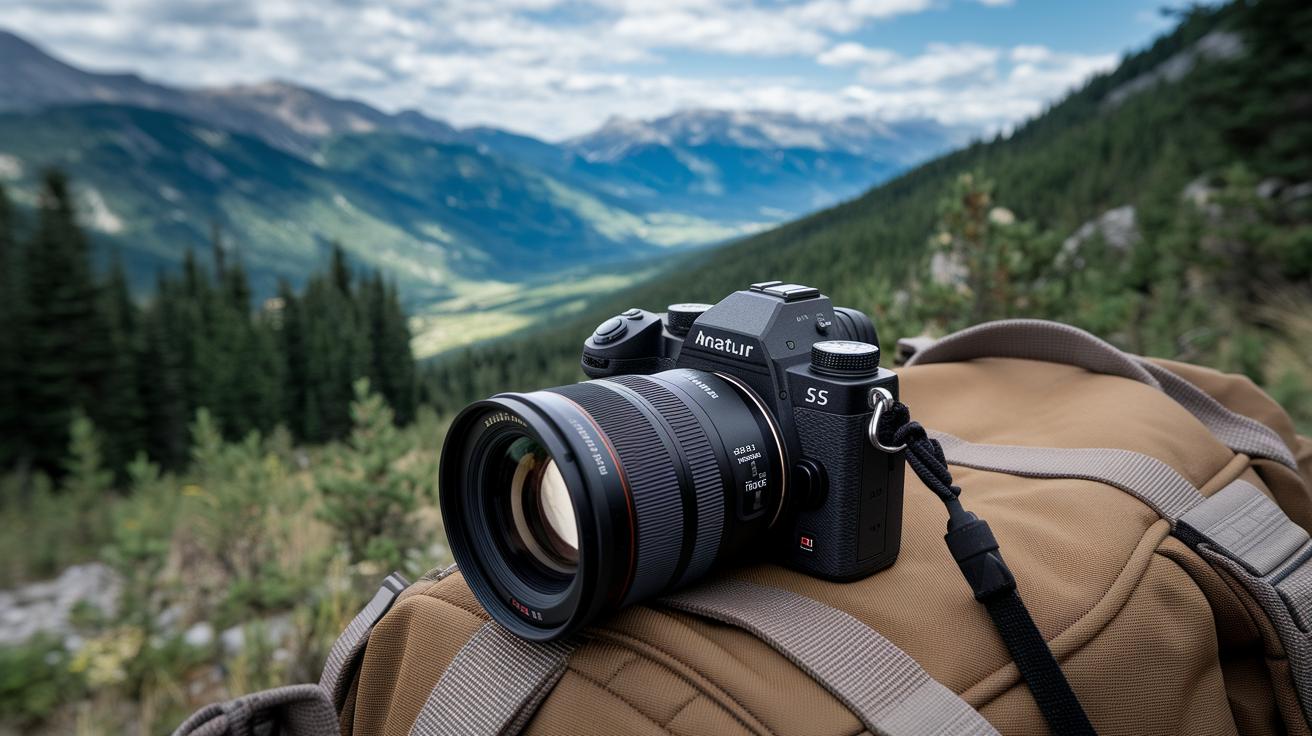
When you pack for a photography adventure, keep your gear light and flexible. For example, a mirrorless camera like the Sony α6300 (weighing under 600 g) lets you move freely while capturing amazing moments. You can pair it with a 16-35 mm f/4 lens for sweeping landscapes, a 35 mm for lively street snapshots, or a 70-200 mm telephoto to catch those far-off details. This setup gives you plenty of creative choices without weighing you down, so you’re always ready for that perfect shot.
Don’t forget the little extras that make every photo count. A compact tripod (less than 1 kg) helps steady your view, while a sturdy strap keeps the camera comfy during your adventures. It’s also smart to pack a reliable cleaning kit and a snug camera bag for safe travels. With the right gear, every scene from bright daytime explorations to the soft tones of twilight becomes a vivid part of your travel story.
Editing Workflow to Enhance Creative Travel Photos
Begin your editing journey with a trusted tool like Adobe Lightroom, a favorite among many travel photographers. Start by quickly sorting through your shots (imagine scanning about 100 pictures in just 10 minutes) to pick out the ones that truly capture the spirit of your adventure. Then, make simple fixes such as brightening exposure, boosting contrast, and balancing colors so each image feels as lively as the moment it was taken. A few straightforward steps like correcting lens issues and sharpening details go a long way in making every element pop.
Next, dive into the creative side of editing. Experiment with custom color tweaks and use presets like VSCO (famous for giving photos a film-like look) to set the perfect mood for each destination. Tinker with colors and contrast to ensure every picture fits seamlessly into your overall travel story. Finally, give your photos one last review to smooth out any small quirks before exporting them, whether you're preparing for a web gallery or a printed travel album. This hands-on process not only streamlines your workflow but also builds your confidence, encouraging you to share more of the magic from your journeys.
Effective Integration of Creative Travel Guide Photography in Layouts

Mixing vibrant images with clear words creates a journey that feels personal and inviting. When you pair each striking photo with a simple, lively description, your guide turns into a smooth narrative that naturally draws your readers in. This kind of friendly balance makes every page engaging without packing in too much at once.
| Placement Strategy | Benefit |
|---|---|
| Inline near text | Immediate context |
| In-text callout box | Visual break |
| Full-width banner | Emotional impact |
Captions act like mini-guides along your travel tale. Keeping them between 10–20 words gives just enough background while keeping the pace upbeat. And don't forget to add alt text to every image, it's like leaving a little note for those who browse in different ways, plus it helps with search engines.
Next, try linking your photos with local tips (for instance, hints on exploring cities like a local) to add even more insight. Map overlays offer a handy touch too, helping readers see where they are and discover nearby spots. By weaving in these modest details, each picture becomes an essential part of a visual adventure that invites everyone to stay and explore.
Final Words
In the action, we broke down smart ways to capture your favorite spots. We looked at framing, light, gear, editing, and blending images with text. Each element pieces together a clear picture of what makes a travel guide stand out. The post shared creative travel photography tips and practical advice that spark real excitement. Keep experimenting with your shots and let your passion shine. Embrace these creative travel guide photography techniques and turn every snap into a cherished memory.