

Ever wonder if fresh travel changes could work in your favor? Recently, new updates are flipping old limits into neat opportunities for travelers in the know. It’s kind of like watching the tide change, one moment you hit a roadblock, and the next you find a hidden path waiting to be discovered. In this post, we walk you through the latest rules and explain how they can boost your travel plans with confidence. We’re really excited to show you how these updates can brighten your next adventure with hope and possibility.
Current Emerging Travel Restriction Alerts Worldwide
On June 4, 2025, President Trump signed a new proclamation that kicked in at 12:01 a.m. ET on June 9, 2025. This move blocks visa entry for both immigrants and nonimmigrants from 12 countries while adding extra hurdles for applicants from 7 others. It’s like a travel update that gives you real-time alerts so you know exactly what’s happening. For more details, check out travel ban news – https://vasthysfriends.com?p=.
Next, the proclamation clearly divides countries into two groups: fully restricted and partially restricted. If you’re a national from one of the fully banned nations, you can’t apply for any U.S. visa unless you qualify under a few narrow exceptions (think green card holders or those with a Special Immigrant Visa). Citizens from the partially restricted countries still have a chance to travel for short visits, but their visa applications face extra scrutiny. Simply put, these updated advisories help every traveler understand the rules and check if they’re eligible.
Then, enhanced screening takes center stage in this new order. At international ports, travelers will go through tougher identity checks and improved data-sharing, especially if they come from places with weaker ID systems. These steps promise tighter real-time alerts as officials enforce the reworked protocols.
Visa Protocol Updates and Cross-Country Entry Mandates in Emerging Travel Restriction Updates
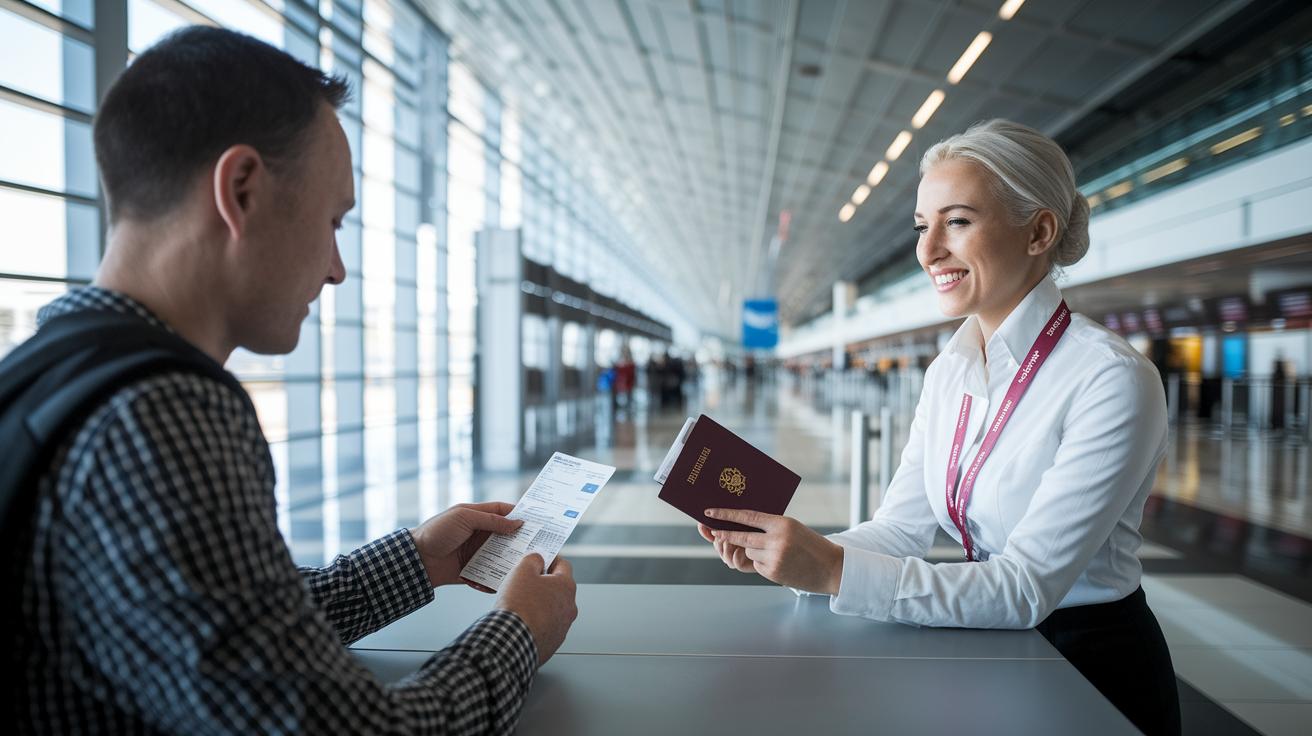
Make sure to check your visa eligibility to dodge any last-minute surprises. The new update spells out exactly who can apply for a U.S. visa under these fresh rules. With fewer options available for many travelers, it's a smart move to verify your visa type before you get started.
The latest rules completely bar visa issuance for citizens of 12 countries and set strict limits on certain visa types, like B-1/B-2, F, M, and J, for applicants from 7 other nations. If you find yourself in one of these groups, your visa application might undergo extra review based on where you're from and what visa you’re seeking. Essentially, the changes sort applicants into two groups: those who cannot apply at all and those who have just a few paths open for nonimmigrant visas. But there’s a silver lining, specific exceptions exist for folks with strong U.S. ties or unique situations.
- U.S. lawful permanent residents – People who already live in the country and have a green card.
- Special Immigrant Visa recipients (for example, Afghan allies) – Those who supported U.S. efforts and received designated visas.
- International adoptees with U.S. court orders – Kids legally adopted in the U.S. with a clear pathway.
- Diplomatic and government passport holders – Officials or diplomats with passports that grant them special entry.
- C transit visa holders – Travelers holding special transit visas that let them make quick international stops.
If any of this applies to you, head over to the official U.S. travel advisory page for all the details on entry requirements and travel document guidelines. Take your time to review these points and consider talking with an immigration expert if you think you might qualify for an exception. Taking these steps now can really help smooth out your travel plans in light of these evolving rules.
Emerging travel restriction updates spark optimism
At many international entry points, enhanced screening has become a vital part of your travel routine. Every traveler gets a brief identity and health check, imagine it as a friendly pause at the door to make sure you meet all the health guidelines. Picture arriving at an airport and being warmly greeted by an attendant who quickly confirms your details before you continue your journey.
In several countries, you might be asked to stay in quarantine for 7 to 14 days and show a negative COVID-19 test taken within 72 hours of your departure. Think of disembarking from a flight and being led to a safe space where caring local health officials keep an eye on you until you’re all set. This clear, united plan helps catch any issues early to protect both travelers and locals.
Government agencies now post updates about border reopenings whenever community cases fall below a set level. You can easily find these latest notices on official boards and websites, making it simple to know the travel health rules before you plan your next adventure.
Timeline of Recent Regulatory News in Emerging Travel Restriction Updates

On June 4, 2025, President Trump introduced a new directive that changed how visas are issued. It affects travelers from 12 nations and adds extra rules for 7 more, much like updating your travel itinerary with a few extra stops.
Just after midnight on June 9, 2025, these revised measures came into force at major entry points. It’s a bit like catching a train right at its scheduled departure, timing is everything!
Looking back at the 2017 travel ban, things feel different now. In 2017, unclear exemption rules sparked legal debates, but this time the guidelines offer clear exceptions and a smoother communication process. Imagine planning a trip with a detailed itinerary instead of dealing with vague directions, it simply makes the journey easier.
Enhanced Airport Screening and Dynamic Transit Guidelines in Emerging Travel Restriction Updates
Airports are now using smart identity checks and faster data sharing to speed things up. Picture a high-tech fast lane that quickly confirms your details so you can get to your gate without a hitch. They mix good old verification with fresh technology, making sure every traveler meets safety requirements.
Airlines have also tweaked their routes to avoid restricted areas. You might even notice a few flights on pause while they adjust to these new transit rules.
Now, boarding is more modern than ever with contactless entry and quick temperature checks. It’s a good idea to keep checking your flight status since boarding procedures can sometimes change at the last minute.
Future Outlook on Evolving Movement Regulations and Policy Challenges in Emerging Travel Restriction Updates

Business immigration experts are hosting webinars that break down the latest changes in travel rules. In these friendly sessions, legal pros share their personal take on how recent tweaks in regulations could impact traveler eligibility and enforcement of current mandates. At one webinar, a legal adviser mentioned that even small adjustments in travel policy might unexpectedly open up new possibilities for some applicants.
Looking ahead, things could shift as regulators consider new security standards and fresh ways of sharing information. Some experts think that if countries boost their safety measures, restrictions might start to loosen, while others warn that tougher checks, especially around identity, could tighten the rules in certain places. It’s a bit like watching your favorite sports game, where each play might change the outcome. Expert-led sessions help us understand what every move might mean.
If you’re keeping track of these changes, the best tip is to sign up for official alerts and reliable legal updates. This way, you’ll be in the know the moment new travel guidance or government mandates roll out.
Final Words
In the action, this post broke down recent travel alerts and visa changes with clear, real-time details. It covered updated rules on country restrictions, screening upgrades at airports, and health safety steps like quarantine measures.
The guide also mapped out key dates and offered hints on where to stay informed about evolving policies. Keep your plans flexible and check emerging travel restriction updates for the latest insights. Enjoy exploring the world with confidence!
FAQ
Q: What are the current emerging travel restriction updates for the USA, including COVID-19, 2022, and 2021?
A: The emerging travel restriction updates signal shifts in protocols affecting the USA, covering COVID-19 measures from 2021 and 2022 and detailing essential safety, visa changes, and screening protocols.
Q: How do the U.S. State Department updates impact travel advisories for several countries?
A: The U.S. State Department updates travel advisories by issuing clear alerts and current guidelines, helping travelers understand which destinations to approach with caution or avoid entirely.
Q: Is it safe to travel to the USA given the current travel warnings?
A: The current travel warnings suggest caution when traveling to the USA, as updated risk assessments and required documentation highlight areas that need extra attention for traveler safety.
Q: How long is the U.S. travel warning extended under current policies?
A: The extended U.S. travel warning provides specific periods during which restrictions remain active, helping travelers accurately plan and reassess their trips based on expected updates.
Q: What are the new travel restrictions set for 2025?
A: The new travel restrictions for 2025 specify bans, partial visa limitations, and enhanced screening measures that set clear criteria for entry risk and eligibility for those planning visits.
Q: Which countries fall under level 3 travel warning alerts?
A: Countries classified under level 3 alerts are marked as higher risk, prompting travelers to consult recent official advisories before planning trips to ensure compliance with updated safety measures.
Q: Where should Americans currently avoid traveling?
A: Updated advisories recommend that Americans steer clear of regions facing strict travel restrictions and high-risk conditions, ensuring they access recent official guidelines before scheduling trips.
Q: Can residents travel outside the US in 2025 under the new rules?
A: The latest guidelines allow residents to travel outside the US in 2025, though they must meet specific visa protocols and undergo enhanced security checks to secure safe passage.